
Bird Encyclopedia
Search and identify 1,000+ birds — with size, habitat, diet, voice, behavior, and the field marks that tell them apart.
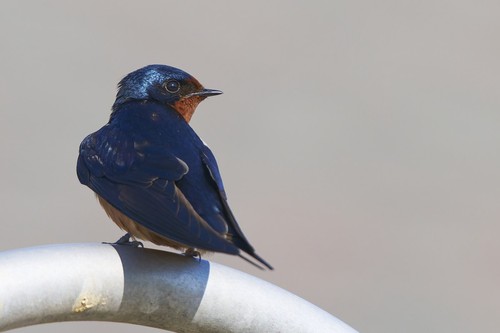
Barn Swallow
The most widespread swallow in the world, easily known by its deeply forked tail, steel-blue back, and rufous throat.
songbird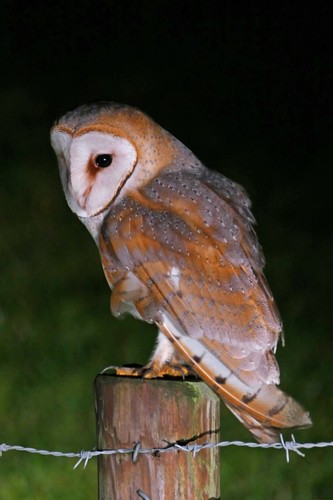
Barn Owl
A pale, heart-faced owl of open farmland, famous for its ghostly white underside and near-silent, moth-like flight.
owl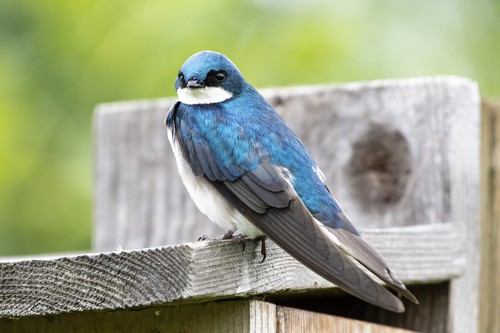
Tree Swallow
A gleaming blue-green and white cavity-nesting swallow, one of the earliest swallows to arrive each spring and among the most cold-hardy.
songbird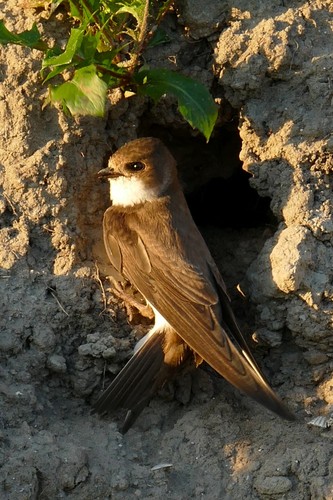
Bank Swallow
The smallest North American swallow, brown above and white below with a crisp brown breast band, nesting colonially in burrows dug into sandy banks.
songbird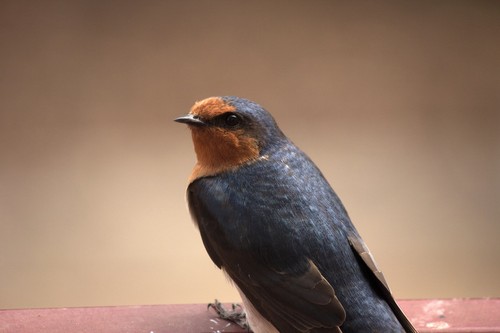
Welcome Swallow
A glossy blue-black swallow with a rufous forehead and throat, common across Australia and long regarded as a harbinger of spring.
songbird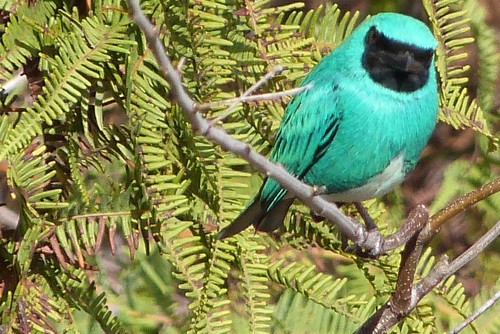
Swallow Tanager
A short-billed, swallow-shaped tanager, with turquoise-blue males and grass-green females, that hawks insects on the wing and nests in burrows.
songbird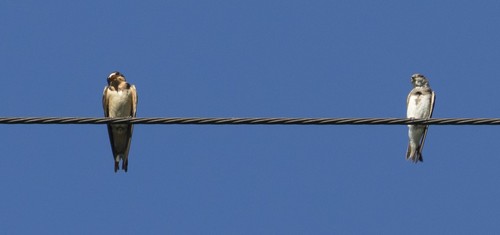
Cliff Swallow
A colonial swallow famous for building gourd-shaped mud nests in dense clusters under bridges, eaves, and cliffs.
songbird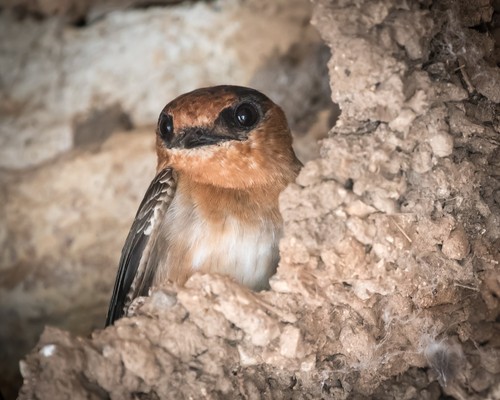
Cave Swallow
A cliff-swallow relative with a buffy forehead and throat that nests colonially under bridges and in caves and culverts across the southern US and Caribbean.
songbird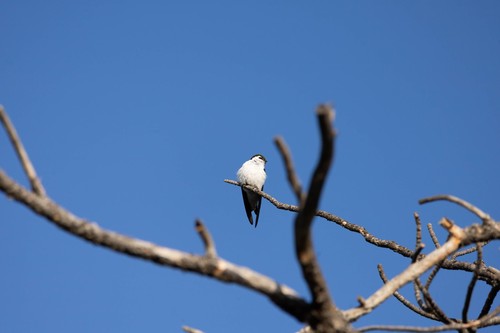
Violet-green Swallow
A shimmering western swallow with an iridescent green back, violet rump, and white patches that nearly wrap around the face and flanks.
songbird
Swallow-tailed Kite
An unmistakable black-and-white raptor with a deeply forked tail that glides effortlessly over southern swamps.
raptor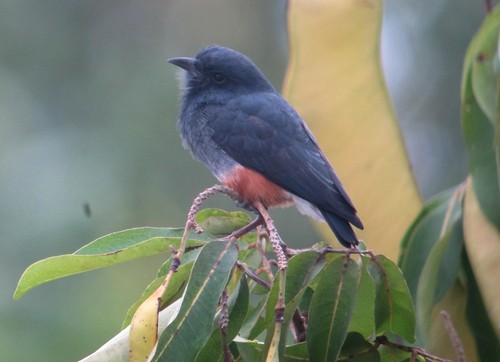
Swallow-winged Puffbird
A distinctive puffbird with long, pointed swallow-like wings and a chestnut rump, often seen perched on riverside snags sallying for insects like a swallow.
other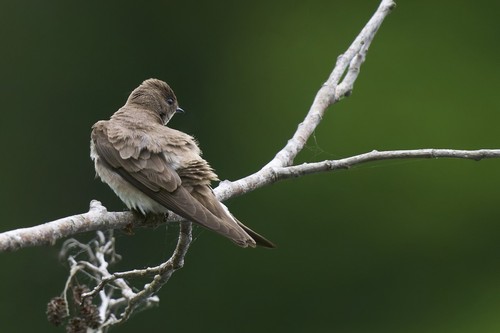
Northern Rough-winged Swallow
A plain brown swallow that nests in burrows in dirt banks, distinguished from other swallows by its uniform pale throat and lack of a breast band.
songbird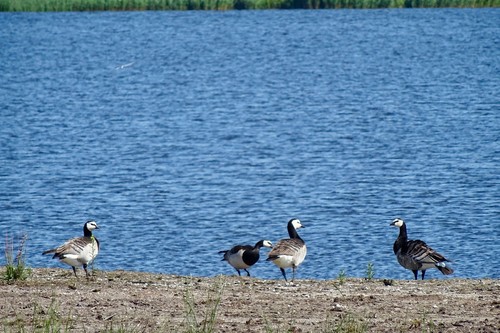
Barnacle Goose
A compact black, white, and grey goose with a striking cream-white face, famous for nesting on sheer Arctic cliffs.
waterfowl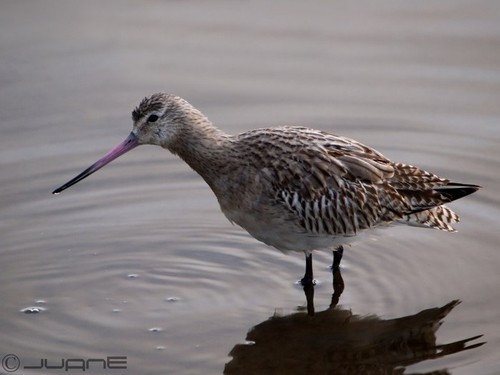
Bar-tailed Godwit
A long-billed godwit famous for making the longest recorded nonstop migratory flights of any bird, connecting Arctic breeding grounds with wintering coasts across the Old World and Australasia.
shorebird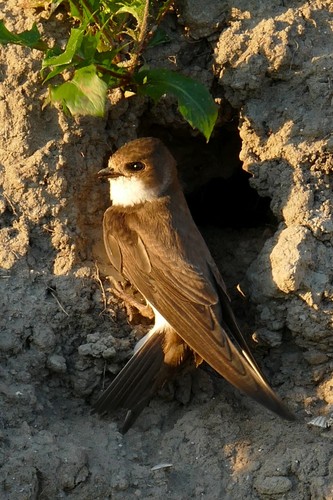
Sand Martin
A small brown-and-white swallow relative that nests colonially in burrows dug into sandy banks and cliffs.
songbird
Bar-headed Goose
A pale gray goose famous for migrating at extreme altitudes over the Himalayas, marked by two black bars on the head.
waterfowl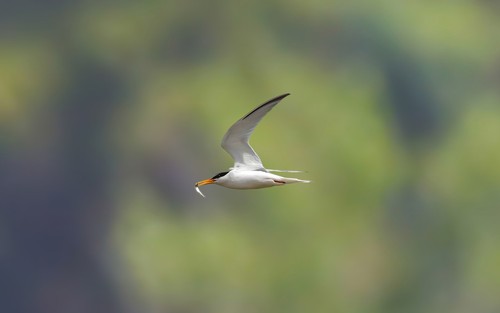
Little Tern
A tiny, fast-flying tern with a black-tipped yellow bill and white forehead patch that hovers before plunge-diving for small fish along sandy coastlines.
seabird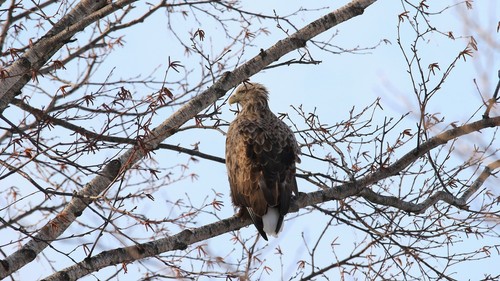
White-tailed Eagle
A massive Eurasian raptor with a barn-door wingspan, pale head, and unmistakable wedge-shaped white tail.
raptor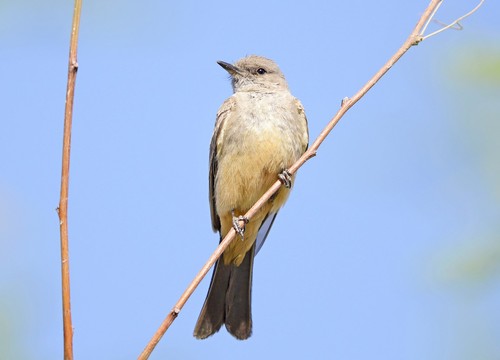
Say's Phoebe
A soft cinnamon-bellied flycatcher of open, dry western landscapes that often nests on cliffs, barns, and abandoned buildings.
songbird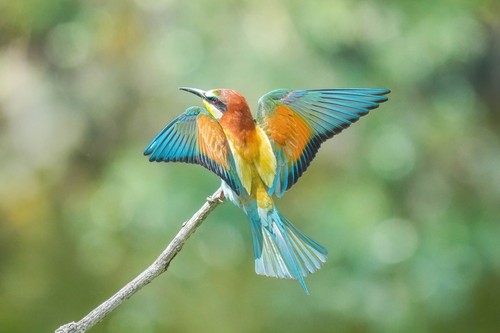
European Bee-eater
One of Europe's most vividly colored birds, a swallow-shaped hunter of flying insects with chestnut, yellow, and turquoise plumage.
other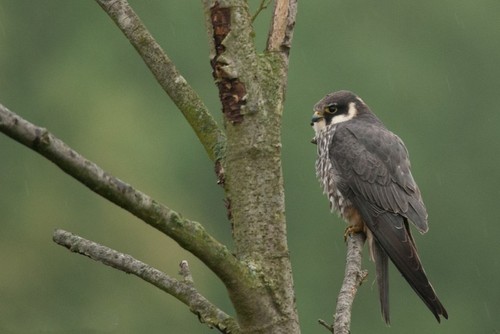
Eurasian Hobby
A sleek, fast-flying falcon with scythe-shaped wings, famed for catching dragonflies and swallows on the wing at high speed.
raptor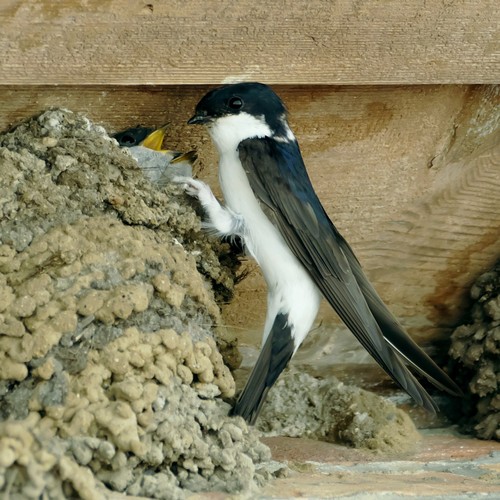
House Martin
A glossy blue-black swallow relative with a clean white rump and underparts, famous for building mud-cup nests under building eaves.
songbird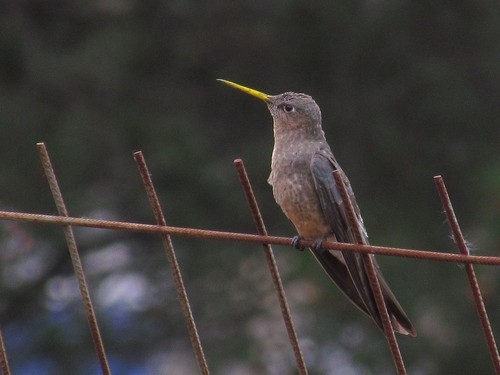
Giant Hummingbird
The largest hummingbird species in the world, a grayish-brown Andean bird nearly the size of a swallow with slow, distinctly visible wingbeats.
hummingbird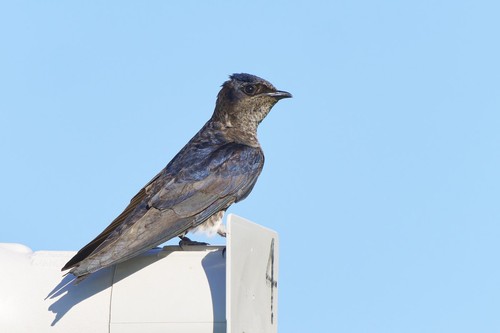
Purple Martin
North America's largest swallow, a glossy blue-black aerial insectivore whose eastern population now nests almost entirely in birdhouses provided by people.
songbird