
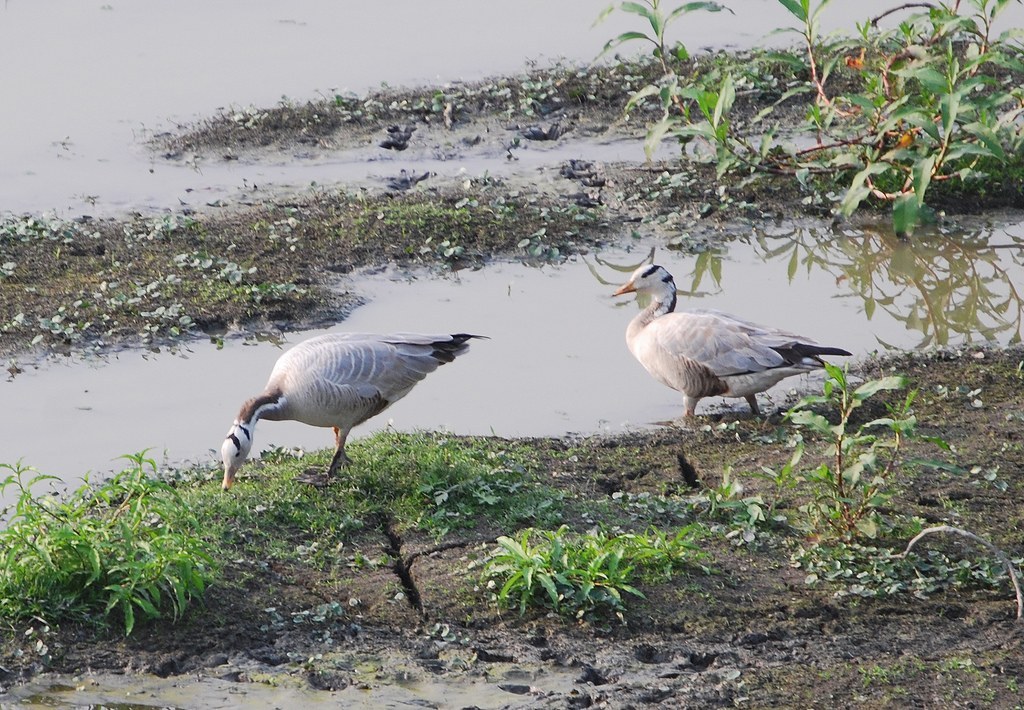
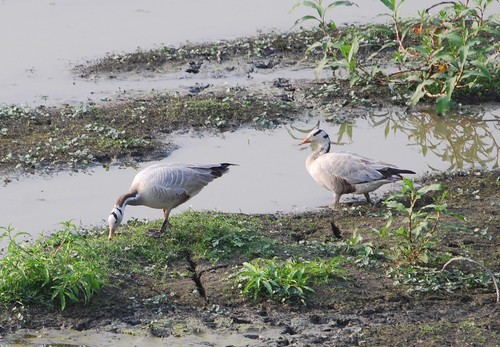
Bar-headed Goose
Anser indicus
A pale gray goose famous for migrating at extreme altitudes over the Himalayas, marked by two black bars on the head.
- Size
- 62-78 cm (24-31 in) long, 140-160 cm wingspan
- Habitat
- high-altitude lakes in Central Asia (breeding), lowland wetlands in South Asia (winter)
- Type
- waterfowl
Spotted a bird like this?
Identify any bird from a photo, free.
Overview
The Bar-headed Goose is a pale gray goose renowned as one of the highest-flying birds in the world, famous for migrating directly over the Himalayas at altitudes that would leave most animals gasping for oxygen. It is easily recognized by two bold black bars crossing the back of an otherwise white head, a pale gray body, and a dark stripe running down the back of the neck.
Breeding on high-altitude lakes across Central Asia and wintering on lowland wetlands in South Asia, the Bar-headed Goose has evolved a suite of physiological adaptations that allow it to fly at extreme elevations during its remarkable seasonal migrations.
How to identify it
Key field marks
- White head crossed by two bold black bars (one behind the eye, one across the nape)
- Pale gray body overall, darker gray-brown back, orange-yellow bill and legs
- Dark stripe running down the back of the white neck
Similar species
No other goose combines the white head with two black bars and pale gray body; the Greylag Goose and Greater White-fronted Goose both lack the distinct black head bars and have plainer brownish-gray heads.
Habitat & range
Bar-headed Geese breed on high-altitude lakes and wetlands across the Tibetan Plateau and other parts of Central Asia, often at elevations of several thousand meters. They migrate to lowland wetlands, rivers, and agricultural fields across South Asia, particularly India, for the winter, undertaking one of the most physically demanding migrations of any bird as they cross the Himalayan range.
Behavior & voice
Behavior
Bar-headed Geese are strong, capable fliers adapted for sustained flight at extremely high, low-oxygen altitudes, with physiological traits such as more efficient hemoglobin and lungs that support this feat; they form flocks during migration and on wintering grounds.
Voice
Gives loud, nasal honking calls typical of gray geese, used in flight and to maintain flock contact.
Feeding
Grasses, sedges, grains, and other plant material, grazed in wetlands and agricultural fields.
Nesting
Nests on the ground, sometimes on cliff ledges or islands in high-altitude lakes; clutches typically hold 3-8 eggs.
Frequently asked questions
Why is the Bar-headed Goose famous?
It is renowned for migrating at extremely high altitudes directly over the Himalayas, among the highest sustained flights recorded for any bird.
How do you identify a Bar-headed Goose?
Look for a white head crossed by two bold black bars, a pale gray body, and a dark stripe down the back of the neck.
Where does the Bar-headed Goose breed?
On high-altitude lakes and wetlands across the Tibetan Plateau and other parts of Central Asia.
How can Bar-headed Geese fly so high?
They have physiological adaptations, including more efficient oxygen-carrying blood and lung capacity, that allow sustained flight in the thin air at extreme altitudes.
Bar-headed Goose guides
In-depth guides for identifying, finding, and understanding Bar-headed Goose.
Other birds you may enjoy
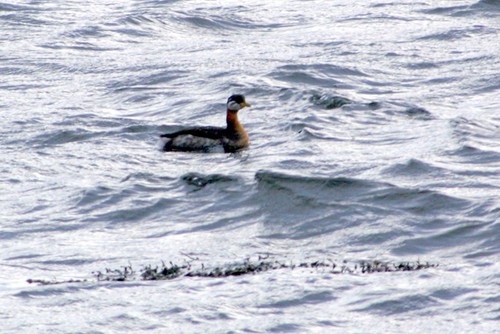
Red-necked Grebe
40-55 cm (16-22 in) long, 77-85 cm wingspan
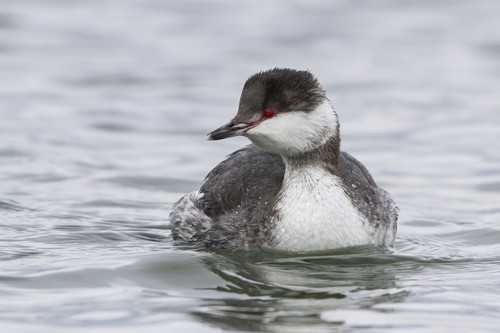
Horned Grebe
31-38 cm (12-15 in) long, 46-55 cm wingspan
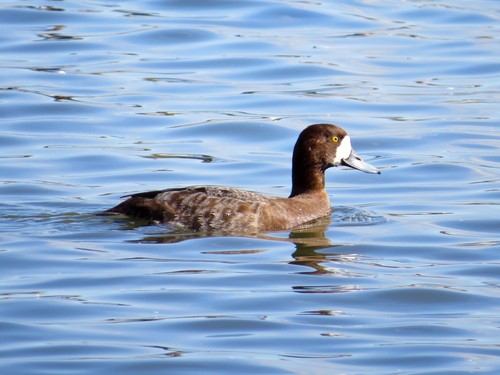
Greater Scaup
42-51 cm (16.5-20 in) long, 71-84 cm wingspan
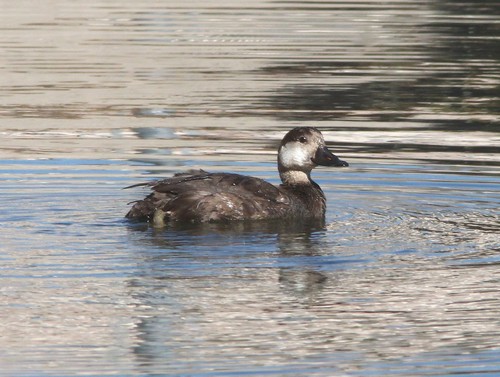
Black Scoter
43-54 cm (17-21 in) long, 79-90 cm wingspan
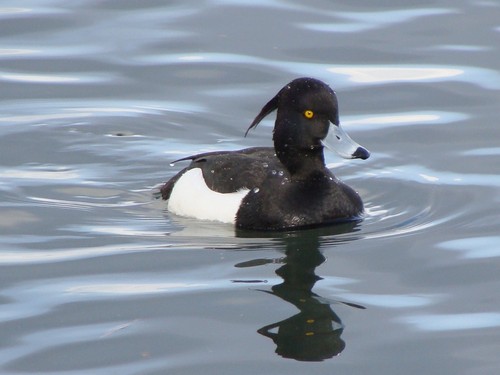
Tufted Duck
40-47 cm (16-18.5 in) long, 67-73 cm wingspan
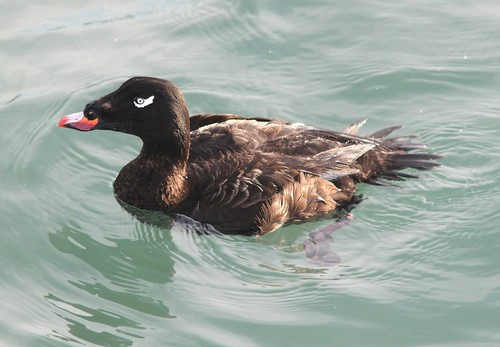
White-winged Scoter
48-58 cm (19-23 in) long, 86-99 cm wingspan
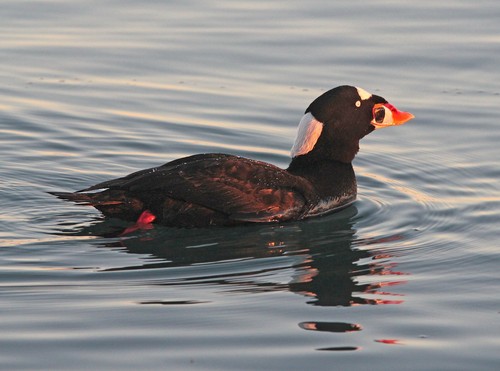
Surf Scoter
45-56 cm (18-22 in) long, 78-92 cm wingspan
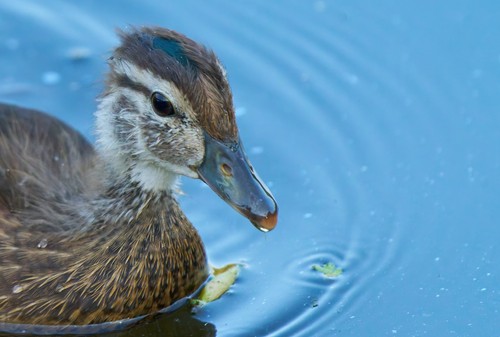
Wood Duck
47-54 cm (18.5-21 in) long, 66-73 cm wingspan
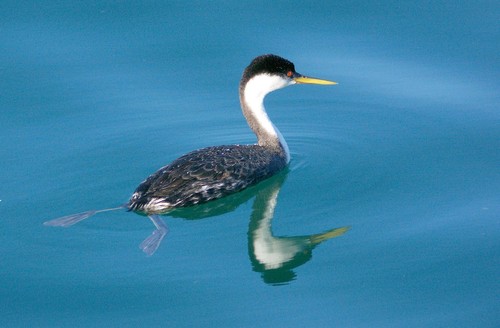
Western Grebe
56-74 cm (22-29 in) long, 79-102 cm wingspan
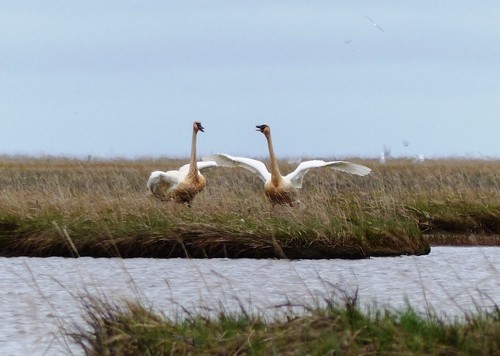
Tundra Swan
115-150 cm (45-59 in) long, about 180 cm wingspan
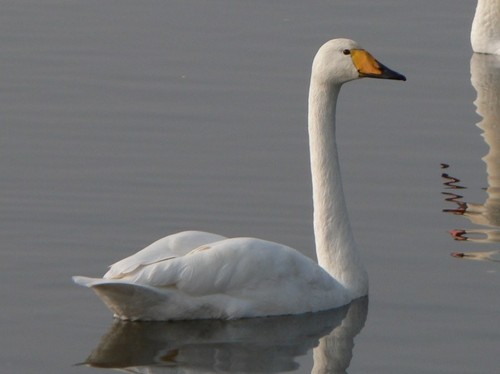
Whooper Swan
140-165 cm (55-65 in) long, 205-235 cm wingspan
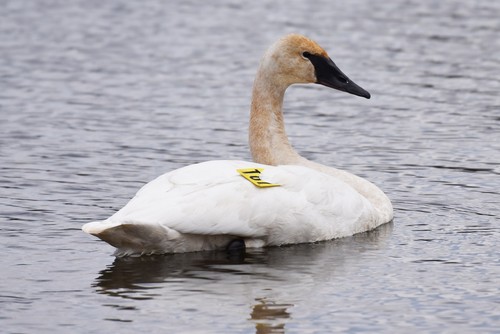
Trumpeter Swan
150-180 cm (59-71 in) long, up to 300 cm wingspan