
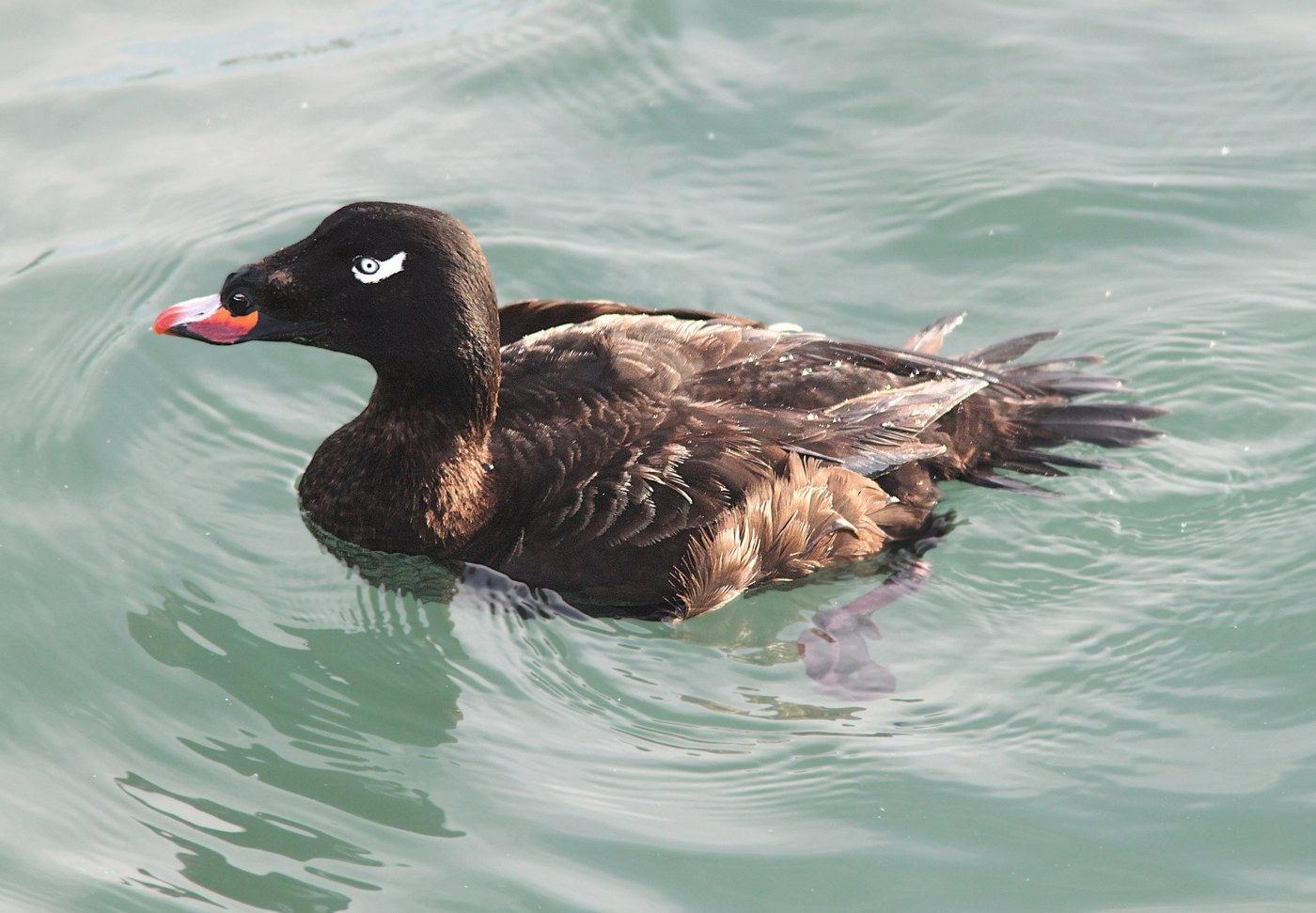
White-winged Scoter
Melanitta deglandi
The largest scoter, black-bodied with a white speculum patch in the wing and a comma-shaped white eye mark.
- Size
- 48-58 cm (19-23 in) long, 86-99 cm wingspan
- Habitat
- boreal lakes and wetlands (breeding), coastal waters and large lakes (winter)
- Type
- waterfowl
Spotted a bird like this?
Identify any bird from a photo, free.
Overview
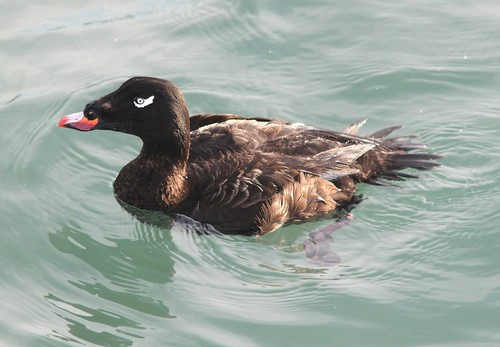
The White-winged Scoter is the largest of the three scoter species, a heavy black sea duck with a distinctive white patch in the wing (the speculum) that shows as a bright flash in flight or a thin white line on a resting bird. Males have a black body, an orange-and-black bill with a knob at the base, and a small comma-shaped white crescent behind the eye. Females are dark brown with two faint pale patches on the face, similar to other female scoters but larger and bulkier.
This species breeds on northern lakes and winters in large numbers along coastal waters, often forming rafts alongside other scoter species.
How to identify it
Key field marks
- Largest scoter; heavy black body with a white wing patch (speculum) visible in flight or as a line along the folded wing
- Male: black bill with orange sides and a small basal knob, comma-shaped white mark behind the eye
- Female: dark brown with two indistinct pale facial patches, larger and bulkier than female Surf or Black Scoters
Similar species
The Surf Scoter lacks any white in the wing and instead shows bold white patches on the forehead and nape. The Black Scoter is entirely black-bodied with no white anywhere except the male's bill knob. The white speculum is the most reliable mark separating White-winged Scoter from its relatives.
Habitat & range
White-winged Scoters breed on lakes and wetlands across the boreal forest and forest-tundra of North America and Siberia. They winter along both Atlantic and Pacific coasts of North America and parts of Eurasia, favoring open coastal waters, bays, and large lakes, often in mixed flocks with other scoters.
Behavior & voice
Behavior
Dives to forage on the bottom in shallow coastal and lake waters, often in large, loose flocks; flight is heavy and direct, typically low over the water.
Voice
Mostly silent; occasional low growling or whistling notes during courtship displays.
Feeding
Mollusks such as mussels and clams form the bulk of the diet, supplemented by crustaceans and some aquatic insects.
Nesting
Nests on the ground, often on islands or near lakes in the boreal forest, well concealed in vegetation; clutches usually contain 8-11 eggs.
Frequently asked questions
What is the easiest way to identify a White-winged Scoter?
Look for the white patch in the wing (speculum), visible in flight or as a thin white line along the folded wing of a swimming bird, which the other two scoter species lack.
Is the White-winged Scoter the biggest scoter?
Yes, it is the largest and bulkiest of the three scoter species found in North America.
What do White-winged Scoters eat?
Primarily mollusks like mussels and clams, obtained by diving, along with crustaceans and some aquatic insects.
Where do White-winged Scoters spend the winter?
Along coastal waters of both the Atlantic and Pacific, as well as some large inland lakes, often in mixed flocks with other scoters.
White-winged Scoter guides
In-depth guides for identifying, finding, and understanding White-winged Scoter.
Other birds you may enjoy
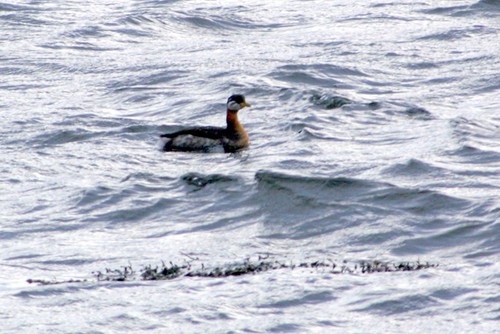
Red-necked Grebe
40-55 cm (16-22 in) long, 77-85 cm wingspan
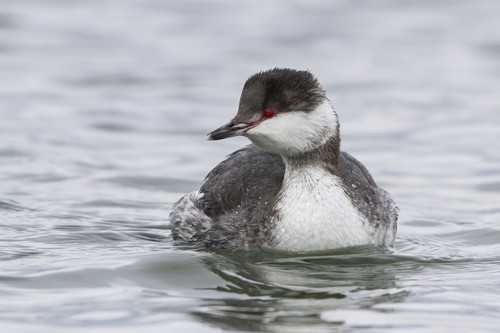
Horned Grebe
31-38 cm (12-15 in) long, 46-55 cm wingspan
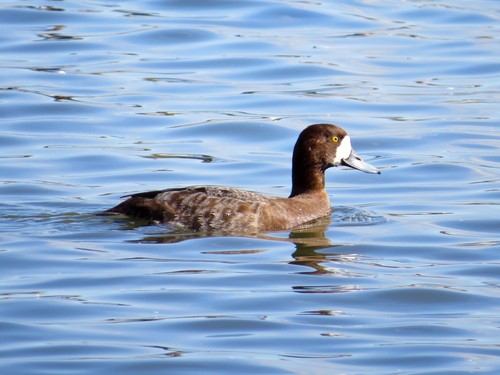
Greater Scaup
42-51 cm (16.5-20 in) long, 71-84 cm wingspan
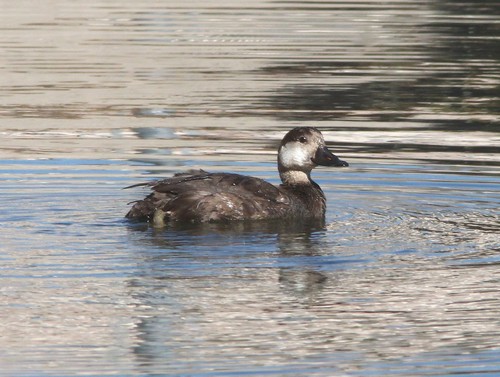
Black Scoter
43-54 cm (17-21 in) long, 79-90 cm wingspan
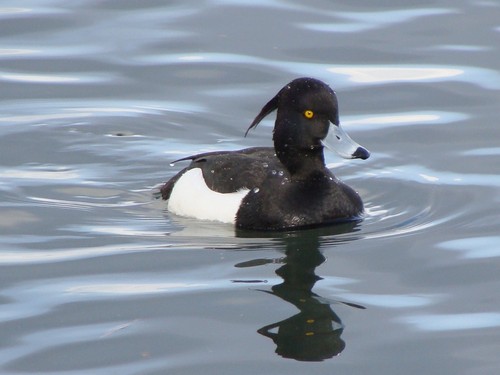
Tufted Duck
40-47 cm (16-18.5 in) long, 67-73 cm wingspan
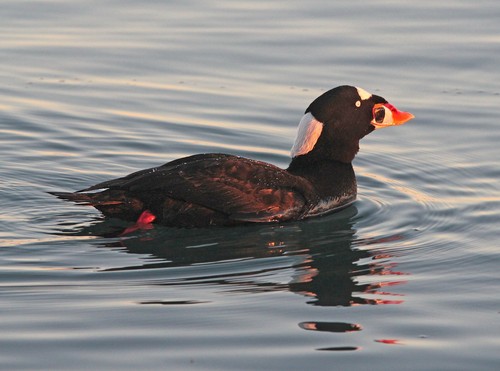
Surf Scoter
45-56 cm (18-22 in) long, 78-92 cm wingspan
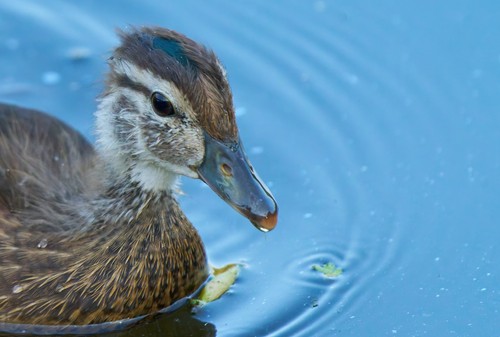
Wood Duck
47-54 cm (18.5-21 in) long, 66-73 cm wingspan
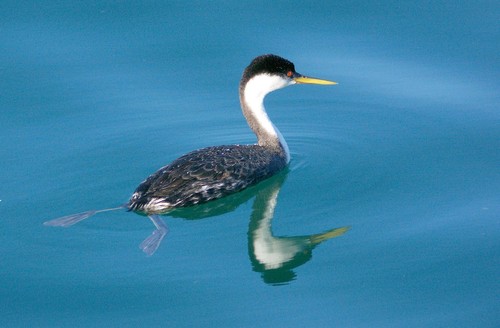
Western Grebe
56-74 cm (22-29 in) long, 79-102 cm wingspan
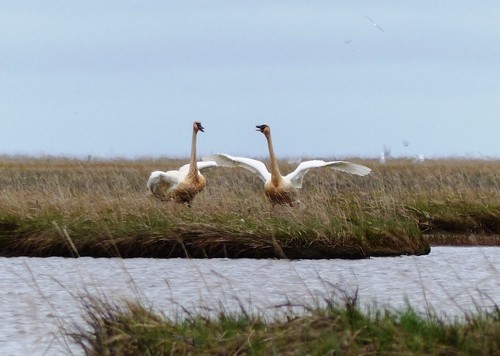
Tundra Swan
115-150 cm (45-59 in) long, about 180 cm wingspan
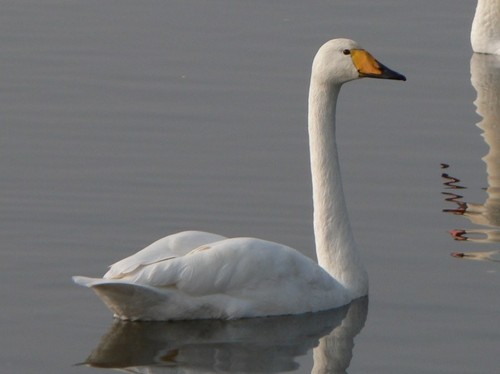
Whooper Swan
140-165 cm (55-65 in) long, 205-235 cm wingspan
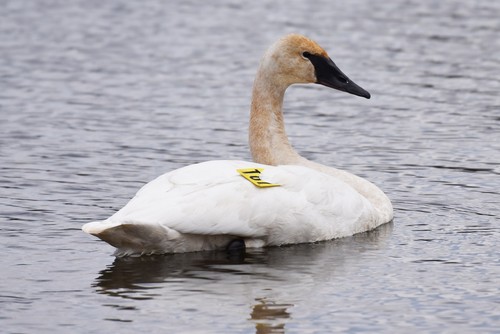
Trumpeter Swan
150-180 cm (59-71 in) long, up to 300 cm wingspan
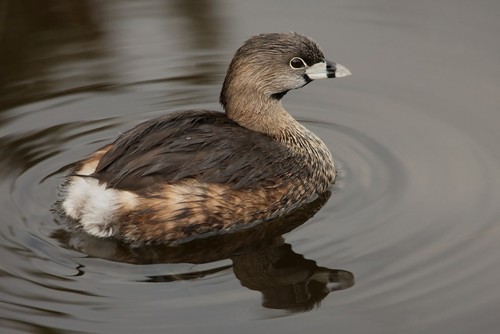
Pied-billed Grebe
31-38 cm (12-15 in) long, 45-62 cm wingspan