
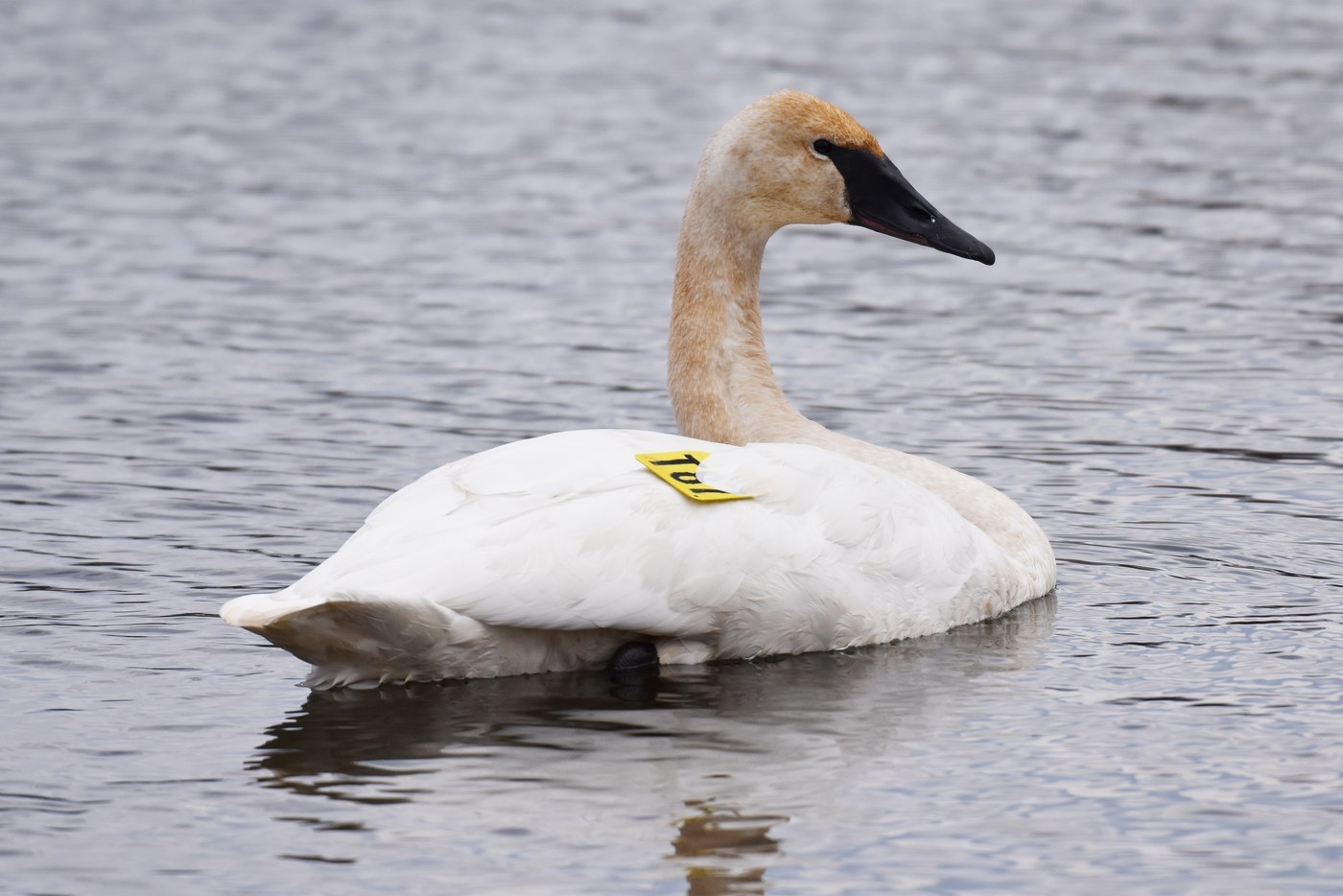
Trumpeter Swan
Cygnus buccinator
North America's largest native waterfowl, an all-white swan with a solid black bill and a deep, resonant trumpeting call.
- Size
- 150-180 cm (59-71 in) long, up to 300 cm wingspan
- Habitat
- large lakes, marshes, and rivers in North America
- Type
- waterfowl
Spotted a bird like this?
Identify any bird from a photo, free.
Overview
The Trumpeter Swan is the largest native waterfowl species in North America, an entirely white bird with a long straight neck, a solid black bill, and black facial skin extending to the eye without any yellow. Males and females look alike, though males average somewhat larger.
Once nearly hunted to extinction in the early 20th century, the Trumpeter Swan has recovered significantly through conservation efforts and now breeds across parts of Alaska, western Canada, and the northern United States.
How to identify it
Key field marks
- Entirely white adult plumage
- Long, straight neck typically held erect
- Solid black bill lacking any yellow spot
- Large overall size, heavier and longer-bodied than other swans
Similar species
- Tundra Swan: smaller, often shows a small yellow spot in front of the eye near the bill base, and has a more rounded head profile
- Mute Swan: has an orange bill with a black knob and a curved neck, unlike the Trumpeter's straight neck and all-black bill
The combination of very large size, straight neck posture, and an all-black bill without yellow is the best way to confirm a Trumpeter Swan.
Habitat & range
Range and habitat
Trumpeter Swans breed on large freshwater lakes, marshes, and slow rivers across Alaska, western Canada, and scattered areas of the northern contiguous United States, including reintroduced populations in the Midwest.
Migration
Northern populations migrate south to ice-free lakes, rivers, and estuaries for winter, while some reintroduced populations in milder climates are largely non-migratory or move only short distances.
Behavior & voice
Behavior
Trumpeter Swans are strong, powerful swimmers and fliers that pair for life and defend large breeding territories on quiet wetlands, generally avoiding close contact with humans compared to the more urban-tolerant Mute Swan.
Voice
The call is a loud, deep, resonant trumpeting or bugling note, often given in flight or as a greeting between mates, and is the basis for the species' name.
Feeding
They feed primarily by submerging their long necks to pull up aquatic plants and tubers, and also graze on land for grasses and waste grain, especially in winter.
Nesting and breeding
Pairs build a large nest mound of aquatic vegetation, often on a muskrat or beaver lodge or small island for protection; the female incubates four to six eggs, and cygnets remain with their parents through their first winter.
Frequently asked questions
How do you tell a Trumpeter Swan from a Tundra Swan?
Trumpeter Swans are larger with a straight neck and a solid black bill, while Tundra Swans are smaller and often show a small yellow spot near the base of the bill.
Why is it called a Trumpeter Swan?
It is named for its loud, deep, brass-like trumpeting call, one of the most distinctive sounds among North American waterfowl.
Was the Trumpeter Swan ever endangered?
Yes, overhunting reduced it to just a few dozen known individuals in the early 20th century, but conservation and reintroduction efforts have allowed the population to recover to tens of thousands today.
How big is a Trumpeter Swan?
It is the largest native waterfowl in North America, with some individuals weighing over 12 kg (26 lb) and wingspans approaching 3 meters (10 feet).
Trumpeter Swan guides
In-depth guides for identifying, finding, and understanding Trumpeter Swan.
Other birds you may enjoy
Red-necked Grebe
40-55 cm (16-22 in) long, 77-85 cm wingspan
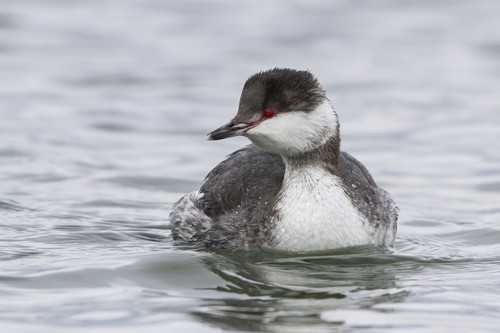
Horned Grebe
31-38 cm (12-15 in) long, 46-55 cm wingspan
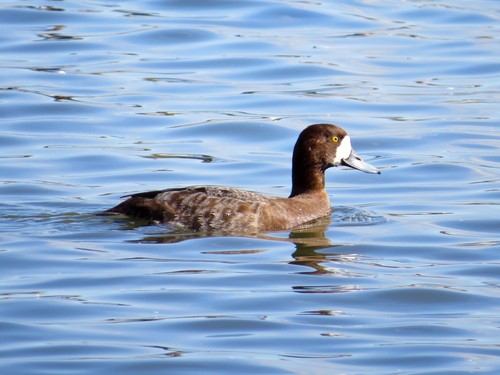
Greater Scaup
42-51 cm (16.5-20 in) long, 71-84 cm wingspan
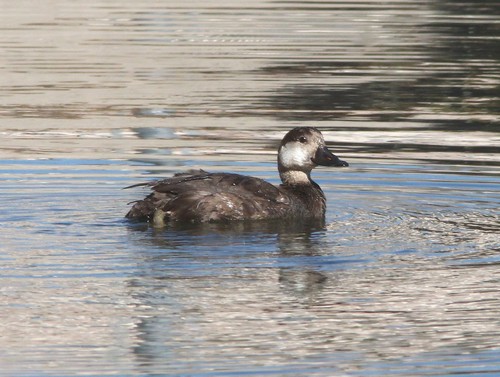
Black Scoter
43-54 cm (17-21 in) long, 79-90 cm wingspan
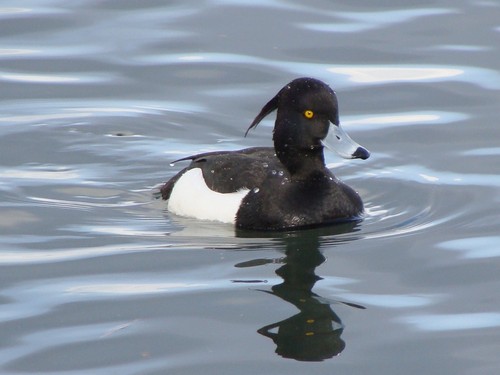
Tufted Duck
40-47 cm (16-18.5 in) long, 67-73 cm wingspan
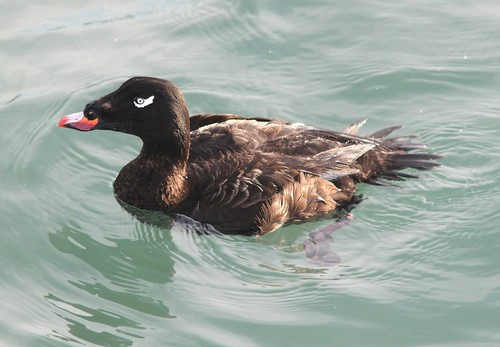
White-winged Scoter
48-58 cm (19-23 in) long, 86-99 cm wingspan
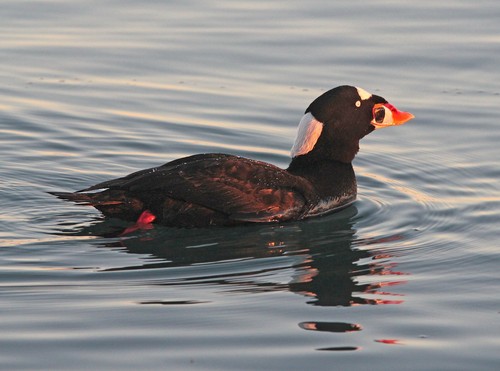
Surf Scoter
45-56 cm (18-22 in) long, 78-92 cm wingspan
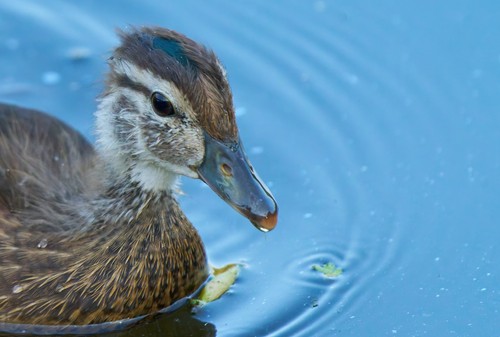
Wood Duck
47-54 cm (18.5-21 in) long, 66-73 cm wingspan
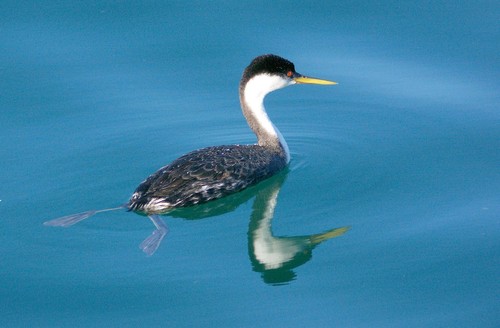
Western Grebe
56-74 cm (22-29 in) long, 79-102 cm wingspan
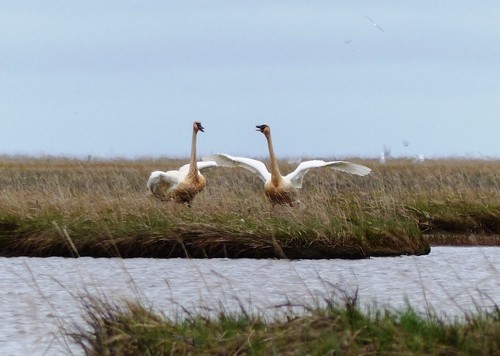
Tundra Swan
115-150 cm (45-59 in) long, about 180 cm wingspan
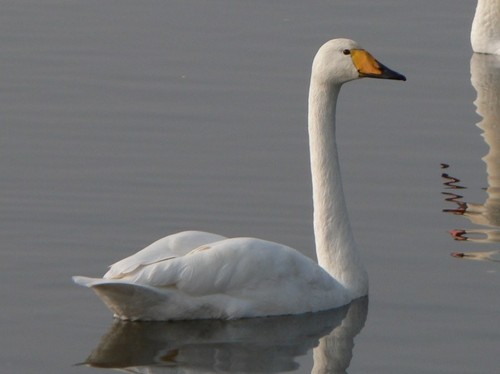
Whooper Swan
140-165 cm (55-65 in) long, 205-235 cm wingspan
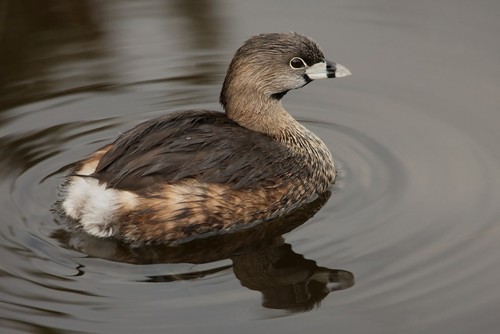
Pied-billed Grebe
31-38 cm (12-15 in) long, 45-62 cm wingspan