
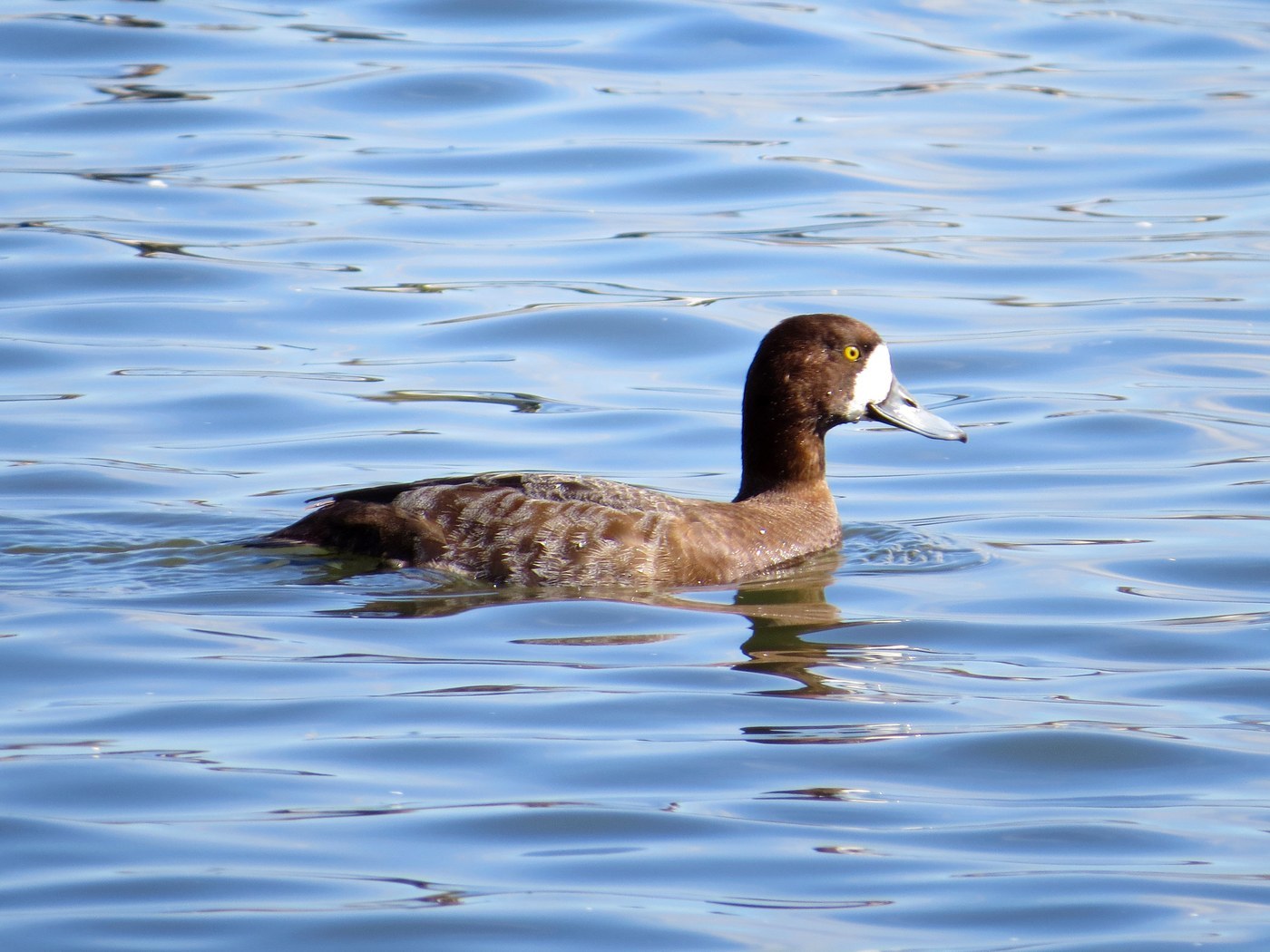
Greater Scaup
Aythya marila
A rounded-headed diving duck of large open waters, the drake showing a glossy greenish-black head and pale gray back, closely resembling the smaller Lesser Scaup.
- Size
- 42-51 cm (16.5-20 in) long, 71-84 cm wingspan
- Habitat
- large lakes, coastal bays, and open water for wintering; Arctic and subarctic tundra for breeding
- Type
- waterfowl
Spotted a bird like this?
Identify any bird from a photo, free.
Overview
The Greater Scaup is a robust diving duck of large lakes, bays, and coastal waters, closely related to and often confused with the smaller Lesser Scaup. The breeding drake has a rounded head with a glossy dark green sheen, a black breast, a pale gray back finely marked with vermiculations, and white flanks.
Females are brown overall with a bold white patch at the base of the bill, a feature shared with the Lesser Scaup. Separating the two scaup species in the field requires close attention to head shape, wing pattern in flight, and subtle color tones.
How to identify it
Key Field Marks
- Rounded head shape without a peak, broadest at the rear of the crown
- Breeding drake: glossy greenish-black head sheen, black breast, pale gray back, white flanks
- Female: brown overall with a bold white patch at the base of the bill
- In flight, white wing stripe extends well out into the primary feathers (versus a shorter stripe on Lesser Scaup)
Similar Species
The Lesser Scaup is very similar but slightly smaller, with a more peaked crown (highest toward the rear-center of the head) and a purplish (rather than greenish) head sheen on the drake; its white wing stripe in flight is also shorter, mostly confined to the secondaries. Ring-necked Ducks have a more angular, peaked head and a bill with a bold white ring, and lack the scaup's white face patch on females.
Habitat & range
Greater Scaup breed on Arctic and subarctic tundra across northern Alaska, Canada, and parts of Eurasia, nesting near tundra ponds and lakes. They winter primarily on large, open coastal waters — bays, estuaries, and the Great Lakes — more so than the Lesser Scaup, which favors a broader range of inland and coastal waters.
The species undertakes long migrations between remote Arctic breeding grounds and temperate coastal wintering areas, often forming large rafts of thousands of birds on productive wintering bays.
Behavior & voice
Greater Scaup are diving ducks, feeding primarily on mollusks and other aquatic invertebrates obtained by diving, particularly in coastal waters where they exploit mussel beds and similar prey. They also eat some aquatic plant material.
The voice is generally quiet away from the breeding grounds; males give soft, discordant courtship notes, while females give a harsher growling call. Nests are built on the ground near water on Arctic tundra, typically in a simple scrape lined with down, with females incubating 6-9 eggs alone.
Frequently asked questions
How do you tell Greater Scaup from Lesser Scaup?
Greater Scaup have a rounder head (broadest toward the back) with a greenish head sheen and a longer white wing stripe in flight, while Lesser Scaup have a more peaked crown, a purplish head sheen, and a shorter wing stripe.
Where do Greater Scaup breed?
They breed on Arctic and subarctic tundra across northern Alaska, Canada, and parts of Eurasia.
What do Greater Scaup eat?
They dive for mollusks and other aquatic invertebrates, especially in coastal waters, supplemented with some plant material.
Why are scaup nicknamed 'bluebills'?
Both scaup species have a pale blue-gray bill, giving rise to the colloquial nickname 'bluebill' used especially by waterfowl hunters.
Where do Greater Scaup winter?
They favor large open coastal waters such as bays, estuaries, and the Great Lakes.
Greater Scaup guides
In-depth guides for identifying, finding, and understanding Greater Scaup.
Other birds you may enjoy
Red-necked Grebe
40-55 cm (16-22 in) long, 77-85 cm wingspan
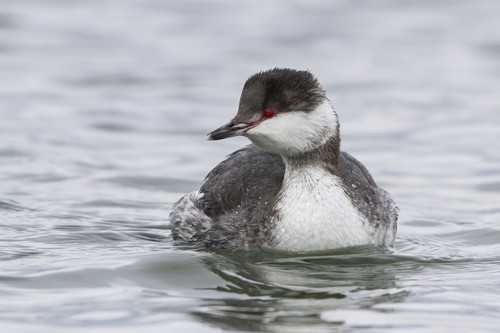
Horned Grebe
31-38 cm (12-15 in) long, 46-55 cm wingspan
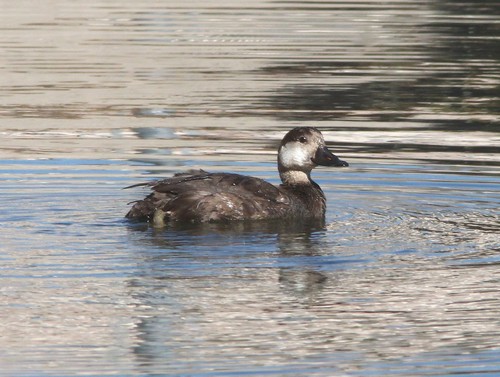
Black Scoter
43-54 cm (17-21 in) long, 79-90 cm wingspan
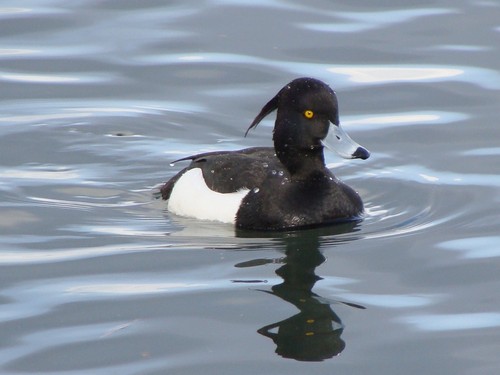
Tufted Duck
40-47 cm (16-18.5 in) long, 67-73 cm wingspan
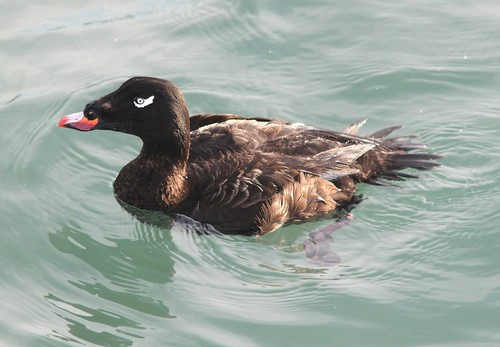
White-winged Scoter
48-58 cm (19-23 in) long, 86-99 cm wingspan
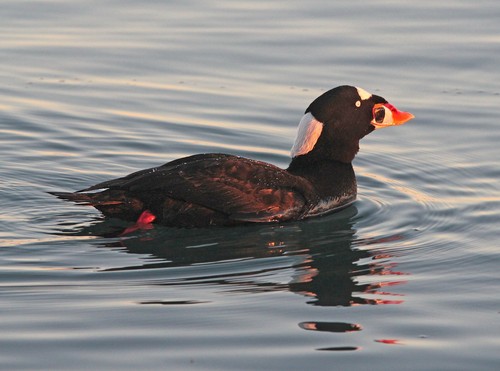
Surf Scoter
45-56 cm (18-22 in) long, 78-92 cm wingspan
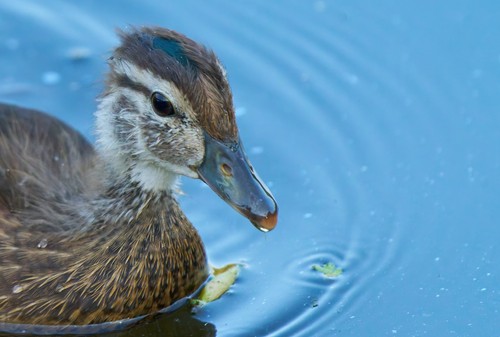
Wood Duck
47-54 cm (18.5-21 in) long, 66-73 cm wingspan
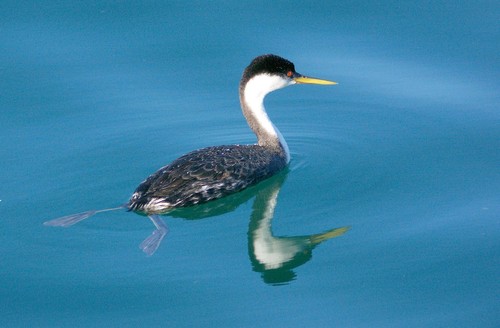
Western Grebe
56-74 cm (22-29 in) long, 79-102 cm wingspan
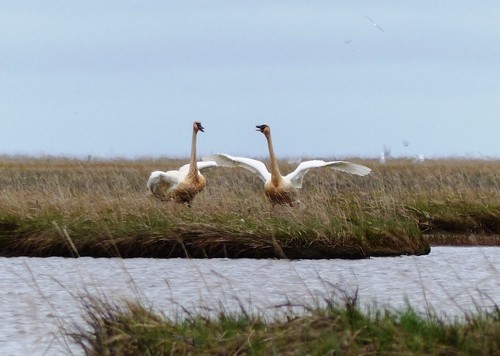
Tundra Swan
115-150 cm (45-59 in) long, about 180 cm wingspan
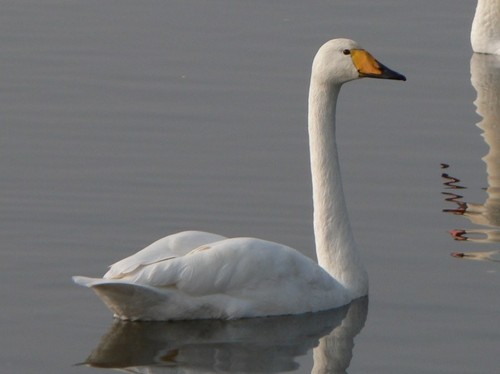
Whooper Swan
140-165 cm (55-65 in) long, 205-235 cm wingspan
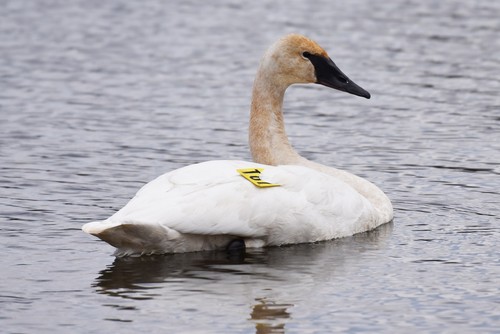
Trumpeter Swan
150-180 cm (59-71 in) long, up to 300 cm wingspan
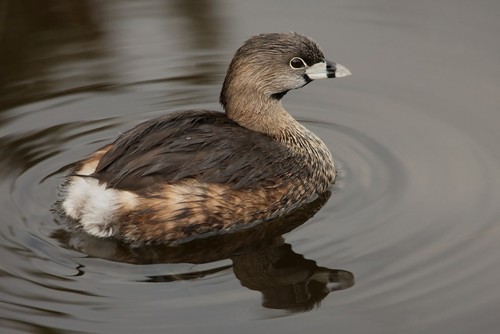
Pied-billed Grebe
31-38 cm (12-15 in) long, 45-62 cm wingspan