
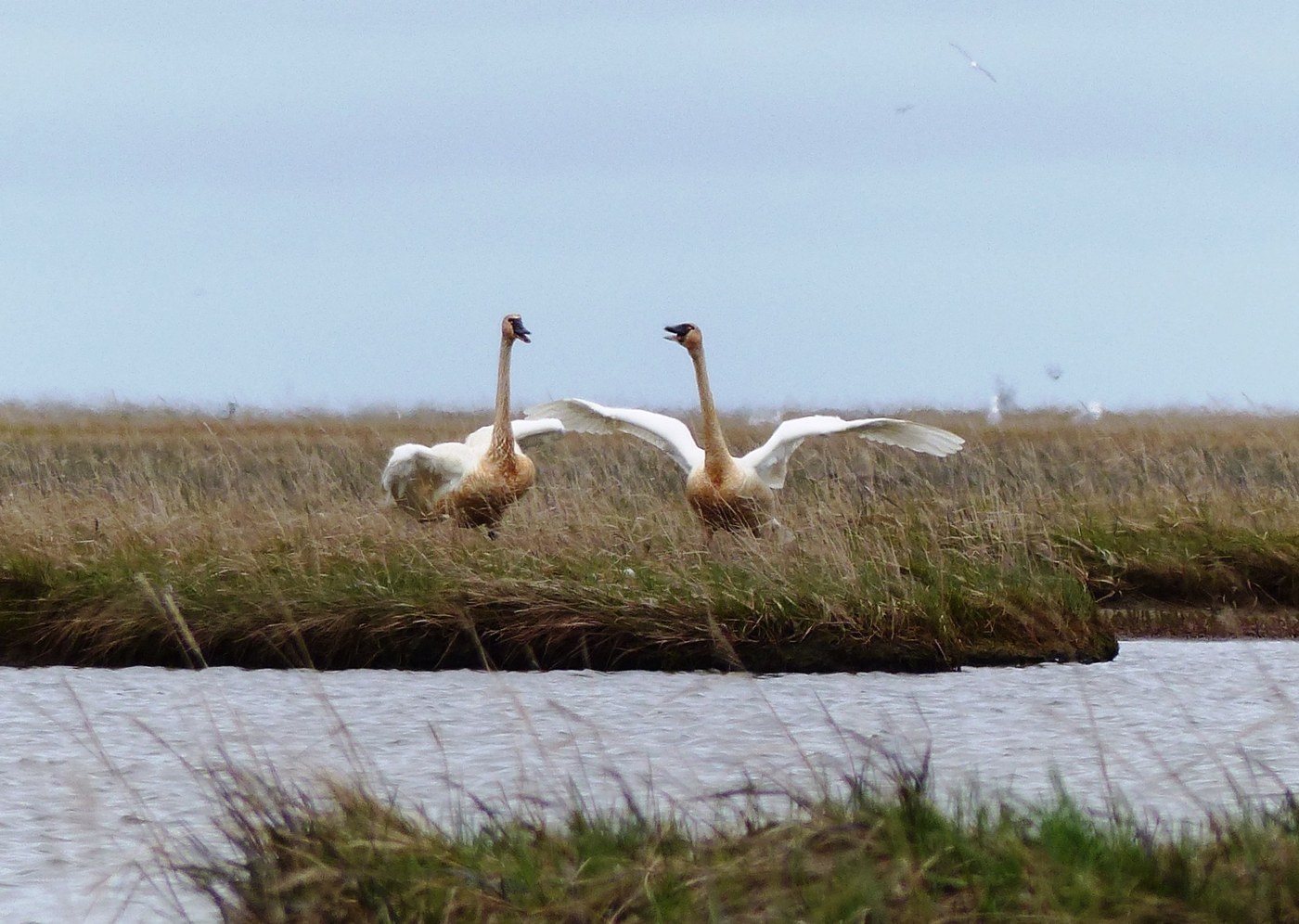
Tundra Swan
Cygnus columbianus
A medium-sized white swan of the Arctic tundra, often showing a small yellow spot near the bill, that winters in large flocks on coastal wetlands.
- Size
- 115-150 cm (45-59 in) long, about 180 cm wingspan
- Habitat
- Arctic tundra ponds and wetlands for breeding; coastal bays, lakes, and agricultural fields in winter
- Type
- waterfowl
Spotted a bird like this?
Identify any bird from a photo, free.
Overview
The Tundra Swan is a medium-sized, all-white swan that breeds on the open tundra of the high Arctic. In North America it was formerly known as the Whistling Swan for its soft, high-pitched calls. Many individuals show a small yellow patch of skin at the base of the black bill just in front of the eye, though this feature is variable and sometimes absent.
The Eurasian population, known as Bewick's Swan, is generally treated as a subspecies with a proportionally larger area of yellow on the bill and is described separately.
How to identify it
Key field marks
- All-white plumage with a straight, moderately long neck
- Mostly black bill, often with a small yellow spot in front of the eye
- Smaller and more compact overall than the Trumpeter Swan
- Rounded head profile
Similar species
- Trumpeter Swan: larger, entirely black bill without yellow, longer sloping bill-to-forehead profile
- Mute Swan: orange bill with a black knob and curved neck
Size and the amount of yellow on the bill (small or absent in Tundra Swan versus none in Trumpeter Swan) are the key distinguishing features between the two similar North American swans.
Habitat & range
Range and habitat
Tundra Swans breed on shallow ponds, lakes, and wet tundra across the high Arctic of North America and Siberia (the Siberian population being Bewick's Swan).
Migration
The species undertakes long migrations to winter in large flocks on coastal bays, estuaries, large lakes, and flooded agricultural fields, with major North American wintering areas including the Chesapeake Bay and California's Central Valley.
Behavior & voice
Behavior
Tundra Swans are highly gregarious in winter, forming large flocks that feed and roost together, often mixing with other waterfowl on shallow lakes and flooded fields.
Voice
Calls are soft, high-pitched, and somewhat mellow, often described as a gentle "whoo-ho" or cooing, quieter and less brassy than the Trumpeter Swan's call.
Feeding
They feed by dabbling and upending in shallow water for aquatic tubers and roots, and increasingly graze on waste grain and sprouting crops in agricultural fields during migration and winter.
Nesting and breeding
Nests are large mounds of vegetation built on the open tundra near water; pairs are monogamous, and cygnets fledge quickly to take advantage of the short Arctic summer before migrating south with their parents.
Frequently asked questions
What was the Tundra Swan formerly called?
In North America it was historically known as the Whistling Swan, a name still sometimes used, referring to its soft call.
How do you identify a Tundra Swan?
Look for an all-white swan with a mostly black bill, often with a small yellow spot in front of the eye, and a size distinctly smaller than a Trumpeter Swan.
Is Bewick's Swan the same species as the Tundra Swan?
Bewick's Swan is generally classified as the Eurasian subspecies of the Tundra Swan, differing mainly in having more extensive yellow on the bill.
Where do Tundra Swans spend the winter?
Major wintering areas include the Chesapeake Bay region and California's Central Valley in North America, where large flocks gather on lakes, estuaries, and flooded fields.
Tundra Swan guides
In-depth guides for identifying, finding, and understanding Tundra Swan.
Other birds you may enjoy
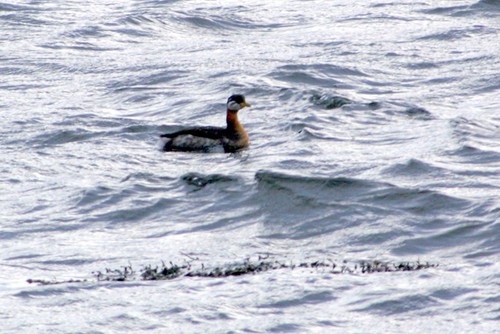
Red-necked Grebe
40-55 cm (16-22 in) long, 77-85 cm wingspan
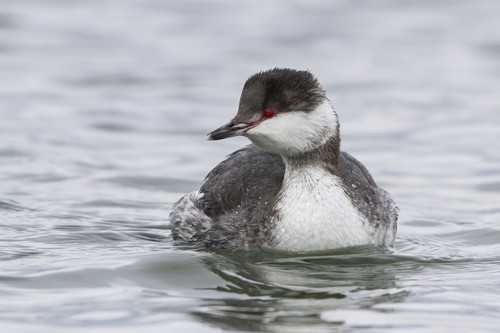
Horned Grebe
31-38 cm (12-15 in) long, 46-55 cm wingspan
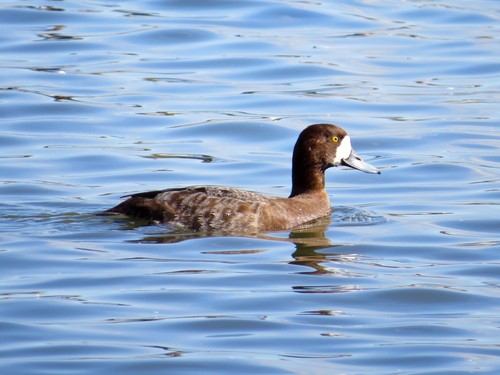
Greater Scaup
42-51 cm (16.5-20 in) long, 71-84 cm wingspan
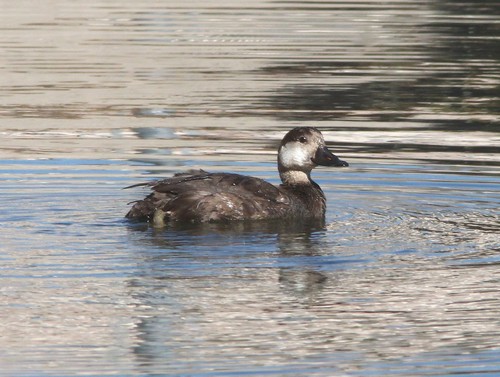
Black Scoter
43-54 cm (17-21 in) long, 79-90 cm wingspan
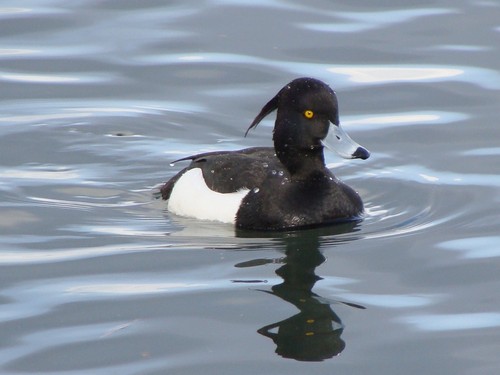
Tufted Duck
40-47 cm (16-18.5 in) long, 67-73 cm wingspan
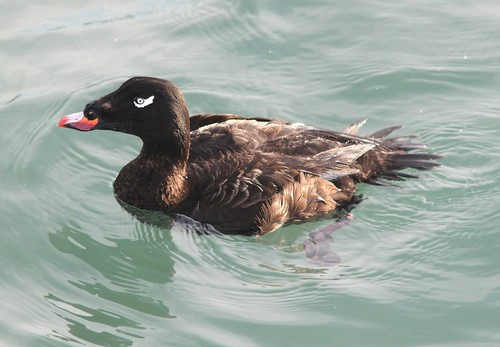
White-winged Scoter
48-58 cm (19-23 in) long, 86-99 cm wingspan
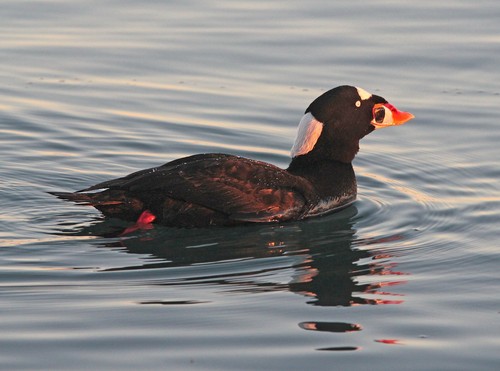
Surf Scoter
45-56 cm (18-22 in) long, 78-92 cm wingspan
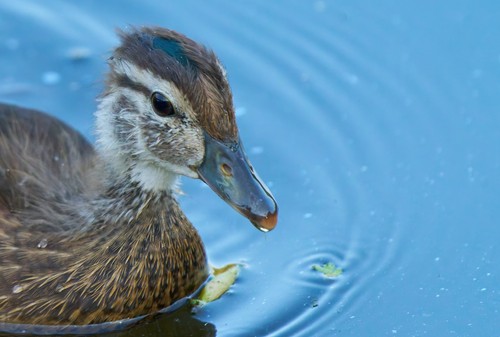
Wood Duck
47-54 cm (18.5-21 in) long, 66-73 cm wingspan
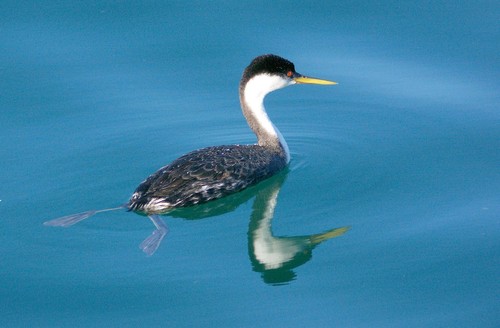
Western Grebe
56-74 cm (22-29 in) long, 79-102 cm wingspan
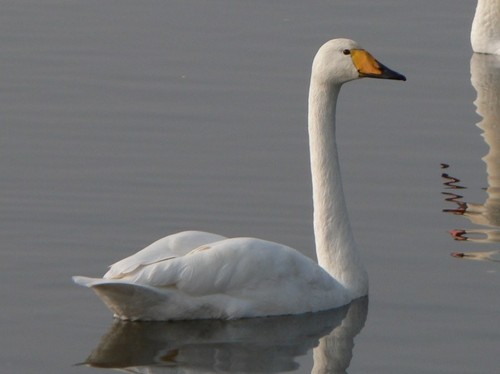
Whooper Swan
140-165 cm (55-65 in) long, 205-235 cm wingspan
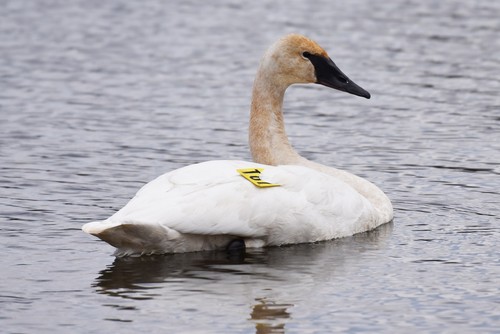
Trumpeter Swan
150-180 cm (59-71 in) long, up to 300 cm wingspan
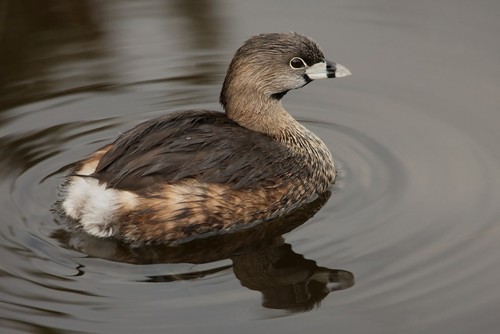
Pied-billed Grebe
31-38 cm (12-15 in) long, 45-62 cm wingspan