
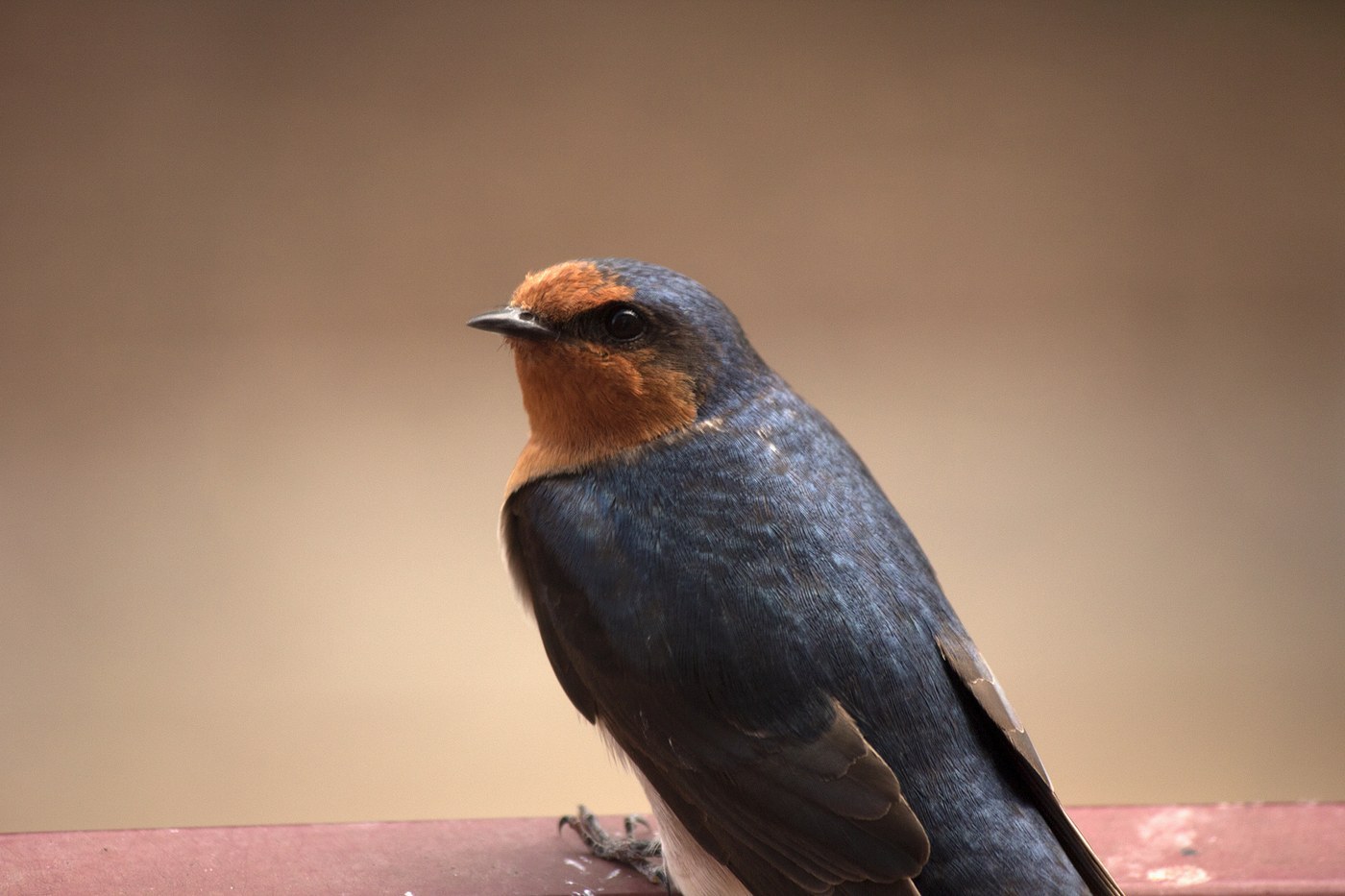
Welcome Swallow
Hirundo neoxena
A glossy blue-black swallow with a rufous forehead and throat, common across Australia and long regarded as a harbinger of spring.
- Size
- 14-15 cm (5.5-6 in) long, about 29 cm wingspan
- Habitat
- open country, farmland, wetlands, and towns; nests on buildings and bridges
- Type
- songbird
Spotted a bird like this?
Identify any bird from a photo, free.
Overview
The Welcome Swallow is a small, streamlined aerial insectivore familiar across much of Australia, easily recognised by its glossy dark blue-black upperparts, rusty-orange forehead and throat, and pale grey-white underparts. Its long, deeply forked tail with white spots on the outer feathers gives it exceptional agility in flight.
Sexes look alike, and juveniles are duller with shorter tail streamers. The species has expanded its range considerably over the past century, colonising New Zealand and moving into new parts of Australia, closely tracking the spread of human settlement, farm dams, and buildings that provide nesting sites.
Its common name reflects the folk belief that the swallow's return each year heralds the start of spring, and it remains one of the most familiar and well-loved small birds around Australian homesteads, sheds, and bridges.
How to identify it
Key field marks
- Small, sleek bird with long pointed wings and a deeply forked tail
- Glossy blue-black crown, back, and wings
- Rufous-orange forehead and throat
- Pale grey-buff underparts
- White spots visible on the tail when fanned in flight
Similar species
The Fairy Martin and Tree Martin, which often fly in mixed flocks with Welcome Swallows, are smaller, lack the long tail streamers, and have squarer tails; the Fairy Martin also has a pale rufous rump and white underparts without the swallow's orange throat. The Barn Swallow, a rare visitor to northern Australia, is very similar but has a narrower blue-black breast band separating the orange throat from white underparts, a feature the Welcome Swallow lacks.
Habitat & range
Habitat
Welcome Swallows favour open habitats near water or human structures, including farmland, wetlands, coastal areas, parks, and urban and suburban areas, wherever eaves, bridges, culverts, or cliffs provide nest sites.
Range
The species is widespread across mainland Australia and Tasmania, and has self-introduced to New Zealand, where it is now well established.
Migration
Southeastern populations are partially migratory, with many birds moving north in autumn to spend winter in northern Australia before returning south in spring, while populations in warmer regions are largely sedentary.
Behavior & voice
Behavior
Welcome Swallows are highly aerial, spending much of the day on the wing in graceful, swooping flight low over water, grass, or open ground as they hunt.
Voice
Their call is a soft, pleasant twittering chatter, often given in flight or from perches on wires and fences; the song is a more sustained, warbling twitter.
Feeding
They feed exclusively on flying insects, caught in agile aerial sallies, often low over water, paddocks, or in the wake of livestock and machinery that disturb insects into flight.
Nesting and breeding
Nests are open, mud-and-grass cups built against a vertical surface under an overhang, such as eaves, bridges, culverts, or rock ledges, often reused and refurbished across seasons. Pairs may raise two or more broods in a season, with both parents feeding the young.
Frequently asked questions
Why is it called the Welcome Swallow?
Its name comes from the traditional belief that its return each year signals the arrival of spring, making it a welcome sight.
Where do Welcome Swallows build their nests?
They build open mud-and-grass cup nests against vertical surfaces under overhangs such as eaves, verandas, bridges, and culverts.
Do Welcome Swallows migrate?
Southern populations are partially migratory, moving north for winter, while birds in warmer parts of Australia tend to stay put year-round.
What do Welcome Swallows eat?
They feed entirely on flying insects caught in flight.
How can I tell a Welcome Swallow from a martin?
Welcome Swallows have a longer, deeply forked tail and an orange throat, while martins have shorter, squarer tails and lack the orange throat.
Welcome Swallow guides
In-depth guides for identifying, finding, and understanding Welcome Swallow.
Other birds you may enjoy
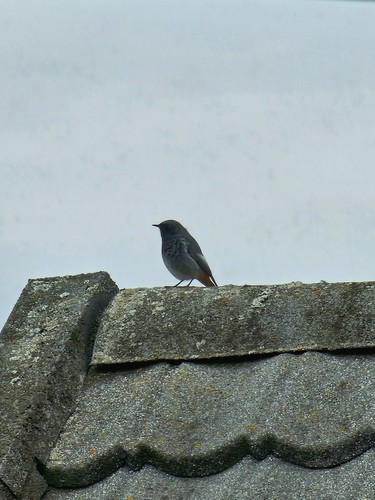
Black Redstart
13-14.5 cm (5.1-5.7 in) long, 23-26 cm wingspan
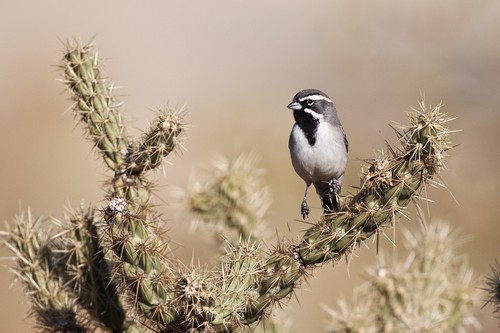
Black-throated Sparrow
12-14 cm (4.7-5.5 in) long, about 19-20 cm (7.5-8 in) wingspan
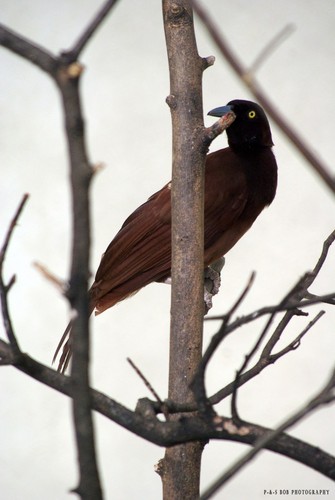
Greater Bird-of-paradise
Body about 43 cm; males with additional flank plumes up to 50 cm and long tail wires
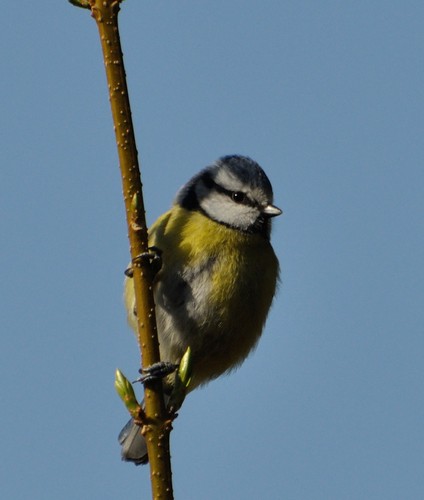
Blue Tit
11-12 cm (4.3-4.7 in) long, 17-20 cm wingspan
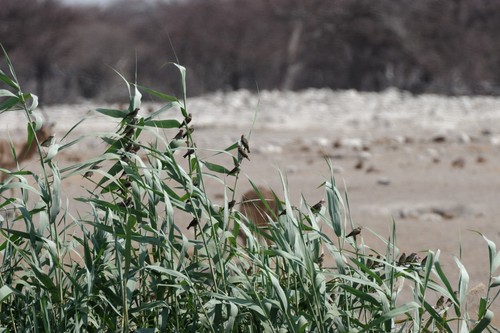
Red-billed Quelea
11.5–13 cm long, wingspan about 20–22 cm
White-plumed Antbird
13-14 cm (5-5.5 in) long
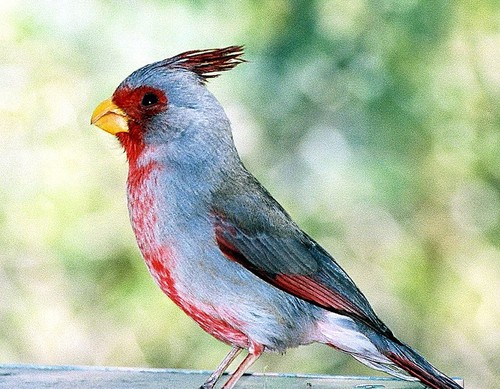
Pyrrhuloxia
19-22 cm (7.5-8.7 in) long, 30 cm wingspan
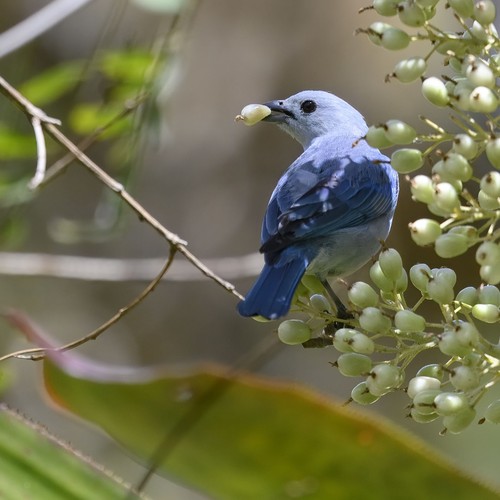
Blue-gray Tanager
16-18 cm (6-7 in) long
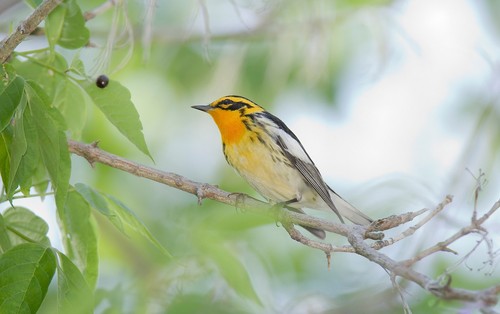
Blackburnian Warbler
11-13 cm (4.3-5.1 in) long, 20-22 cm wingspan
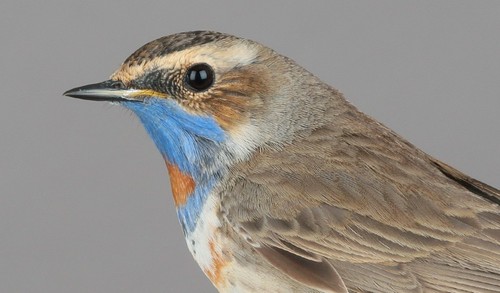
Bluethroat
13-14 cm (5.1-5.5 in) long, 20-22 cm wingspan
Eurasian Nuthatch
12-14.5 cm (4.7-5.7 in) long, 22.5-27 cm wingspan
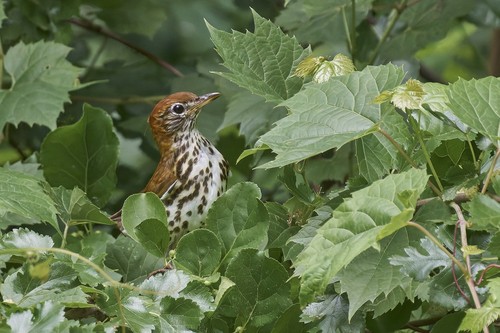
Wood Thrush
19-21 cm (7.5-8.3 in) long, about 33 cm (13 in) wingspan