
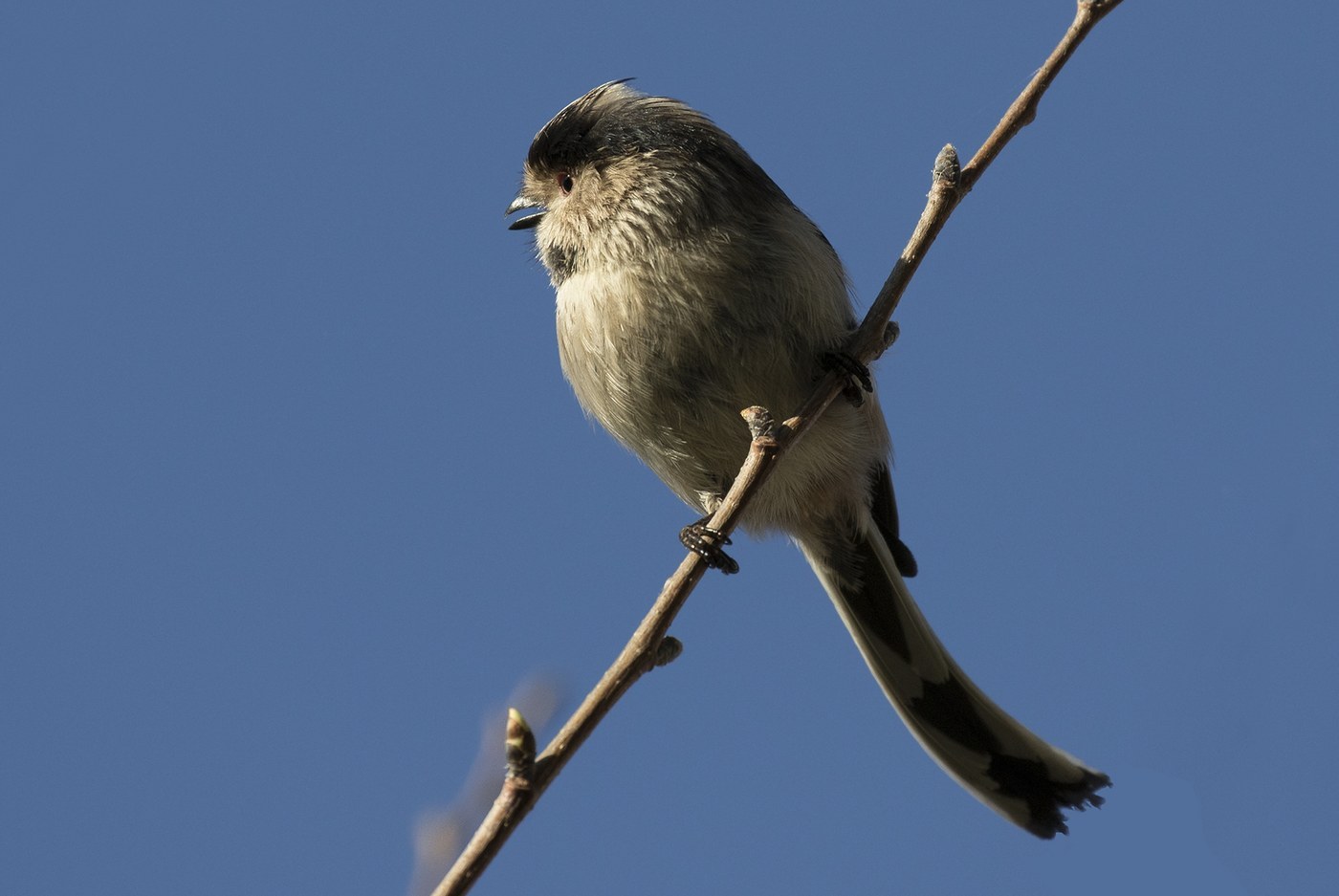
Long-tailed Tit
Aegithalos caudatus
A tiny, round-bodied songbird with an extremely long tail and soft pink, black, and white plumage, usually seen in noisy roving flocks.
- Size
- 13-15 cm (5-6 in) long including tail, 16-19 cm wingspan
- Habitat
- woodland edges, hedgerows, scrub, and gardens
- Type
- songbird
Spotted a bird like this?
Identify any bird from a photo, free.
Overview
The Long-tailed Tit is an unmistakable, distinctive small bird with a tiny round body, a stubby dark bill, and a strikingly long tail that can make up more than half its total length. Plumage is soft black, white, and pale pink, with variation between subspecies in the extent of pink on the flanks and the darkness of the head markings.
Highly social throughout the year, Long-tailed Tits move through woodland and hedgerows in tight, chattering family flocks, keeping in constant contact with soft calls as they forage together.
How to identify it
Key field marks
- Tiny round body with an extremely long, narrow tail
- Black, white, and soft pink plumage
- Stubby black bill
- Almost always seen in small, active, noisy flocks
Similar species
- No other common European songbird shares this combination of a tiny round body and such a long tail; unmistakable once seen well.
Habitat & range
Habitat
Found in woodland edges, hedgerows, scrub, and gardens with dense shrubby cover.
Range
Widespread across Europe and temperate Asia.
Migration
Mostly resident, though flocks may wander locally outside the breeding season in search of food.
Behavior & voice
Behavior
Travels in tight family flocks of up to 20 or more birds, moving together through trees and shrubs while constantly calling to stay in contact; roosts huddled together in a line for warmth in cold weather.
Voice
A distinctive high, thin, trilling "tsirrrp" and a sharp "tupp" contact call, kept up almost continuously by flock members.
Feeding
Gleans small insects and spiders from twigs and foliage, supplementing with seeds in colder months.
Nesting
Builds an elaborate, domed, elastic nest of moss, lichen, spider silk, and feathers, often camouflaged in a gorse bush or tree fork; lays 6-12 tiny white eggs with fine reddish speckling.
Frequently asked questions
How can you identify a Long-tailed Tit?
Look for a tiny round black, white, and pink bird with a tail longer than its body, almost always seen moving in a small, chattering flock.
Why are Long-tailed Tits usually seen in groups?
They are highly social year-round, traveling in family flocks for foraging efficiency and safety, and huddling together to conserve heat while roosting in winter.
What kind of nest does a Long-tailed Tit build?
An elaborate, domed, elastic nest woven from moss, lichen, and spider silk and lined with feathers, camouflaged within dense shrubs or tree forks.
What do Long-tailed Tits eat?
Mostly small insects and spiders gleaned from twigs and foliage, with some seeds eaten in winter.
Long-tailed Tit guides
In-depth guides for identifying, finding, and understanding Long-tailed Tit.
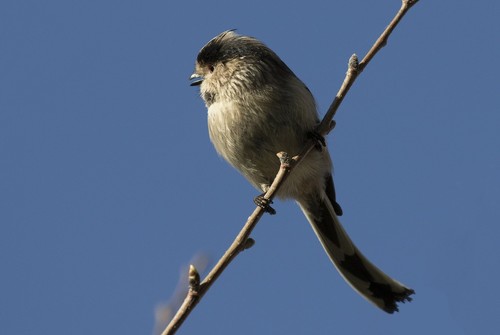
Other birds you may enjoy
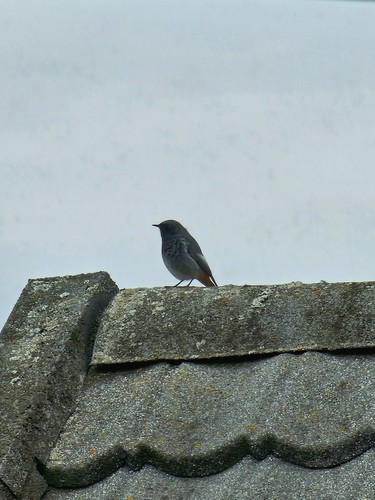
Black Redstart
13-14.5 cm (5.1-5.7 in) long, 23-26 cm wingspan
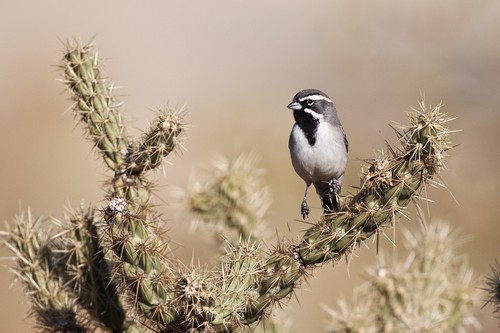
Black-throated Sparrow
12-14 cm (4.7-5.5 in) long, about 19-20 cm (7.5-8 in) wingspan
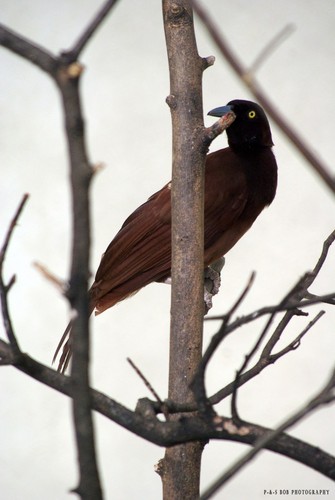
Greater Bird-of-paradise
Body about 43 cm; males with additional flank plumes up to 50 cm and long tail wires
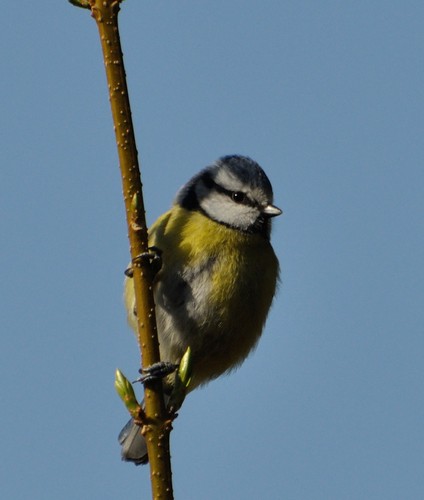
Blue Tit
11-12 cm (4.3-4.7 in) long, 17-20 cm wingspan

Red-billed Quelea
11.5–13 cm long, wingspan about 20–22 cm
White-plumed Antbird
13-14 cm (5-5.5 in) long
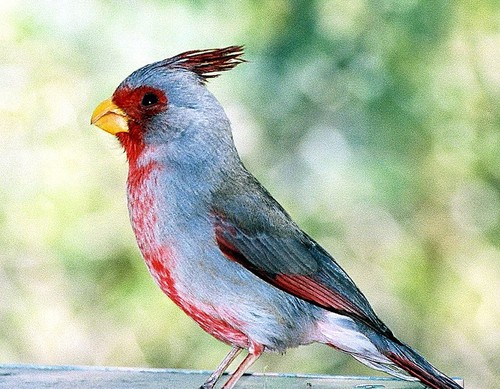
Pyrrhuloxia
19-22 cm (7.5-8.7 in) long, 30 cm wingspan
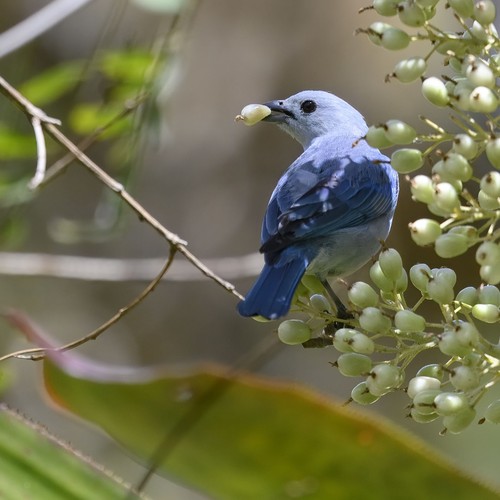
Blue-gray Tanager
16-18 cm (6-7 in) long
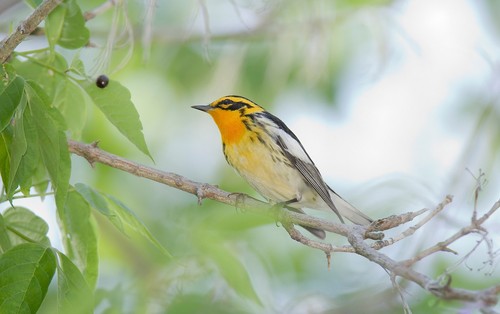
Blackburnian Warbler
11-13 cm (4.3-5.1 in) long, 20-22 cm wingspan
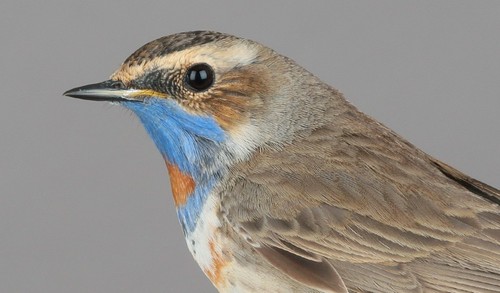
Bluethroat
13-14 cm (5.1-5.5 in) long, 20-22 cm wingspan
Eurasian Nuthatch
12-14.5 cm (4.7-5.7 in) long, 22.5-27 cm wingspan
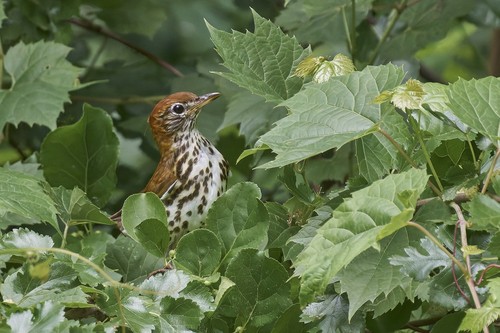
Wood Thrush
19-21 cm (7.5-8.3 in) long, about 33 cm (13 in) wingspan