
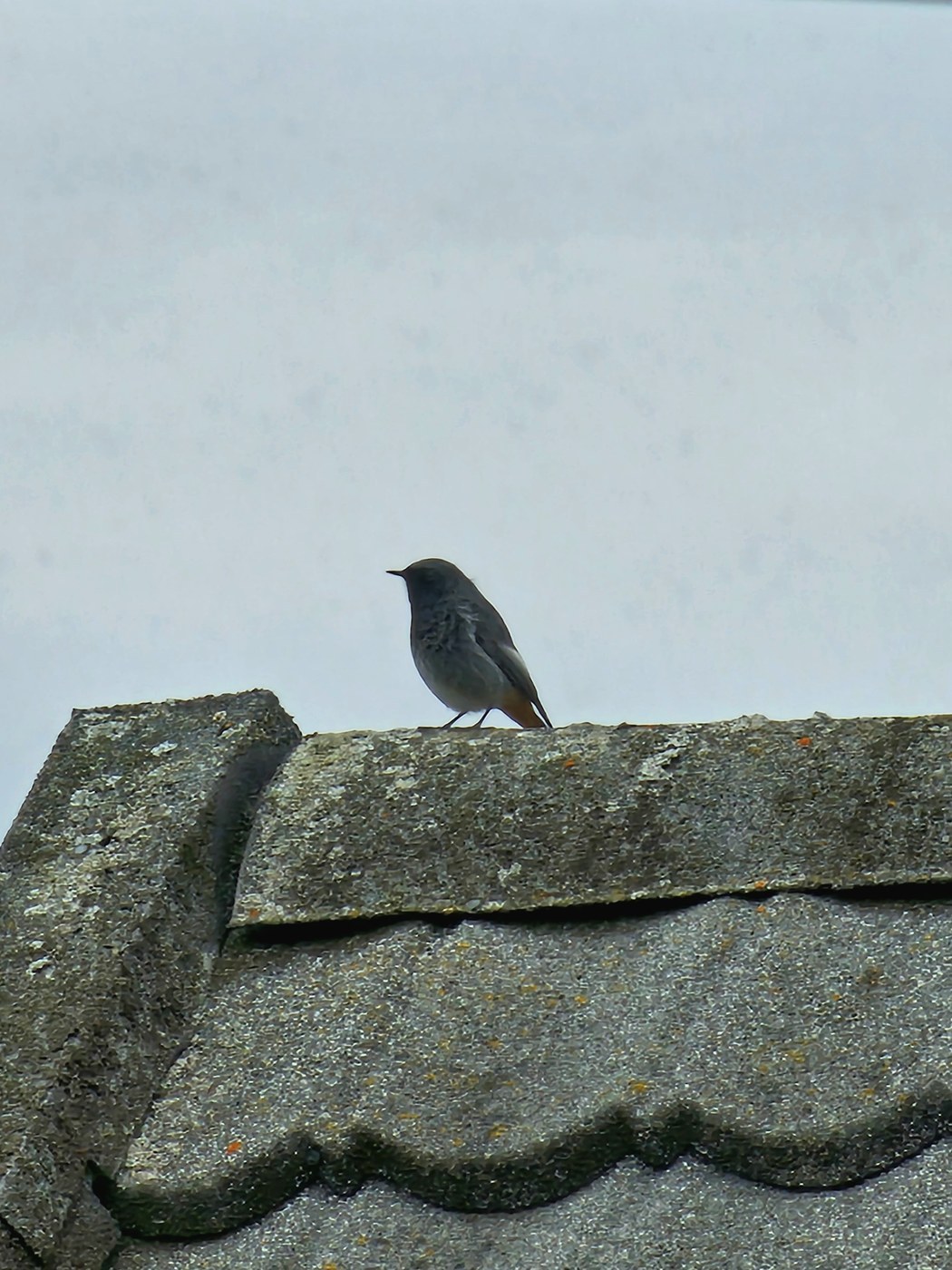
Black Redstart
Phoenicurus ochruros
A dusky, rock-loving chat that has adapted well to towns and industrial sites, the male dark sooty-grey with a constantly quivering rust-red tail.
- Size
- 13-14.5 cm (5.1-5.7 in) long, 23-26 cm wingspan
- Habitat
- rocky terrain, cliffs, quarries, and increasingly urban and industrial sites
- Type
- songbird
Spotted a bird like this?
Identify any bird from a photo, free.
Overview
The Black Redstart is a hardy chat originally associated with rocky mountain and cliff habitats, but which has successfully colonized urban and industrial environments across much of its European range, nesting on buildings, quarries, and derelict sites that mimic its natural rocky habitat.
Appearance
Males are predominantly dark sooty-grey to blackish, with a rusty-orange tail (constantly quivered, like other redstarts) and, in some populations, a white wing patch. Females and immatures are duller grey-brown overall, lacking the male's dark tones, but retain the diagnostic rust-red tail.
How to identify it
Key Field Marks
- Dark sooty-grey to blackish plumage in males, without an orange breast
- Rust-orange tail, constantly quivered — shared by both sexes
- Some males/populations show a white wing patch
- Females: plain grey-brown with the same rufous tail
- Frequently found on buildings, walls, rooftops, and rocky ground rather than trees
Similar Species
Common Redstart males have a grey back and a bright orange breast, quite different from the uniformly dark Black Redstart male, and favor wooded habitats rather than rocky or urban sites. Female Common Redstarts are warmer and paler-breasted than female Black Redstarts, which appear more uniformly grey-brown.
Habitat & range
Habitat
Originally a bird of rocky mountain slopes, cliffs, and scree, the Black Redstart has adapted remarkably well to human-modified environments that offer similar structural features — quarries, industrial sites, railway yards, and urban buildings with ledges and crevices for nesting.
Range and Migration
The species breeds widely across southern, central, and western Europe and into Asia. Populations in milder regions, including many urban and southern European birds, are resident or short-distance migrants, while more northerly and continental populations move south to winter around the Mediterranean and in parts of Africa and the Middle East.
Behavior & voice
Behavior
Black Redstarts often perch prominently on rooftops, walls, or rocky outcrops, frequently quivering the bright tail, and sally out to catch insects in flight or drop to the ground to seize prey, much like the Common Redstart.
Voice
The song is a short, scratchy warble that often includes a distinctive brief burst resembling crumpling paper or crackling static, delivered from a rooftop or high perch — a useful identification clue in urban settings. The call is a sharp "tsip" or a hard "tucc."
Nesting and Breeding
Nests are built in crevices, holes in walls or rock faces, or ledges on buildings, a cup of grass and moss lined with hair and feathers, reflecting the species' original cliff- and crag-nesting habits transferred to artificial structures. The female lays 4-6 eggs and incubates them for about 12-17 days.
Frequently asked questions
Why are Black Redstarts often found in cities?
Their ancestral habitat of rocky cliffs, scree, and crags closely resembles the ledges, walls, and rubble of urban and industrial sites, which the species has readily adapted to use for nesting and foraging.
How do you tell a male Black Redstart from a male Common Redstart?
The Black Redstart male is dark sooty-grey to blackish overall without an orange breast, while the Common Redstart male has a blue-grey back and a bright orange-red breast; both share the quivering rust-red tail.
What does the Black Redstart's song sound like?
A short, scratchy warble that often includes a brief crackling or static-like burst, distinctive and often heard from rooftops in urban areas.
Do Black Redstarts migrate?
Populations vary — many in milder, southern, and urban areas are resident or short-distance migrants, while birds from colder, more continental parts of the range migrate further south for winter.
Black Redstart guides
In-depth guides for identifying, finding, and understanding Black Redstart.
Other birds you may enjoy
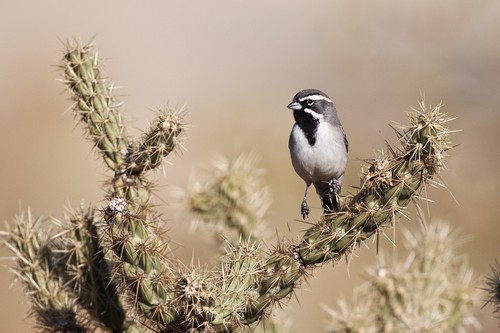
Black-throated Sparrow
12-14 cm (4.7-5.5 in) long, about 19-20 cm (7.5-8 in) wingspan
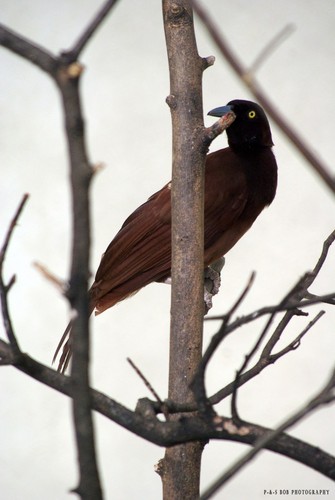
Greater Bird-of-paradise
Body about 43 cm; males with additional flank plumes up to 50 cm and long tail wires
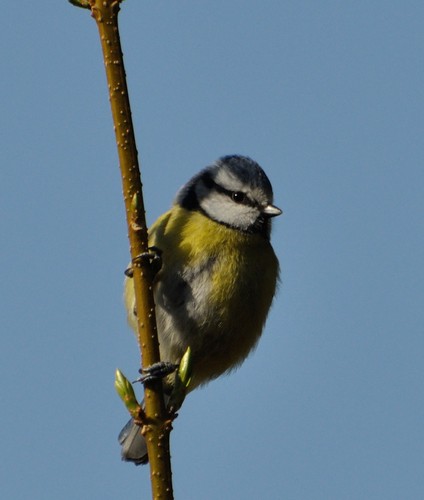
Blue Tit
11-12 cm (4.3-4.7 in) long, 17-20 cm wingspan
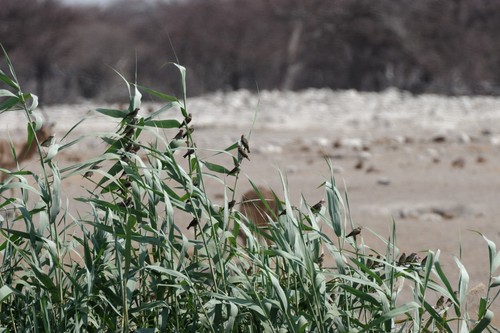
Red-billed Quelea
11.5–13 cm long, wingspan about 20–22 cm
White-plumed Antbird
13-14 cm (5-5.5 in) long
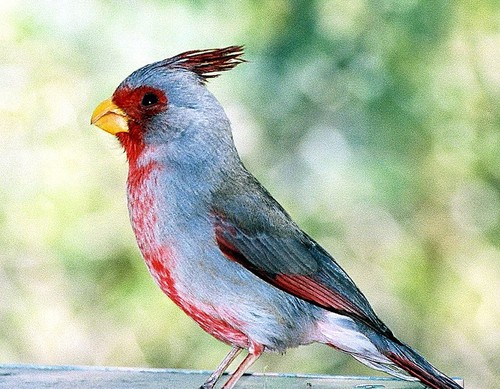
Pyrrhuloxia
19-22 cm (7.5-8.7 in) long, 30 cm wingspan
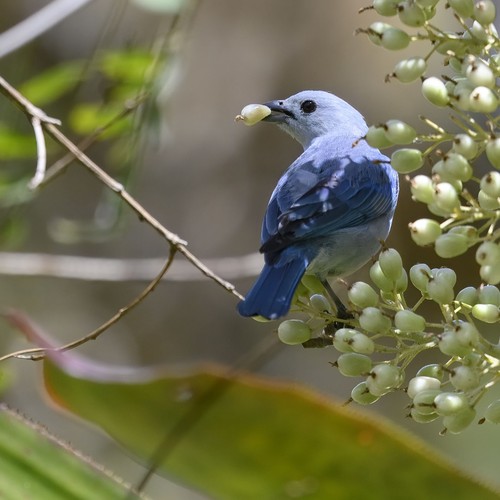
Blue-gray Tanager
16-18 cm (6-7 in) long
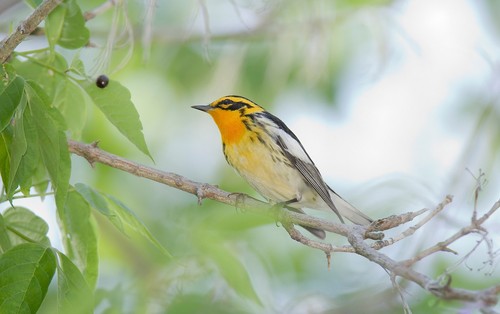
Blackburnian Warbler
11-13 cm (4.3-5.1 in) long, 20-22 cm wingspan
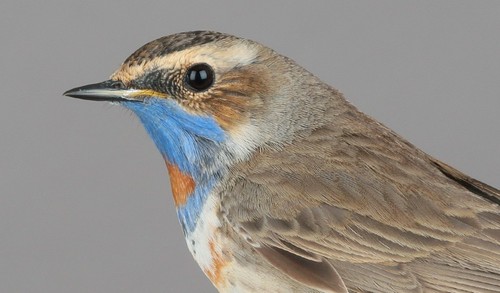
Bluethroat
13-14 cm (5.1-5.5 in) long, 20-22 cm wingspan
Eurasian Nuthatch
12-14.5 cm (4.7-5.7 in) long, 22.5-27 cm wingspan
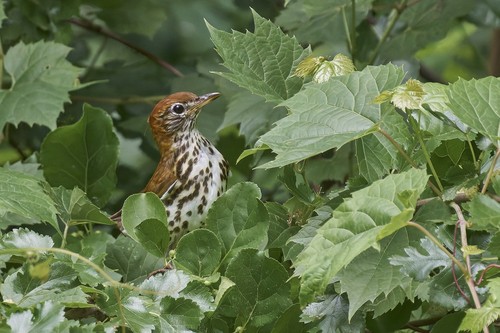
Wood Thrush
19-21 cm (7.5-8.3 in) long, about 33 cm (13 in) wingspan
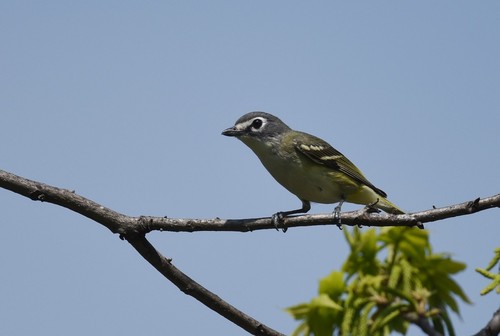
Blue-headed Vireo
12-14 cm (5-5.5 in) long, 21-25 cm wingspan