
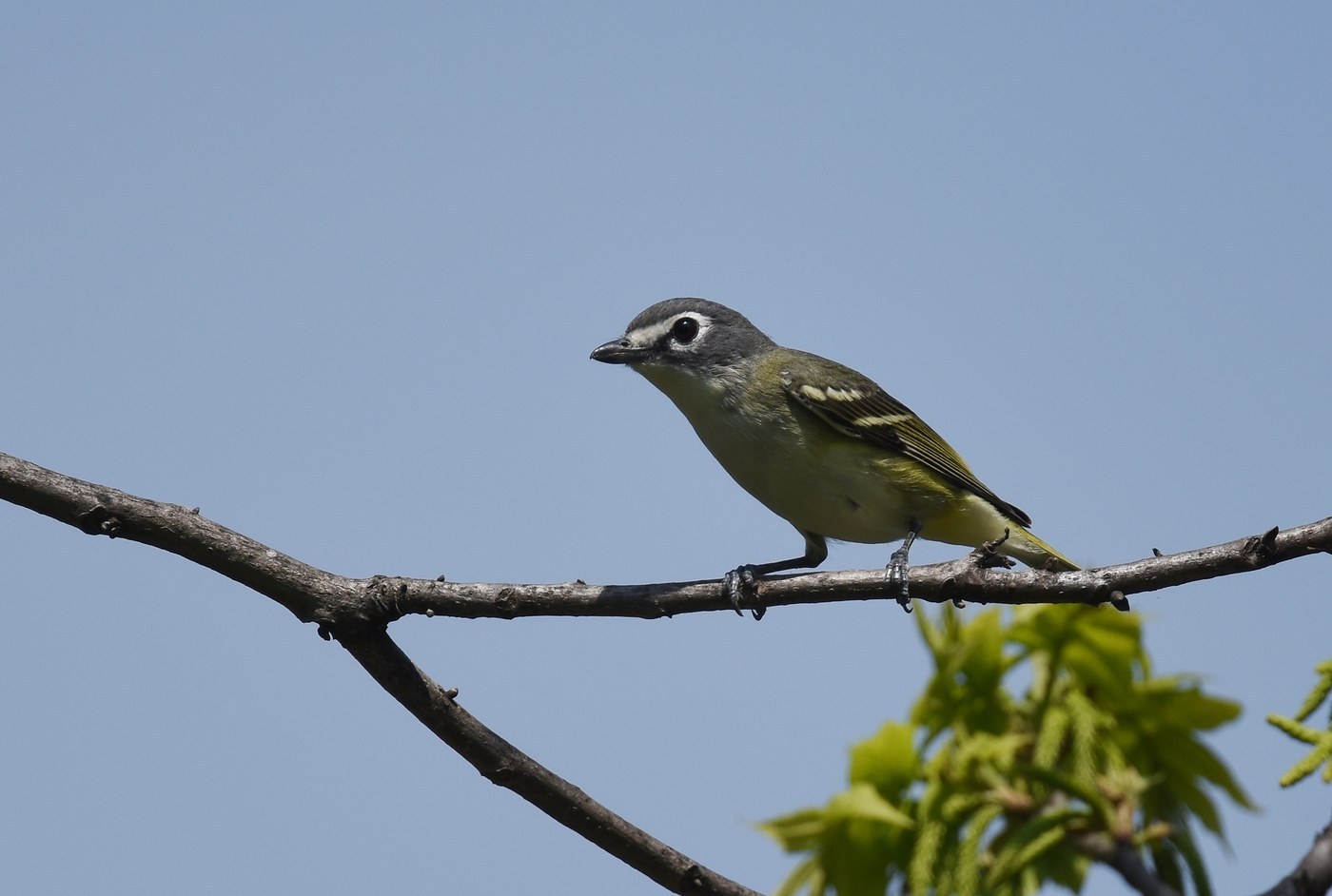
Blue-headed Vireo
Vireo solitarius
A crisply marked eastern vireo with a blue-gray head, bold white spectacles, and a slow, sweet, warbling song.
- Size
- 12-14 cm (5-5.5 in) long, 21-25 cm wingspan
- Habitat
- mixed and coniferous forests of eastern North America
- Type
- songbird
Spotted a bird like this?
Identify any bird from a photo, free.
Overview
The Blue-headed Vireo is one of the most attractively marked vireos, with a blue-gray head that contrasts sharply against a white throat, bold white "spectacles" formed by a broken eye-ring and lores, an olive-green back, and white underparts washed with pale yellow on the flanks. Two white wing bars complete the look.
Formerly lumped with Cassin's and Plumbeous Vireos as the "Solitary Vireo," it was split into three species based on differences in plumage, voice, and range. Blue-headed Vireo breeds farther east and north than its two western relatives.
How to identify it
Key field marks
- Blue-gray head sharply contrasting with a clean white throat
- Bold white spectacles
- Olive-green back, two white wing bars
- Pale yellow flanks
Similar species
- Cassin's Vireo: duller, grayer-green head with less contrast against the throat; western range.
- Plumbeous Vireo: overall gray, lacking olive tones; western/interior range.
- Red-eyed Vireo: lacks spectacles, has a bold white eyebrow instead and a plainer face.
Habitat & range
Range and habitat
Blue-headed Vireo breeds in mixed and coniferous forests across eastern Canada, New England, the Appalachians, and the upper Midwest, typically favoring stands with a hemlock, pine, or spruce component.
Migration
Migrates to the southeastern United States, Mexico, and Central America for winter; it is often the earliest vireo to arrive in spring and one of the last to depart in fall.
Behavior & voice
Behavior
Forages deliberately through the mid-canopy, gleaning insects from foliage and occasionally hover-gleaning; noticeably slower and more methodical than warblers foraging nearby.
Voice
A slow, sweet, warbled series of short phrases, similar in structure to Red-eyed Vireo's song but slower-paced and sweeter in tone.
Feeding
Insects and caterpillars gleaned from foliage during the breeding season; berries and small fruit become more important in fall and winter.
Nesting and breeding
Builds a hanging cup nest in a fork of a branch, often in a conifer. The female incubates 3-5 eggs for about 2 weeks, with both parents caring for the young.
Frequently asked questions
What is the difference between Blue-headed, Cassin's, and Plumbeous Vireos?
These three species were once considered one, the 'Solitary Vireo.' Blue-headed has a blue-gray head sharply contrasting with a white throat and olive back; Cassin's is duller and grayer-green; Plumbeous is entirely gray with no olive tones.
Where does the Blue-headed Vireo breed?
In mixed and coniferous forests of eastern Canada, New England, the Appalachian Mountains, and the upper Midwest.
What does a Blue-headed Vireo eat?
Mainly insects and caterpillars gleaned from foliage, plus berries in fall and winter.
How can I recognize a Blue-headed Vireo's song?
It sings slow, sweet, short warbled phrases with pauses between them, similar to a Red-eyed Vireo but slower and sweeter.
Blue-headed Vireo guides
In-depth guides for identifying, finding, and understanding Blue-headed Vireo.
Other birds you may enjoy
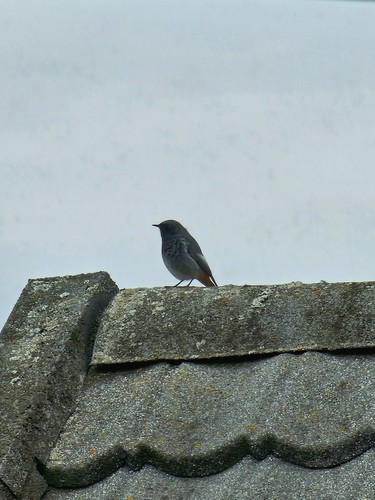
Black Redstart
13-14.5 cm (5.1-5.7 in) long, 23-26 cm wingspan
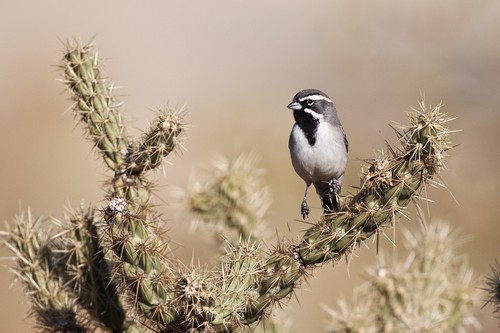
Black-throated Sparrow
12-14 cm (4.7-5.5 in) long, about 19-20 cm (7.5-8 in) wingspan
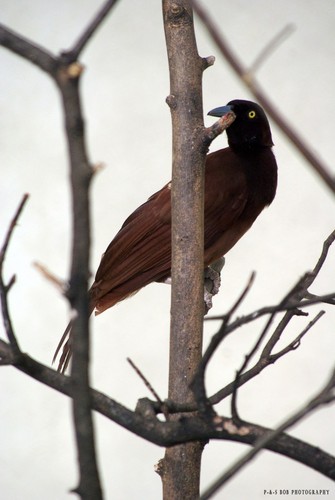
Greater Bird-of-paradise
Body about 43 cm; males with additional flank plumes up to 50 cm and long tail wires
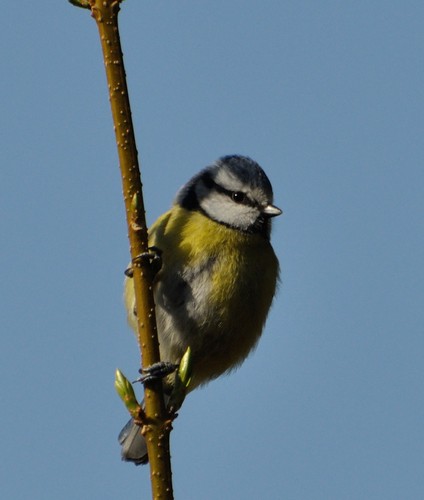
Blue Tit
11-12 cm (4.3-4.7 in) long, 17-20 cm wingspan
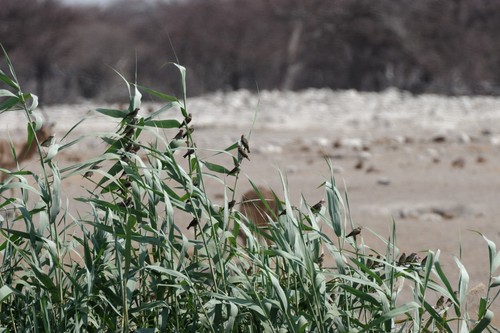
Red-billed Quelea
11.5–13 cm long, wingspan about 20–22 cm
White-plumed Antbird
13-14 cm (5-5.5 in) long
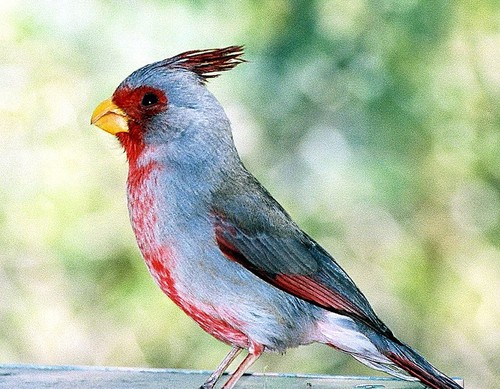
Pyrrhuloxia
19-22 cm (7.5-8.7 in) long, 30 cm wingspan
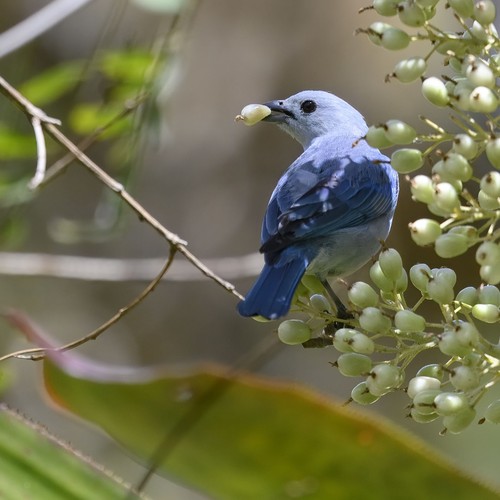
Blue-gray Tanager
16-18 cm (6-7 in) long
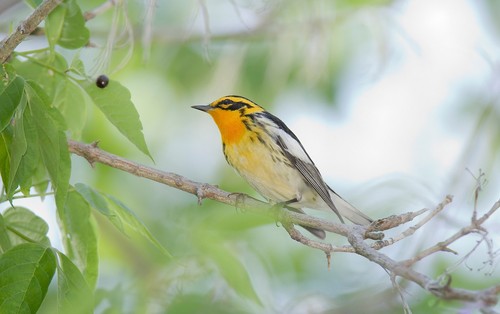
Blackburnian Warbler
11-13 cm (4.3-5.1 in) long, 20-22 cm wingspan
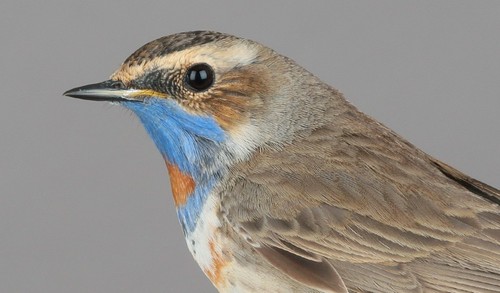
Bluethroat
13-14 cm (5.1-5.5 in) long, 20-22 cm wingspan
Eurasian Nuthatch
12-14.5 cm (4.7-5.7 in) long, 22.5-27 cm wingspan
Wood Thrush
19-21 cm (7.5-8.3 in) long, about 33 cm (13 in) wingspan