
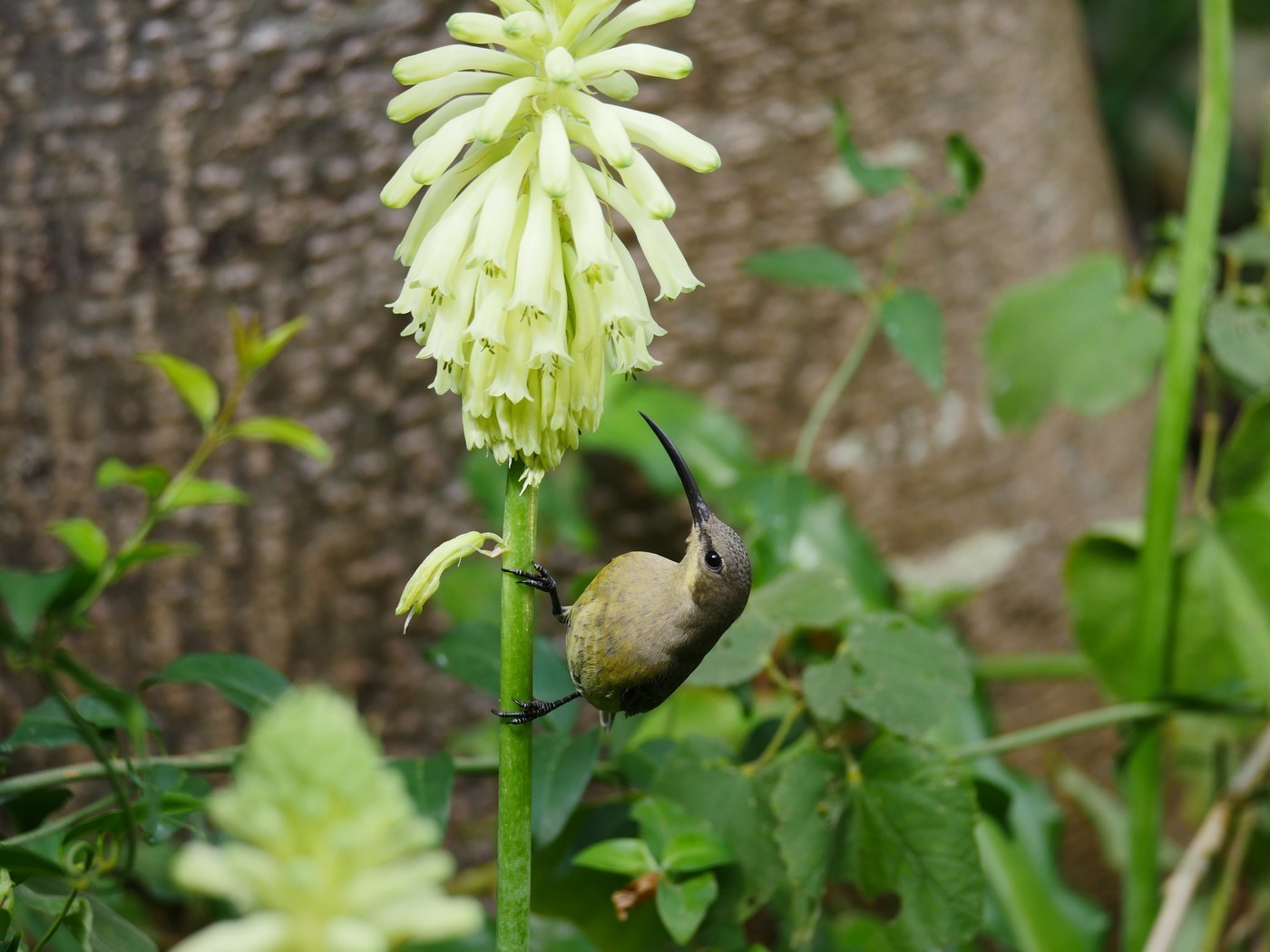
Malachite Sunbird
Cinnyris famosus
A dazzling metallic-green sunbird of African highlands, with breeding males trailing long tail streamers as they feed on nectar-rich Proteas and aloes.
- Size
- Body about 15 cm; breeding male with tail streamers up to about 25 cm overall
- Habitat
- Afromontane grassland, fynbos, and highland scrub with flowering plants
- Type
- songbird
Spotted a bird like this?
Identify any bird from a photo, free.
Overview
The Malachite Sunbird is one of the largest and most striking sunbirds of Africa, found in mountainous and highland regions from Ethiopia south to the Cape of South Africa. Breeding males are entirely iridescent metallic green, with the color shifting between emerald and gold-green depending on the light, and sport elongated central tail feathers that add considerably to their length.
Outside the breeding season, males molt into an eclipse plumage that is largely dull brown-olive with a mix of scattered iridescent green feathers, resembling the female but retaining patches of metallic color. Females are dull greyish-olive above and yellowish below, streaked, and lack tail streamers.
The species is strongly associated with flowering plants such as Proteas, Aloes, and Leonotis, which provide much of its nectar diet.
How to identify it
Key field marks
- Breeding male: overall iridescent metallic green, large size for a sunbird, and long central tail streamers
- Non-breeding (eclipse) male: dull brownish-olive with patches of retained green iridescence
- Female: greyish-olive above, yellowish and streaked below, no tail streamers
- Long, slender, strongly decurved bill typical of sunbirds
Similar species
- Bronzy Sunbird is similar in size and shape but shows bronzy-purple rather than pure green iridescence and a different tail shape.
- Smaller green sunbirds, such as Greater Double-collared Sunbird, lack the large size and elongated tail streamers of the breeding male Malachite Sunbird.
- Female and eclipse male can be confused with other large brownish sunbirds; range, elevation, and habitat (open highland scrub) help narrow identification.
Habitat & range
Range
Found in eastern and southern Africa, from Ethiopia and South Sudan south through Kenya, Uganda, Tanzania, Malawi, Zambia, Zimbabwe, and into South Africa, including the Cape region.
Habitat
Inhabits Afromontane grassland, moorland, fynbos, and highland scrub, especially areas with abundant flowering plants such as Proteas and Aloes, typically at higher elevations than many other sunbird species.
Movements
Largely resident, though it may make local altitudinal movements or shift locally in response to the flowering season of key nectar plants.
Behavior & voice
Behavior
Often seen perched conspicuously on tall flower stalks or shrubs, defending nectar-rich territories, especially around stands of Protea or Aloe in bloom. Can be aggressive toward other nectar feeders competing for the same food source.
Voice
Gives a bright, high-pitched, twittering song along with sharp metallic chip calls, often delivered from an exposed perch.
Feeding
Feeds primarily on nectar taken from tubular flowers using its long, curved bill and brush-tipped tongue, and also catches small insects and spiders, especially for feeding young.
Nesting and breeding
Builds an oval, domed nest of grass, plant down, and spider web, usually suspended from a shrub or low tree branch, with a side entrance often shaded by an overhanging hood. The female typically builds the nest and incubates the eggs, while breeding timing often aligns with peak flowering of key nectar sources.
Frequently asked questions
How do you identify a Malachite Sunbird?
Breeding males are entirely iridescent metallic green with long central tail streamers; females and non-breeding males are duller olive-brown and streaked below, without the long tail.
Where does the Malachite Sunbird live?
It lives in mountainous and highland habitats across eastern and southern Africa, from Ethiopia to South Africa.
What does a Malachite Sunbird eat?
It feeds mainly on flower nectar, especially from Proteas and Aloes, and also eats small insects and spiders.
Why do Malachite Sunbirds have long tails?
Breeding males grow elongated central tail feathers as a seasonal ornamental trait, likely shaped by mate selection, which are shed outside the breeding season.
How can you tell a male from a female Malachite Sunbird?
Breeding males are solid iridescent green with long tail streamers, while females are duller greyish-olive with yellowish, streaked underparts and no elongated tail.
Malachite Sunbird guides
In-depth guides for identifying, finding, and understanding Malachite Sunbird.
Other birds you may enjoy
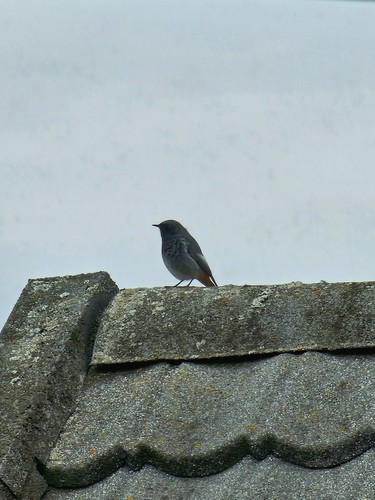
Black Redstart
13-14.5 cm (5.1-5.7 in) long, 23-26 cm wingspan
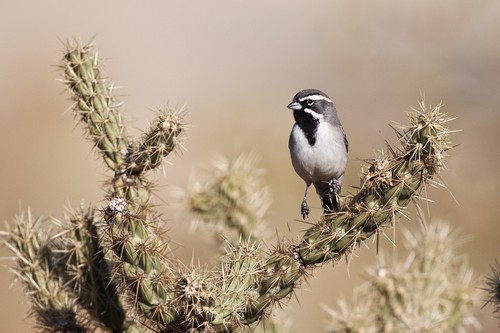
Black-throated Sparrow
12-14 cm (4.7-5.5 in) long, about 19-20 cm (7.5-8 in) wingspan
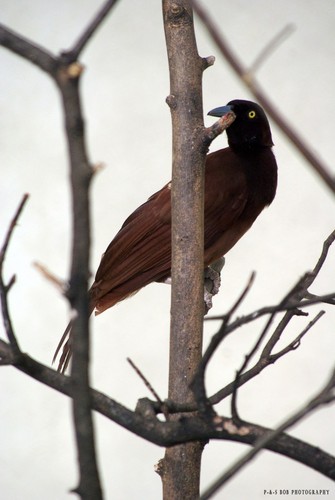
Greater Bird-of-paradise
Body about 43 cm; males with additional flank plumes up to 50 cm and long tail wires
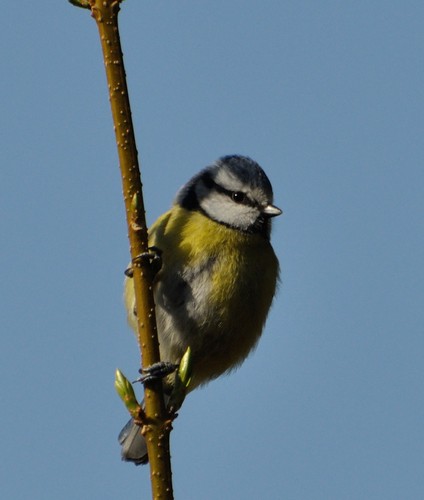
Blue Tit
11-12 cm (4.3-4.7 in) long, 17-20 cm wingspan
Red-billed Quelea
11.5–13 cm long, wingspan about 20–22 cm
White-plumed Antbird
13-14 cm (5-5.5 in) long
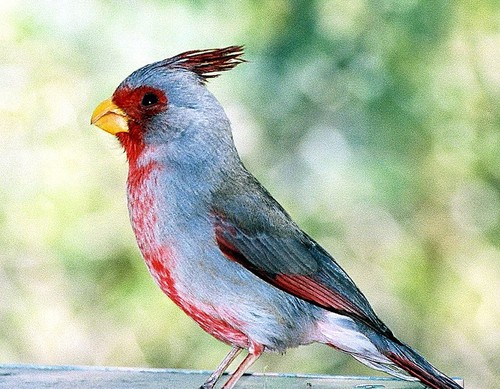
Pyrrhuloxia
19-22 cm (7.5-8.7 in) long, 30 cm wingspan
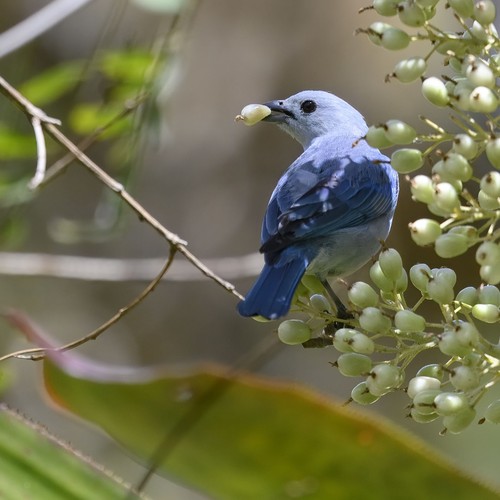
Blue-gray Tanager
16-18 cm (6-7 in) long
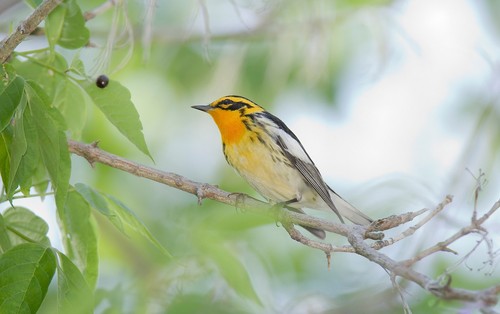
Blackburnian Warbler
11-13 cm (4.3-5.1 in) long, 20-22 cm wingspan
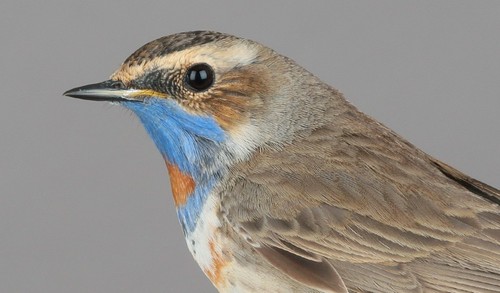
Bluethroat
13-14 cm (5.1-5.5 in) long, 20-22 cm wingspan
Eurasian Nuthatch
12-14.5 cm (4.7-5.7 in) long, 22.5-27 cm wingspan
Wood Thrush
19-21 cm (7.5-8.3 in) long, about 33 cm (13 in) wingspan