
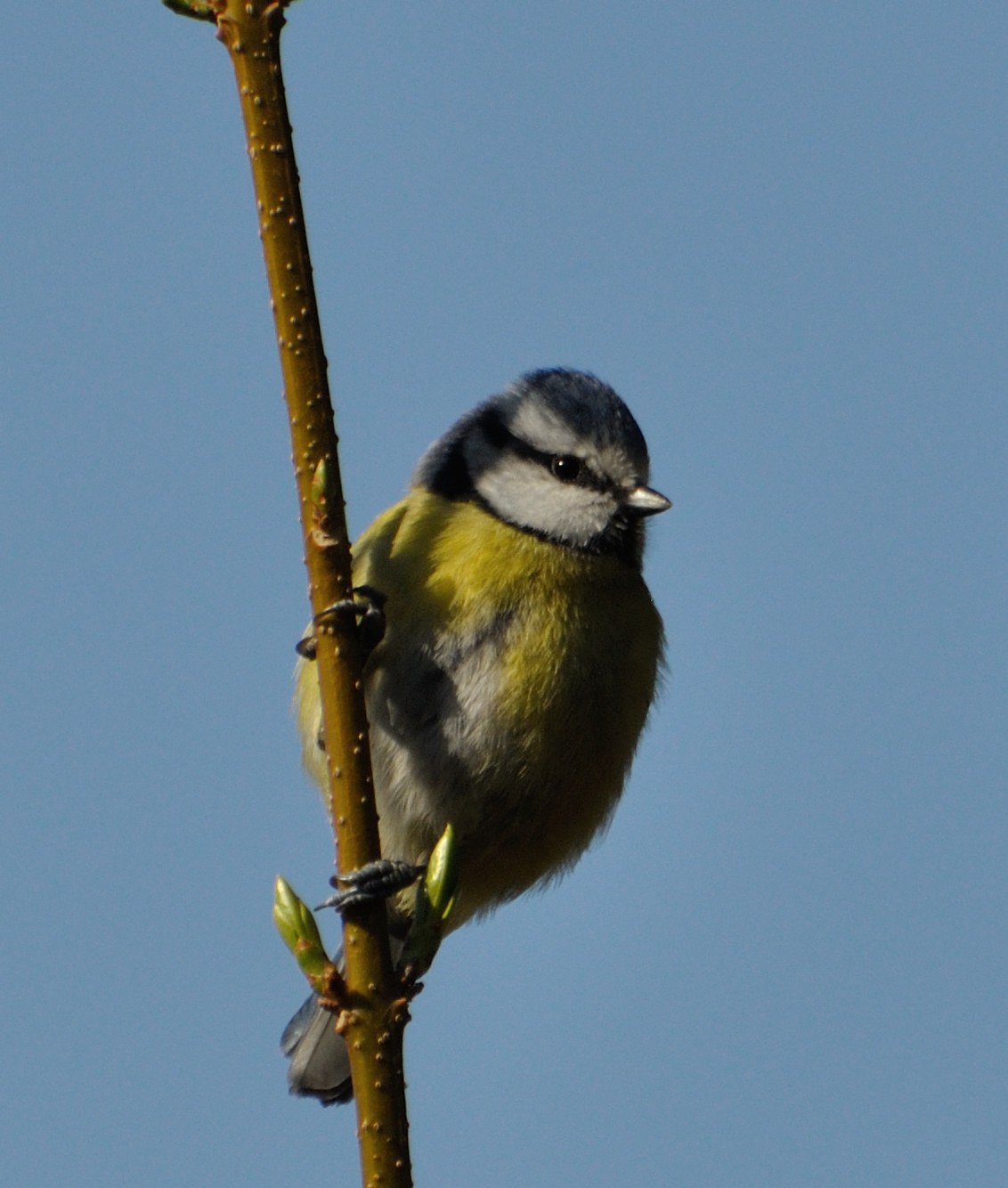
Blue Tit
Cyanistes caeruleus
A small, acrobatic songbird with a vivid blue cap, yellow underparts, and white cheeks, a familiar visitor to European bird feeders.
- Size
- 11-12 cm (4.3-4.7 in) long, 17-20 cm wingspan
- Habitat
- deciduous woodlands, hedgerows, parks, and gardens
- Type
- songbird
Spotted a bird like this?
Identify any bird from a photo, free.
Overview
The Blue Tit is a small, brightly colored songbird with a distinctive blue crown, white face bordered by a thin blue eye-stripe, yellow underparts, and blue-green upperparts and wings. Its plumage is more vivid than that of most other European tits, and it is instantly recognizable at garden feeders across its range.
Highly acrobatic, Blue Tits frequently hang upside down from twigs and feeders while foraging, and they are quick, energetic birds that move in constant, restless motion.
How to identify it
Key field marks
- Bright blue crown and wings
- White face with a thin dark eye-stripe
- Yellow underparts with a faint dark belly stripe
- Small size and short bill
Similar species
- Great Tit is larger with a black head, white cheeks, and a bold black central belly stripe.
- Coal Tit lacks any blue or yellow, showing gray-olive plumage with a white nape patch.
- Crested Tit has a distinctive spiky crest, absent in the Blue Tit.
Habitat & range
Habitat
Found in deciduous and mixed woodlands, hedgerows, orchards, parks, and gardens, readily using nest boxes.
Range
Widespread across Europe, extending into western Asia and North Africa.
Migration
Mostly resident, though some northern and eastern populations may move short distances in harsh winters.
Behavior & voice
Behavior
Highly active and acrobatic, often hanging upside down while feeding on twigs, buds, and feeders; joins mixed-species foraging flocks outside the breeding season.
Voice
A thin, scolding "tsee-tsee-tsee-tsu-hu-hu" song and a variety of sharp, scolding calls.
Feeding
Eats insects and spiders during the breeding season (essential for feeding nestlings), switching to seeds, nuts, and feeder food such as sunflower hearts and peanuts in winter.
Nesting
Nests in tree cavities, walls, or nest boxes, building a cup of moss and hair; lays 7-13 white eggs speckled with red-brown, among the largest clutches of any songbird.
Frequently asked questions
How do you tell a Blue Tit from a Great Tit?
The Blue Tit has a blue cap and lacks a black belly stripe, while the Great Tit has a glossy black head and a bold black stripe down its yellow underparts.
What do Blue Tits eat at feeders?
They readily take sunflower hearts, peanuts, and suet, though during the breeding season they rely heavily on caterpillars and other insects to feed their young.
Where do Blue Tits nest?
In tree cavities, walls, or nest boxes, and they will happily use garden nest boxes with an appropriately sized entrance hole.
How many eggs does a Blue Tit lay?
Typically 7-13 eggs in a single clutch, one of the largest clutch sizes among European songbirds.
Blue Tit guides
In-depth guides for identifying, finding, and understanding Blue Tit.
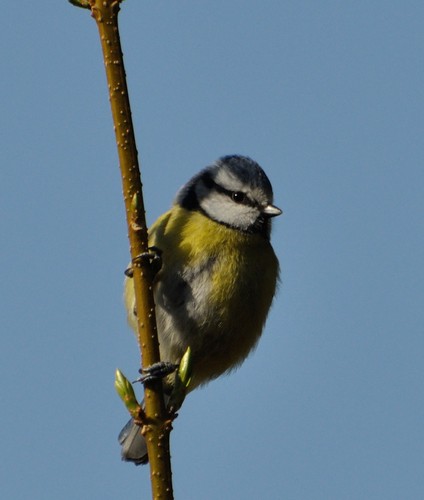
Blue Tit identified by the community
Real birds identified with Bird Identifier.
Other birds you may enjoy
Black Redstart
13-14.5 cm (5.1-5.7 in) long, 23-26 cm wingspan
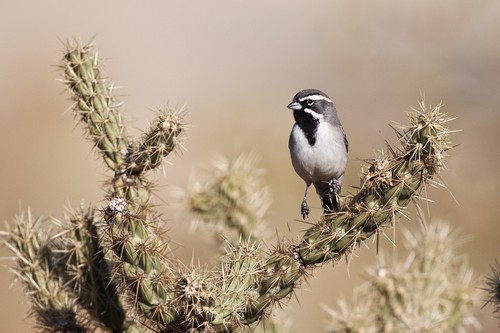
Black-throated Sparrow
12-14 cm (4.7-5.5 in) long, about 19-20 cm (7.5-8 in) wingspan
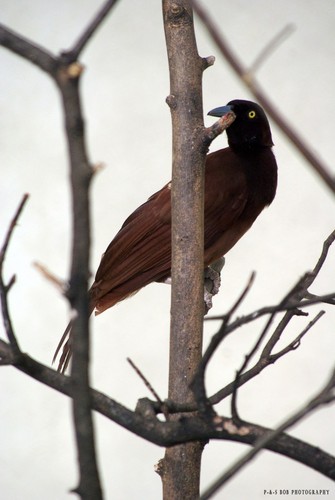
Greater Bird-of-paradise
Body about 43 cm; males with additional flank plumes up to 50 cm and long tail wires

Red-billed Quelea
11.5–13 cm long, wingspan about 20–22 cm
White-plumed Antbird
13-14 cm (5-5.5 in) long
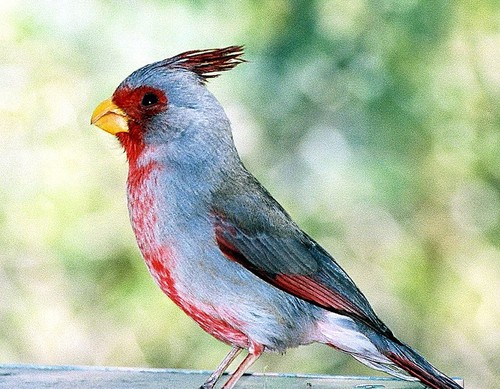
Pyrrhuloxia
19-22 cm (7.5-8.7 in) long, 30 cm wingspan
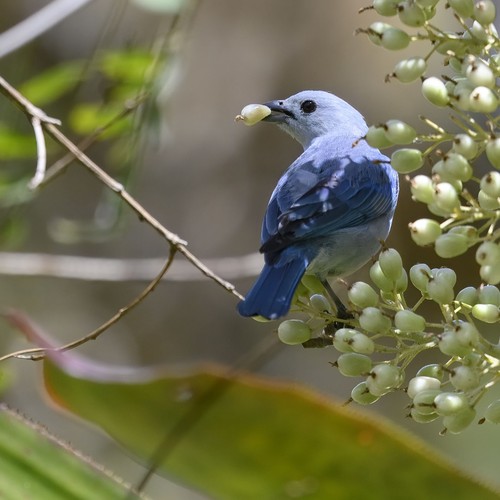
Blue-gray Tanager
16-18 cm (6-7 in) long
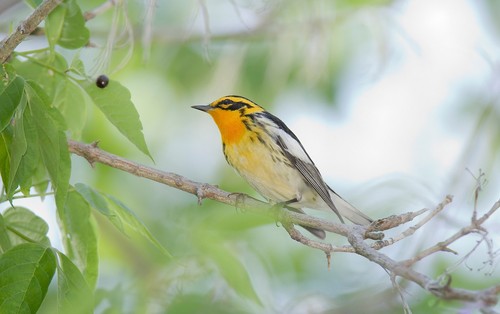
Blackburnian Warbler
11-13 cm (4.3-5.1 in) long, 20-22 cm wingspan
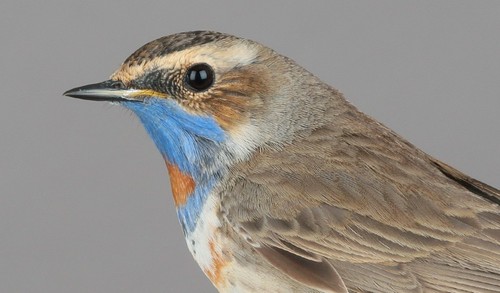
Bluethroat
13-14 cm (5.1-5.5 in) long, 20-22 cm wingspan
Eurasian Nuthatch
12-14.5 cm (4.7-5.7 in) long, 22.5-27 cm wingspan
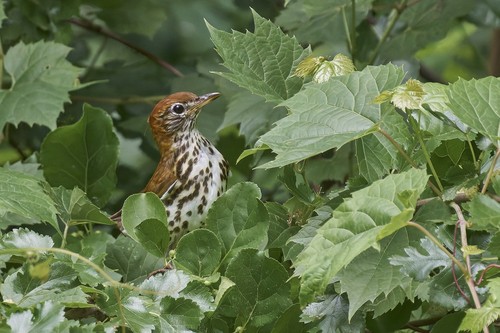
Wood Thrush
19-21 cm (7.5-8.3 in) long, about 33 cm (13 in) wingspan
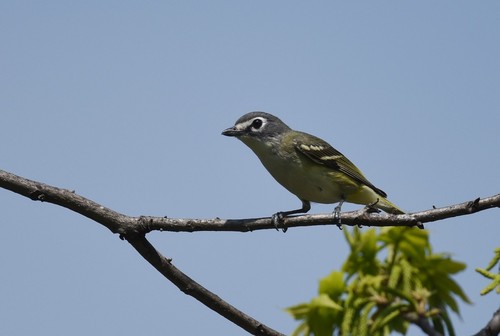
Blue-headed Vireo
12-14 cm (5-5.5 in) long, 21-25 cm wingspan