
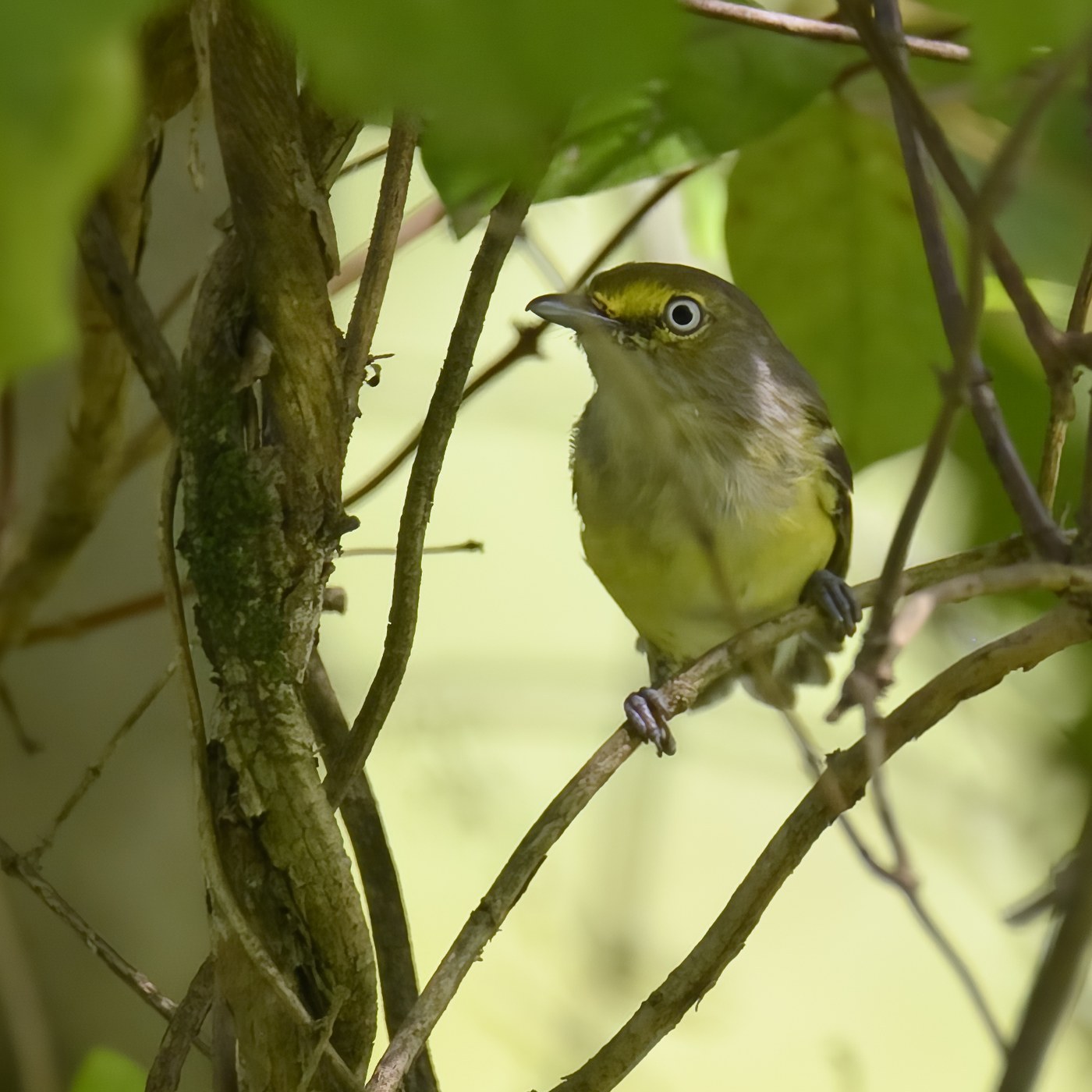
White-eyed Vireo
Vireo griseus
A skulking thicket-dweller with a pale eye, yellow spectacles, and a sharp, variable song, more often heard than seen.
- Size
- 11-13 cm (4.5-5 in) long, 17-19 cm wingspan
- Habitat
- dense thickets, shrubby second growth, and brambles in the eastern and southeastern US
- Type
- songbird
Spotted a bird like this?
Identify any bird from a photo, free.
Overview
The White-eyed Vireo is a small, feisty bird of dense brush and tangled second growth, named for the pale, whitish iris of the adult (juveniles have dark eyes). It is olive-green above and whitish below, washed with yellow on the flanks, with bold yellow "spectacles" formed by a yellow eye-ring and lores, and two crisp white wing bars.
Despite its bright markings, this vireo is a notorious skulker, staying low in dense vegetation and often revealing itself only through its sharp, scolding song.
How to identify it
Key field marks
- Pale white iris (adults only; juveniles have dark eyes)
- Bold yellow spectacles (eye-ring and lores)
- Two white wing bars
- Olive-green above, whitish below with yellow-washed flanks
Similar species
- Bell's Vireo: duller, grayer, lacks the bold yellow spectacles and white eye.
- Yellow-throated Vireo: much brighter yellow throat and breast, larger bill.
- Warblers with wing bars (e.g., some Vireo/warbler confusion) lack the distinctive spectacled face pattern.
Habitat & range
Range and habitat
White-eyed Vireo breeds across the eastern and southeastern United States, favoring dense shrubby thickets, overgrown fields, forest edges, and brambly second growth—habitat that is often avoided by other vireos.
Migration
Southeastern populations may be year-round residents, while northern breeders migrate to winter along the Gulf Coast, Mexico, Central America, and the Caribbean.
Behavior & voice
Behavior
Stays low and hidden in dense cover, hopping through tangles while gleaning insects; can be difficult to see well despite being vocal and often close by.
Voice
A sharp, variable, chattering song often beginning and ending with a distinct "chick" note, rendered as "chick-a-per-weeoo-chick." It readily mimics other bird sounds.
Feeding
Gleans insects and spiders from dense foliage close to the ground; also eats berries, especially in fall and winter.
Nesting and breeding
Builds a hanging cup nest low in a shrub or thicket, often only a meter or two off the ground. The female incubates 3-5 eggs for about 2 weeks.
Frequently asked questions
Why is it called a White-eyed Vireo?
Adults have a distinctive pale, whitish iris, visible at close range, that gives the species its name.
Where does the White-eyed Vireo live?
In dense thickets, overgrown fields, and brushy second growth across the eastern and southeastern United States.
What does a White-eyed Vireo sound like?
A sharp, variable, chattering song, often starting and ending with a distinct 'chick' note.
Is the White-eyed Vireo easy to see?
Not usually—it tends to stay low and hidden in dense brush, so it is more often heard than seen.
White-eyed Vireo guides
In-depth guides for identifying, finding, and understanding White-eyed Vireo.
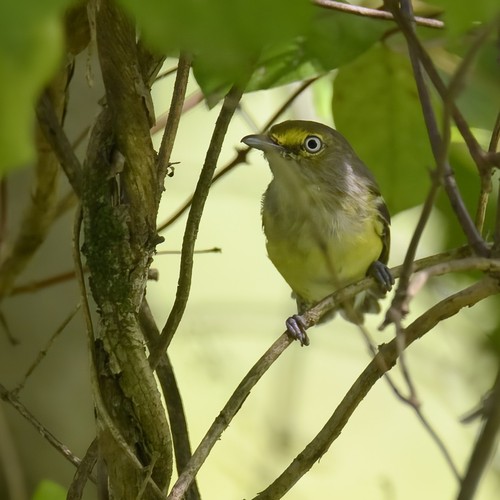
Other birds you may enjoy
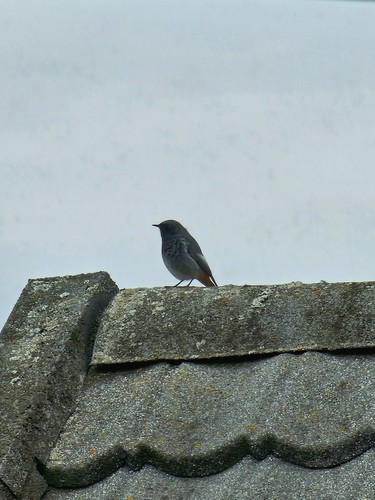
Black Redstart
13-14.5 cm (5.1-5.7 in) long, 23-26 cm wingspan
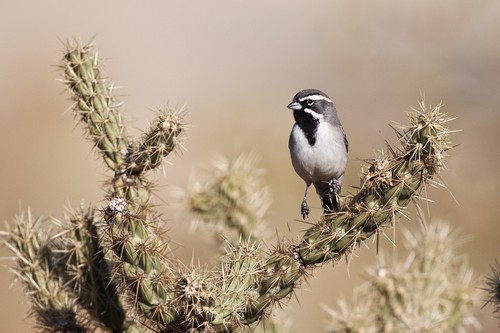
Black-throated Sparrow
12-14 cm (4.7-5.5 in) long, about 19-20 cm (7.5-8 in) wingspan
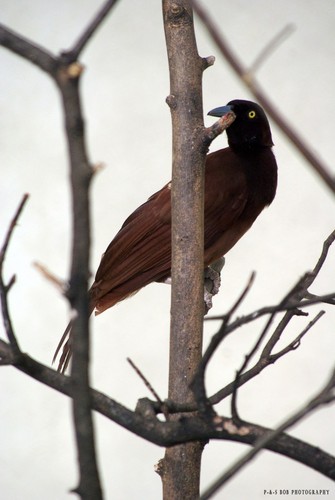
Greater Bird-of-paradise
Body about 43 cm; males with additional flank plumes up to 50 cm and long tail wires
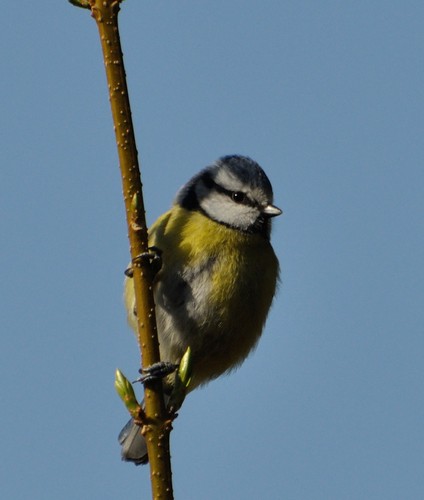
Blue Tit
11-12 cm (4.3-4.7 in) long, 17-20 cm wingspan

Red-billed Quelea
11.5–13 cm long, wingspan about 20–22 cm
White-plumed Antbird
13-14 cm (5-5.5 in) long
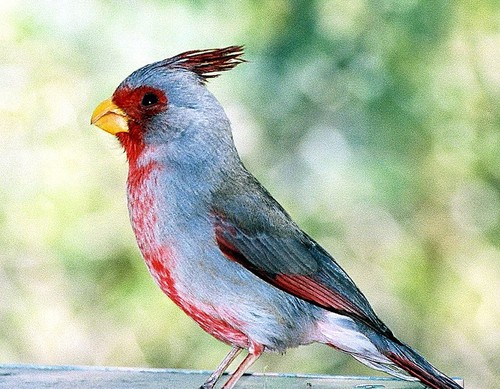
Pyrrhuloxia
19-22 cm (7.5-8.7 in) long, 30 cm wingspan
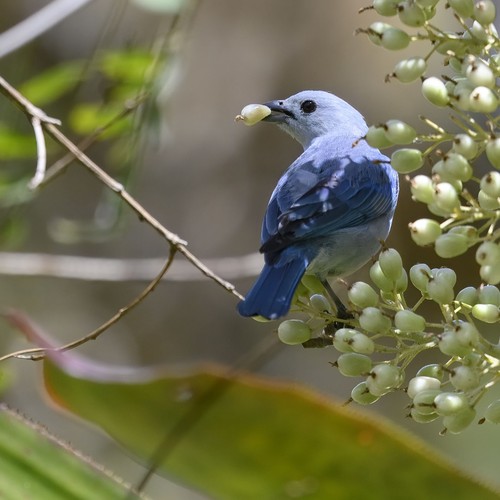
Blue-gray Tanager
16-18 cm (6-7 in) long
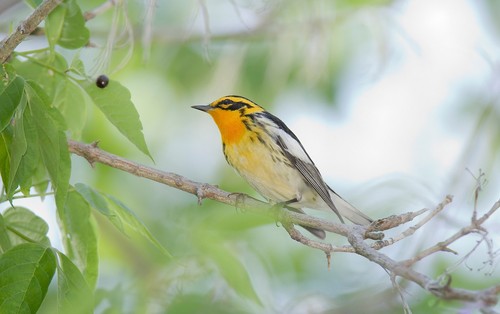
Blackburnian Warbler
11-13 cm (4.3-5.1 in) long, 20-22 cm wingspan
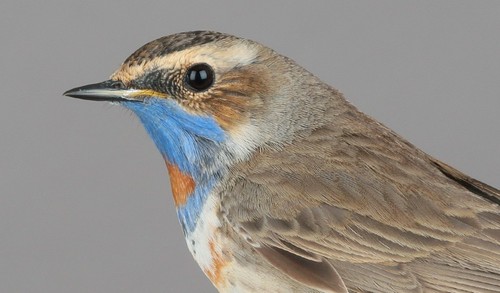
Bluethroat
13-14 cm (5.1-5.5 in) long, 20-22 cm wingspan
Eurasian Nuthatch
12-14.5 cm (4.7-5.7 in) long, 22.5-27 cm wingspan
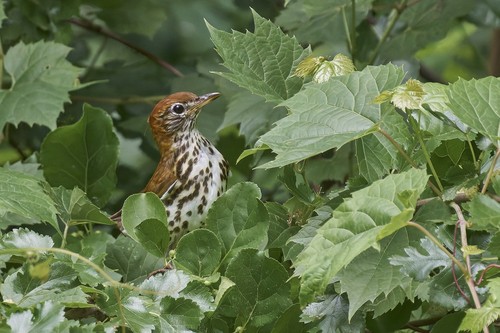
Wood Thrush
19-21 cm (7.5-8.3 in) long, about 33 cm (13 in) wingspan