
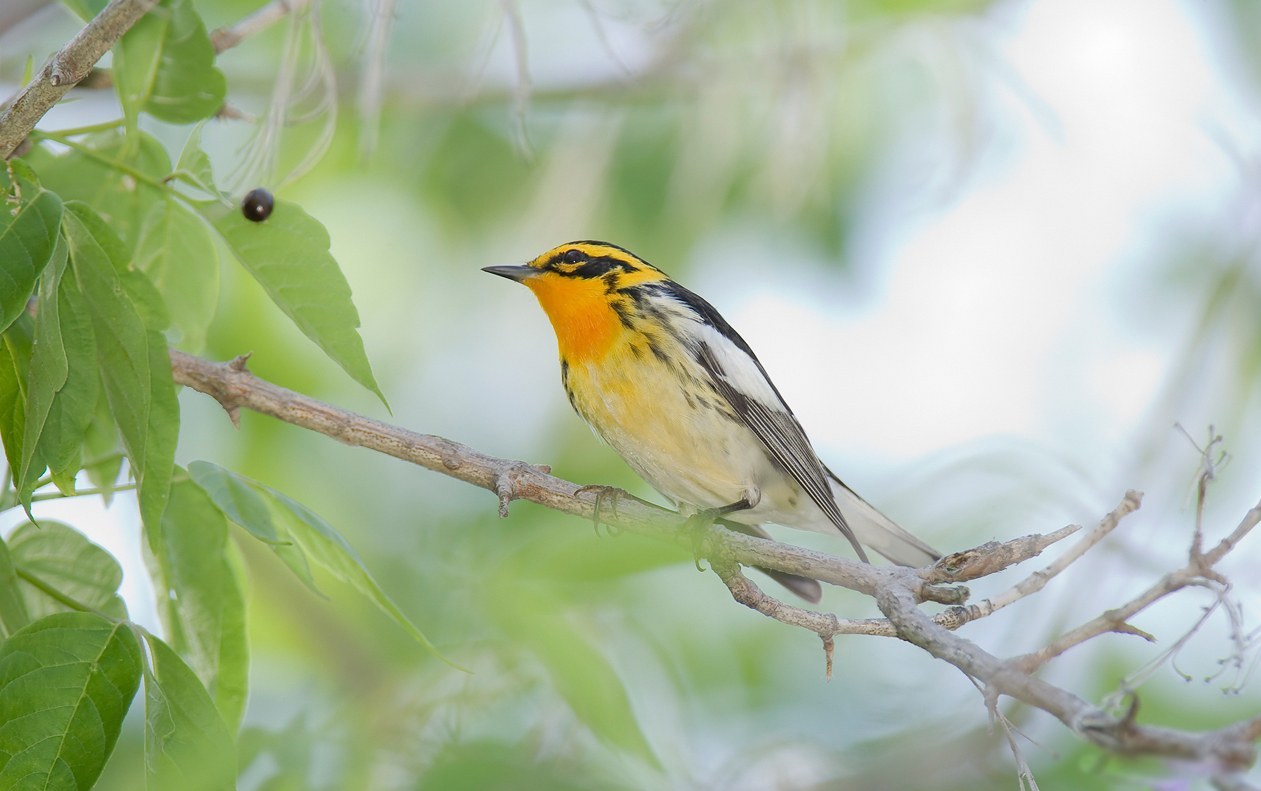
Blackburnian Warbler
Setophaga fusca
A dazzling warbler with a blazing orange throat and face on breeding males, often glimpsed high in conifer treetops and nicknamed the 'firethroat.'
- Size
- 11-13 cm (4.3-5.1 in) long, 20-22 cm wingspan
- Habitat
- mature coniferous and mixed forests, especially spruce and hemlock canopies
- Type
- songbird
Spotted a bird like this?
Identify any bird from a photo, free.
Overview
The Blackburnian Warbler is widely regarded as one of the most stunning songbirds in North America, with breeding males showing an almost incandescent orange throat and face pattern that seems to glow against black head markings. The crown, cheek patch, and back are black, boldly set off by the blazing orange throat, orange-tinged eyebrow, and a black triangular patch on the cheek.
The underparts are pale yellow-orange fading to white, streaked with black along the flanks, and the black wings show a bold white patch. Females and immatures show a much more muted version of the pattern, with yellow-orange replacing the male's fiery orange, but retain the same overall face pattern that makes the species distinctive.
How to identify it
Key Field Marks
- Breeding male: blazing orange throat and face pattern set against black crown, cheek triangle, and back
- Bold white wing patch
- Black streaking on pale yellowish flanks
- Female/immature: duller yellow-orange version of the same head pattern
- Fine, sharp black bill
Similar Species
No other North American warbler shows the same combination of black head markings and fiery orange throat; breeding males are unmistakable. Female and fall birds can be confused with other yellow-faced warblers, but the pattern of dark cheek patch bordered by pale eyebrow and throat, plus overall structure, usually allows identification with care.
Habitat & range
Habitat
Blackburnian Warblers breed in mature coniferous and mixed forests, with a strong preference for tall spruce, fir, and hemlock, foraging and nesting mainly high in the canopy.
Range
This species breeds across the boreal forest of Canada, the northeastern United States, and south through the Appalachian Mountains at higher elevations. It winters primarily in the Andes and forested foothills of South America.
Migration
Blackburnian Warblers are long-distance Neotropical migrants, traveling to South America for winter, one of the longer migrations among the wood-warblers.
Behavior & voice
Behavior
This species forages high in the treetops, often at the very tips of tall conifers, making it a challenging bird to observe well despite its brilliant coloring.
Voice
The song is a very high-pitched, thin series of notes accelerating into an almost inaudibly high trill, often described as 'teeser-teeser-teeser-tsee.' The call is a sharp, thin 'chip.'
Feeding
It gleans insects and spiders from needles and twigs high in the canopy, occasionally sallying briefly to catch flying insects.
Nesting & Breeding
The female builds a small cup nest of twigs and lichen, typically placed far out on a horizontal conifer branch high above the ground. She lays 3-5 eggs, and nests are notoriously difficult to find due to their height and canopy concealment.
Frequently asked questions
Why is the Blackburnian Warbler called the 'firethroat'?
Breeding males have a blazing orange throat and face pattern that appears to glow against contrasting black head markings, inspiring the nickname.
How do you identify a Blackburnian Warbler?
Look for a black-and-orange head pattern with a black crown and cheek triangle set against a fiery orange throat and eyebrow, plus a bold white wing patch.
Where do Blackburnian Warblers breed?
They breed in mature coniferous forests, especially tall spruce, fir, and hemlock, across the boreal forest of Canada, the northeastern United States, and the Appalachian Mountains.
Where do Blackburnian Warblers spend the winter?
Most winter in the forested foothills and slopes of the Andes in South America, one of the longer migrations among North American warblers.
What does a Blackburnian Warbler sound like?
Its song is a very high, thin series of notes that accelerates into an extremely high-pitched trill, often at the upper edge of human hearing.
Blackburnian Warbler guides
In-depth guides for identifying, finding, and understanding Blackburnian Warbler.
Other birds you may enjoy
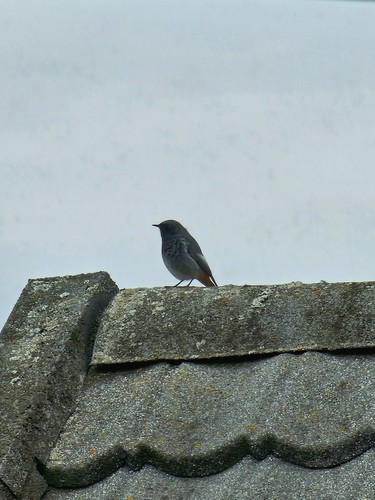
Black Redstart
13-14.5 cm (5.1-5.7 in) long, 23-26 cm wingspan
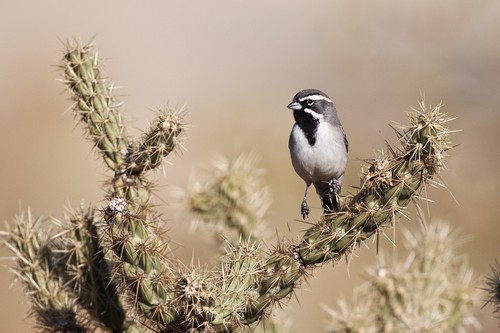
Black-throated Sparrow
12-14 cm (4.7-5.5 in) long, about 19-20 cm (7.5-8 in) wingspan
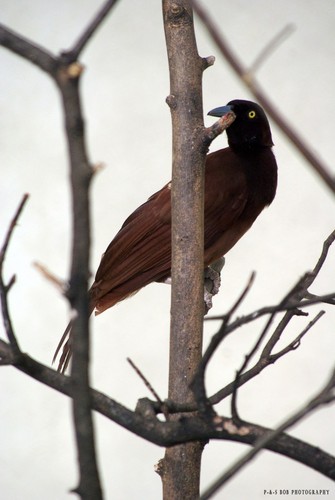
Greater Bird-of-paradise
Body about 43 cm; males with additional flank plumes up to 50 cm and long tail wires
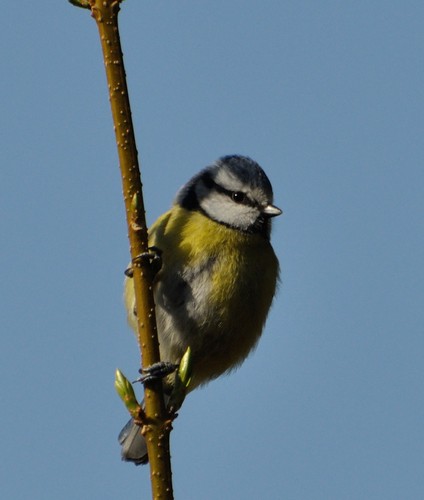
Blue Tit
11-12 cm (4.3-4.7 in) long, 17-20 cm wingspan
Red-billed Quelea
11.5–13 cm long, wingspan about 20–22 cm
White-plumed Antbird
13-14 cm (5-5.5 in) long
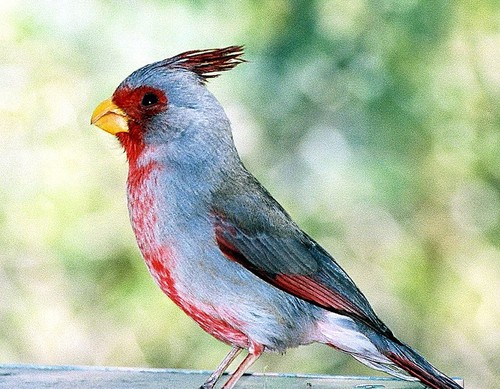
Pyrrhuloxia
19-22 cm (7.5-8.7 in) long, 30 cm wingspan
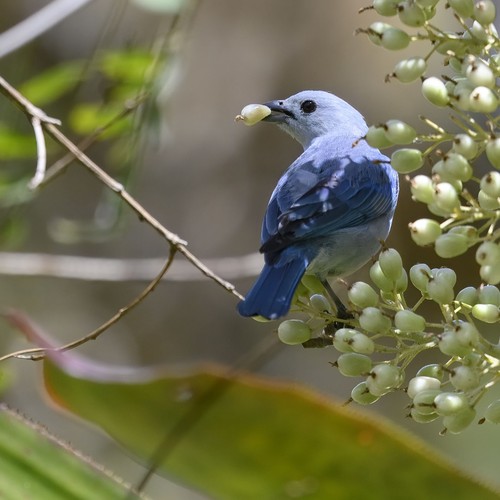
Blue-gray Tanager
16-18 cm (6-7 in) long
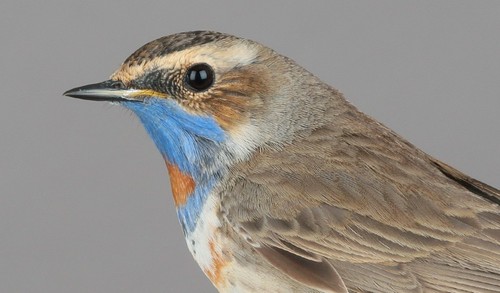
Bluethroat
13-14 cm (5.1-5.5 in) long, 20-22 cm wingspan
Eurasian Nuthatch
12-14.5 cm (4.7-5.7 in) long, 22.5-27 cm wingspan
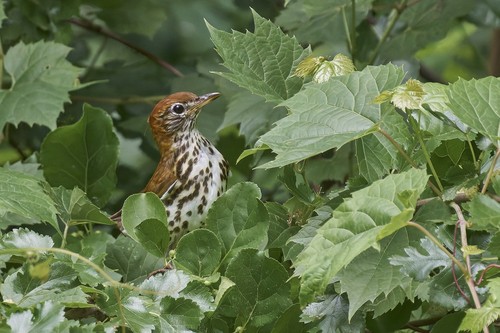
Wood Thrush
19-21 cm (7.5-8.3 in) long, about 33 cm (13 in) wingspan
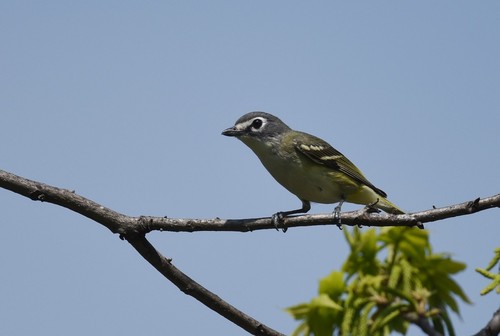
Blue-headed Vireo
12-14 cm (5-5.5 in) long, 21-25 cm wingspan