
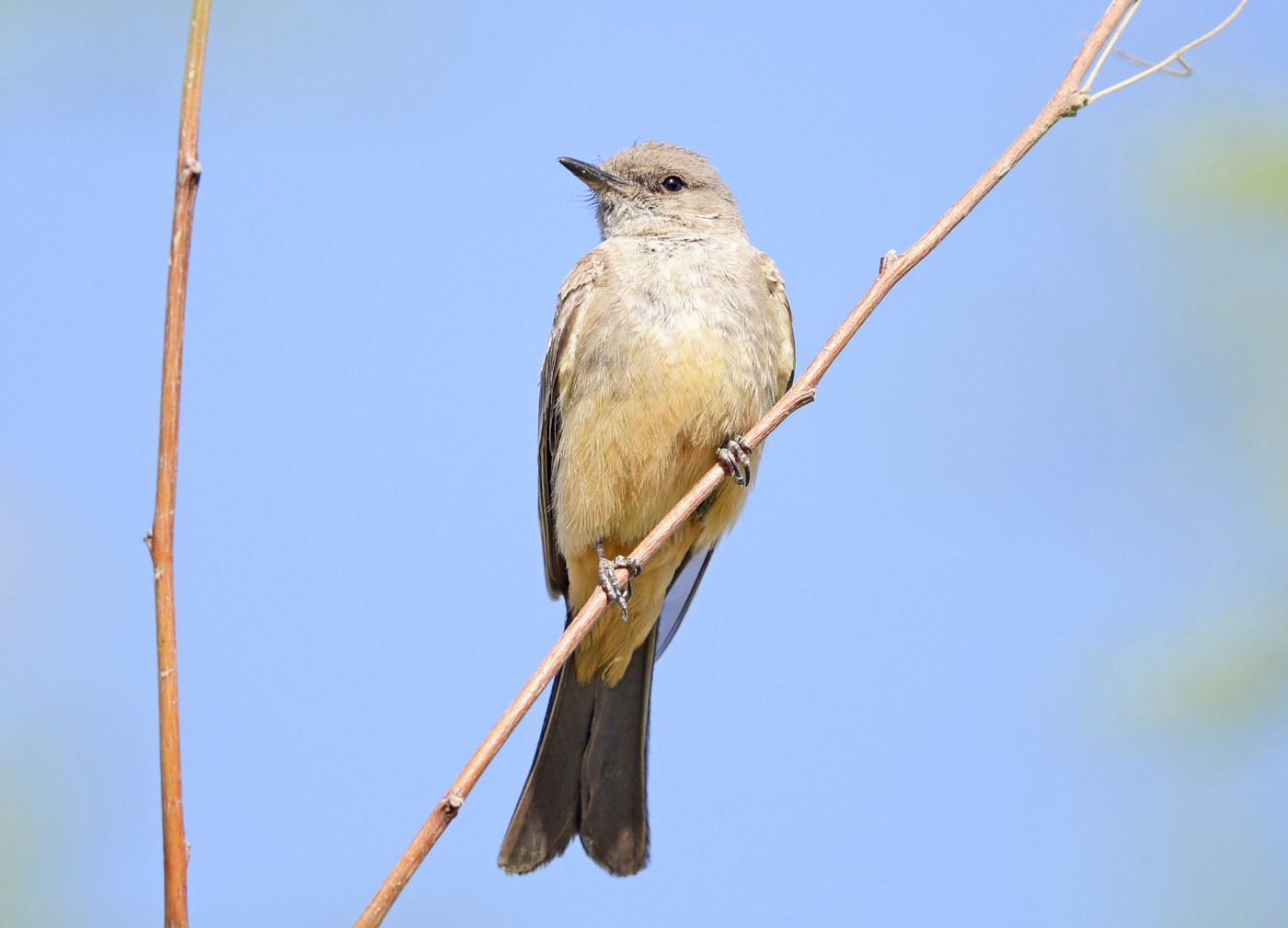
Say's Phoebe
Sayornis saya
A soft cinnamon-bellied flycatcher of open, dry western landscapes that often nests on cliffs, barns, and abandoned buildings.
- Size
- 16-20 cm (6.3-8 in) long, 28-32 cm wingspan
- Habitat
- open arid country, canyons, ranchland, and badlands across the western and interior United States
- Type
- songbird
Spotted a bird like this?
Identify any bird from a photo, free.
Overview
Say's Phoebe is a pale, elegant flycatcher of open, arid western country, showing soft grayish-brown upperparts, a warm cinnamon-buff belly, and a blackish tail. Unlike its relatives, it favors dry, treeless habitats such as canyons, prairies, badlands, and ranchland rather than woodland edges or streamsides, and it is well adapted to hot, exposed environments.
Named for Thomas Say, an early American naturalist, this hardy flycatcher is one of the northernmost-breeding flycatchers in North America and one of the few passerines to nest successfully in the Arctic tundra fringe of Alaska and northern Canada.
How to identify it
Key Field Marks
- Grayish-brown head, back, and breast fading into a warm cinnamon-orange belly and undertail
- Blackish tail, often pumped while perched
- No bold wing bars or eye-ring
- Slim build and upright posture typical of phoebes
Similar Species
- Eastern Phoebe and Black Phoebe both lack the warm cinnamon belly of Say's Phoebe and occupy different, generally wetter or more wooded habitats.
- Vermilion Flycatcher females and juveniles show some pale underparts but lack the uniform cinnamon wash and have different structure and habitat preferences.
Habitat & range
Say's Phoebe breeds across a broad swath of the western and interior United States and western Canada, favoring open, arid to semi-arid habitats including canyons, deserts, prairies, ranchland, and badlands, often near cliffs, rock outcrops, or human structures used for nesting. It breeds farther north than most flycatchers, reaching into Alaska and the Yukon.
Most populations migrate south for winter, into the southwestern United States and Mexico, though some southern populations are year-round residents.
Behavior & voice
Voice
Gives a soft, plaintive, downslurred whistle, often rendered as pee-ur, along with a more complex song used during the breeding season.
Feeding
Sallies from an exposed perch, fence post, or rock to catch flying insects in mid-air, and also hovers or drops to the ground to capture insects and other invertebrates from open terrain.
Nesting
Builds a cup nest of grass and plant fibers on a sheltered ledge, ideally under an overhang on a cliff face, in a rock crevice, or on human structures such as barns, sheds, bridges, and abandoned buildings, providing protection from sun and rain in its typically open habitat.
Frequently asked questions
How do I identify a Say's Phoebe?
Look for a slender flycatcher with grayish-brown upperparts, a warm cinnamon-orange belly, and a blackish tail, typically found perched in open, dry country.
Where does Say's Phoebe live?
It breeds in open arid habitats such as canyons, prairies, badlands, and ranchland across the western and interior United States, western Canada, and into Alaska, wintering in the Southwest and Mexico.
What is Say's Phoebe named after?
It is named after Thomas Say, an early 19th-century American naturalist and entomologist.
Where do Say's Phoebes nest?
They build cup nests on sheltered ledges, cliff overhangs, or human structures like barns and bridges, often in otherwise treeless landscapes.
Say's Phoebe guides
In-depth guides for identifying, finding, and understanding Say's Phoebe.
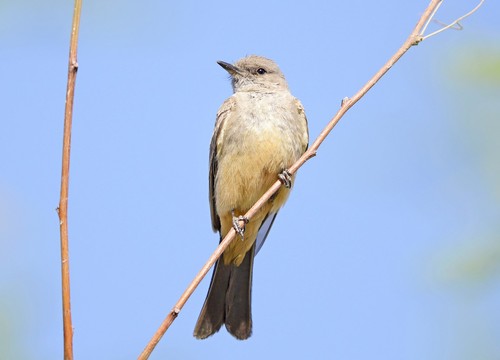
Other birds you may enjoy
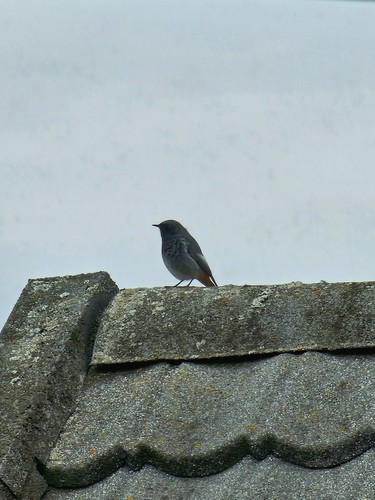
Black Redstart
13-14.5 cm (5.1-5.7 in) long, 23-26 cm wingspan
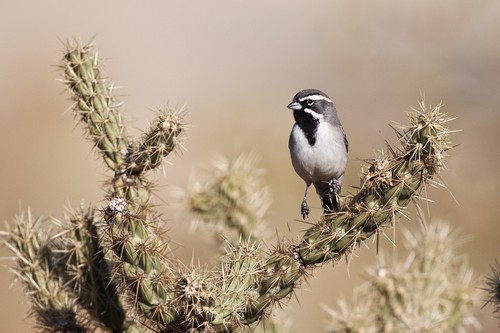
Black-throated Sparrow
12-14 cm (4.7-5.5 in) long, about 19-20 cm (7.5-8 in) wingspan
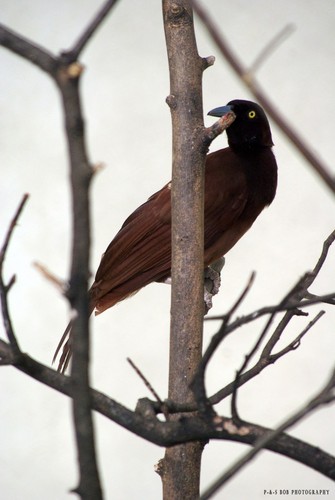
Greater Bird-of-paradise
Body about 43 cm; males with additional flank plumes up to 50 cm and long tail wires
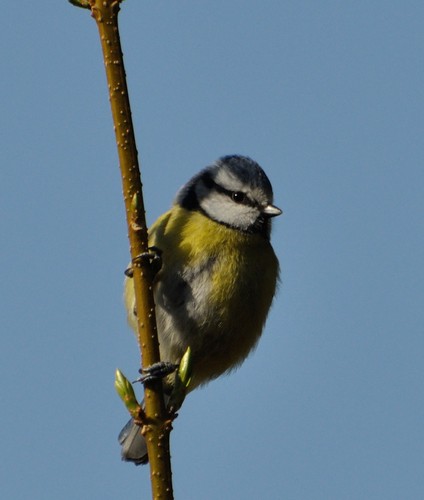
Blue Tit
11-12 cm (4.3-4.7 in) long, 17-20 cm wingspan
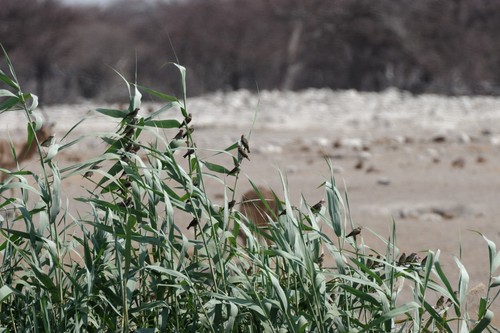
Red-billed Quelea
11.5–13 cm long, wingspan about 20–22 cm
White-plumed Antbird
13-14 cm (5-5.5 in) long
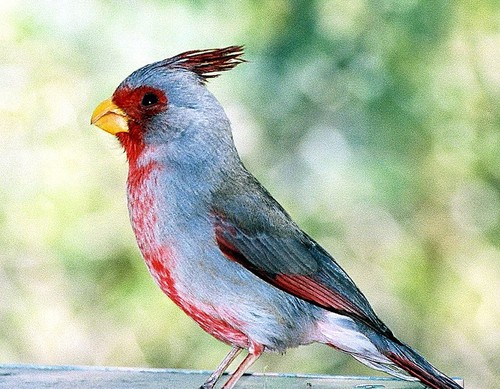
Pyrrhuloxia
19-22 cm (7.5-8.7 in) long, 30 cm wingspan
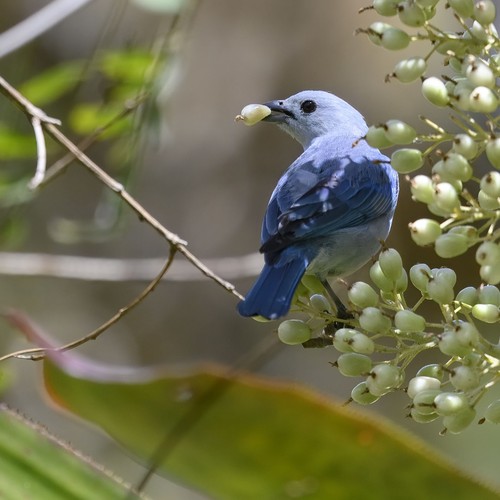
Blue-gray Tanager
16-18 cm (6-7 in) long
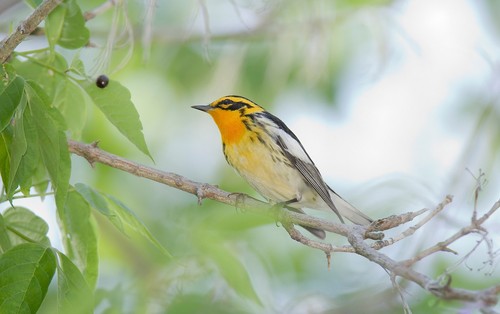
Blackburnian Warbler
11-13 cm (4.3-5.1 in) long, 20-22 cm wingspan
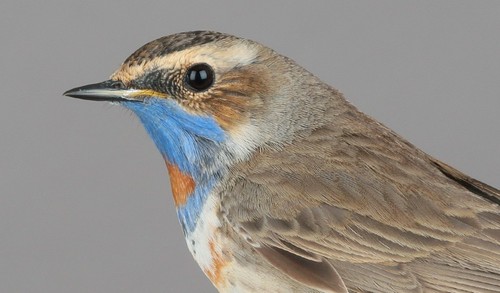
Bluethroat
13-14 cm (5.1-5.5 in) long, 20-22 cm wingspan
Eurasian Nuthatch
12-14.5 cm (4.7-5.7 in) long, 22.5-27 cm wingspan
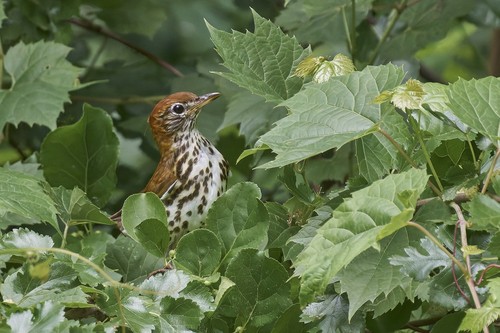
Wood Thrush
19-21 cm (7.5-8.3 in) long, about 33 cm (13 in) wingspan