
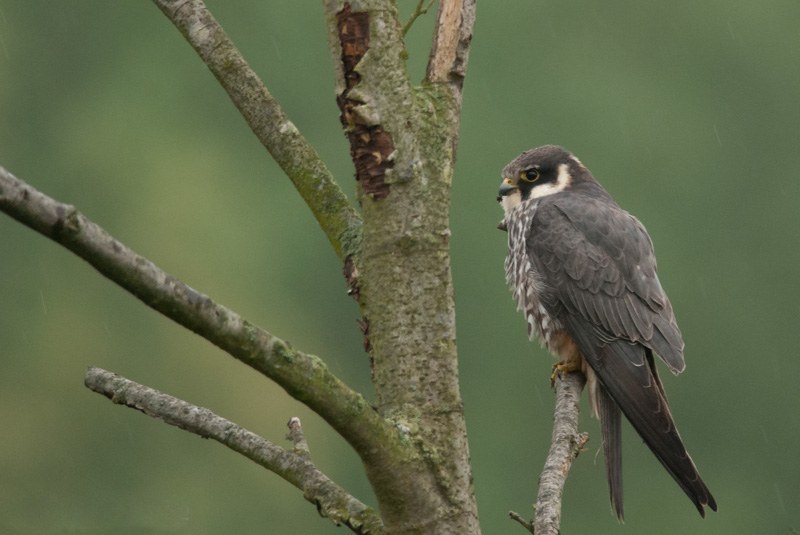
Eurasian Hobby
Falco subbuteo
A sleek, fast-flying falcon with scythe-shaped wings, famed for catching dragonflies and swallows on the wing at high speed.
- Size
- Body 29-36 cm; wingspan 70-84 cm
- Habitat
- Open country with scattered trees, heathland, farmland, and wetland edges
- Type
- raptor
Spotted a bird like this?
Identify any bird from a photo, free.
Overview
The Eurasian Hobby is a small, streamlined falcon renowned for exceptional speed and agility in flight, resembling an oversized swift with its long, pointed wings.
Appearance
- Slate-grey upperparts with heavily streaked white-and-black underparts.
- Bold black moustache (malar) stripe and white cheek patch, similar to a Peregrine but much smaller and slimmer.
- Rufous-red 'trousers' (thigh feathers) and undertail coverts on adults, a useful close-range feature.
- Long, narrow, pointed wings and a relatively short tail give a swift- or scythe-like silhouette.
How to identify it
Key field marks
- Long, narrow, backswept 'scythe-shaped' wings and short tail, producing a swift-like silhouette
- Extremely fast, agile, aerobatic flight, often chasing insects or hirundines at speed
- Rufous thighs and undertail coverts visible at close range on adults
- Heavily streaked underparts and a bold dark moustache stripe
Similar species
- Common Kestrel has broader, less pointed wings, a longer tail, and habitually hovers, which the Hobby does not do.
- Peregrine Falcon is much larger and bulkier with broader-based wings and lacks rufous thighs.
- Common Swift is superficially similar in silhouette at a distance but much smaller, all-dark, and lacks the falcon's streaked underparts and moustache.
Habitat & range
Habitat
Favors open country with scattered trees or copses for nesting, including heathland, farmland, wetland margins, and gravel pits, especially where dragonflies and hirundines are abundant.
Range
Breeds across most of Europe and temperate Asia, generally absent from the far north and the most arid regions.
Migration
A long-distance migrant, wintering mainly in southern Africa; arrives late in spring (often not until May in northern Europe) after its insect prey becomes abundant, and departs south again in autumn.
Behavior & voice
Behavior
An exceptionally agile aerial hunter, capable of catching dragonflies, swallows, martins, and even swifts in direct high-speed flight, often hunting over water or open ground at dusk when flying insects are most active.
Voice
Gives a fast, sharp 'kew-kew-kew' or 'kik-kik-kik' near the nest, higher and thinner than a Kestrel's call.
Feeding
Catches large flying insects such as dragonflies on the wing, often eating them in flight by transferring prey from foot to bill, and also takes small birds including swallows, martins, and swifts pursued in fast chases.
Nesting & breeding
Does not build its own nest, instead using old nests of crows or other birds in tall trees; lays 2-3 eggs; breeding is timed relatively late in the season to coincide with peak insect and young-bird prey availability.
Frequently asked questions
How do you identify a Eurasian Hobby?
Look for long, scythe-shaped wings, a swift-like silhouette, heavily streaked underparts, a bold moustache stripe, and rufous thighs at close range.
What is the difference between a Hobby and a Kestrel?
The Hobby has longer, narrower, more pointed wings, a shorter tail, does not hover, and flies with far greater speed and agility than the Kestrel, which regularly hovers.
What does a Eurasian Hobby eat?
It catches large flying insects such as dragonflies and small birds like swallows, martins, and swifts, all captured in fast aerial pursuit.
Why do Hobbies arrive late in spring?
They time their arrival on the breeding grounds to coincide with the emergence of abundant flying insects and young birds, their main prey sources.
Where do Eurasian Hobbies nest?
They do not build their own nests, instead taking over old stick nests built by crows or other birds in tall trees.
Eurasian Hobby guides
In-depth guides for identifying, finding, and understanding Eurasian Hobby.
Other birds you may enjoy
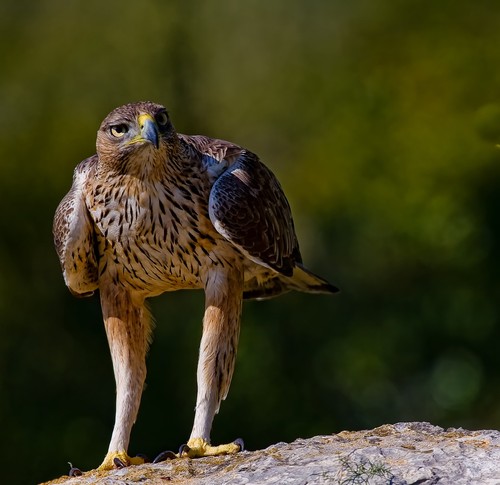
Bonelli's Eagle
Body 65–72 cm (26–28 in); wingspan 150–180 cm (59–71 in)
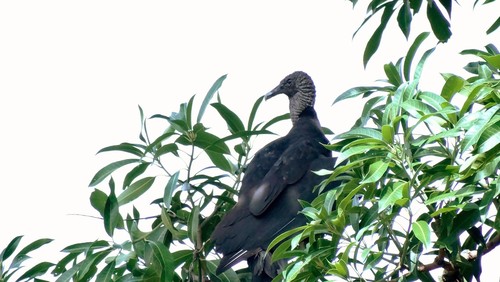
Black Vulture
56-68 cm (22-27 in) long, 137-165 cm wingspan
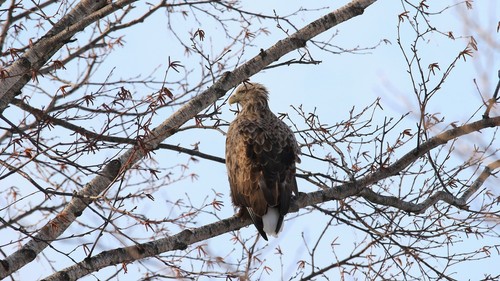
White-tailed Eagle
66-94 cm body length; wingspan 178-245 cm, among the largest eagles in the world
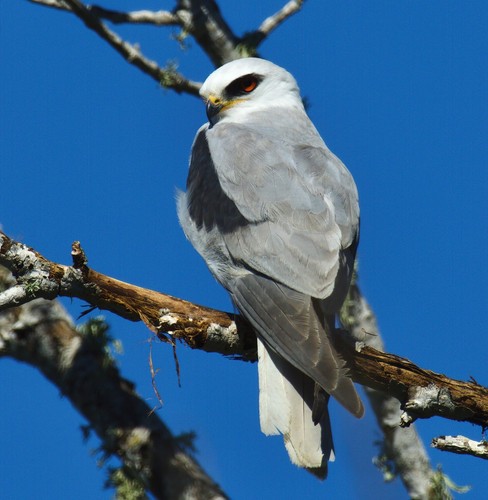
White-tailed Kite
35-43 cm (14-17 in) long, 88-102 cm (35-40 in) wingspan
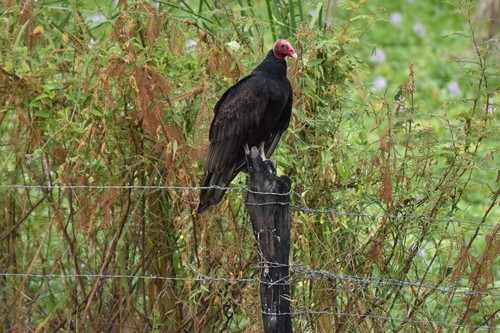
Turkey Vulture
64-81 cm (25-32 in) long, 160-183 cm wingspan
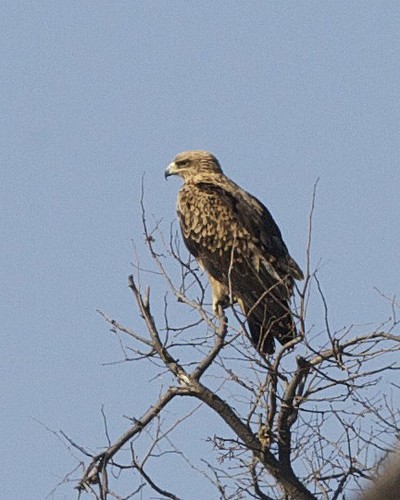
Tawny Eagle
62–75 cm long; wingspan 1.65–2.0 m
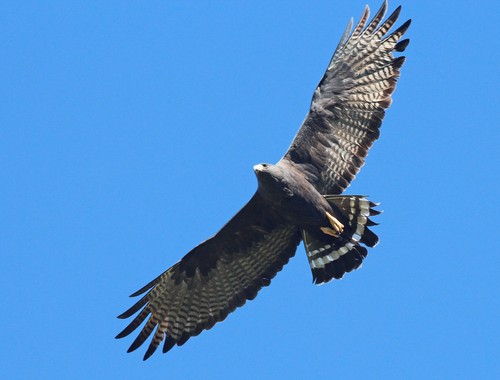
Zone-tailed Hawk
46-56 cm (18-22 in) long, 118-140 cm (46-55 in) wingspan
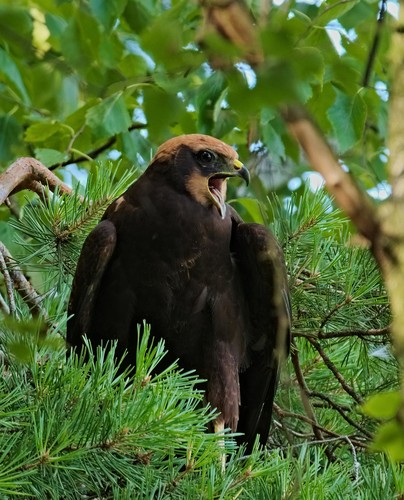
Western Marsh Harrier
Body 43-56 cm; wingspan 115-140 cm
Swallow-tailed Kite
48-68 cm (19-27 in) long including tail streamers, 112-136 cm (44-54 in) wingspan
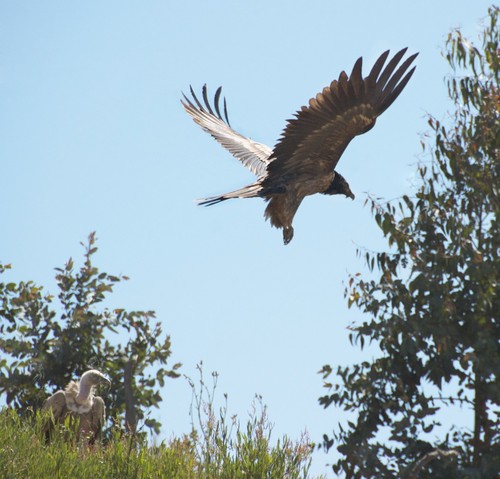
White-backed Vulture
78-98 cm long, wingspan 1.96-2.25 m
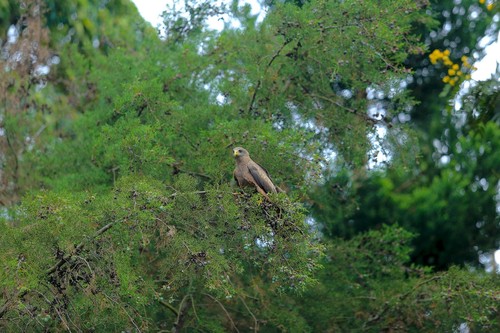
Yellow-billed Kite
55-60 cm long; wingspan 130-155 cm
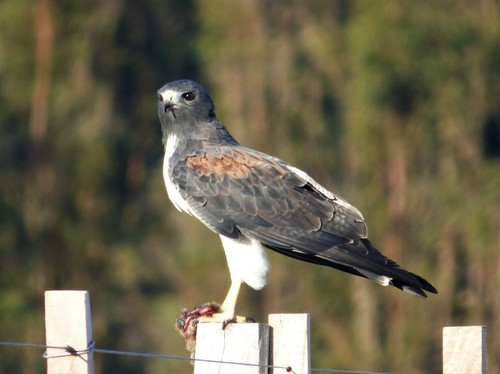
White-tailed Hawk
46-59 cm (18-23 in) long, 122-142 cm (48-56 in) wingspan