
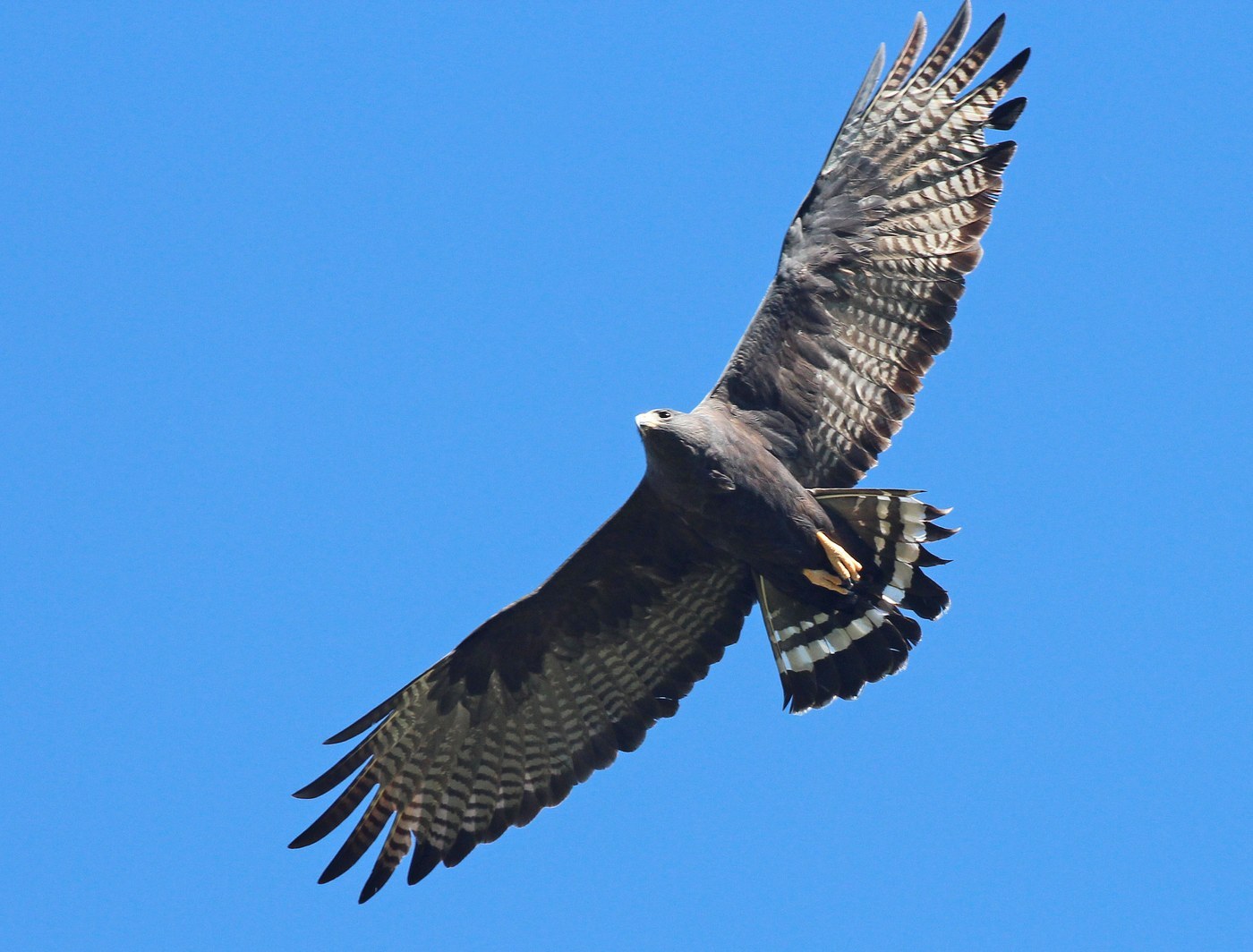
Zone-tailed Hawk
Buteo albonotatus
A blackish hawk that mimics the flight and silhouette of Turkey Vultures, letting it sneak up on unsuspecting prey.
- Size
- 46-56 cm (18-22 in) long, 118-140 cm (46-55 in) wingspan
- Habitat
- canyons, riparian woodlands, and mountains in arid country
- Type
- raptor
Spotted a bird like this?
Identify any bird from a photo, free.
Overview
The Zone-tailed Hawk is a dark, mid-sized buteo of the arid Southwest, notable for its striking resemblance to the far more common Turkey Vulture. Its overall sooty-black plumage, two-toned underwings, and habit of soaring with wings held in a shallow V (dihedral) closely mimic vulture flight, an example of likely mimicry that may let the hawk approach prey without triggering alarm.
Up close, the differences become clear: the Zone-tailed Hawk has a feathered, gray-and-black banded tail (versus the vulture's bare red head and unbanded tail) and flies with more controlled, hawk-like wingbeats mixed into its soaring.
How to identify it
Key Field Marks
- Overall blackish body and underwing coverts, with pale flight feathers giving a two-toned underwing similar to a Turkey Vulture
- Gray tail with one or more black bands, visible when fanned
- Yellow legs and cere (vultures have gray legs and a red, unfeathered head)
- Soars with wings in a shallow V, often mixed in with vulture flocks
Similar Species
- Turkey Vulture: bare red head, gray legs, unbanded tail, and a more wobbly, unsteady soaring flight; the Zone-tailed Hawk's flight is comparatively more controlled.
- Common Black Hawk: broader wings, a single broad white tail band, and a more direct, powerful flight, without vulture-mimicking behavior.
Habitat & range
Range
Zone-tailed Hawks breed in the southwestern United States (Arizona, New Mexico, Texas) south through Mexico and Central America into South America. Northern populations are migratory, wintering farther south.
Habitat
They favor canyon country, riparian woodlands along desert rivers, and wooded mountain slopes, often hunting over adjacent open desert or grassland where they can blend into passing groups of vultures.
Behavior & voice
Hunting Strategy
By soaring low and unobtrusively among Turkey Vultures, Zone-tailed Hawks may approach ground-dwelling prey such as rodents, lizards, and birds that have learned to ignore vultures as a threat, then drop suddenly to catch them by surprise.
Voice
The call is a thin, descending squeal, typical of buteo hawks, given mainly near the nest or during territorial disputes.
Nesting
Nests are built in tall trees along canyon rims or riparian corridors, often reused in subsequent years. Clutches typically contain one to three eggs, with the female doing most of the incubating while the male provides food.
Frequently asked questions
Why does the Zone-tailed Hawk look like a Turkey Vulture?
Its blackish plumage, two-toned underwings, and V-shaped soaring posture closely mimic a Turkey Vulture, which may help it approach prey that has learned to ignore vultures as harmless.
How do you tell a Zone-tailed Hawk from a Turkey Vulture?
Look for yellow legs and a feathered head with a banded gray tail on the hawk, versus the vulture's bare red head, gray legs, and unbanded tail.
Where do Zone-tailed Hawks live?
They breed in canyon country and riparian woodlands of the southwestern United States south through Mexico, Central America, and South America.
Zone-tailed Hawk guides
In-depth guides for identifying, finding, and understanding Zone-tailed Hawk.
Other birds you may enjoy
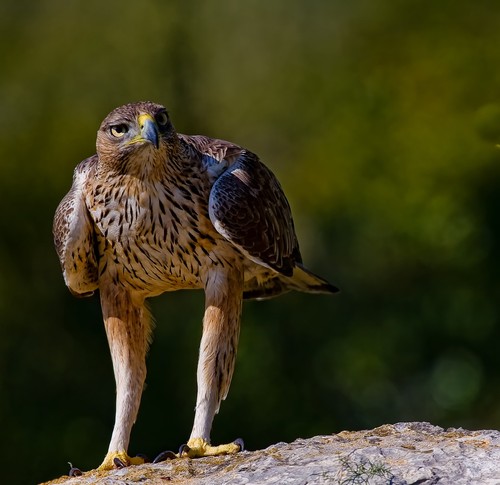
Bonelli's Eagle
Body 65–72 cm (26–28 in); wingspan 150–180 cm (59–71 in)
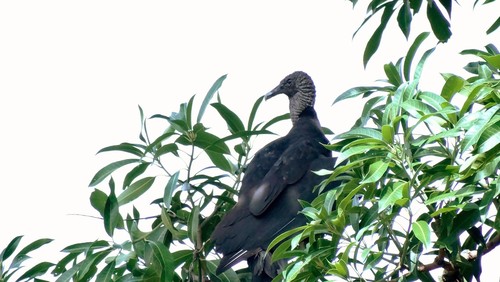
Black Vulture
56-68 cm (22-27 in) long, 137-165 cm wingspan
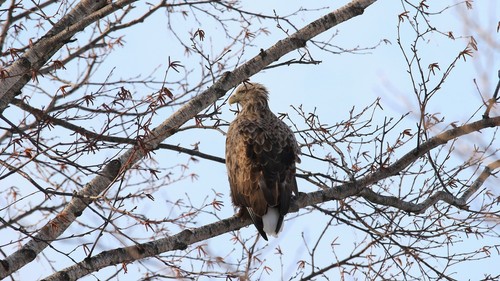
White-tailed Eagle
66-94 cm body length; wingspan 178-245 cm, among the largest eagles in the world
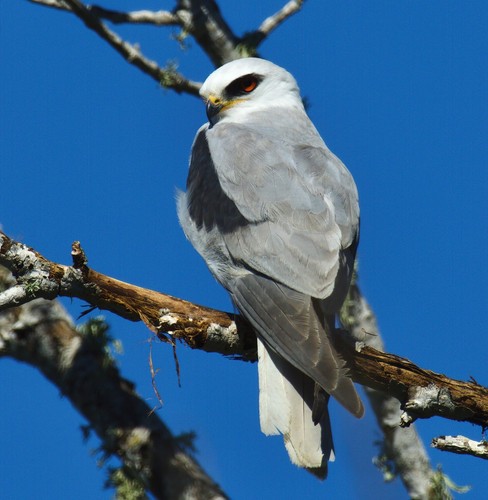
White-tailed Kite
35-43 cm (14-17 in) long, 88-102 cm (35-40 in) wingspan
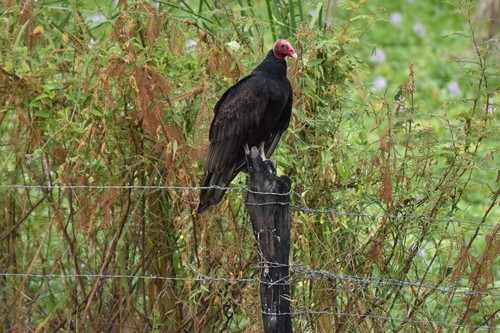
Turkey Vulture
64-81 cm (25-32 in) long, 160-183 cm wingspan
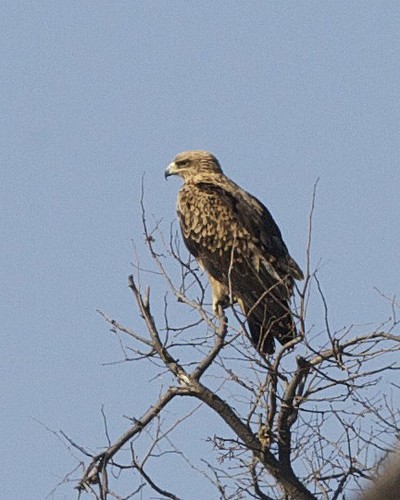
Tawny Eagle
62–75 cm long; wingspan 1.65–2.0 m
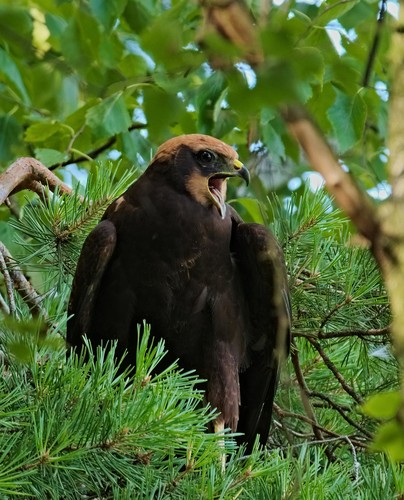
Western Marsh Harrier
Body 43-56 cm; wingspan 115-140 cm
Swallow-tailed Kite
48-68 cm (19-27 in) long including tail streamers, 112-136 cm (44-54 in) wingspan
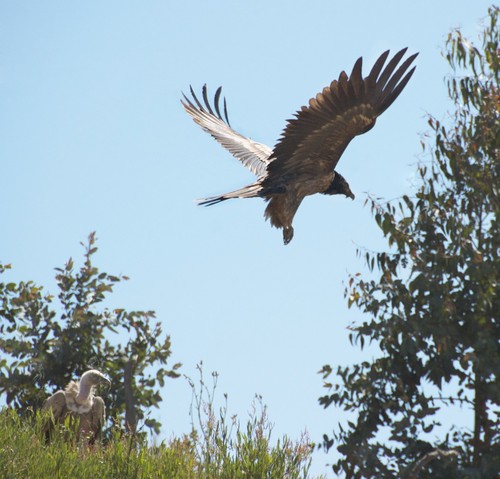
White-backed Vulture
78-98 cm long, wingspan 1.96-2.25 m
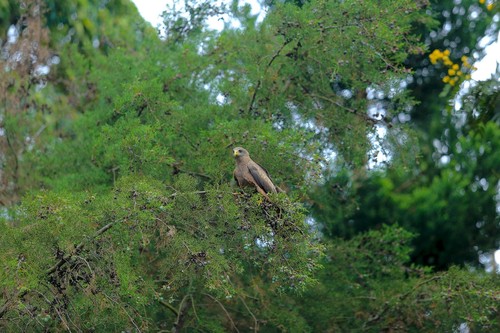
Yellow-billed Kite
55-60 cm long; wingspan 130-155 cm
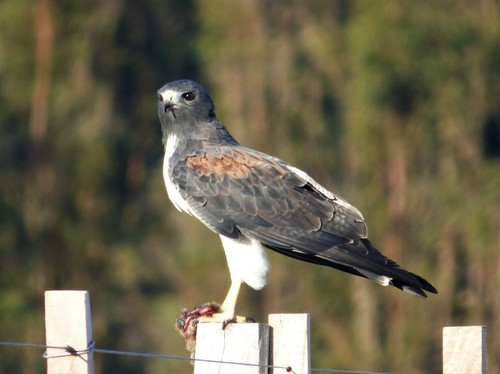
White-tailed Hawk
46-59 cm (18-23 in) long, 122-142 cm (48-56 in) wingspan
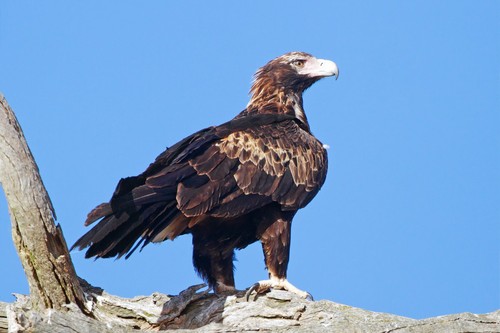
Wedge-tailed Eagle
Body 85–106 cm (33–42 in); wingspan up to 232 cm (7.6 ft); Australia's largest bird of prey