
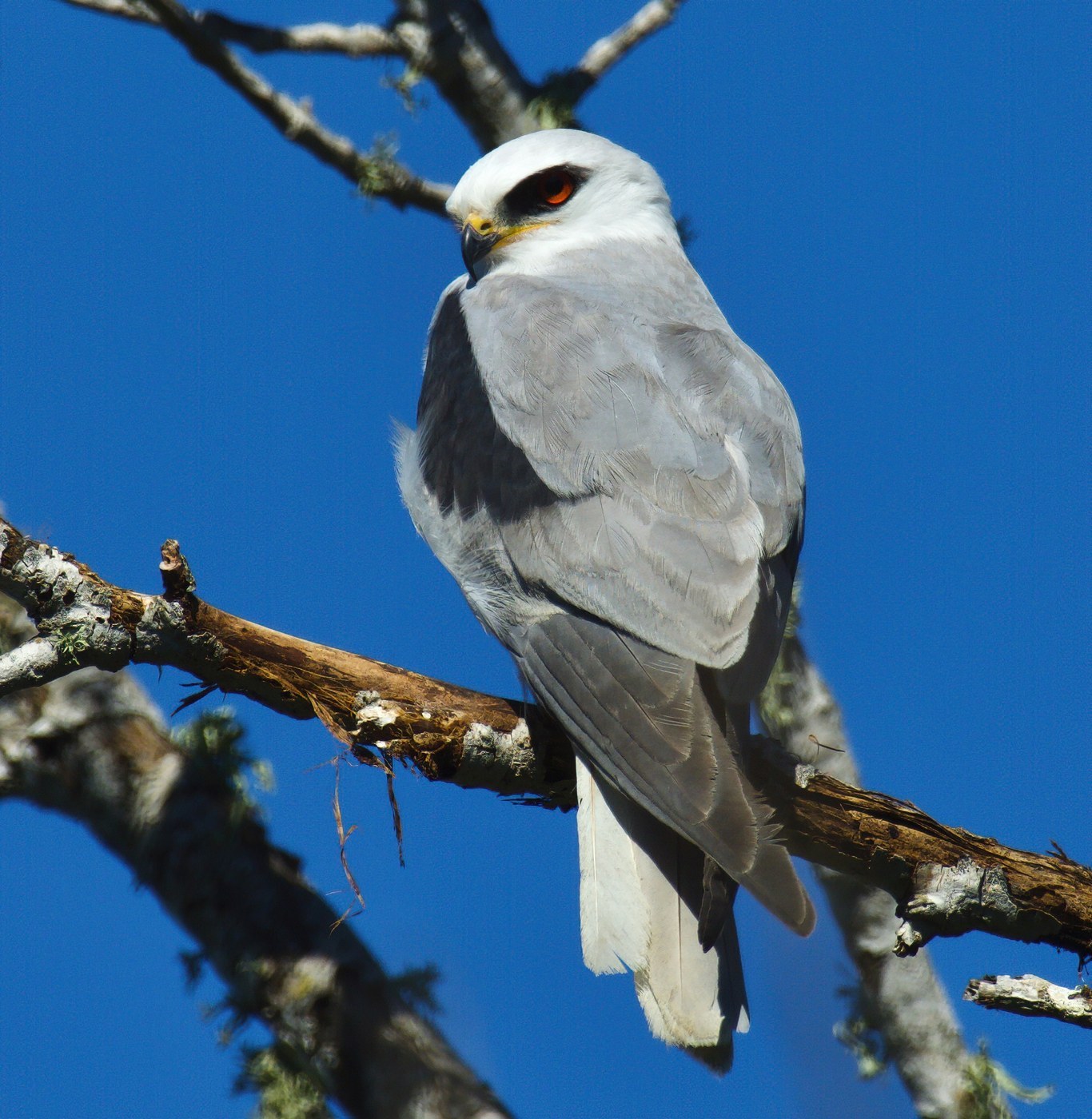
White-tailed Kite
Elanus leucurus
A pale, elegant hawk with black shoulder patches that hunts by hovering gracefully over open fields on beating wings.
- Size
- 35-43 cm (14-17 in) long, 88-102 cm (35-40 in) wingspan
- Habitat
- open grasslands, farmland, marshes, and savanna
- Type
- raptor
Spotted a bird like this?
Identify any bird from a photo, free.
Overview
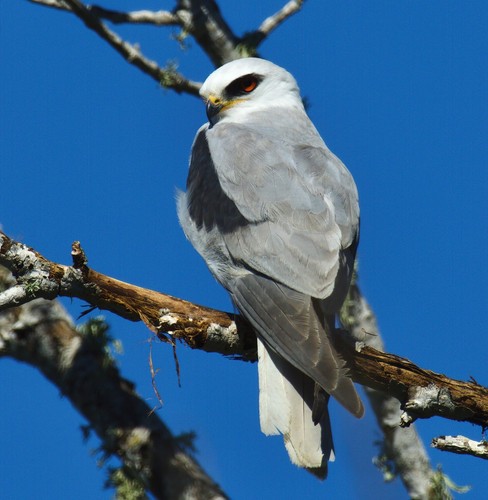
The White-tailed Kite is a strikingly pale, gull-like raptor of open country, with pearl-gray upperparts, a white head, breast, and tail, and bold black patches on the shoulders (leading edge of the wing) that are diagnostic in flight. Its wings are long and pointed, and its eyes are a vivid red-orange, giving adults a distinctive expression.
Rather than soaring high or perching motionless to wait for prey, this kite is famous for its buoyant, hovering flight, hanging in place on rapidly beating wings above a field, head down, scanning for movement in the grass below before dropping onto prey feet-first.
How to identify it
Key Field Marks
- Pale gray back, white underparts, and a white tail (no dark band)
- Bold black patch at the bend of the wing, visible both perched and in flight
- Red-orange eyes
- Long, pointed wings and frequent hovering ("kiting") flight over open ground
Similar Species
- Mississippi Kite: overall gray, lacks black shoulder patches and white tail, and has a darker, more uniform look.
- Northern Harrier: larger, browner or grayer overall with a white rump patch (not a fully white tail) and low, coursing flight over marshes rather than hovering.
- Gulls or terns at a distance: ruled out by the kite's raptorial shape, hooked bill, and hunting behavior over land.
Habitat & range
Range
White-tailed Kites are resident across parts of the southern and western United States (especially California, Texas, and the Gulf Coast), Mexico, Central America, and much of South America.
Habitat
They favor open grasslands, agricultural fields, marshes, and savanna with scattered trees for perching and nesting. Populations can shift locally in response to rodent abundance, and the species underwent a dramatic range expansion and recovery in California during the 20th century after near-extirpation.
Behavior & voice
Hunting
The hallmark behavior of this species is its hovering hunting style: the kite flies into the wind, holds a stationary position 10-30 meters above a field with legs dangling, then drops in stages onto rodents hidden in the grass.
Voice
Calls include thin, whistled notes and a repeated, high-pitched "keep, keep, keep" given near the nest or in territorial disputes.
Nesting
Pairs build a stick nest lined with grass near the top of a tree, often in a loose grove overlooking open hunting ground. Clutches usually contain three to five eggs, and males feed the incubating female and later the young.
Frequently asked questions
Why does the White-tailed Kite hover in place?
Hovering, or kiting, lets it scan open ground closely for rodent movement without needing a perch, a hunting technique well suited to flat grasslands and farmland.
What color are a White-tailed Kite's eyes?
Adults have striking red-orange eyes, which stand out against their pale gray-and-white plumage.
How is a White-tailed Kite different from a Mississippi Kite?
The White-tailed Kite has a white tail and bold black shoulder patches, while the Mississippi Kite is more uniformly gray without those markings.
What do White-tailed Kites eat?
Mainly voles and other small rodents, occasionally supplemented with large insects and small birds.
White-tailed Kite guides
In-depth guides for identifying, finding, and understanding White-tailed Kite.
Other birds you may enjoy
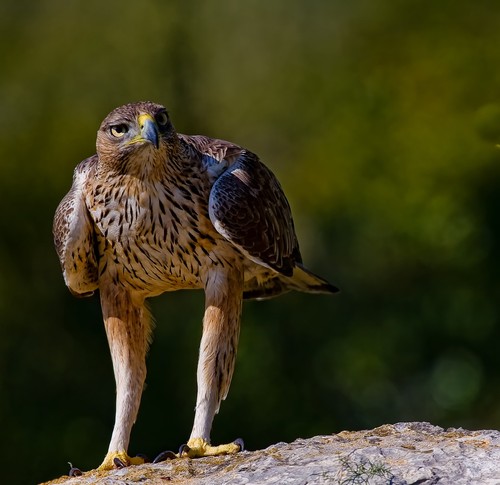
Bonelli's Eagle
Body 65–72 cm (26–28 in); wingspan 150–180 cm (59–71 in)
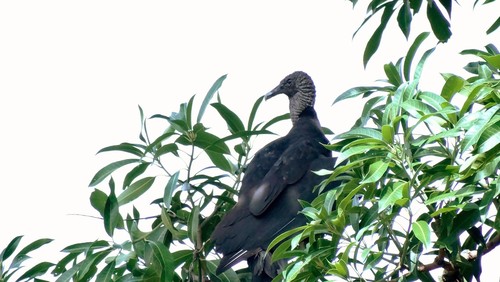
Black Vulture
56-68 cm (22-27 in) long, 137-165 cm wingspan
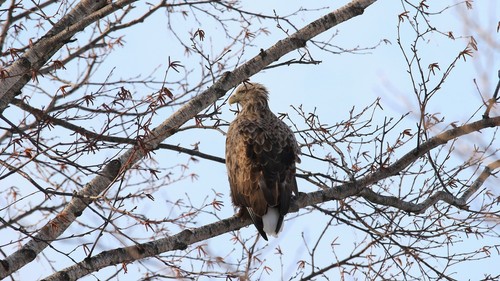
White-tailed Eagle
66-94 cm body length; wingspan 178-245 cm, among the largest eagles in the world
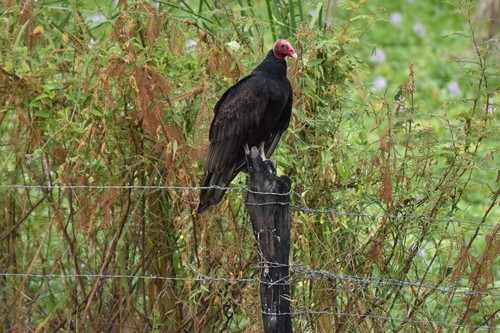
Turkey Vulture
64-81 cm (25-32 in) long, 160-183 cm wingspan
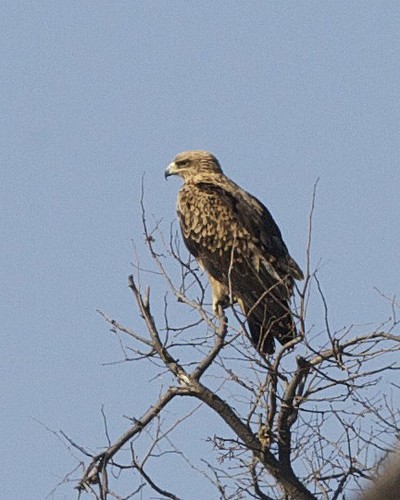
Tawny Eagle
62–75 cm long; wingspan 1.65–2.0 m
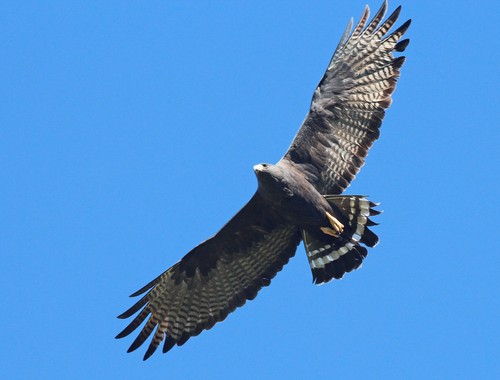
Zone-tailed Hawk
46-56 cm (18-22 in) long, 118-140 cm (46-55 in) wingspan
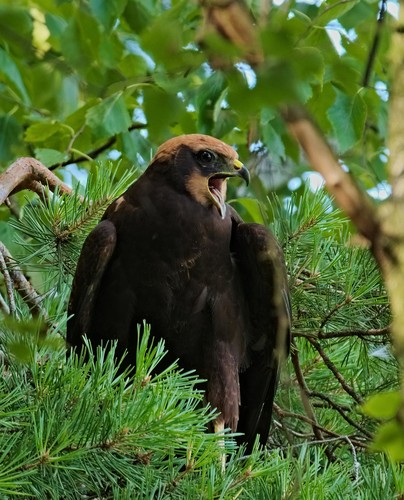
Western Marsh Harrier
Body 43-56 cm; wingspan 115-140 cm
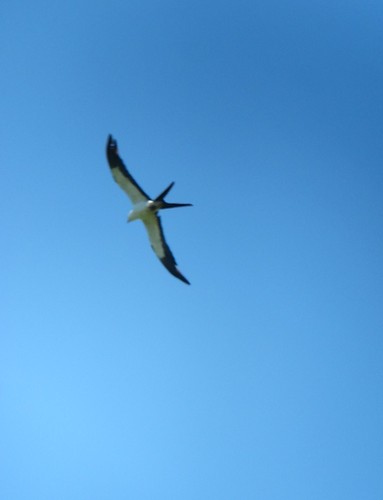
Swallow-tailed Kite
48-68 cm (19-27 in) long including tail streamers, 112-136 cm (44-54 in) wingspan
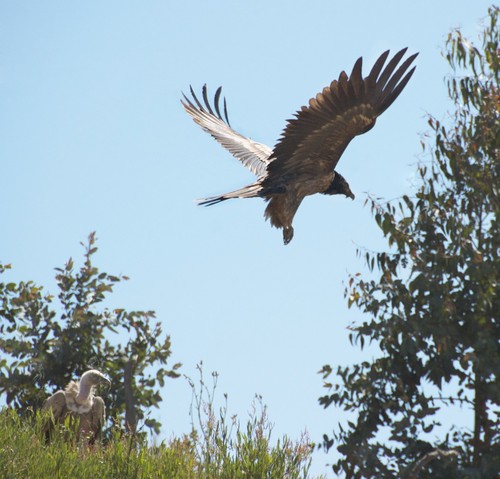
White-backed Vulture
78-98 cm long, wingspan 1.96-2.25 m
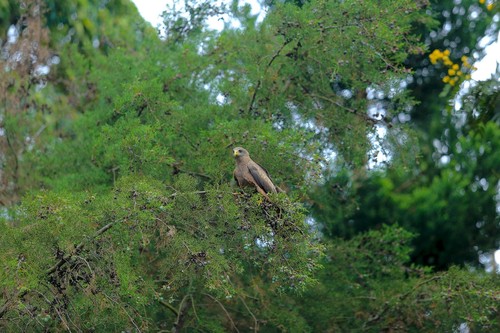
Yellow-billed Kite
55-60 cm long; wingspan 130-155 cm
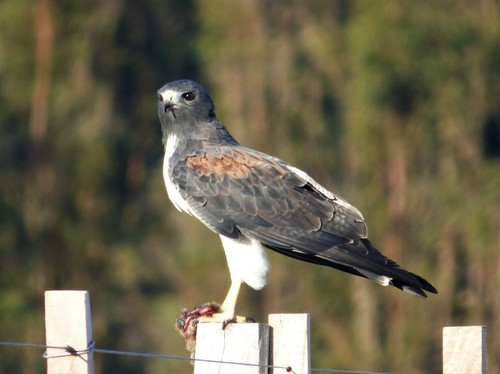
White-tailed Hawk
46-59 cm (18-23 in) long, 122-142 cm (48-56 in) wingspan
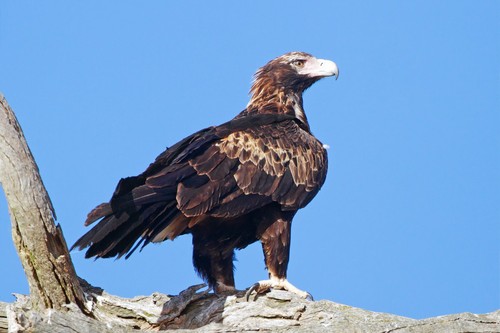
Wedge-tailed Eagle
Body 85–106 cm (33–42 in); wingspan up to 232 cm (7.6 ft); Australia's largest bird of prey