
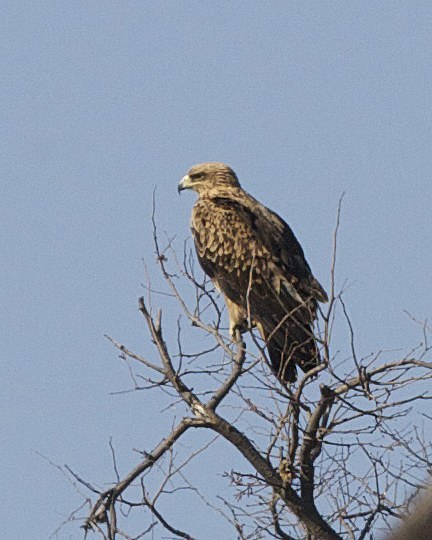
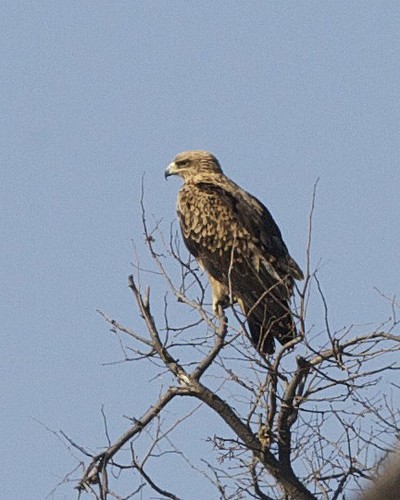
Tawny Eagle
Aquila rapax
A variably colored savanna eagle of Africa known for its highly opportunistic feeding, from scavenging carcasses to stealing prey from other birds.
- Size
- 62–75 cm long; wingspan 1.65–2.0 m
- Habitat
- Open savanna, semi-desert, and grassland
- Type
- raptor
Spotted a bird like this?
Identify any bird from a photo, free.
Overview
The Tawny Eagle is a medium-sized, sturdily built eagle of Africa's open country, notable for the wide variation in its plumage color, which ranges from pale buff or almost white to dark chocolate-brown, even among birds from the same population. Most individuals show some tawny or rufous tone, giving the species its name.
It has a relatively small head for its body size, broad wings, and a short, rounded tail, with a yellow gape line that reaches roughly to the eye — an important feature for separating it from similar eagles.
How to identify it
Key field marks
- Highly variable plumage from pale buff to dark brown, usually with a tawny cast
- Yellow gape line extending to about the eye (not beyond it)
- Relatively small head and bill compared to body size
- Broad wings and short tail typical of open-country soaring eagles
Similar species
The Steppe Eagle, a Palearctic migrant that winters in Africa, is very similar but generally larger, with a yellow gape line extending back behind the eye and more evenly barred flight feathers. Juvenile Tawny Eagles show pale wing bars and a paler rump, which fade with age, and can also resemble juveniles of other Aquila eagles.
Habitat & range
Range
Widespread across sub-Saharan Africa; a closely related population in the Indian subcontinent is treated by some authorities as a separate species (Indian Spotted Eagle relatives), though true Tawny Eagle numbers there have declined sharply.
Habitat
Favors open savanna, thornveld, semi-desert, and grassland with scattered trees for nesting and perching.
Movement
Mostly sedentary but can be locally nomadic, following rainfall, prey abundance, and large herbivore herds that attract carrion opportunities.
Behavior & voice
Behavior
The Tawny Eagle is a highly opportunistic feeder, soaring for extended periods to scan for carrion and often being among the first scavengers to arrive at a carcass. It readily hunts live prey as well, and is a persistent kleptoparasite, aggressively chasing other raptors to force them to drop or abandon their catch.
Voice
Gives harsh, barking calls, most often around the nest or during territorial disputes.
Nesting
Builds a large stick nest in a tree, typically laying one to three eggs; pairs may reuse and enlarge the same nest over successive years.
Frequently asked questions
Why does the Tawny Eagle vary so much in color?
Individual Tawny Eagles range from pale buff to dark brown regardless of age, sex, or location, a natural plumage variation (polymorphism) unrelated to subspecies.
How do you tell a Tawny Eagle from a Steppe Eagle?
The Tawny Eagle has a yellow gape line reaching only to about the eye and is generally smaller, while the Steppe Eagle's gape line extends behind the eye and it tends to be larger with more evenly barred flight feathers.
What does the Tawny Eagle eat?
It is a highly opportunistic feeder, eating carrion, live small to medium mammals, birds, and reptiles, and frequently stealing prey from other raptors.
Why is the Tawny Eagle considered Vulnerable?
Populations have declined due to poisoning, habitat loss, collisions with power infrastructure, and reduced prey and carrion availability outside protected areas.
Where does the Tawny Eagle live?
It occurs across open savanna, semi-desert, and grassland throughout sub-Saharan Africa, with a related population historically in the Indian subcontinent.
Tawny Eagle guides
In-depth guides for identifying, finding, and understanding Tawny Eagle.
Other birds you may enjoy
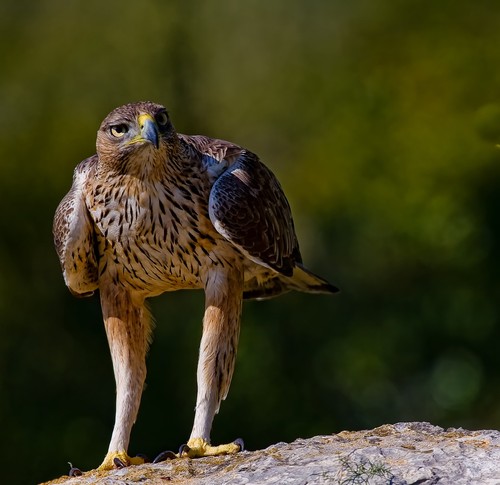
Bonelli's Eagle
Body 65–72 cm (26–28 in); wingspan 150–180 cm (59–71 in)
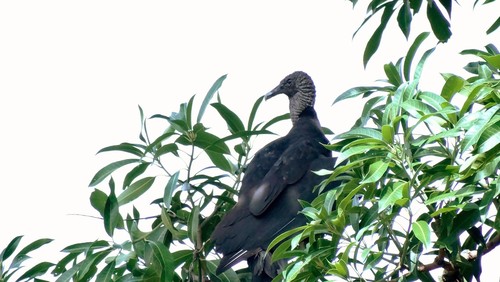
Black Vulture
56-68 cm (22-27 in) long, 137-165 cm wingspan
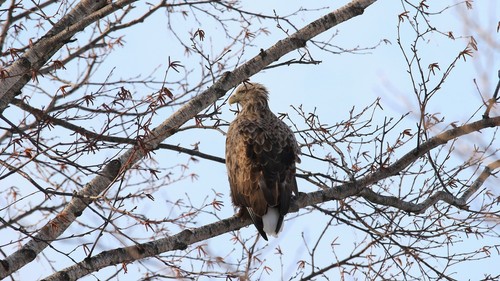
White-tailed Eagle
66-94 cm body length; wingspan 178-245 cm, among the largest eagles in the world
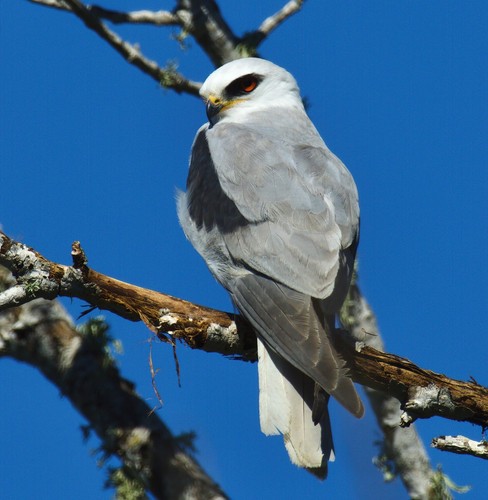
White-tailed Kite
35-43 cm (14-17 in) long, 88-102 cm (35-40 in) wingspan
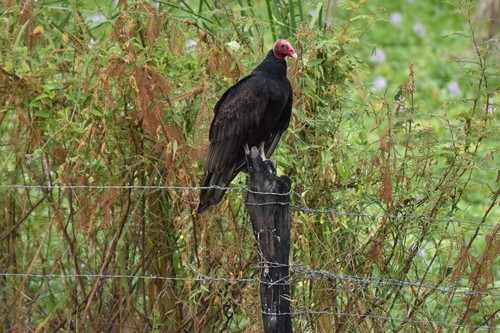
Turkey Vulture
64-81 cm (25-32 in) long, 160-183 cm wingspan
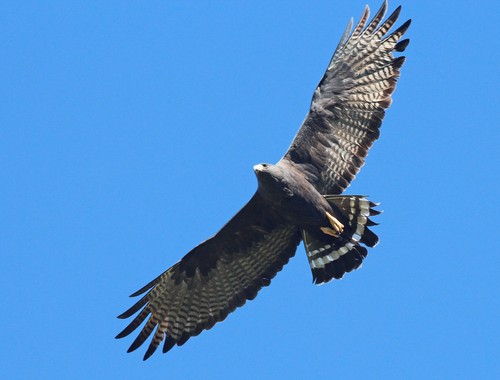
Zone-tailed Hawk
46-56 cm (18-22 in) long, 118-140 cm (46-55 in) wingspan
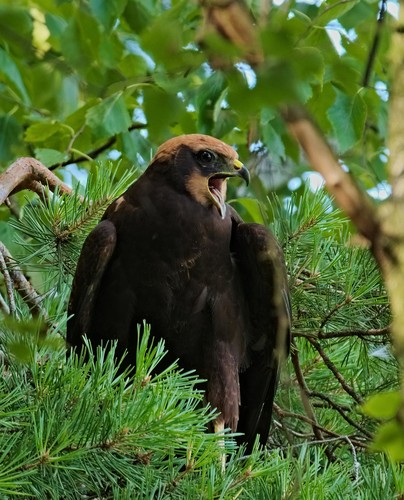
Western Marsh Harrier
Body 43-56 cm; wingspan 115-140 cm
Swallow-tailed Kite
48-68 cm (19-27 in) long including tail streamers, 112-136 cm (44-54 in) wingspan
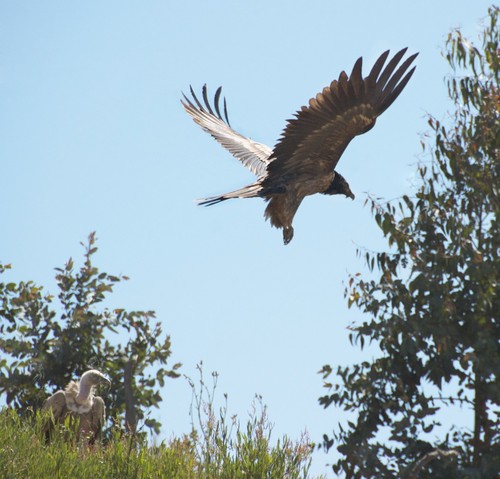
White-backed Vulture
78-98 cm long, wingspan 1.96-2.25 m
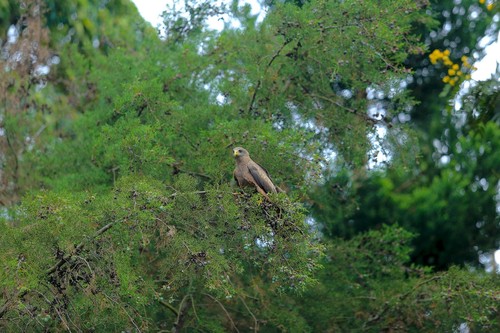
Yellow-billed Kite
55-60 cm long; wingspan 130-155 cm
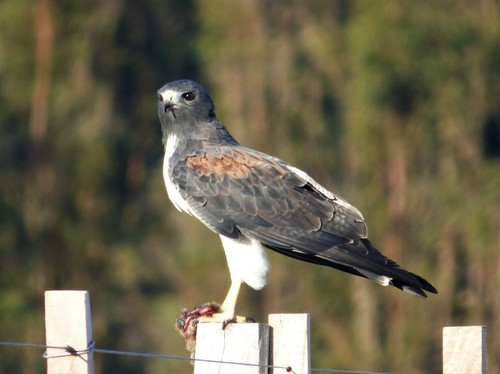
White-tailed Hawk
46-59 cm (18-23 in) long, 122-142 cm (48-56 in) wingspan
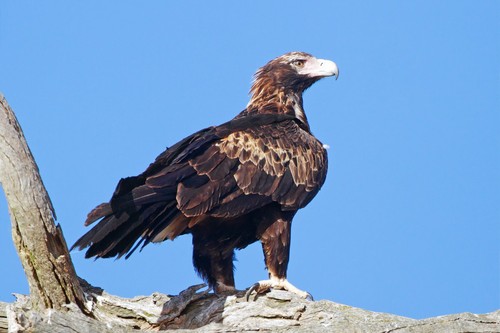
Wedge-tailed Eagle
Body 85–106 cm (33–42 in); wingspan up to 232 cm (7.6 ft); Australia's largest bird of prey