
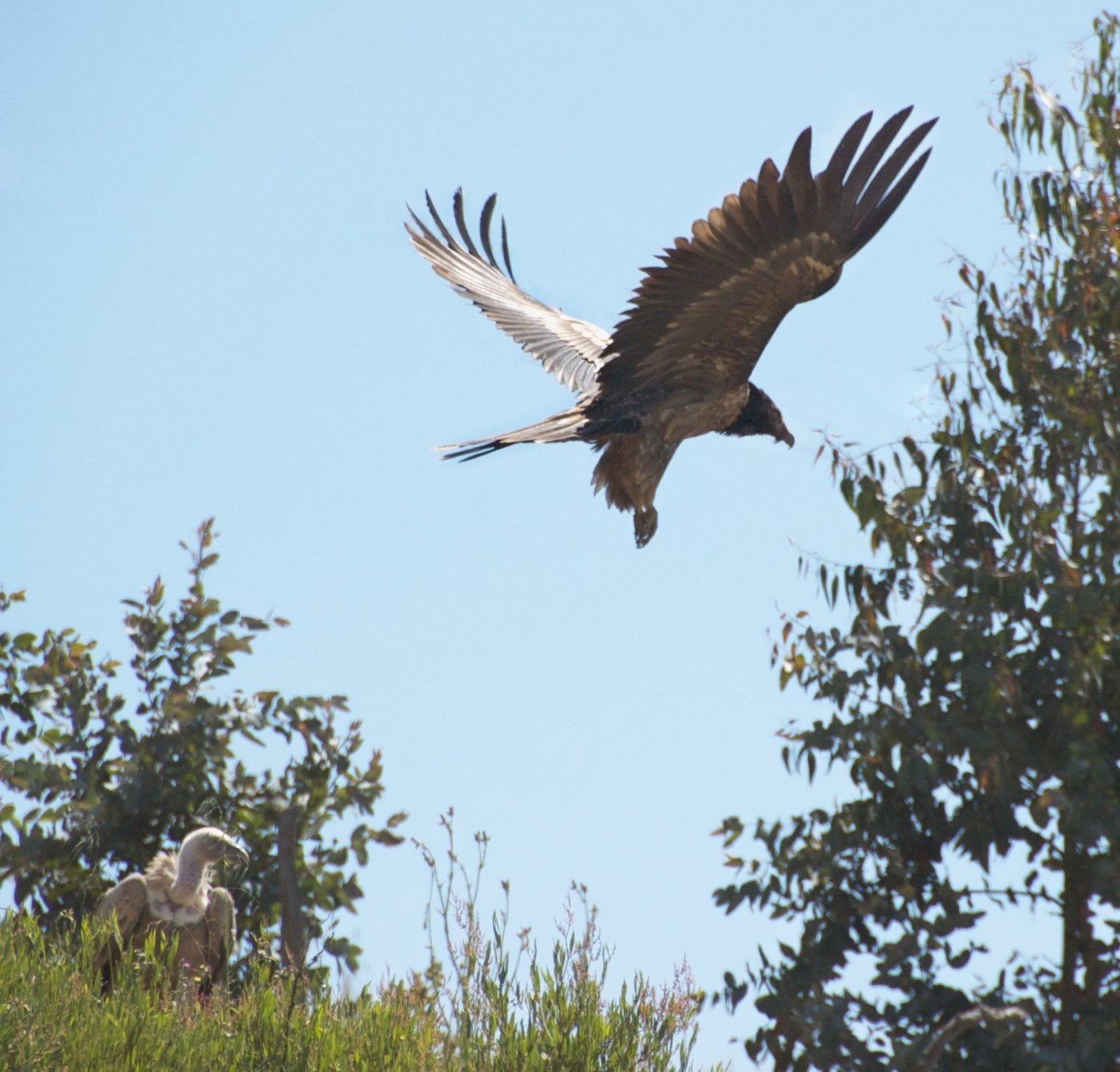
White-backed Vulture
Gyps africanus
A gregarious African savanna vulture, once the continent's most numerous vulture, now Critically Endangered due to poisoning.
- Size
- 78-98 cm long, wingspan 1.96-2.25 m
- Habitat
- African savanna and open woodland
- Type
- raptor
Spotted a bird like this?
Identify any bird from a photo, free.
Overview
The White-backed Vulture is a medium-large Gyps vulture native to sub-Saharan Africa. It has overall dark brown body plumage with a bare, pinkish-grey head and neck topped by a whitish downy ruff at the base of the neck.
The species takes its name from a whitish patch on the lower back and rump, which contrasts with the otherwise dark plumage and is most visible from above or in certain flight views. In flight from below, pale underwing coverts contrast against darker flight feathers.
How to identify it
Key Field Marks
- Whitish lower back/rump patch (best seen in flight or from above)
- Bare greyish-pink head and neck with a pale downy ruff
- Dark brown body plumage overall
Similar Species
- Rüppell's Griffon Vulture — scaly, pale-edged feathers and a yellow bill base
- Cape Vulture — larger, with paler cream-buff body and bluish skin tones
- Hooded Vulture — much smaller with a slender bill and no pale back patch
The combination of medium-large size, dark body, and pale rump patch is diagnostic.
Habitat & range
Range
Found across sub-Saharan Africa from Senegal and Sudan south to South Africa, in savanna, open woodland, and plains.
Habitat
Prefers open habitats with scattered tall trees for nesting, avoiding dense forest.
Movements
Not strictly migratory, but wide-ranging and somewhat nomadic, capable of traveling long distances in search of carcasses.
Behavior & voice
Feeding
Highly social, often gathering in large numbers at carcasses alongside other vulture species. Locates food visually, both directly and by observing the movements of other scavengers.
Nesting and Breeding
Nests colonially in tall trees, typically Acacia, building large stick nests. Lays a single egg per breeding attempt.
Conservation Threats
Populations have crashed by more than 90% in parts of its range, primarily due to poisoning — both deliberate (targeting predators or to conceal poaching) and incidental — as well as veterinary drug contamination and collisions with power lines.
Frequently asked questions
Why are White-backed Vultures endangered?
Mass poisoning incidents, often from poisoned carcasses set out for predators or by poachers, along with power-line collisions, have caused catastrophic population declines.
How do you identify a White-backed Vulture?
Look for a pale whitish patch on the lower back and rump against an otherwise dark brown body, most visible in flight.
Where do White-backed Vultures live?
In savanna and open woodland across sub-Saharan Africa.
What do White-backed Vultures eat?
They feed exclusively on carrion.
Are White-backed Vultures social birds?
Yes, they are highly gregarious, feeding in large groups at carcasses and nesting in loose colonies.
White-backed Vulture guides
In-depth guides for identifying, finding, and understanding White-backed Vulture.
Other birds you may enjoy
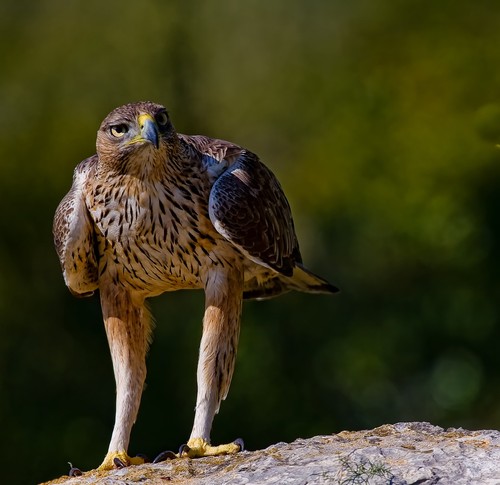
Bonelli's Eagle
Body 65–72 cm (26–28 in); wingspan 150–180 cm (59–71 in)
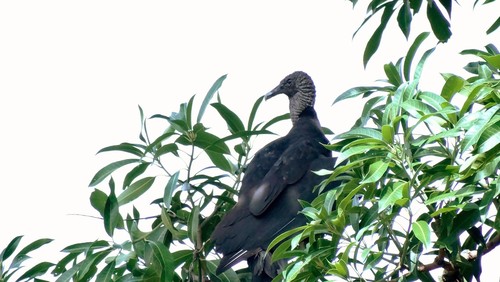
Black Vulture
56-68 cm (22-27 in) long, 137-165 cm wingspan
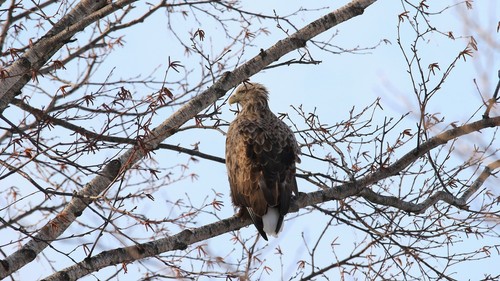
White-tailed Eagle
66-94 cm body length; wingspan 178-245 cm, among the largest eagles in the world
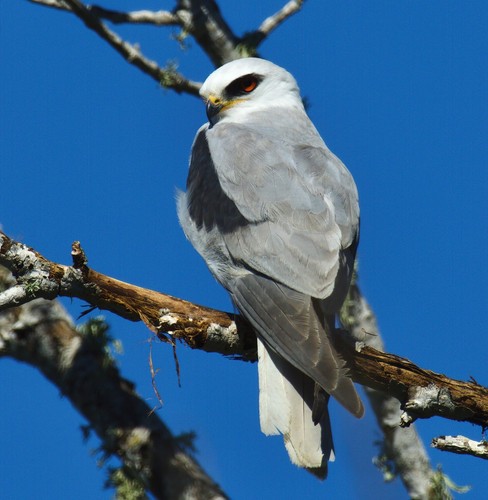
White-tailed Kite
35-43 cm (14-17 in) long, 88-102 cm (35-40 in) wingspan
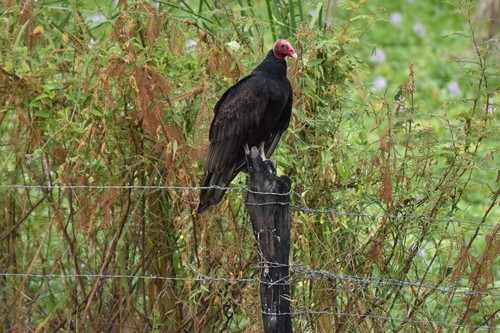
Turkey Vulture
64-81 cm (25-32 in) long, 160-183 cm wingspan
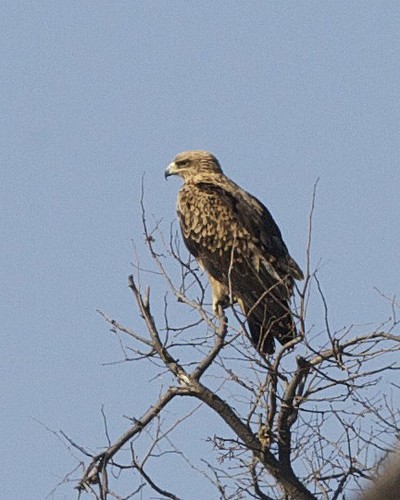
Tawny Eagle
62–75 cm long; wingspan 1.65–2.0 m
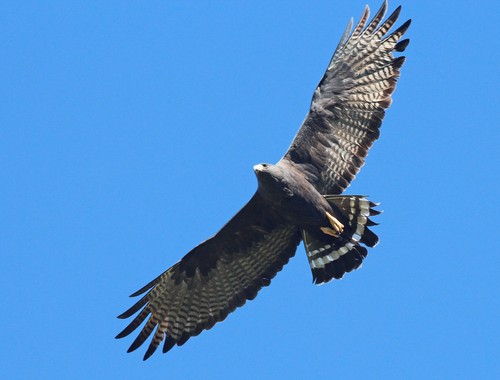
Zone-tailed Hawk
46-56 cm (18-22 in) long, 118-140 cm (46-55 in) wingspan
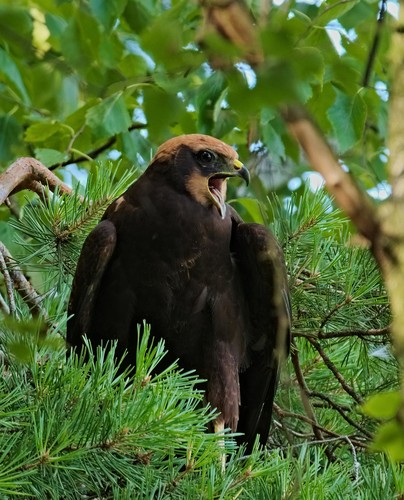
Western Marsh Harrier
Body 43-56 cm; wingspan 115-140 cm
Swallow-tailed Kite
48-68 cm (19-27 in) long including tail streamers, 112-136 cm (44-54 in) wingspan
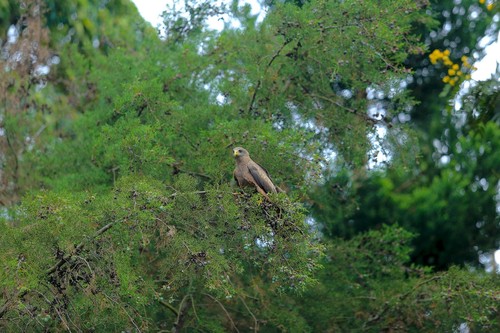
Yellow-billed Kite
55-60 cm long; wingspan 130-155 cm
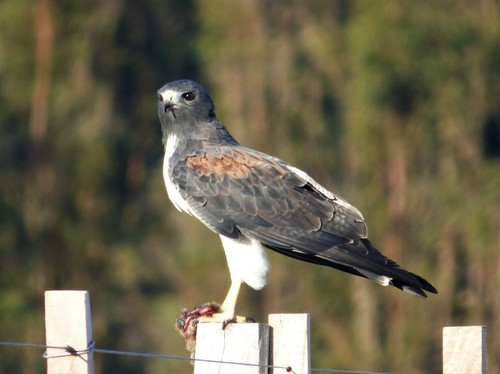
White-tailed Hawk
46-59 cm (18-23 in) long, 122-142 cm (48-56 in) wingspan
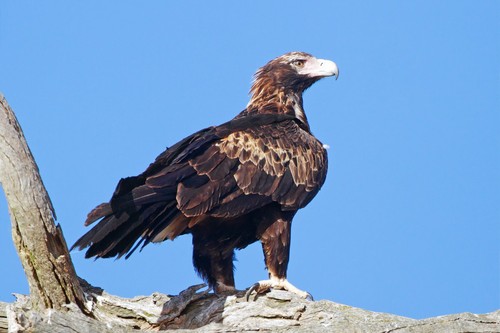
Wedge-tailed Eagle
Body 85–106 cm (33–42 in); wingspan up to 232 cm (7.6 ft); Australia's largest bird of prey