
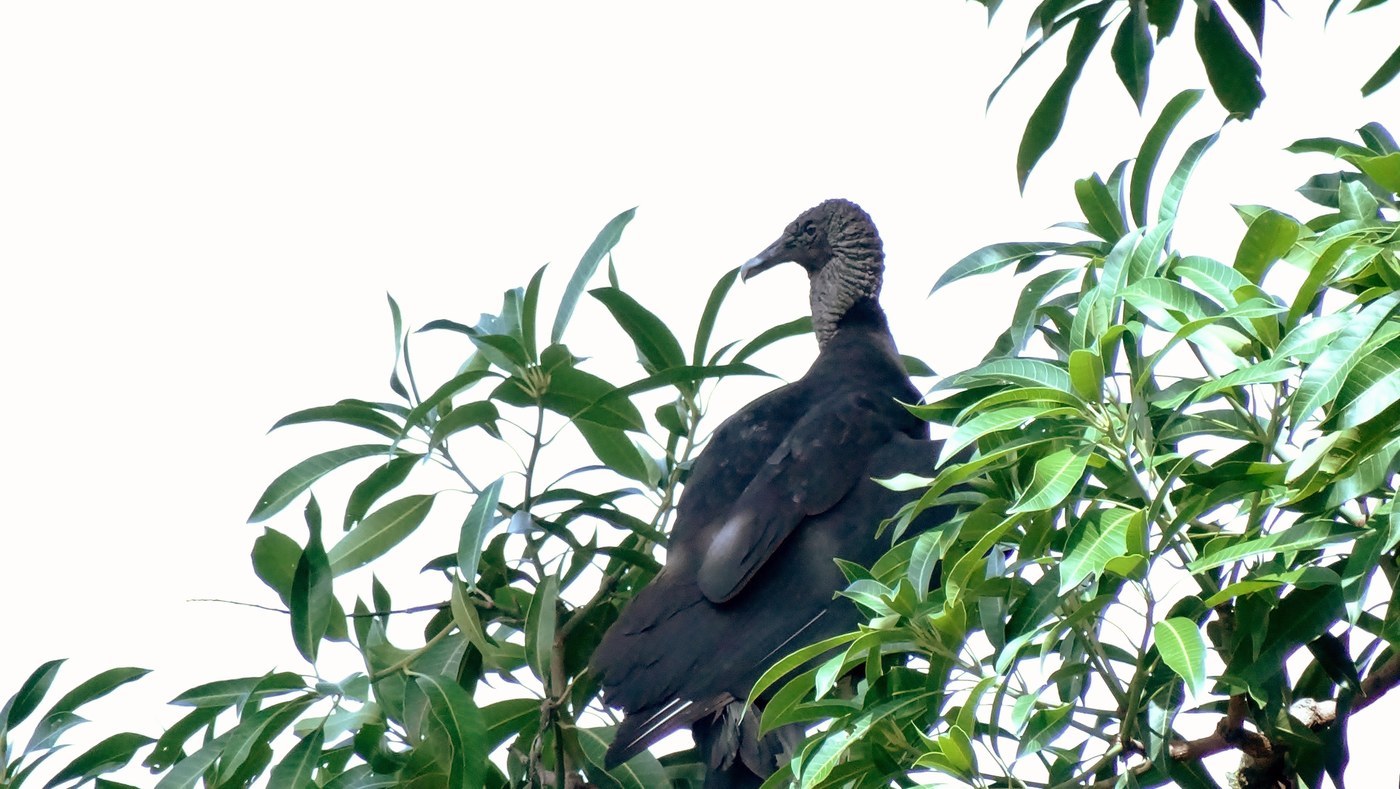
Black Vulture
Coragyps atratus
A stocky, all-black scavenger with a bare gray head and short, broad wings, recognized in flight by white patches near the wingtips and quick, choppy flapping.
- Size
- 56-68 cm (22-27 in) long, 137-165 cm wingspan
- Habitat
- open country, farmland, forest edges, and urban/suburban areas across the southern and eastern Americas
- Type
- raptor
Spotted a bird like this?
Identify any bird from a photo, free.
Overview
The Black Vulture is a stocky, entirely black scavenger with a bare, wrinkled gray-black head and a short, squared tail. Its build is noticeably more compact than the Turkey Vulture, with broader, shorter wings suited to quicker, more powerful flapping flight rather than extended effortless soaring.
In flight, the most useful field mark is a pale, whitish patch confined to the outer primaries near each wingtip, visible against otherwise uniformly dark wings and body. Unlike the Turkey Vulture, it lacks a strong sense of smell and instead relies on keen eyesight, often following Turkey Vultures to carcasses that the more olfactorily gifted species locates first.
Social and sometimes aggressive, Black Vultures often gather in larger, more cohesive groups than Turkey Vultures and can dominate carcasses through sheer numbers.
How to identify it
Key Field Marks
- Short, broad wings held flat in flight (not in a V)
- Quick, choppy flapping alternated with short glides
- Bare gray-black head; short, squared tail that barely extends past the wings
- Pale whitish patches restricted to the wingtips (outer primaries) only
Similar Species
- Turkey Vulture has longer wings held in a shallow V, an unsteady, tilting soaring flight, a red (not gray) head in adults, and two-toned silvery-gray flight feathers across the whole wing rather than just the tips.
- Eagles have feathered heads and different wing proportions, and lack the vulture's characteristic wingtip patches.
Habitat & range
Black Vultures are common across the southeastern and south-central United States, Mexico, Central America, and much of South America, occurring in open farmland, forest edges, wetlands, and increasingly in suburban and urban areas where they scavenge around roadsides and landfills. Their range has been expanding northward in recent decades.
Most populations are non-migratory and resident year-round, forming stable communal roosts that can include large extended family groups.
Behavior & voice
Behavior
Black Vultures are highly social, roosting and often feeding in large groups, and are known to dominate carcasses over the more solitary Turkey Vulture through sheer numbers. They rely on sight rather than smell, often watching Turkey Vultures and following them down to carrion.
Voice
Like other New World vultures, Black Vultures lack a true syrinx and are essentially voiceless, limited to low hisses and grunts used in aggressive or defensive encounters.
Feeding
The diet is primarily carrion, but Black Vultures are more opportunistic than Turkey Vultures and will occasionally take eggs, small live animals, or scavenge around human refuse and agricultural areas.
Nesting & Breeding
Black Vultures nest on the ground or in dense cover, such as hollow logs, thickets, caves, or abandoned buildings, without building an actual nest structure, laying 1-3 eggs. Family groups often remain associated well beyond fledging, an unusual degree of extended social bonding for a raptor.
Frequently asked questions
How can you tell a Black Vulture from a Turkey Vulture?
Black Vultures have shorter, broader wings held flat with quick choppy flapping and white patches only at the wingtips, while Turkey Vultures soar with longer wings in a shallow V, an unsteady tilting flight, and silvery-gray flight feathers across the whole wing.
Do Black Vultures have a sense of smell?
No, unlike Turkey Vultures, Black Vultures have a poorly developed sense of smell and locate food mainly by sight, often by watching Turkey Vultures and following them to carcasses.
Are Black Vultures aggressive?
They are more social and assertive than Turkey Vultures, often gathering in numbers to displace other scavengers from a carcass, though they pose no general threat to people.
Where do Black Vultures nest?
They nest on the ground or in sheltered spots such as hollow logs, dense thickets, caves, or abandoned structures, without constructing an actual nest.
Black Vulture guides
In-depth guides for identifying, finding, and understanding Black Vulture.
Other birds you may enjoy
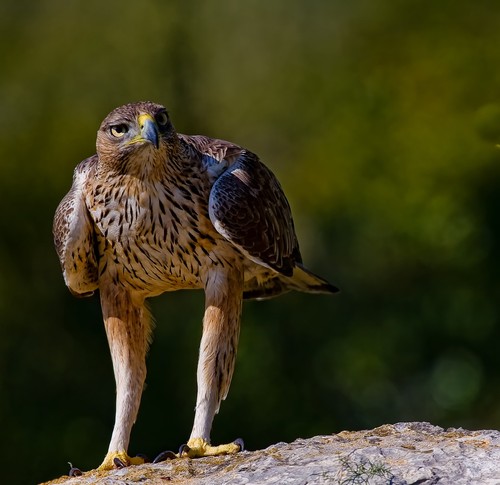
Bonelli's Eagle
Body 65–72 cm (26–28 in); wingspan 150–180 cm (59–71 in)
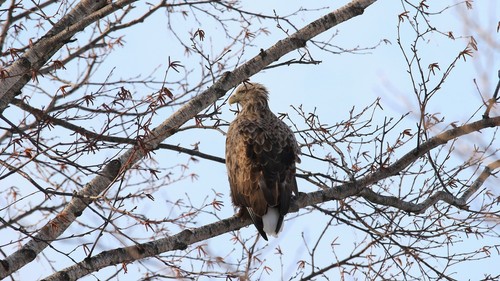
White-tailed Eagle
66-94 cm body length; wingspan 178-245 cm, among the largest eagles in the world
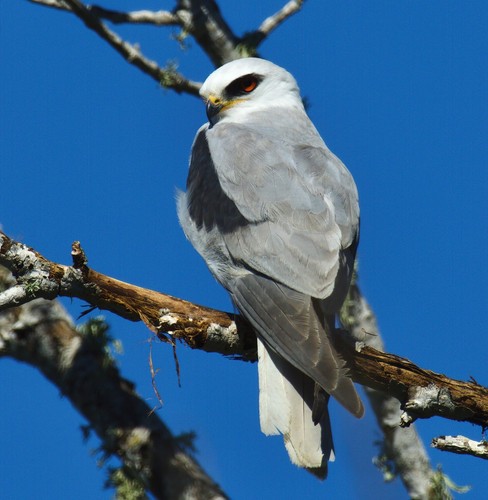
White-tailed Kite
35-43 cm (14-17 in) long, 88-102 cm (35-40 in) wingspan
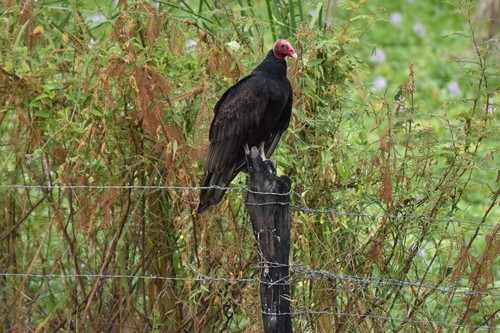
Turkey Vulture
64-81 cm (25-32 in) long, 160-183 cm wingspan
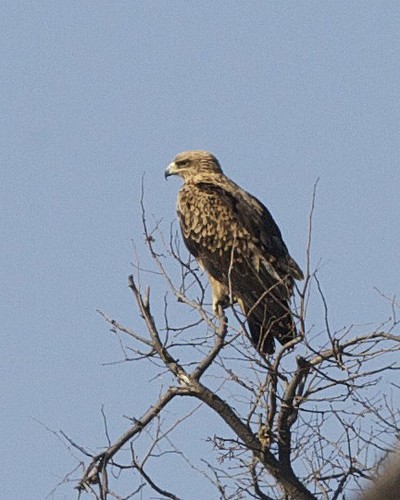
Tawny Eagle
62–75 cm long; wingspan 1.65–2.0 m
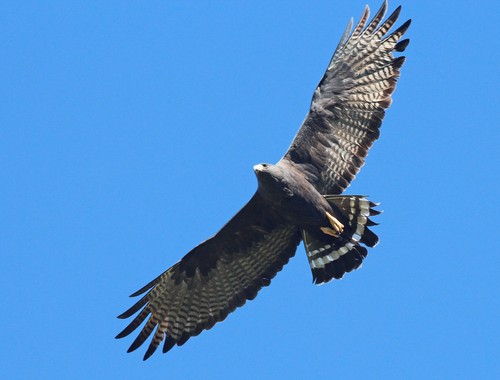
Zone-tailed Hawk
46-56 cm (18-22 in) long, 118-140 cm (46-55 in) wingspan
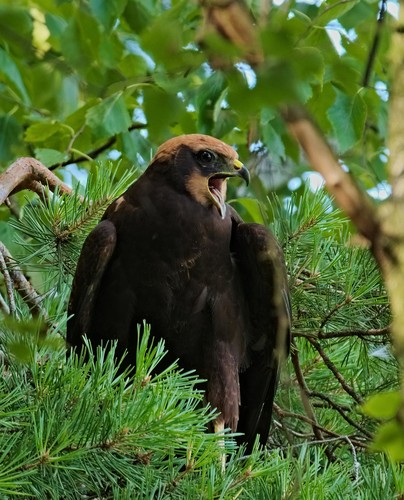
Western Marsh Harrier
Body 43-56 cm; wingspan 115-140 cm
Swallow-tailed Kite
48-68 cm (19-27 in) long including tail streamers, 112-136 cm (44-54 in) wingspan
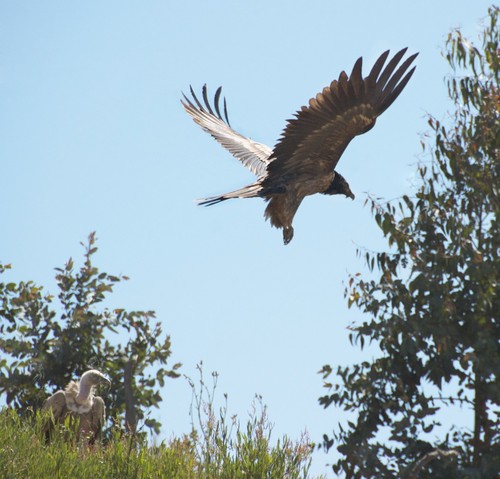
White-backed Vulture
78-98 cm long, wingspan 1.96-2.25 m
Yellow-billed Kite
55-60 cm long; wingspan 130-155 cm
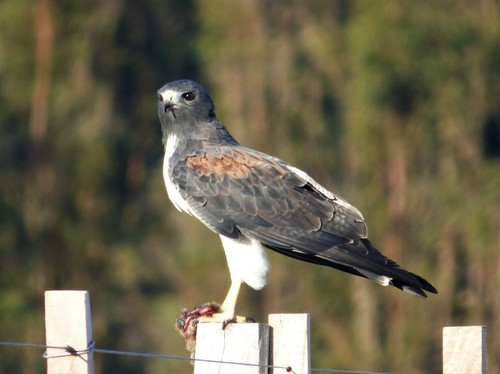
White-tailed Hawk
46-59 cm (18-23 in) long, 122-142 cm (48-56 in) wingspan
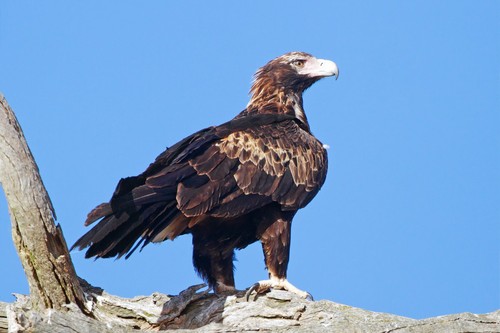
Wedge-tailed Eagle
Body 85–106 cm (33–42 in); wingspan up to 232 cm (7.6 ft); Australia's largest bird of prey