
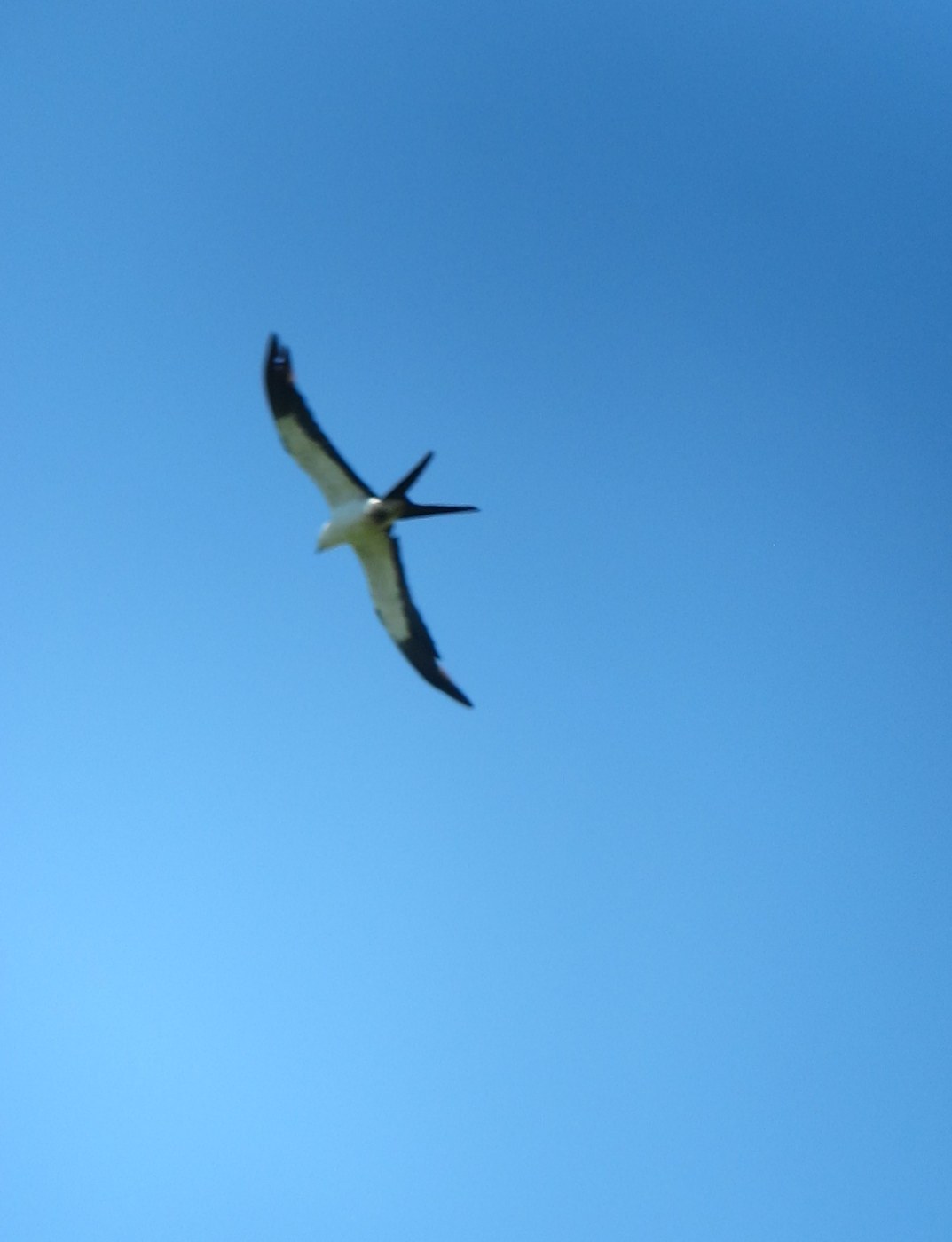
Swallow-tailed Kite
Elanoides forficatus
An unmistakable black-and-white raptor with a deeply forked tail that glides effortlessly over southern swamps.
- Size
- 48-68 cm (19-27 in) long including tail streamers, 112-136 cm (44-54 in) wingspan
- Habitat
- forested wetlands, bottomland hardwood forests, and cypress swamps
- Type
- raptor
Spotted a bird like this?
Identify any bird from a photo, free.
Overview
The Swallow-tailed Kite is one of the most graceful and unmistakable raptors in North America, with crisp white head and underparts contrasting against glossy black wings and back, and an extremely long, deeply forked black tail that opens and closes constantly like scissors during flight. In good light the black plumage shows an iridescent greenish sheen.
Its flight is buoyant and acrobatic, full of banking turns, twists, and long glides with barely a wingbeat, making it a favorite of birders in the swamps and river bottoms of the southeastern United States.
How to identify it
Key Field Marks
- Crisp white head, body, and underwing linings contrasting sharply with jet-black flight feathers, back, and tail
- Extremely long, deeply forked tail, unique among North American raptors
- Long, narrow, pointed wings held flat or slightly drooped in flight
Similar Species
- No other North American raptor shares this combination of white body and long forked black tail, making misidentification unlikely once seen well.
- At a distance, silhouette can suggest a large tern or frigatebird, but the kite's steady gliding flight over forest and wetland habitat is distinctive.
Habitat & range
Range
Swallow-tailed Kites breed in the southeastern United States, concentrated in Florida, South Carolina, Georgia, and parts of the Gulf Coast, with the core global range extending through Central America into South America. They are long-distance migrants, wintering in South America, primarily Brazil.
Habitat
They favor forested wetlands, cypress swamps, bottomland hardwood forests, and pine flatwoods near rivers, using tall trees for nesting while foraging widely over open and wooded country.
Behavior & voice
Flight and Foraging
Swallow-tailed Kites forage almost entirely on the wing, snatching insects, small snakes, lizards, frogs, and nestling birds from foliage in low, graceful passes, and often drinking and bathing by skimming the water's surface in flight.
Voice
The call is a high, shrill, chattering "klee-klee-klee," typically given near the nest or in territorial interactions.
Nesting
Nests are built high in the crown of a tall tree, often a pine, and both parents share incubation and feeding duties. After breeding, kites often gather in large communal roosts before migrating south.
Frequently asked questions
Why is the Swallow-tailed Kite's tail forked?
The deeply forked tail acts like a rudder, giving the kite exceptional maneuverability for banking, twisting, and gliding while it hunts insects and small prey in flight.
Where can I see a Swallow-tailed Kite?
They breed in forested wetlands and river swamps of the southeastern United States, especially Florida, and are most visible in spring and summer before migrating to South America.
What do Swallow-tailed Kites eat?
Mainly large flying insects, along with small reptiles, amphibians, and nestling birds, nearly all caught and consumed on the wing.
Do Swallow-tailed Kites flap their wings much?
Very little; they are among the most accomplished gliders of any raptor, often covering long distances with barely a wingbeat.
Swallow-tailed Kite guides
In-depth guides for identifying, finding, and understanding Swallow-tailed Kite.
Other birds you may enjoy
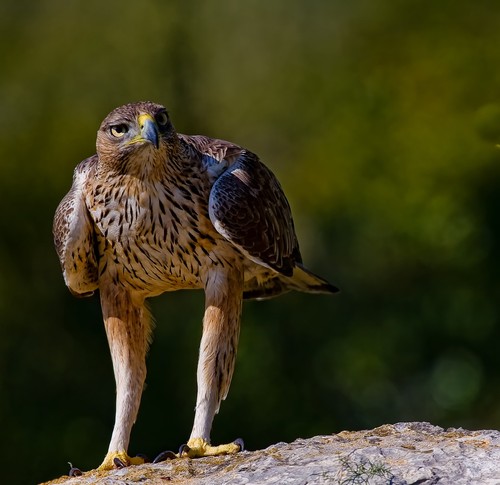
Bonelli's Eagle
Body 65–72 cm (26–28 in); wingspan 150–180 cm (59–71 in)
Black Vulture
56-68 cm (22-27 in) long, 137-165 cm wingspan
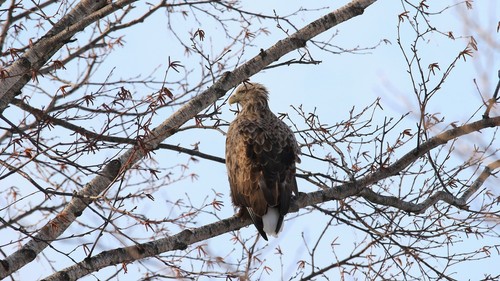
White-tailed Eagle
66-94 cm body length; wingspan 178-245 cm, among the largest eagles in the world
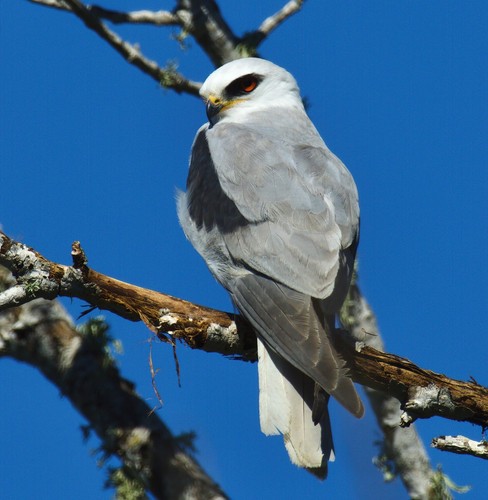
White-tailed Kite
35-43 cm (14-17 in) long, 88-102 cm (35-40 in) wingspan
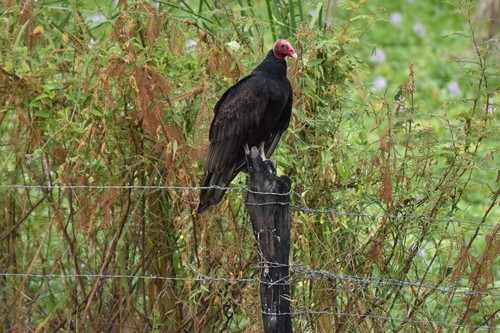
Turkey Vulture
64-81 cm (25-32 in) long, 160-183 cm wingspan
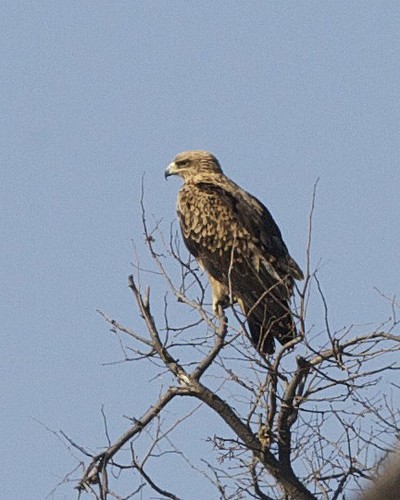
Tawny Eagle
62–75 cm long; wingspan 1.65–2.0 m
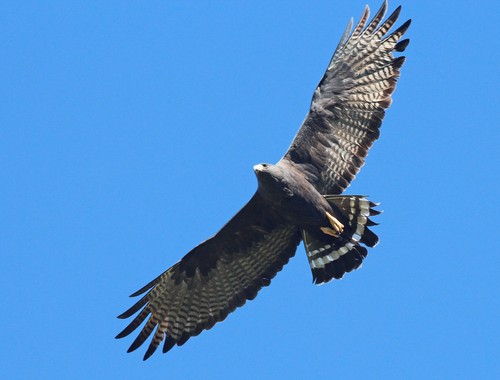
Zone-tailed Hawk
46-56 cm (18-22 in) long, 118-140 cm (46-55 in) wingspan
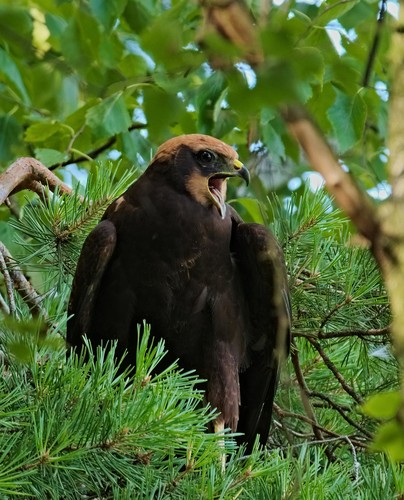
Western Marsh Harrier
Body 43-56 cm; wingspan 115-140 cm
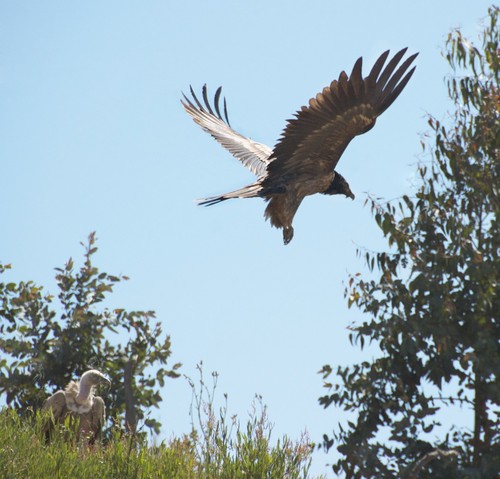
White-backed Vulture
78-98 cm long, wingspan 1.96-2.25 m
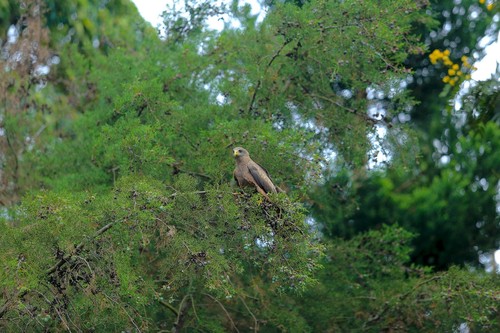
Yellow-billed Kite
55-60 cm long; wingspan 130-155 cm
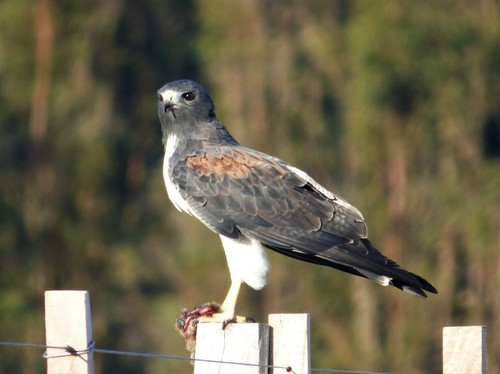
White-tailed Hawk
46-59 cm (18-23 in) long, 122-142 cm (48-56 in) wingspan
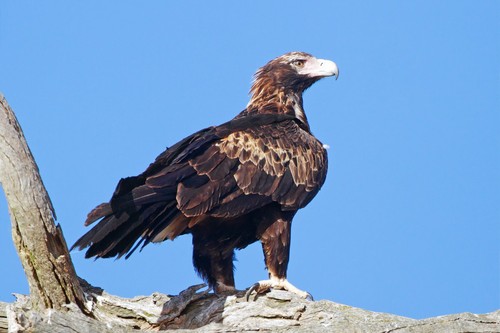
Wedge-tailed Eagle
Body 85–106 cm (33–42 in); wingspan up to 232 cm (7.6 ft); Australia's largest bird of prey