
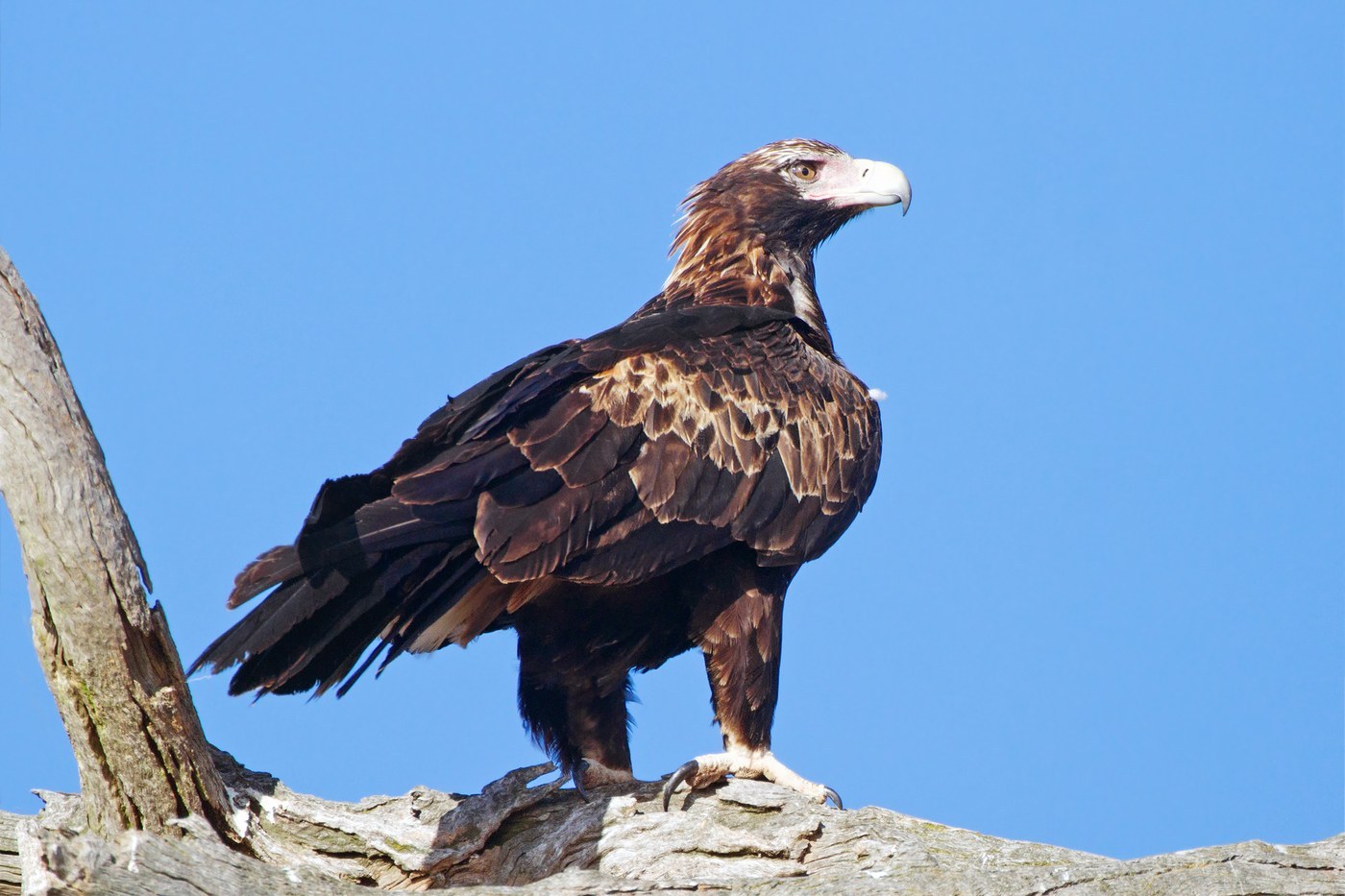
Wedge-tailed Eagle
Aquila audax
Australia's largest bird of prey, the Wedge-tailed Eagle is a huge, dark brown raptor named for its distinctive long, diamond-shaped tail, often seen soaring effortlessly over open country.
- Size
- Body 85–106 cm (33–42 in); wingspan up to 232 cm (7.6 ft); Australia's largest bird of prey
- Habitat
- Open woodland, grassland, arid interior, and forest edge
- Type
- raptor
Spotted a bird like this?
Identify any bird from a photo, free.
Overview
The Wedge-tailed Eagle is the largest bird of prey in Australia and one of the largest eagles in the world by wingspan. Found across the entire Australian continent and southern New Guinea, it is a dark, uniformly plumaged eagle whose most distinctive feature is its long, wedge- or diamond-shaped tail, unique among Australian raptors.
Adults are blackish-brown overall, with a paler golden-brown nape that becomes more pronounced with age. The legs are fully feathered down to the toes, a trait shared with other true eagles of the genus Aquila. Juveniles are more uniformly rufous-brown and gradually darken as they mature over several years.
How to identify it
Key field marks
- Long, wedge- or diamond-shaped tail, unlike any other Australian raptor
- Very large size with broad wings often held in a shallow V while soaring
- Overall dark blackish-brown plumage, with a paler golden nape in adults
- Fully feathered legs down to the toes
Similar species
The Little Eagle (Hieraaetus morphnoides) is much smaller with a shorter, rounded tail. The Black-breasted Buzzard has a shorter tail and different flight silhouette. The distinctive long wedge-shaped tail is the most reliable feature separating this species from all other Australian raptors, even at great distance.
Habitat & range
Range
The Wedge-tailed Eagle occurs throughout mainland Australia, Tasmania, and southern New Guinea, making it one of the most widespread large raptors in the region.
Habitat
It uses nearly every habitat type available, from arid deserts and open grasslands to eucalypt woodland, forest edges, and even alpine areas, generally favoring open country where it can hunt and scavenge effectively.
Migration
The species is largely sedentary and resident, though birds in arid interior regions may move nomadically in response to fluctuating prey availability, particularly after rabbit or wallaby population booms.
Behavior & voice
Hunting and feeding
Wedge-tailed Eagles soar for hours on thermals while scanning for prey, hunting live animals such as rabbits, wallabies, and other mammals, as well as birds and reptiles. They are also prolific scavengers, readily feeding on carrion including roadkill.
Voice
They are relatively quiet birds, giving thin, high-pitched whistling or yelping calls mainly near the nest or during territorial disputes.
Nesting and breeding
Pairs mate for life and build enormous stick nests in tall trees, reused and added to over many years until some nests become massive structures. They defend large territories and perform spectacular soaring and diving aerial displays during courtship.
Frequently asked questions
How big is a Wedge-tailed Eagle?
It has a wingspan of up to 2.3 meters (7.6 ft) and can weigh over 4 kg, making it Australia's largest bird of prey and one of the largest eagles in the world by wingspan.
What does the Wedge-tailed Eagle eat?
It hunts live prey such as rabbits, wallabies, and reptiles, and also feeds extensively on carrion, including roadkill.
How do you identify a Wedge-tailed Eagle in flight?
Look for its long, distinctive wedge- or diamond-shaped tail and broad wings held in a shallow V while soaring, features unique among Australian raptors.
Where do Wedge-tailed Eagles live?
Across virtually all of mainland Australia, Tasmania, and southern New Guinea, in almost every habitat from desert to forest edge.
Do Wedge-tailed Eagles mate for life?
Yes, pairs are typically monogamous and remain together for life, reusing and enlarging the same nest over successive breeding seasons.
Wedge-tailed Eagle guides
In-depth guides for identifying, finding, and understanding Wedge-tailed Eagle.
Other birds you may enjoy
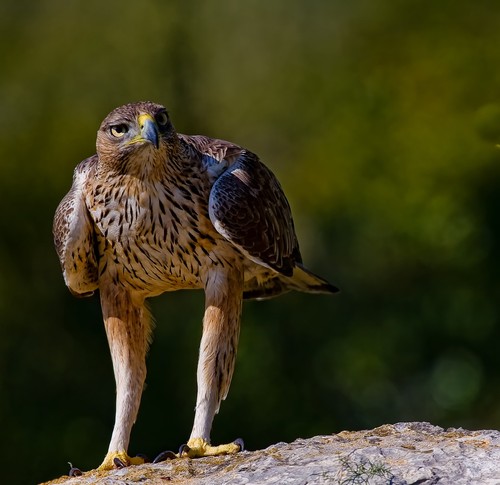
Bonelli's Eagle
Body 65–72 cm (26–28 in); wingspan 150–180 cm (59–71 in)
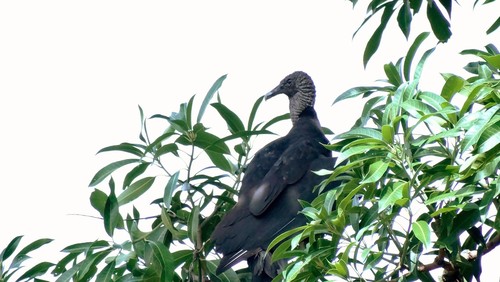
Black Vulture
56-68 cm (22-27 in) long, 137-165 cm wingspan
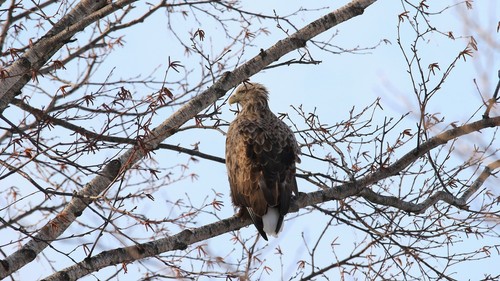
White-tailed Eagle
66-94 cm body length; wingspan 178-245 cm, among the largest eagles in the world
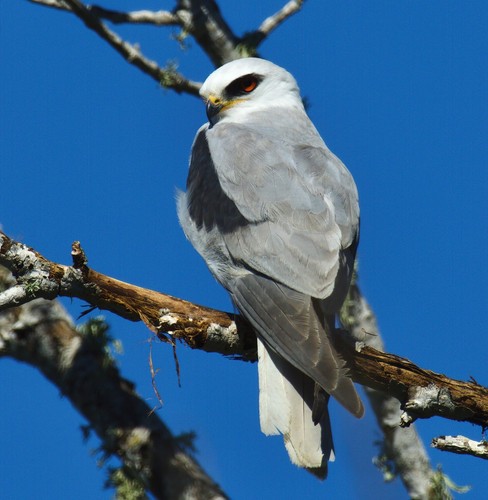
White-tailed Kite
35-43 cm (14-17 in) long, 88-102 cm (35-40 in) wingspan
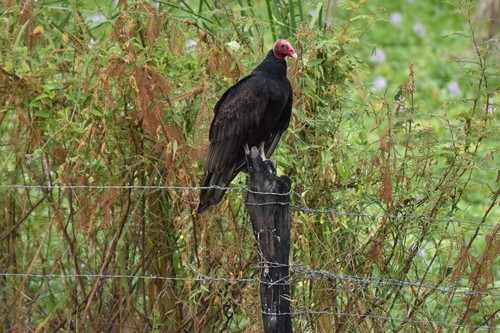
Turkey Vulture
64-81 cm (25-32 in) long, 160-183 cm wingspan
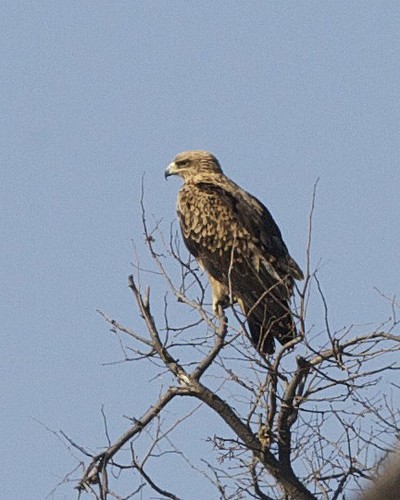
Tawny Eagle
62–75 cm long; wingspan 1.65–2.0 m
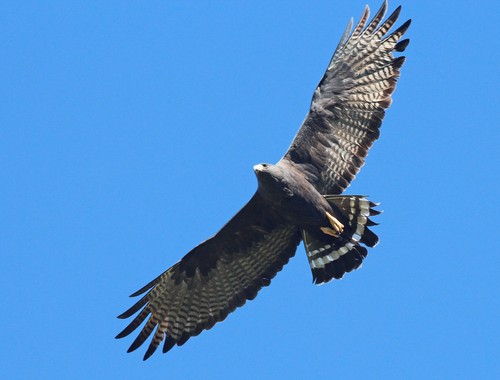
Zone-tailed Hawk
46-56 cm (18-22 in) long, 118-140 cm (46-55 in) wingspan
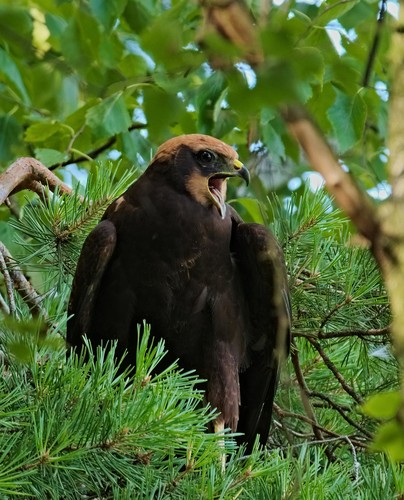
Western Marsh Harrier
Body 43-56 cm; wingspan 115-140 cm
Swallow-tailed Kite
48-68 cm (19-27 in) long including tail streamers, 112-136 cm (44-54 in) wingspan
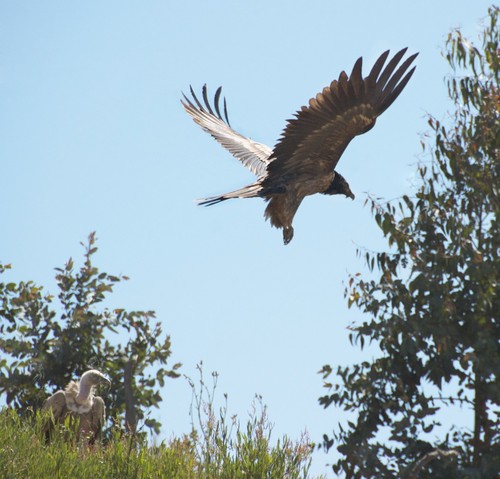
White-backed Vulture
78-98 cm long, wingspan 1.96-2.25 m
Yellow-billed Kite
55-60 cm long; wingspan 130-155 cm
White-tailed Hawk
46-59 cm (18-23 in) long, 122-142 cm (48-56 in) wingspan