
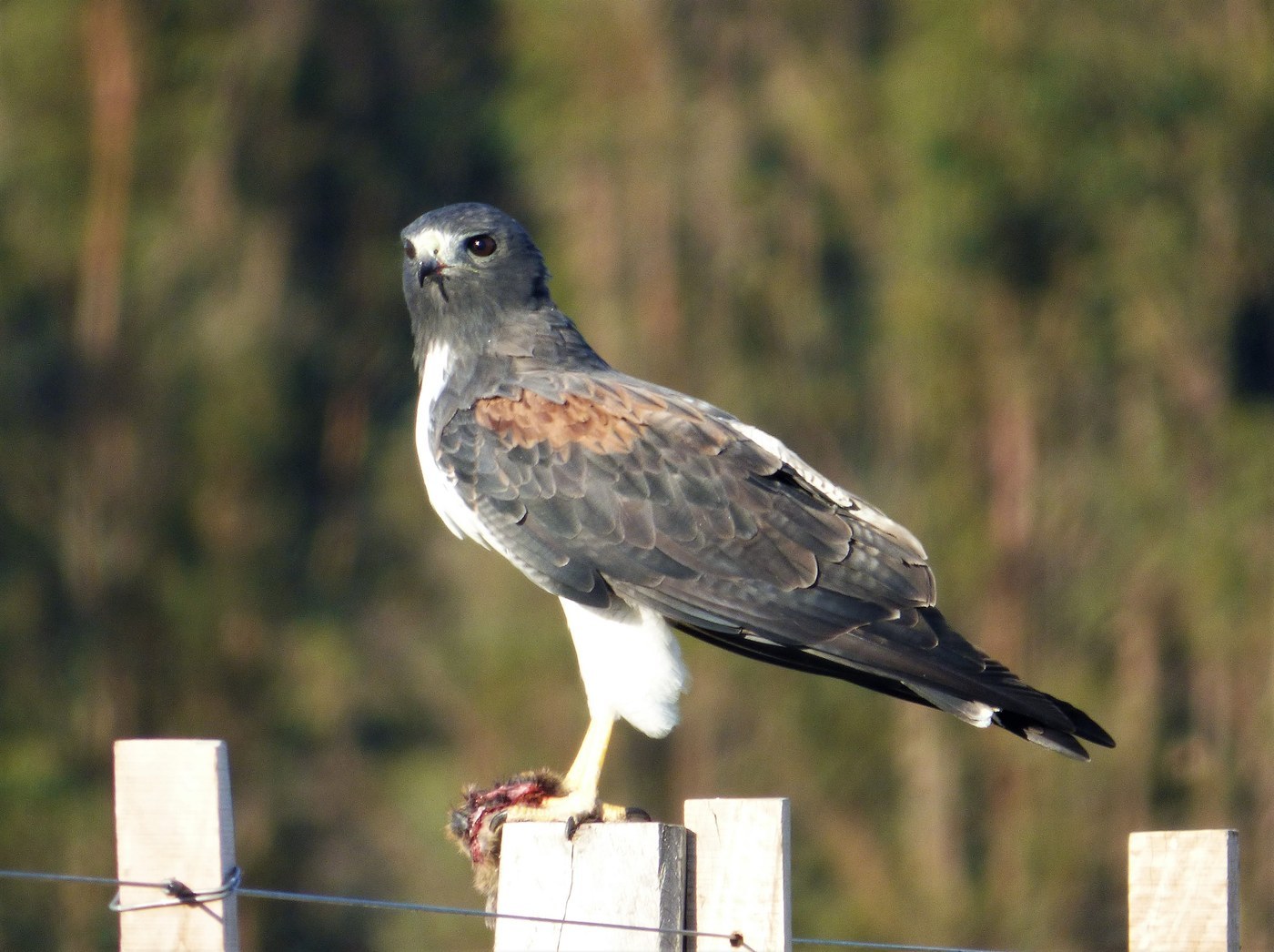
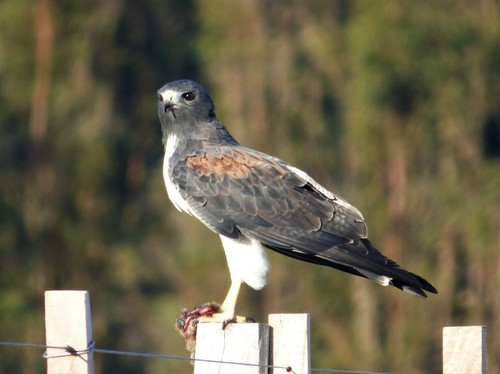
White-tailed Hawk
Geranoaetus albicaudatus
A striking pale-headed hawk of coastal Texas prairies, sometimes seen gathering at grass fires to catch fleeing prey.
- Size
- 46-59 cm (18-23 in) long, 122-142 cm (48-56 in) wingspan
- Habitat
- coastal prairies, savanna, and grasslands
- Type
- raptor
Spotted a bird like this?
Identify any bird from a photo, free.
Overview
The White-tailed Hawk is a large, long-winged buteo of open grassland country, with a pale gray head and back, a rufous shoulder patch, and clean white underparts. As its name suggests, the tail is white with a single black band near the tip, visible in flight and while perched. Immature birds are much darker and take several years to reach full adult plumage.
In the United States this species reaches its northern limit along the coastal prairies of south Texas, where it is a conspicuous, broad-winged presence soaring over open range country.
How to identify it
Key Field Marks
- Pale gray head and upper back with a rufous patch on the shoulder (lesser coverts)
- Clean white underparts and white tail crossed by a single black band near the tip
- Long, broad wings held flat while soaring
- Often seen perched on isolated trees, poles, or fence posts overlooking open grassland
Similar Species
- Swainson's Hawk: lacks the rufous shoulder patch and white tail band, showing instead a dark breast band and different tail pattern.
- Ferruginous Hawk: larger with rusty leggings and a pale tail lacking a sharp black band, and found in drier western rangeland rather than Gulf Coast prairie.
Habitat & range
Range
In the United States, White-tailed Hawks are resident along the coastal prairies of south Texas, with the broader range extending through Mexico, Central America, and much of South America.
Habitat
They favor open coastal prairie, savanna, and grassland with scattered trees or utility poles for perching, and are notably drawn to recently burned or grazed areas where prey becomes easier to spot and catch.
Behavior & voice
Feeding at Fires
White-tailed Hawks are well known for gathering, sometimes in numbers, at grassland fires, where they hunt insects, reptiles, and small mammals flushed or exposed by the flames and smoke.
Voice
The call is a harsh, barking series of notes, given during territorial or courtship displays, including dramatic aerial displays where pairs may lock talons.
Nesting
Nests are bulky stick structures built in isolated trees or large shrubs overlooking open prairie. Clutches typically contain one to three eggs.
Frequently asked questions
Where can White-tailed Hawks be seen in the United States?
They are resident along the coastal prairies of south Texas, at the northern edge of a range that extends through Mexico and South America.
Why do White-tailed Hawks gather at grass fires?
Fires flush and expose insects, reptiles, and small mammals, giving the hawks an easy opportunity to catch prey that would otherwise be hidden in dense grass.
How do you identify a White-tailed Hawk?
Look for a pale gray head, rufous shoulder patch, clean white underparts, and a white tail with a single black band near the tip.
White-tailed Hawk guides
In-depth guides for identifying, finding, and understanding White-tailed Hawk.
Other birds you may enjoy
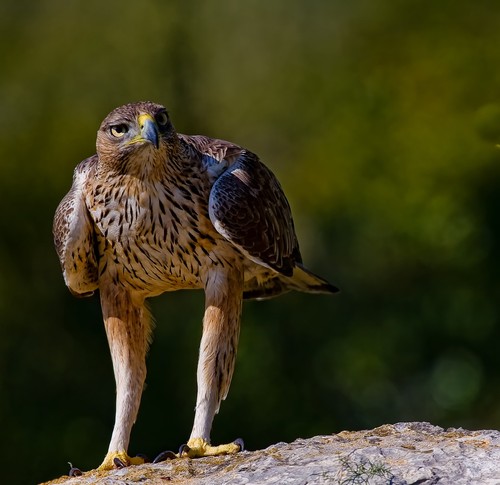
Bonelli's Eagle
Body 65–72 cm (26–28 in); wingspan 150–180 cm (59–71 in)
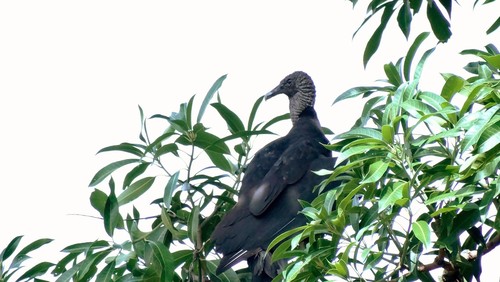
Black Vulture
56-68 cm (22-27 in) long, 137-165 cm wingspan
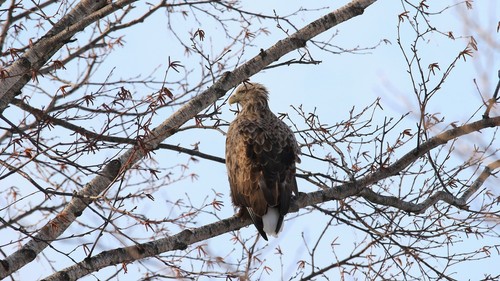
White-tailed Eagle
66-94 cm body length; wingspan 178-245 cm, among the largest eagles in the world
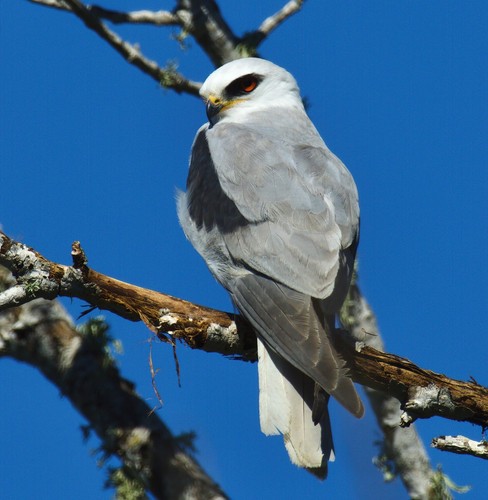
White-tailed Kite
35-43 cm (14-17 in) long, 88-102 cm (35-40 in) wingspan
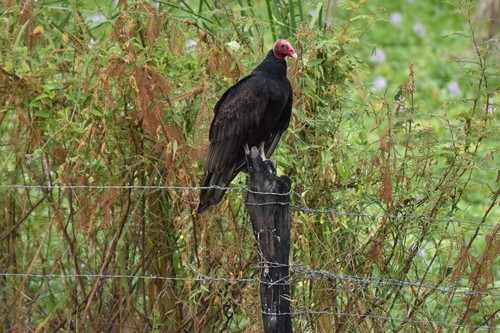
Turkey Vulture
64-81 cm (25-32 in) long, 160-183 cm wingspan
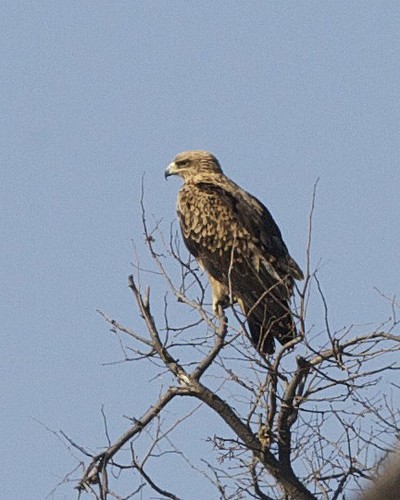
Tawny Eagle
62–75 cm long; wingspan 1.65–2.0 m
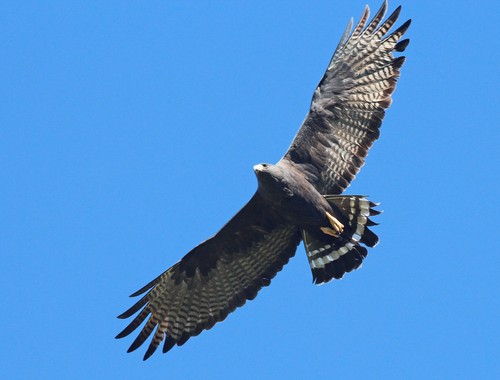
Zone-tailed Hawk
46-56 cm (18-22 in) long, 118-140 cm (46-55 in) wingspan
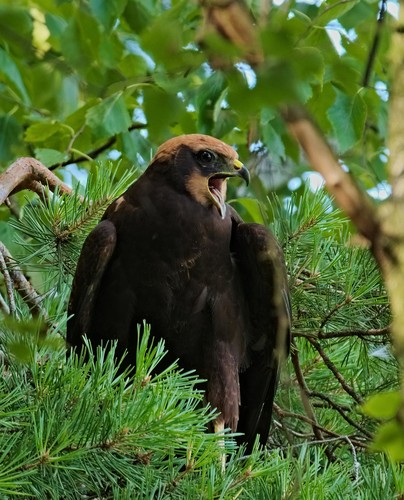
Western Marsh Harrier
Body 43-56 cm; wingspan 115-140 cm
Swallow-tailed Kite
48-68 cm (19-27 in) long including tail streamers, 112-136 cm (44-54 in) wingspan
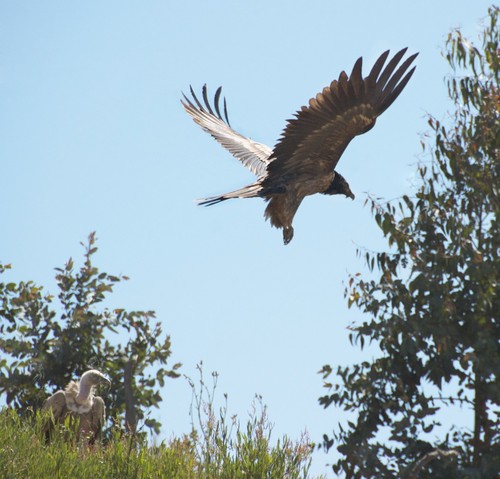
White-backed Vulture
78-98 cm long, wingspan 1.96-2.25 m
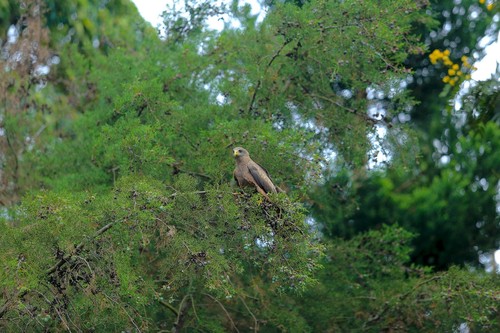
Yellow-billed Kite
55-60 cm long; wingspan 130-155 cm
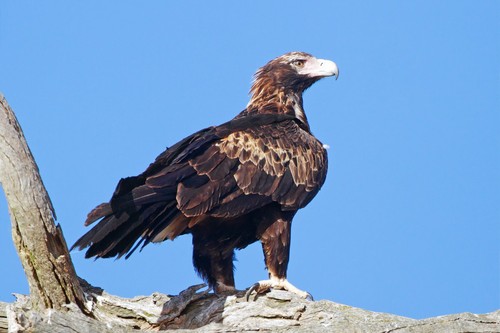
Wedge-tailed Eagle
Body 85–106 cm (33–42 in); wingspan up to 232 cm (7.6 ft); Australia's largest bird of prey