
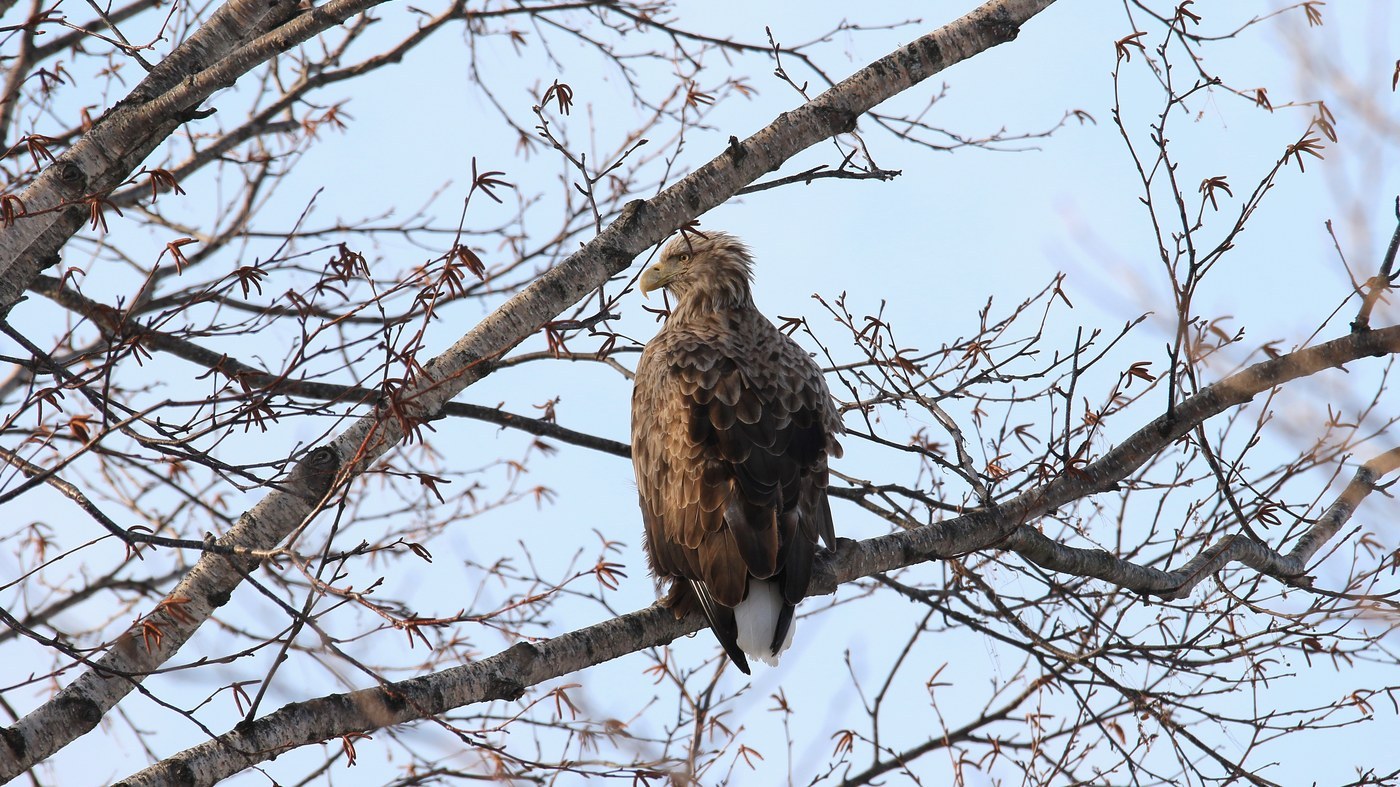
White-tailed Eagle
Haliaeetus albicilla
A massive Eurasian raptor with a barn-door wingspan, pale head, and unmistakable wedge-shaped white tail.
- Size
- 66-94 cm body length; wingspan 178-245 cm, among the largest eagles in the world
- Habitat
- coastlines, large lakes, wetlands, and major rivers across Eurasia
- Type
- raptor
Spotted a bird like this?
Identify any bird from a photo, free.
Overview
The White-tailed Eagle is one of the largest eagles on Earth, rivaling the Steller's Sea Eagle in bulk and exceeding the Bald Eagle in average wingspan. It is a close relative of the Bald Eagle, occupying a similar ecological niche across Eurasia as a large fish- and waterbird-eating raptor tied closely to coastlines and inland waters.
Adults are predominantly dark brown across the body and wings, with a pale, almost straw-colored head and neck that can appear nearly white in old individuals. The most diagnostic feature is the short, wedge-shaped, all-white tail, which contrasts sharply with the dark body and is visible at great distances, even in flight silhouette. The bill and eyes are pale yellow in adults, and the powerful, deeply hooked bill is proportionally massive.
In flight, the species shows huge, broad, plank-like wings held flat, with deeply fingered primaries at the wingtips, giving it a distinctive "flying door" profile. Juveniles are much darker overall, mottled brown with variable pale streaking on the underwing and body, and a dark tail that only whitens gradually over four to five years as the bird matures into full adult plumage.
How to identify it
Key Field Marks
- Enormous size with very broad, rectangular wings held flat in a shallow soaring glide
- Short, white, wedge-shaped tail in adults, contrasting with a dark brown body
- Pale, straw-yellow head and neck in mature adults
- Massive yellow bill, larger and more protruding than in similarly sized eagles
- Deeply fingered wingtip primaries visible in flight
Similar Species
The Bald Eagle is smaller-billed and has a fully white head with a sharp demarcation from the dark body, whereas the White-tailed Eagle's head fades more gradually into pale, straw-like tones. Golden Eagles are more uniformly dark with a longer, more tapered tail and golden nape, and they hold their wings in a shallow V (dihedral) rather than flat. Juvenile White-tailed Eagles can be confused with juvenile Golden Eagles, but the White-tailed Eagle's wings are proportionally broader, the tail shorter, and the head and bill larger and more protruding, giving a distinctive "flying door" silhouette.
Habitat & range
Habitat
White-tailed Eagles favor coastlines, estuaries, large lakes, reservoirs, and slow-moving rivers with abundant fish and waterbirds. They require tall trees or coastal cliffs for nesting and roosting, typically close to open water.
Range
The species breeds across a broad swath of northern and central Eurasia, from Greenland and Iceland through Scandinavia, continental Europe, Russia, and east to Japan and coastal China. Reintroduction programs have restored breeding populations to Scotland, Ireland, and parts of England after historical extirpation from much of Western Europe.
Migration
Northern populations, particularly those breeding in Scandinavia and Russia, are partial migrants that move south to ice-free coasts and open water in winter. Populations in milder maritime climates, such as coastal Norway and the British Isles, tend to be largely resident year-round.
Behavior & voice
Behavior
White-tailed Eagles are powerful, opportunistic predators and scavengers. They often hunt by flying low over water or perching at a vantage point before swooping to snatch fish near the surface with their talons, and they readily pirate food from other birds, including Ospreys, in a behavior known as kleptoparasitism.
Voice
The call is a series of loud, harsh, barking or yelping notes, often described as "klee-klee-klee" or a rapid "kri-kri-kri," given especially during territorial displays and at the nest.
Feeding
Fish form the core of the diet, supplemented heavily by waterbirds such as ducks, grebes, and gulls, along with carrion, especially in winter when scavenging on carcasses of deer, seals, or fish offal becomes an important food source.
Nesting and Breeding
Pairs build enormous stick nests, called eyries, in tall trees or on cliff ledges near water, reusing and enlarging the same nest over many years until it can reach massive size. Females typically lay one to three eggs, and the pair shares incubation and chick-rearing duties over a breeding season that spans several months before fledging.
Frequently asked questions
How big is a White-tailed Eagle compared to a Bald Eagle?
White-tailed Eagles average a slightly longer wingspan than Bald Eagles, though the two species overlap broadly in size; White-tailed Eagles tend to have a shorter tail and bulkier body.
What is the easiest way to identify a White-tailed Eagle in flight?
Look for huge, flat, plank-like wings and a short white wedge-shaped tail contrasting with a dark body, giving a distinctive 'flying door' silhouette.
Where do White-tailed Eagles live?
They live near coastlines, large lakes, and rivers across northern and central Eurasia, from Greenland and Scotland to Japan, with reintroduced populations in parts of Western Europe.
What do White-tailed Eagles eat?
They primarily eat fish and waterbirds, but they are also frequent scavengers on carrion and will steal food from other birds.
Do White-tailed Eagles migrate?
Northern and eastern populations migrate south to open water in winter, while eagles in milder coastal regions like Norway and the British Isles are largely resident year-round.
How can you tell a juvenile White-tailed Eagle from an adult?
Juveniles are darker and more mottled overall with a dark tail and less contrast, gradually developing the pale head and white tail over four to five years as they mature.
White-tailed Eagle guides
In-depth guides for identifying, finding, and understanding White-tailed Eagle.
Other birds you may enjoy
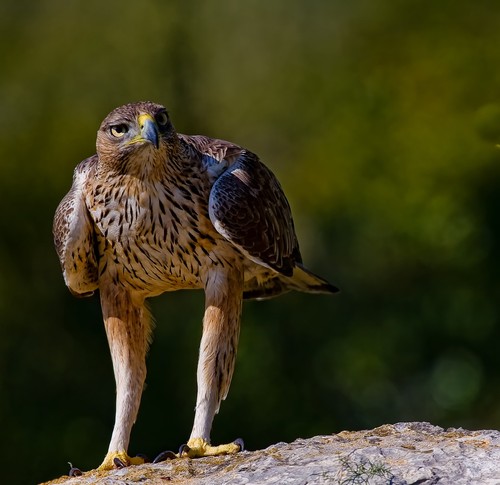
Bonelli's Eagle
Body 65–72 cm (26–28 in); wingspan 150–180 cm (59–71 in)
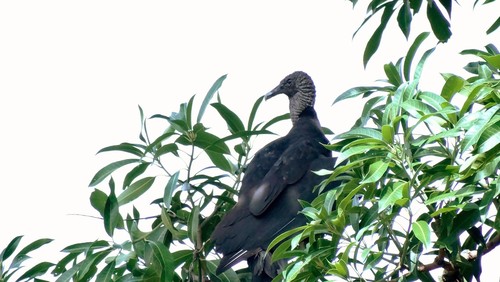
Black Vulture
56-68 cm (22-27 in) long, 137-165 cm wingspan
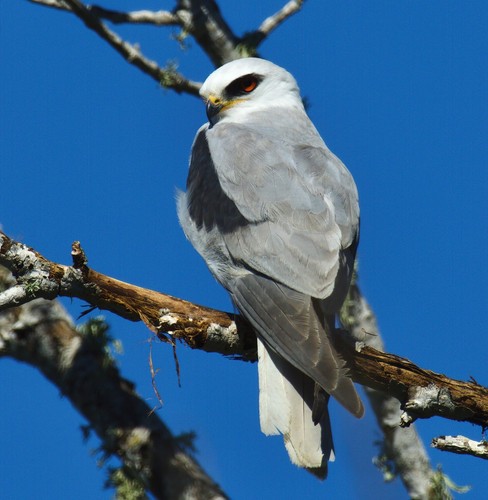
White-tailed Kite
35-43 cm (14-17 in) long, 88-102 cm (35-40 in) wingspan
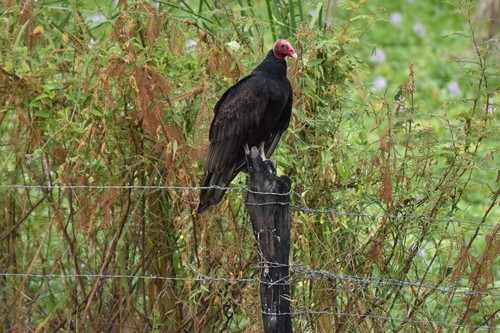
Turkey Vulture
64-81 cm (25-32 in) long, 160-183 cm wingspan
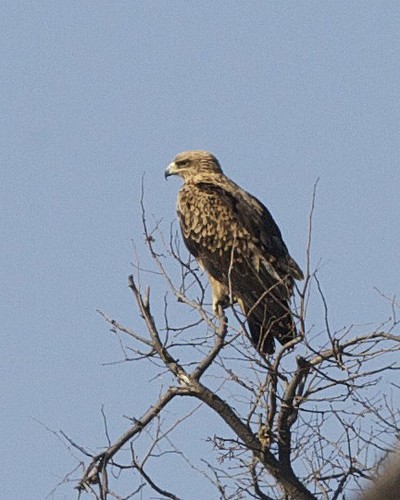
Tawny Eagle
62–75 cm long; wingspan 1.65–2.0 m
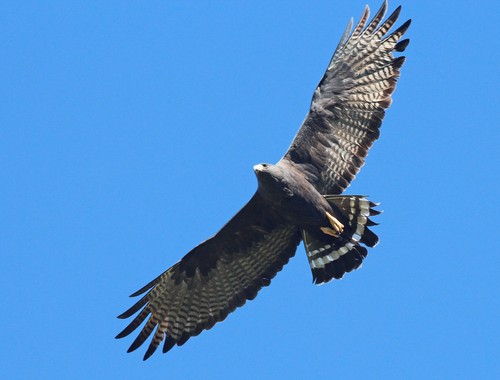
Zone-tailed Hawk
46-56 cm (18-22 in) long, 118-140 cm (46-55 in) wingspan
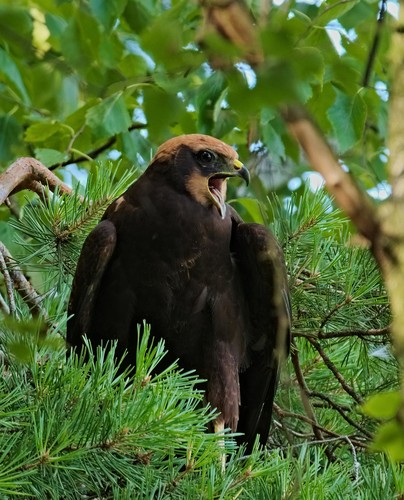
Western Marsh Harrier
Body 43-56 cm; wingspan 115-140 cm
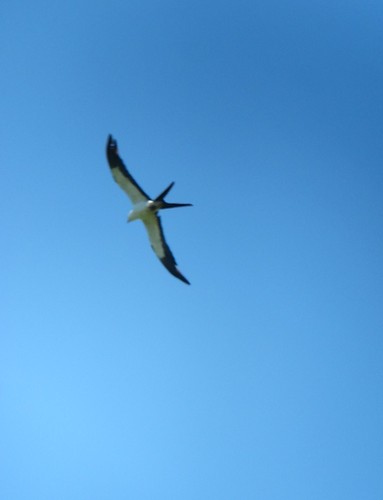
Swallow-tailed Kite
48-68 cm (19-27 in) long including tail streamers, 112-136 cm (44-54 in) wingspan
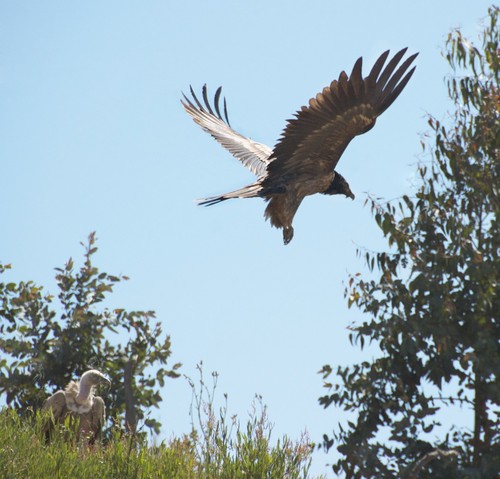
White-backed Vulture
78-98 cm long, wingspan 1.96-2.25 m
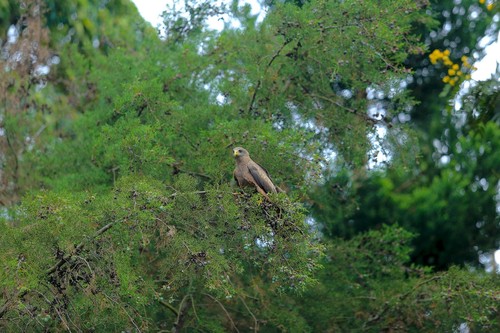
Yellow-billed Kite
55-60 cm long; wingspan 130-155 cm
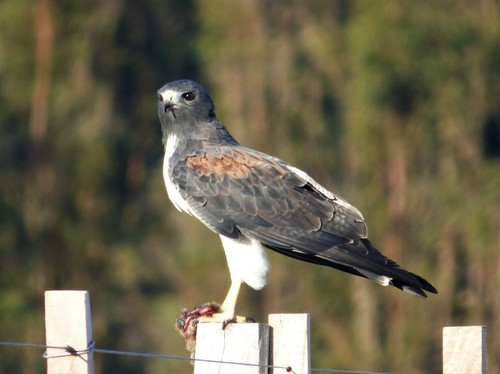
White-tailed Hawk
46-59 cm (18-23 in) long, 122-142 cm (48-56 in) wingspan
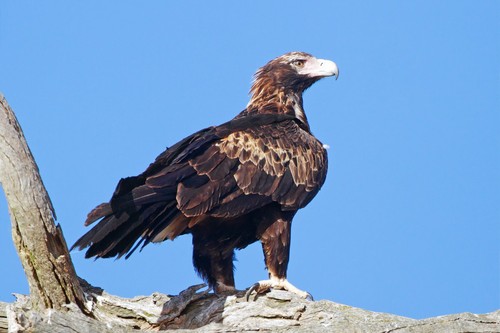
Wedge-tailed Eagle
Body 85–106 cm (33–42 in); wingspan up to 232 cm (7.6 ft); Australia's largest bird of prey