
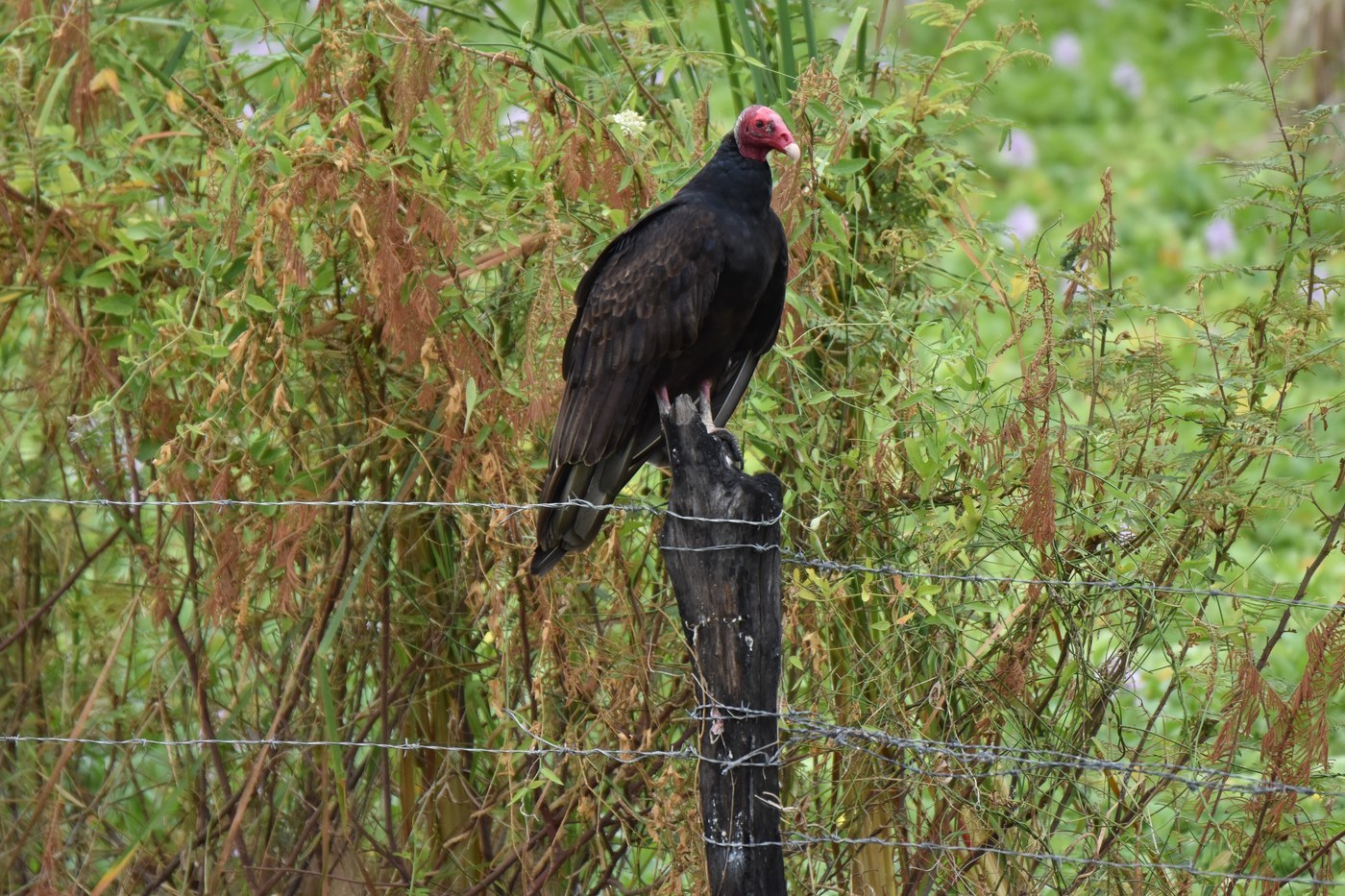
Turkey Vulture
Cathartes aura
A large, dark scavenger with a naked red head and a distinctive tilting, V-shaped soaring flight, famed for its exceptional sense of smell.
- Size
- 64-81 cm (25-32 in) long, 160-183 cm wingspan
- Habitat
- open country, farmland, forests, and roadsides across nearly all of the Americas
- Type
- raptor
Spotted a bird like this?
Identify any bird from a photo, free.
Overview
The Turkey Vulture is a large, dark bird of prey best recognized in flight by its long, two-toned wings held in a shallow V and its tendency to teeter and rock unsteadily as it rides thermal currents. Adults have all-black-brown body plumage and a bare, wrinkled red head reminiscent of a wild turkey, which gives the species its common name; the head is unfeathered as an adaptation for feeding cleanly inside carcasses.
Juveniles show a dark gray, rather than red, head. In flight the underwing shows a strong two-tone pattern: black leading-edge coverts contrasting with pale silvery-gray flight feathers, visible from a considerable distance.
One of the most widespread and successful scavengers in the Western Hemisphere, the Turkey Vulture performs an essential ecological role by rapidly removing carrion, and it is unusual among birds for possessing a highly developed sense of smell that it uses to locate food.
How to identify it
Key Field Marks
- Long wings held in a shallow V (dihedral), with an unsteady, tilting soaring flight
- Two-toned underwing: dark leading edge, pale silvery-gray trailing half and flight feathers
- Bare red head in adults (grayish in juveniles); small, hooked pale bill
- Rarely flaps for extended periods, relying on thermals and updrafts
Similar Species
- Black Vulture has shorter, broader wings held flat (not in a V), quicker, choppier flapping between short glides, a bare gray-black head, and white patches only at the wingtips rather than across the whole flight feathers.
- Eagles and hawks have feathered heads and typically hold wings flat or slightly raised rather than in a strong V, and lack the vulture's teetering flight style.
Habitat & range
Turkey Vultures are highly adaptable and occur across nearly the entire Western Hemisphere, from southern Canada through the United States, Mexico, Central America, and much of South America, in habitats ranging from open farmland and prairies to forests, deserts, and suburban edges.
Northern populations are strongly migratory, sometimes traveling in large communal flocks called kettles that can number in the thousands during migration, while southern populations are largely resident.
Behavior & voice
Behavior
Turkey Vultures spend much of the day soaring on thermals with minimal flapping, rocking side to side in a distinctive unsteady manner as they scan the ground below, often using both sight and an exceptional sense of smell to locate carrion. They roost communally, sometimes in large numbers, in dead trees or on structures.
Voice
Lacking a true syrinx, Turkey Vultures are essentially voiceless, producing only low hisses and grunts, mainly when threatened or interacting at a carcass or nest site.
Feeding
They feed almost exclusively on carrion, locating carcasses partly by smell - an unusual and highly developed ability among birds - which allows them to find hidden or forest-covered carcasses that visually hunting scavengers might miss.
Nesting & Breeding
Turkey Vultures do not build nests, instead laying their 1-3 eggs directly on the ground in caves, rock crevices, hollow logs, or abandoned buildings. Both parents share incubation and feeding duties, regurgitating food for the young.
Frequently asked questions
Why does the Turkey Vulture have a bald red head?
The featherless head helps keep the bird clean while feeding inside carcasses, since bacteria and decaying matter are less likely to cling to bare skin than to feathers.
How do Turkey Vultures find food?
They combine keen eyesight with an unusually well-developed sense of smell, one of the best among birds, allowing them to detect the scent of decaying carcasses even under a forest canopy.
How can you tell a Turkey Vulture from a Black Vulture?
Turkey Vultures hold their long wings in a shallow V and fly with an unsteady, tilting motion, showing two-toned silvery underwings, while Black Vultures have shorter, flatter wings, choppier flapping, and white only at the wingtips.
Are Turkey Vultures dangerous to humans?
No, they feed exclusively on carrion and pose no threat to people, pets, or livestock, and they provide an important ecological cleanup service.
Turkey Vulture guides
In-depth guides for identifying, finding, and understanding Turkey Vulture.
Other birds you may enjoy
Bonelli's Eagle
Body 65–72 cm (26–28 in); wingspan 150–180 cm (59–71 in)
Black Vulture
56-68 cm (22-27 in) long, 137-165 cm wingspan
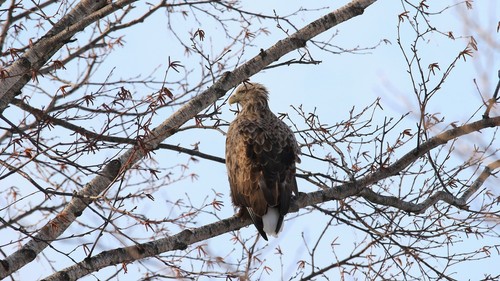
White-tailed Eagle
66-94 cm body length; wingspan 178-245 cm, among the largest eagles in the world
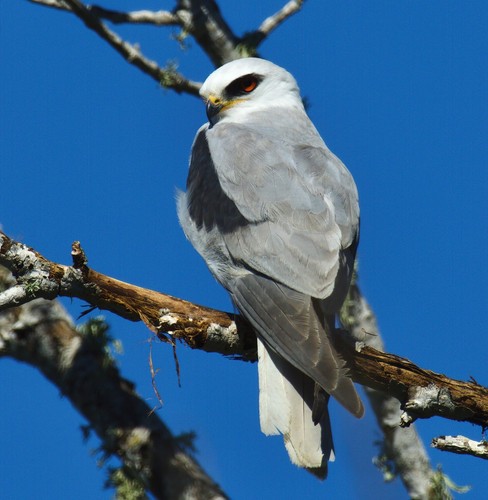
White-tailed Kite
35-43 cm (14-17 in) long, 88-102 cm (35-40 in) wingspan
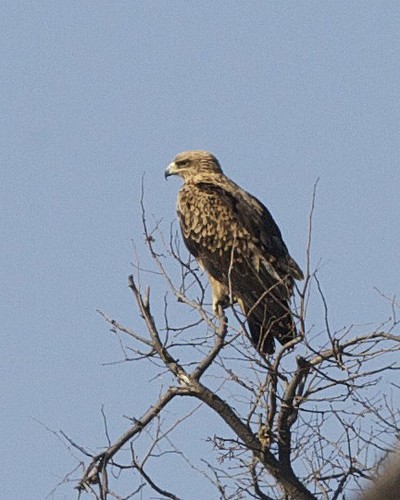
Tawny Eagle
62–75 cm long; wingspan 1.65–2.0 m
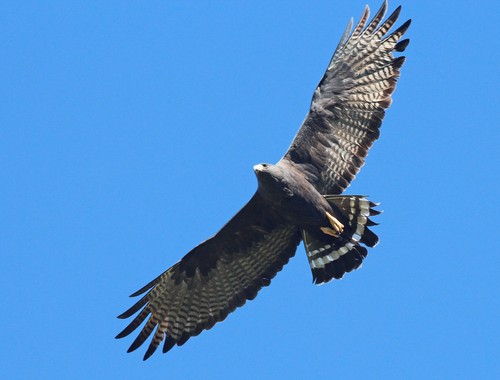
Zone-tailed Hawk
46-56 cm (18-22 in) long, 118-140 cm (46-55 in) wingspan
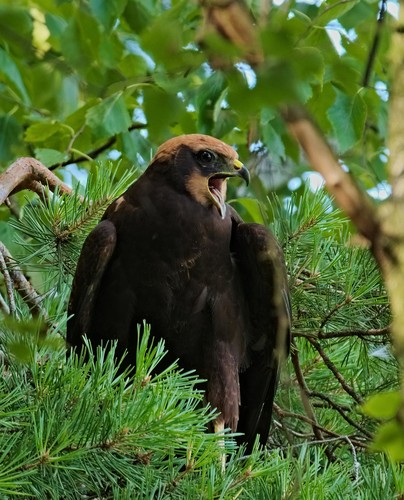
Western Marsh Harrier
Body 43-56 cm; wingspan 115-140 cm
Swallow-tailed Kite
48-68 cm (19-27 in) long including tail streamers, 112-136 cm (44-54 in) wingspan
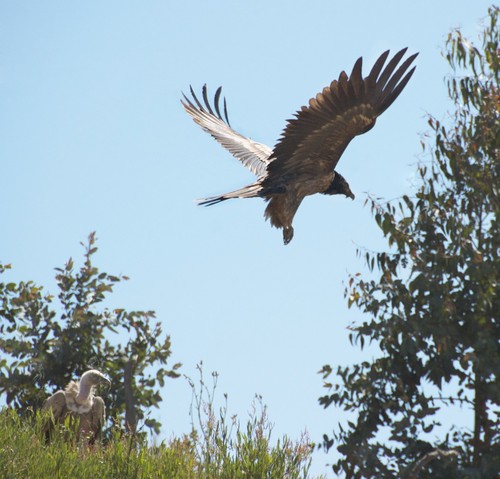
White-backed Vulture
78-98 cm long, wingspan 1.96-2.25 m
Yellow-billed Kite
55-60 cm long; wingspan 130-155 cm
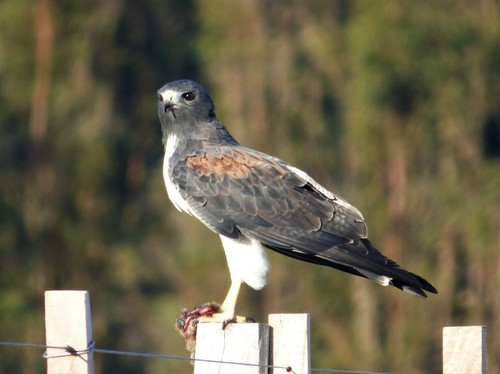
White-tailed Hawk
46-59 cm (18-23 in) long, 122-142 cm (48-56 in) wingspan
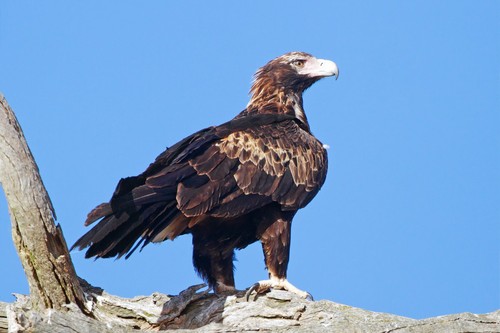
Wedge-tailed Eagle
Body 85–106 cm (33–42 in); wingspan up to 232 cm (7.6 ft); Australia's largest bird of prey