
Barn Swallow
Hirundo rustica
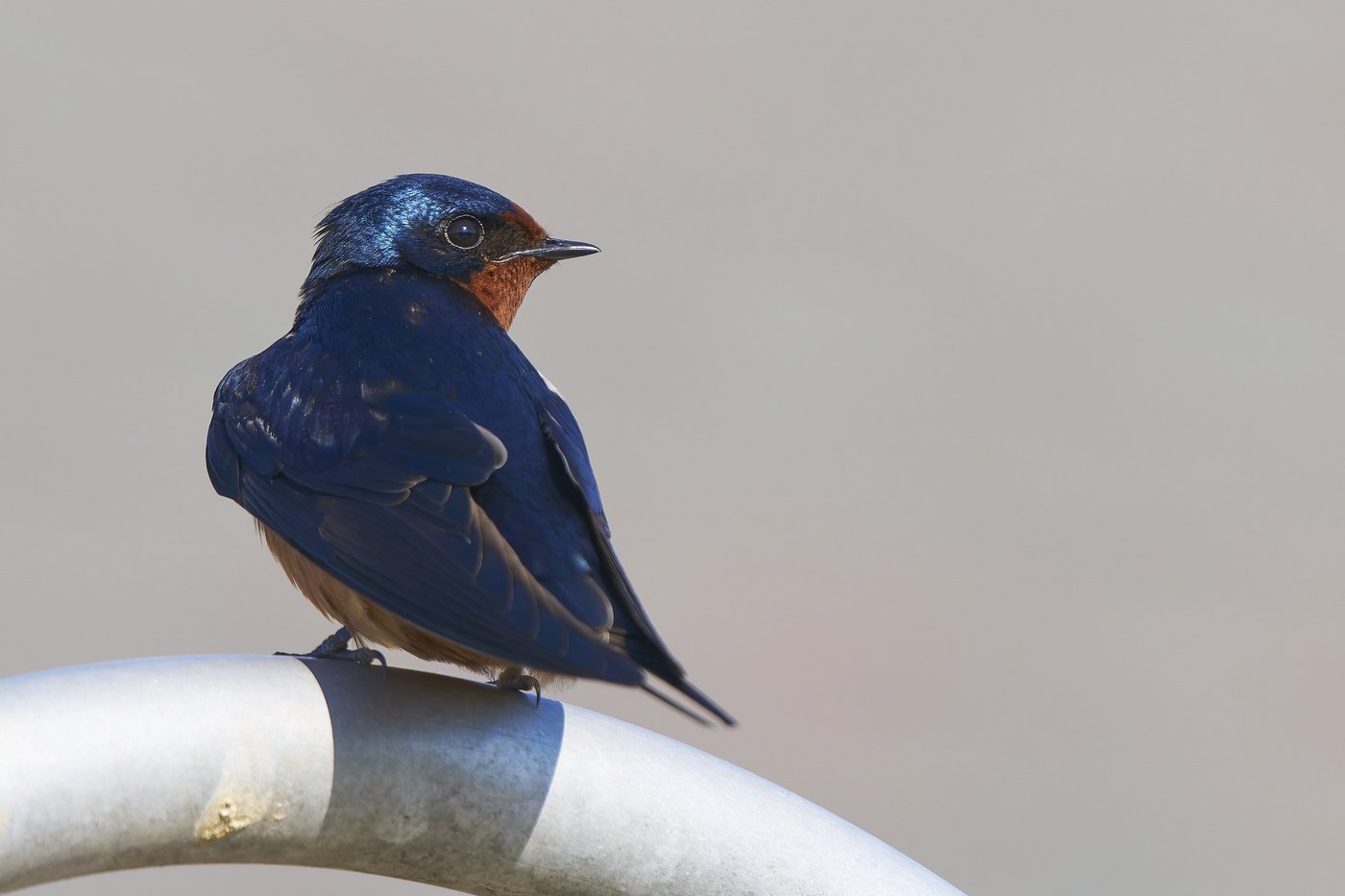
The most widespread swallow in the world, easily known by its deeply forked tail, steel-blue back, and rufous throat.
- Size
- 15-19 cm (5.9-7.5 in) long including tail streamers, 32-34.5 cm (12.6-13.6 in) wingspan
- Habitat
- open country near barns, bridges, and other structures, usually close to water
- Type
- songbird
Spotted a bird like this?
Identify any bird from a photo, free.
Overview
The Barn Swallow is a sleek, agile aerial insectivore and the most widespread and familiar swallow species on Earth, breeding across most of the Northern Hemisphere. Its glossy, deep-blue back, rich rufous-orange throat and forehead, and buffy-orange underparts make it one of the most colorful North American swallows.
Its most distinctive feature is its long, deeply forked "swallow tail," formed by elongated outer tail feathers, most pronounced in adult males. Barn Swallows are graceful, fast fliers, often seen skimming low over fields and water in pursuit of insects.
How to identify it
Key field marks
- Long, deeply forked tail with elongated streamers
- Glossy steel-blue upperparts
- Rufous-orange throat and forehead
- Buffy-orange underparts (paler in some populations)
- Small white spots visible on the tail in flight
Similar species
Cliff Swallow has a squared tail, buffy rump, and pale forehead patch, quite different from Barn Swallow's deep tail fork and dark rufous forehead. Tree Swallow has a notched (not deeply forked) tail and clean white (not orange) underparts. No other North American swallow combines the long tail streamers with a rufous throat.
Habitat & range
Habitat
Forages over open country — fields, pastures, marshes, and water bodies — and nests almost exclusively on human-made structures: barns, sheds, bridges, culverts, and eaves, rarely using natural sites like cliff ledges or caves today.
Range
One of the most widely distributed landbirds in the world, breeding across North America, Europe, and Asia. North American breeders are long-distance migrants, wintering in Central and South America; other populations winter in Africa and southern Asia.
Behavior & voice
Behavior
Highly aerial and social, Barn Swallows often forage in loose groups low over fields and water, and gather in large pre-migratory flocks, sometimes numbering in the thousands, staging on wires before departure.
Voice
Gives a constant chatter of soft, twittering warbles interspersed with a sharp "vit-vit" or a metallic alarm call near the nest.
Feeding and nesting
Feeds exclusively on flying insects caught in continuous low, swooping flight. Builds an open cup nest of mud pellets mixed with grass, plastered to a vertical wall or beam, almost always under an overhanging roof or eave; nests are often reused and refurbished across years, and pairs frequently raise two broods per season.
Frequently asked questions
How do you identify a Barn Swallow?
Look for a deeply forked tail, glossy blue back, rufous-orange throat, and buffy-orange underparts, usually seen skimming low over open ground in fast, swooping flight.
Where do Barn Swallows build nests?
Almost always on human-made structures such as barns, sheds, bridges, and eaves, building an open cup of mud pellets mixed with grass fibers.
Why does the Barn Swallow have such a long tail?
The deeply forked tail, especially long in males, is thought to aid in flight maneuverability and also functions as a signal of quality to potential mates.
What do Barn Swallows eat?
Flying insects exclusively, caught in continuous swooping flight low over fields and water.
Do Barn Swallows migrate far?
Yes, North American Barn Swallows are long-distance migrants that winter in Central and South America, some traveling thousands of miles each way.
Barn Swallow guides
In-depth guides for identifying, finding, and understanding Barn Swallow.
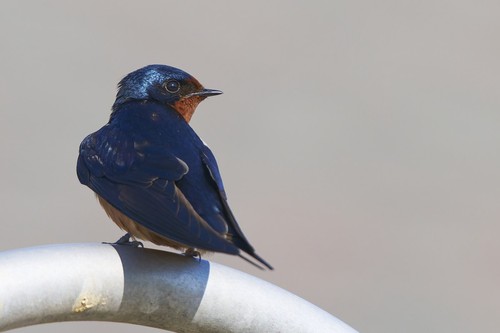
Barn Swallow identified by the community
Real birds identified with Bird Identifier.



Other birds you may enjoy
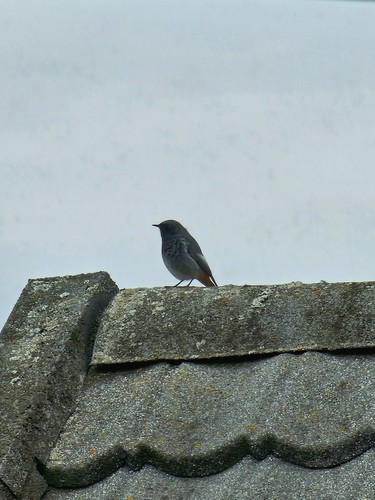
Black Redstart
13-14.5 cm (5.1-5.7 in) long, 23-26 cm wingspan
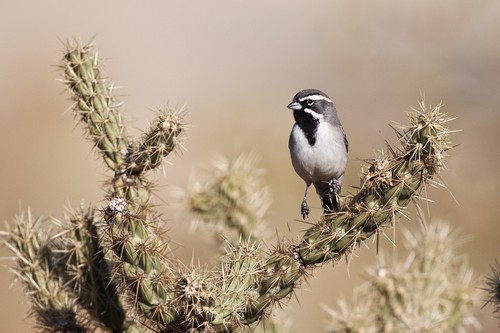
Black-throated Sparrow
12-14 cm (4.7-5.5 in) long, about 19-20 cm (7.5-8 in) wingspan
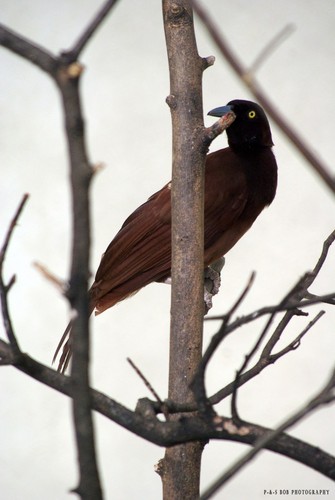
Greater Bird-of-paradise
Body about 43 cm; males with additional flank plumes up to 50 cm and long tail wires
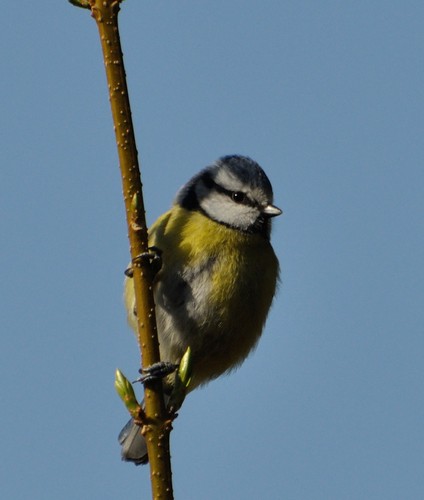
Blue Tit
11-12 cm (4.3-4.7 in) long, 17-20 cm wingspan

Red-billed Quelea
11.5–13 cm long, wingspan about 20–22 cm
White-plumed Antbird
13-14 cm (5-5.5 in) long
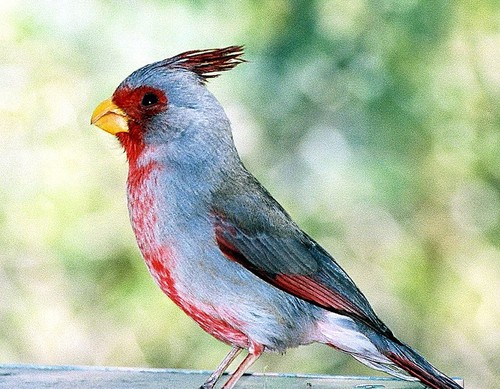
Pyrrhuloxia
19-22 cm (7.5-8.7 in) long, 30 cm wingspan
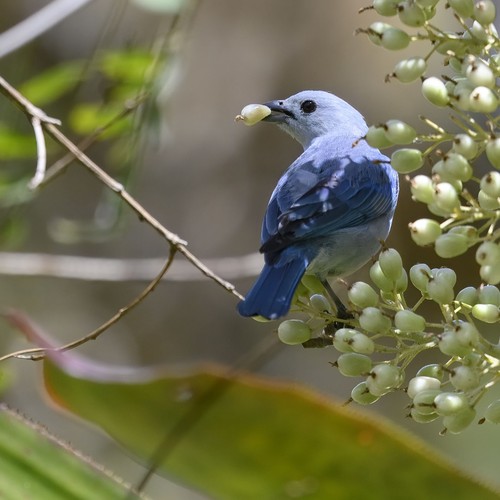
Blue-gray Tanager
16-18 cm (6-7 in) long
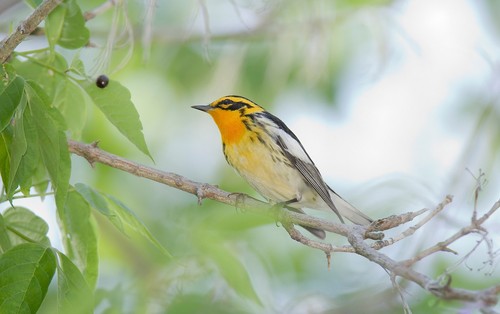
Blackburnian Warbler
11-13 cm (4.3-5.1 in) long, 20-22 cm wingspan
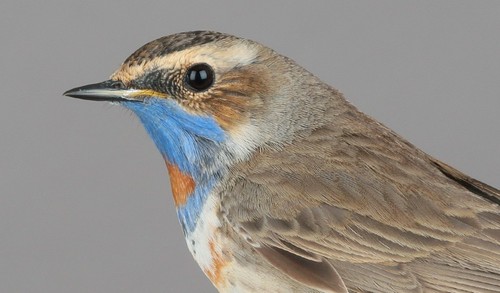
Bluethroat
13-14 cm (5.1-5.5 in) long, 20-22 cm wingspan
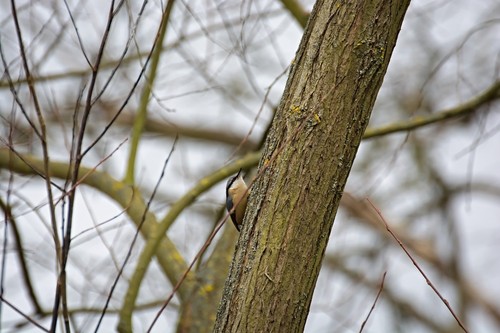
Eurasian Nuthatch
12-14.5 cm (4.7-5.7 in) long, 22.5-27 cm wingspan
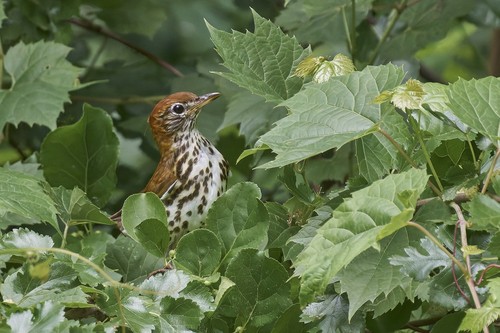
Wood Thrush
19-21 cm (7.5-8.3 in) long, about 33 cm (13 in) wingspan