
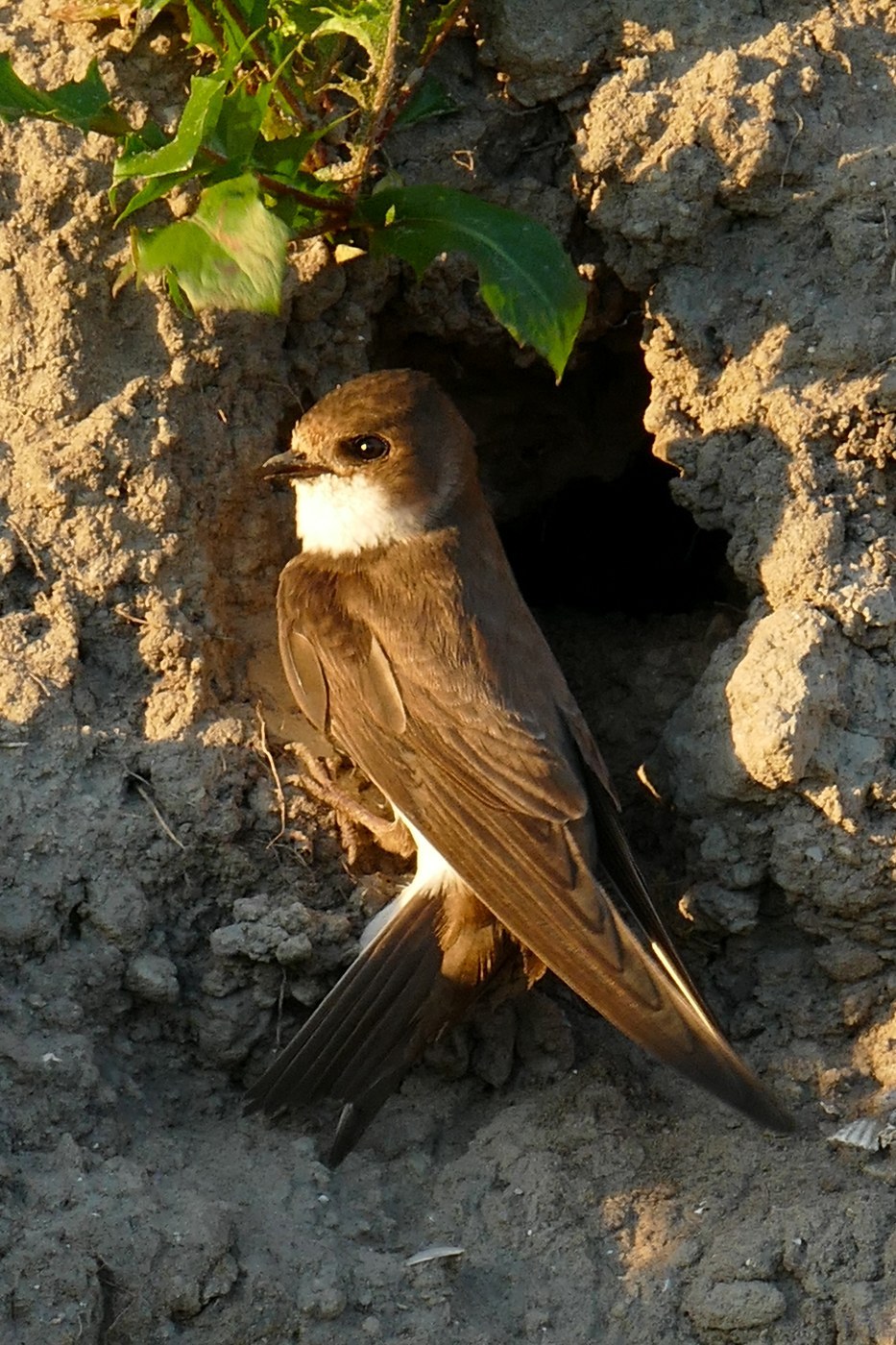
Bank Swallow
Riparia riparia
The smallest North American swallow, brown above and white below with a crisp brown breast band, nesting colonially in burrows dug into sandy banks.
- Size
- 12-13 cm (4.7-5.1 in) long, 25-29 cm (9.8-11.4 in) wingspan
- Habitat
- sandy or dirt banks along rivers, lakes, and gravel pits
- Type
- songbird
Spotted a bird like this?
Identify any bird from a photo, free.
Overview
The Bank Swallow — known as the Sand Martin in Europe — is the smallest swallow in North America and one of the most widely distributed swallow species in the world. It is plain brown above and clean white below, distinguished by a neat, well-defined brown breast band that crosses the white throat, giving it a somewhat necklace-like appearance.
Bank Swallows are best known for their colonial nesting habit, excavating dense clusters of burrows into vertical sandy or dirt banks, sometimes numbering in the hundreds within a single exposure.
How to identify it
Key field marks
- Small size, the smallest swallow in North America
- Plain brown upperparts
- Crisp, well-defined brown breast band on an otherwise white throat and belly
- Slightly notched tail
- Quick, fluttery flight style
Similar species
Northern Rough-winged Swallow is similar in size and brown coloring but lacks a sharp breast band; its throat and breast fade gradually and dingily into the white belly rather than showing a crisp line. Tree Swallow is larger with glossy blue-green upperparts and no breast band.
Habitat & range
Habitat
Nests in vertical banks of loose sand, silt, or dirt — natural riverbanks and lake bluffs as well as artificial sites like gravel pits, quarries, and road cuts — always near open water or fields for foraging.
Range
One of the most widespread swallows globally, breeding across North America, Europe, and Asia. North American populations are long-distance migrants, wintering in South America.
Behavior & voice
Behavior
Highly colonial and social, Bank Swallows nest in dense aggregations that can range from a few dozen to several thousand burrows in a single bank, providing collective defense against predators and forming large mixed foraging and roosting flocks with other swallow species outside the breeding season.
Voice
Gives a dry, buzzy, twittering chatter, often described as a harsh "brrzzt," audible as a constant background hum around active colonies.
Feeding and nesting
Feeds on flying insects captured over water, fields, and around the colony. Both members of a pair excavate a narrow burrow, often over a meter long, into a vertical bank, ending in a small nest chamber lined with grass and feathers — one of the few North American swallows that digs its own nest tunnel from scratch.
Frequently asked questions
How do you identify a Bank Swallow?
Look for a small, plain brown swallow with a crisp, well-defined brown breast band crossing an otherwise white throat and underparts.
Where do Bank Swallows nest?
In burrows they excavate themselves into vertical sandy or dirt banks along rivers and lakes, or in artificial sites like gravel pits and quarries, usually in large colonies.
What is the Bank Swallow called in Europe?
In Europe and much of the rest of the world it is known as the Sand Martin, the same species (Riparia riparia).
Is the Bank Swallow the smallest North American swallow?
Yes, it is the smallest of the North American swallow species.
What do Bank Swallows eat?
Flying insects, caught in flight over water, open fields, and near the nesting colony.
Bank Swallow guides
In-depth guides for identifying, finding, and understanding Bank Swallow.
Other birds you may enjoy
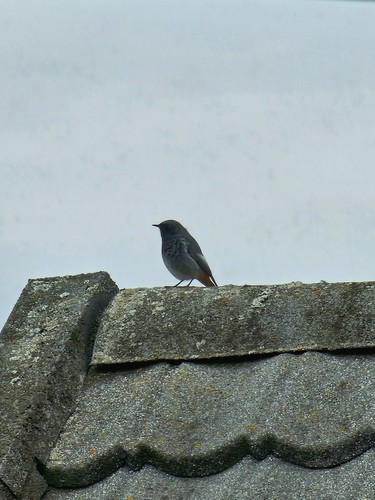
Black Redstart
13-14.5 cm (5.1-5.7 in) long, 23-26 cm wingspan
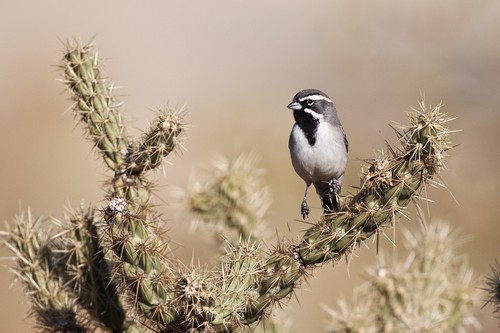
Black-throated Sparrow
12-14 cm (4.7-5.5 in) long, about 19-20 cm (7.5-8 in) wingspan
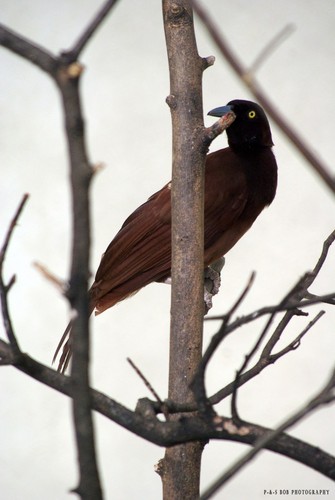
Greater Bird-of-paradise
Body about 43 cm; males with additional flank plumes up to 50 cm and long tail wires
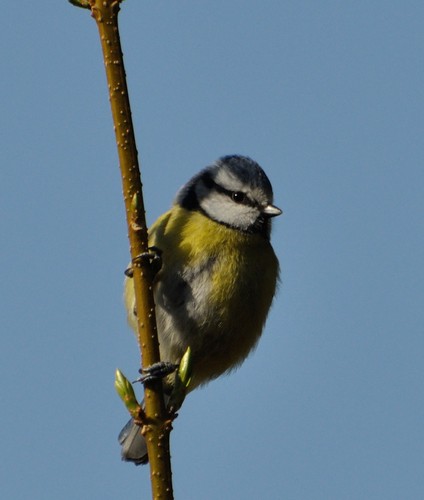
Blue Tit
11-12 cm (4.3-4.7 in) long, 17-20 cm wingspan
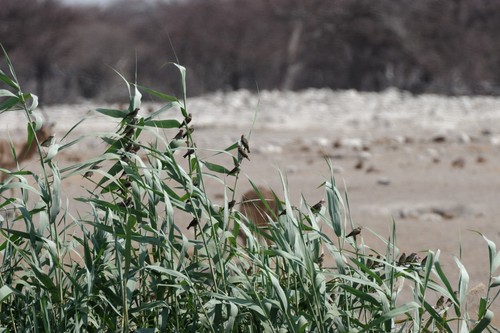
Red-billed Quelea
11.5–13 cm long, wingspan about 20–22 cm
White-plumed Antbird
13-14 cm (5-5.5 in) long
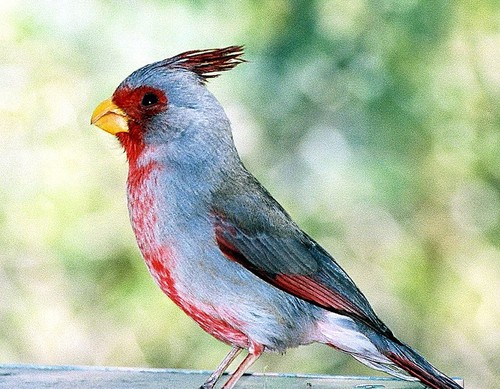
Pyrrhuloxia
19-22 cm (7.5-8.7 in) long, 30 cm wingspan
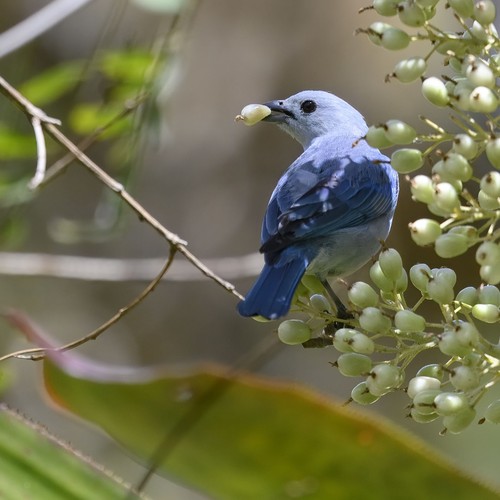
Blue-gray Tanager
16-18 cm (6-7 in) long
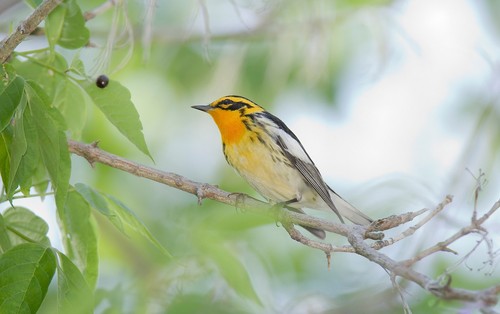
Blackburnian Warbler
11-13 cm (4.3-5.1 in) long, 20-22 cm wingspan
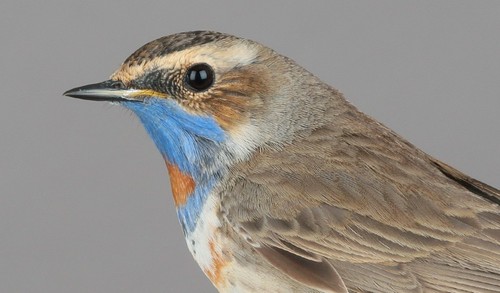
Bluethroat
13-14 cm (5.1-5.5 in) long, 20-22 cm wingspan
Eurasian Nuthatch
12-14.5 cm (4.7-5.7 in) long, 22.5-27 cm wingspan
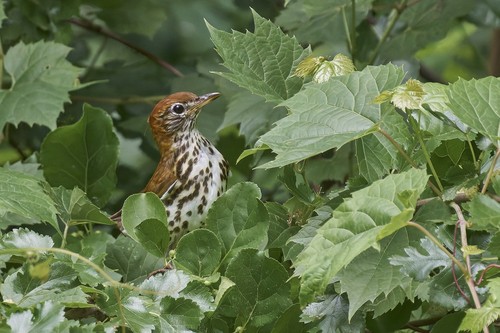
Wood Thrush
19-21 cm (7.5-8.3 in) long, about 33 cm (13 in) wingspan