
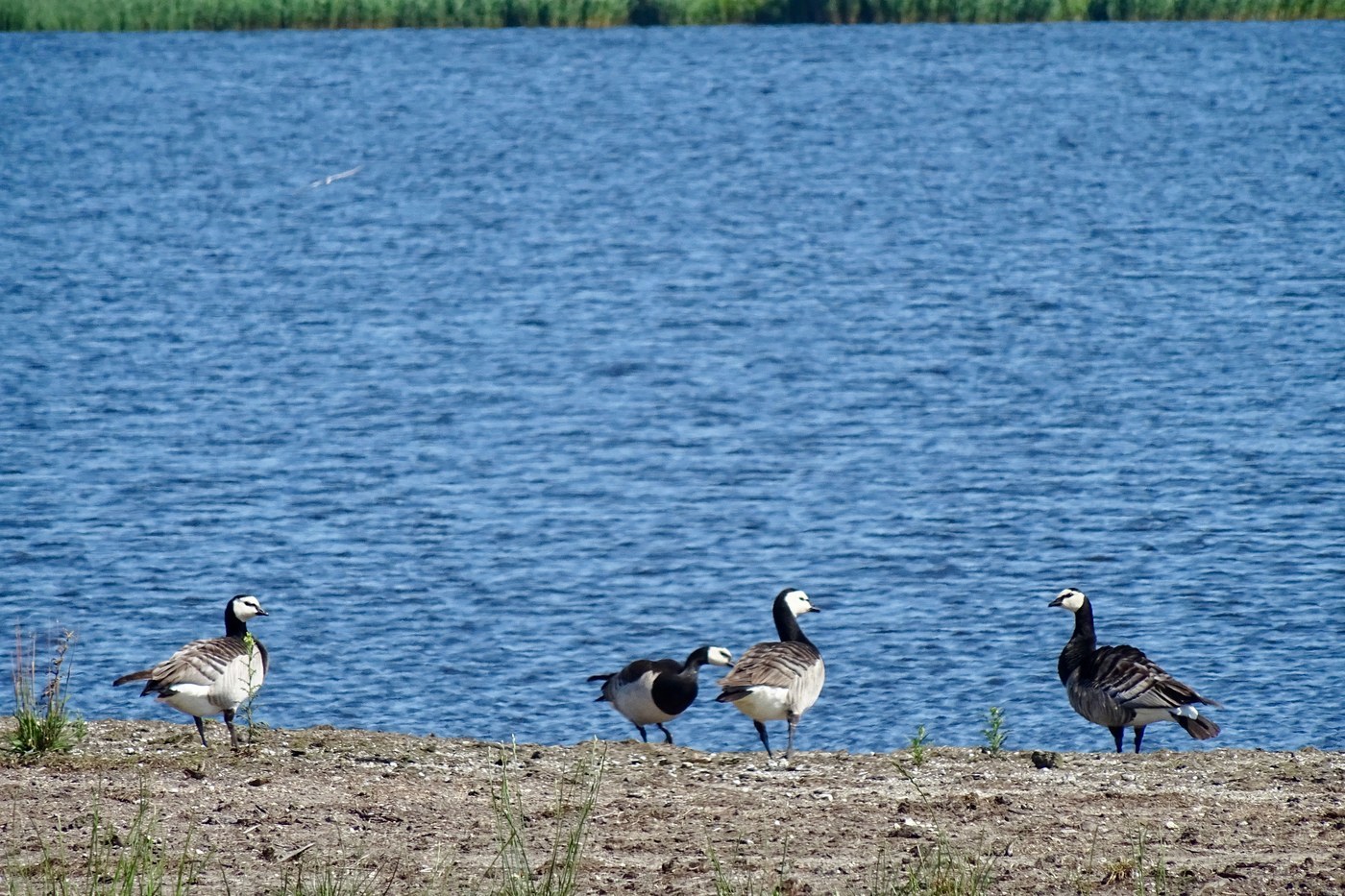
Barnacle Goose
Branta leucopsis
A compact black, white, and grey goose with a striking cream-white face, famous for nesting on sheer Arctic cliffs.
- Size
- 55-70 cm (22-28 in) long, 130-145 cm wingspan
- Habitat
- Arctic sea cliffs and coastal tundra for breeding; coastal grasslands, salt marshes, and farm fields in winter
- Type
- waterfowl
Spotted a bird like this?
Identify any bird from a photo, free.
Overview
The Barnacle Goose is a small, strikingly patterned goose named in medieval folklore for a mistaken belief that it hatched from goose barnacles rather than eggs. It has a clean black neck and breast, a creamy-white face, and a finely barred grey, black, and white back and flanks that give it a scaly, almost pearlescent look at close range.
Adults of both sexes look alike, with males averaging only slightly larger than females. In flight, flocks form loose lines or V-shapes, and the goose's small size and quick wingbeats compared to larger geese are useful clues even at a distance.
How to identify it
Key field marks
- Black neck, breast, and crown contrasting sharply with a creamy-white face
- Finely barred silvery-grey, black, and white upperparts and flanks
- Black bill and legs, notably small and stubby compared to other geese
- Compact, short-necked build
Similar species
- Canada Goose: much larger, with a brown body and white chinstrap rather than an all-white face
- Brant (Brent Goose): also black-necked but lacks the white face, showing only a small white neck patch
The combination of an all-white face and black breast is unique among common geese and makes the Barnacle Goose easy to identify once seen.
Habitat & range
Range and habitat
Barnacle Geese breed colonially on steep, predator-free sea cliffs and rocky coastal tundra in the Arctic, including Svalbard, Greenland, and Novaya Zemlya. Nesting high on cliffs forces newly hatched goslings to make a dramatic, often fatal leap to the ground within days of hatching to reach feeding areas.
Migration
Outside the breeding season, the species migrates to temperate coastal areas, chiefly the British Isles, the Netherlands, and Germany, where flocks graze on coastal grasslands, salt marshes, and increasingly on inland farm fields and airport turf. Distinct breeding populations (Svalbard, Greenland, and Russian) winter in largely separate regions.
Behavior & voice
Behavior
Barnacle Geese are highly social, forming large, tightly packed flocks outside the breeding season that graze almost constantly on short grass. They are wary and quick to take flight if disturbed, often departing as a synchronized, noisy group.
Voice
The call is a sharp, yapping or barking "kah-kah-kah," higher-pitched and more terrier-like than the deeper honking of Canada Geese; large flocks produce a constant chattering chorus.
Feeding
They graze almost exclusively by grubbing on short grasses, sedges, and clover, feeding communally in tight flocks that move steadily across a field or marsh.
Nesting and breeding
Nests are simple down-lined scrapes on cliff ledges, chosen specifically to be inaccessible to Arctic foxes. Goslings must jump from the nest ledge, sometimes falling many meters onto rock, within two to three days of hatching in order to follow their parents to feeding grounds.
Frequently asked questions
Why is it called a Barnacle Goose?
Medieval Europeans, unaware of its Arctic breeding grounds, believed the goose developed from goose barnacles found on driftwood, giving rise to the name.
How do you tell a Barnacle Goose from a Canada Goose?
Barnacle Geese are smaller with an entirely creamy-white face and black breast, while Canada Geese are larger, brown-bodied, and show only a white chinstrap on an otherwise black head.
Where do Barnacle Geese nest?
They nest colonially on steep Arctic sea cliffs and rocky coastal tundra in places like Svalbard, Greenland, and northern Russia, a location that helps protect eggs and young from ground predators.
Why do Barnacle Goose goslings jump off cliffs?
Because nests are placed high on cliffs for safety, goslings must leap to the ground within days of hatching to reach the grassy feeding areas their parents use.
Are Barnacle Geese endangered?
No, the global population has grown substantially in recent decades and the species is classified as Least Concern.
Barnacle Goose guides
In-depth guides for identifying, finding, and understanding Barnacle Goose.
Other birds you may enjoy
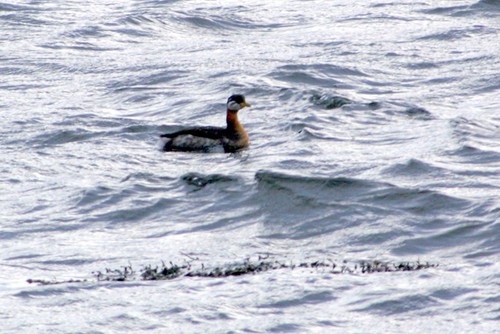
Red-necked Grebe
40-55 cm (16-22 in) long, 77-85 cm wingspan
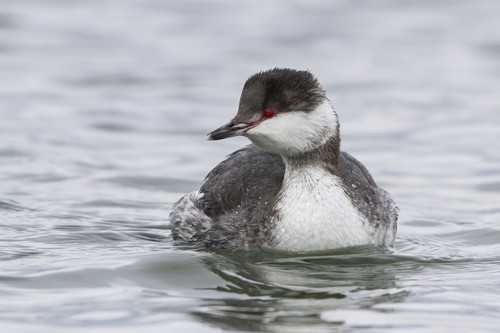
Horned Grebe
31-38 cm (12-15 in) long, 46-55 cm wingspan
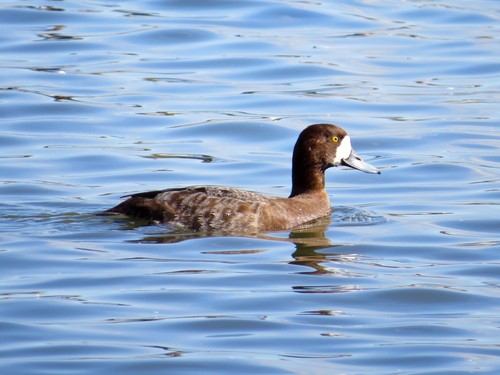
Greater Scaup
42-51 cm (16.5-20 in) long, 71-84 cm wingspan
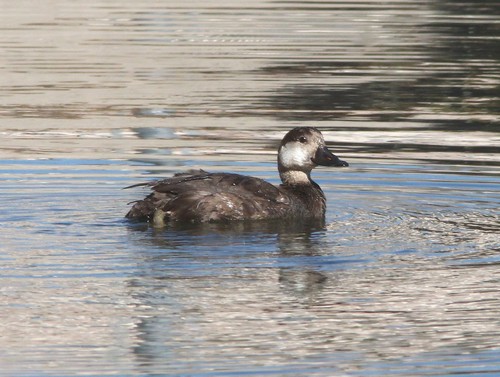
Black Scoter
43-54 cm (17-21 in) long, 79-90 cm wingspan
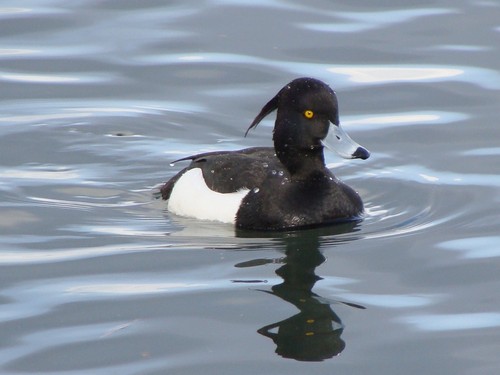
Tufted Duck
40-47 cm (16-18.5 in) long, 67-73 cm wingspan
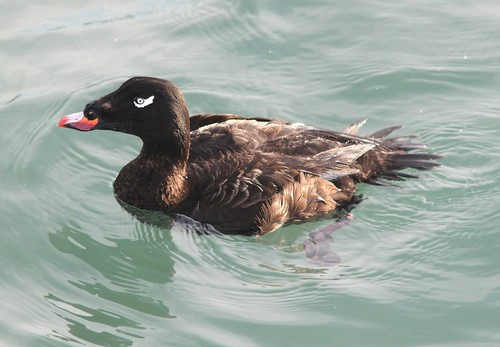
White-winged Scoter
48-58 cm (19-23 in) long, 86-99 cm wingspan
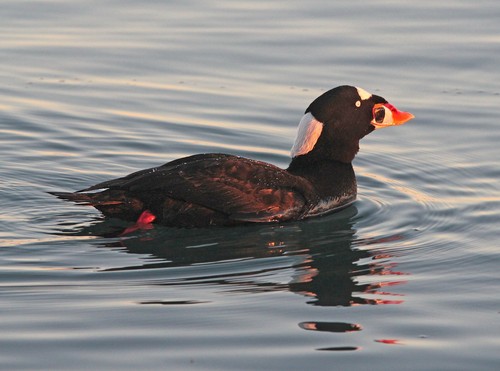
Surf Scoter
45-56 cm (18-22 in) long, 78-92 cm wingspan
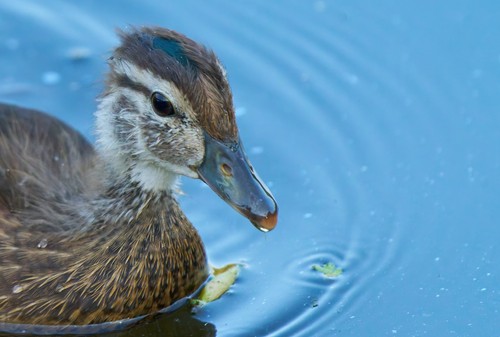
Wood Duck
47-54 cm (18.5-21 in) long, 66-73 cm wingspan
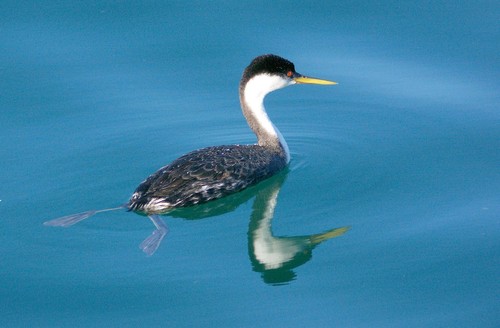
Western Grebe
56-74 cm (22-29 in) long, 79-102 cm wingspan
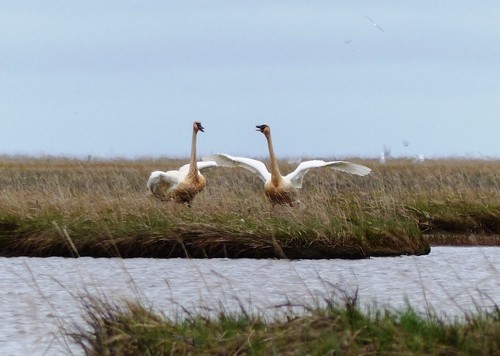
Tundra Swan
115-150 cm (45-59 in) long, about 180 cm wingspan
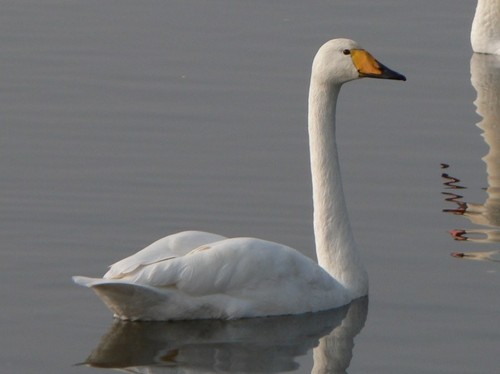
Whooper Swan
140-165 cm (55-65 in) long, 205-235 cm wingspan
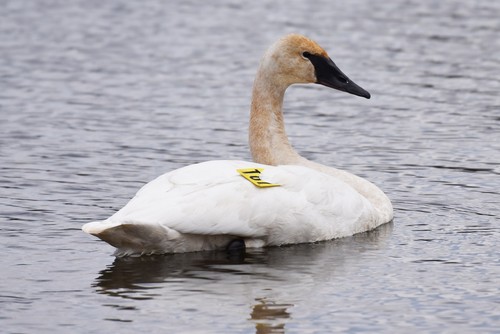
Trumpeter Swan
150-180 cm (59-71 in) long, up to 300 cm wingspan