

European Bee-eater
Merops apiaster
One of Europe's most vividly colored birds, a swallow-shaped hunter of flying insects with chestnut, yellow, and turquoise plumage.
- Size
- 25-29 cm (10-11.5 in) long including tail streamers, 36-40 cm wingspan
- Habitat
- open country, farmland, and riverbanks with sandy or earthen banks for nesting
- Type
- other
Spotted a bird like this?
Identify any bird from a photo, free.
Overview
The European Bee-eater is a strikingly colorful bird, with a chestnut-and-gold back, bright yellow throat bordered by a black band, vivid turquoise-blue underparts, and elongated central tail feathers that form thin streamers. In flight its sleek, swallow-like silhouette and slender, downcurved bill are distinctive.
True to its name, it specializes in catching bees and wasps on the wing, subduing venomous prey by beating it against a perch and rubbing out the sting before swallowing.
How to identify it
Key field marks
- Chestnut and golden-yellow back
- Turquoise-blue underparts and rump
- Bright yellow throat bordered by black
- Black eye-stripe
- Long, slender, downcurved bill
- Elongated central tail streamers
- Rolling, liquid "prrup" flight call
Similar species
- No other European bird shares this combination of colors; it is unmistakable when seen well, though distant flying flocks can suggest swallows or swifts by shape alone.
Its vivid multicolored plumage makes the European Bee-eater one of the most distinctive birds in its range.
Habitat & range
Habitat
Favors open, sunny country such as farmland, olive groves, and river valleys, requiring sandy or earthen banks, quarries, or cuttings for nesting burrows.
Range
Breeds across southern and parts of central Europe, North Africa, and western Asia; a long-distance migrant wintering in sub-Saharan Africa.
Migration
Arrives on breeding grounds in April and May, departing again in August and September; increasingly recorded breeding further north in Europe in recent years, likely linked to warming climate.
Behavior & voice
Behavior
Highly social, breeding in colonies and often perching in groups on wires or bare branches between aerial sallies after flying insects, calling frequently while in flight.
Voice
Gives a distinctive liquid, rolling "prrup" or "quilp" call, often the first indication of a passing flock overhead.
Feeding
Catches bees, wasps, dragonflies, and other flying insects in swift aerial sallies from a perch, removing stings by beating prey against a branch before swallowing.
Nesting and breeding
Excavates a long tunnel nest, often over a meter deep, in sandy banks or cliffs, typically in dense colonies. Pairs lay 4-7 white eggs, incubated by both parents for about 20 days.
Frequently asked questions
How does the European Bee-eater catch and eat bees safely?
It catches insects in flight, then beats and rubs the prey against a perch to remove or disable the stinger before swallowing it.
Where does the European Bee-eater nest?
In long tunnel burrows excavated in sandy banks, quarries, or earthen cliffs, usually in colonies.
Is the European Bee-eater found further north than it used to be?
Yes, breeding records have increased in parts of northern Europe in recent years, likely linked to a warming climate.
What does the European Bee-eater eat?
Mainly bees and wasps, along with other flying insects such as dragonflies, all caught in flight.
European Bee-eater guides
In-depth guides for identifying, finding, and understanding European Bee-eater.

Other birds you may enjoy
Kiwi
35-55 cm (14-22 in) long; roughly chicken-sized
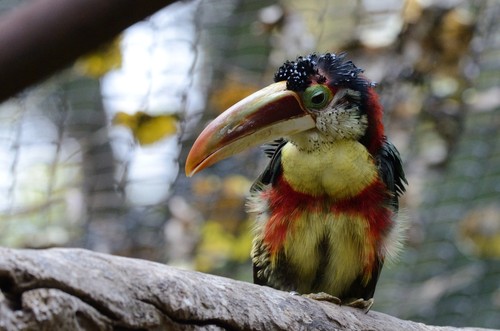
Curl-crested Aracari
41-46 cm (16-18 in) long, including a long bill and tail
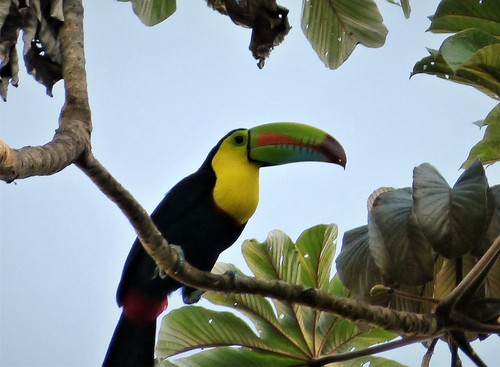
Keel-billed Toucan
42-55 cm (17-22 in) long including bill
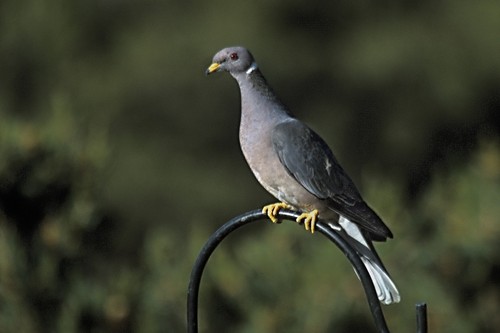
Band-tailed Pigeon
33-38 cm (13-15 in) long, wingspan about 66 cm (26 in)
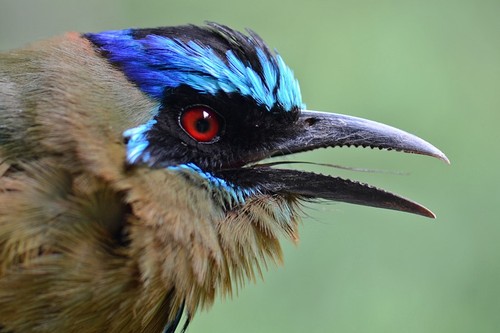
Blue-crowned Motmot
38-43 cm (15-17 in) long including tail
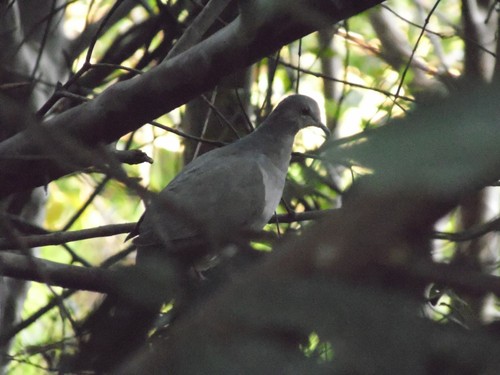
White-tipped Dove
27-30 cm (10.5-12 in) long, 38-43 cm wingspan

White-throated Kingfisher
27-28 cm (10.5-11 in) long
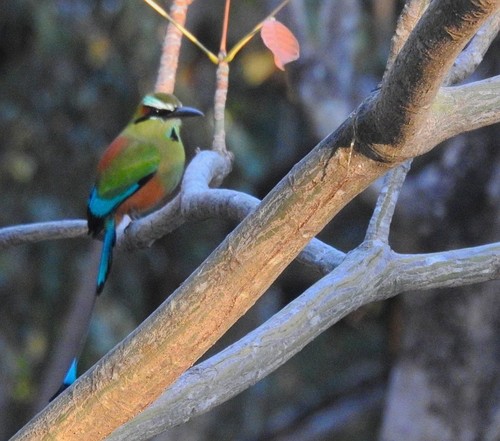
Turquoise-browed Motmot
34 cm (13 in) long including tail
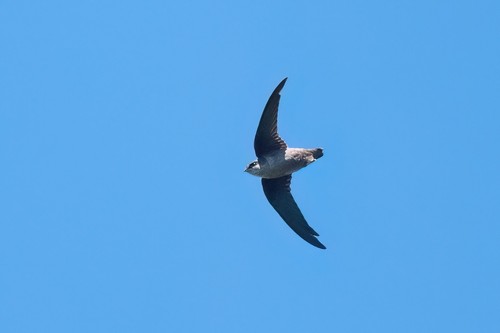
Vaux's Swift
10-12 cm (4-4.5 in) long, 27-30 cm wingspan
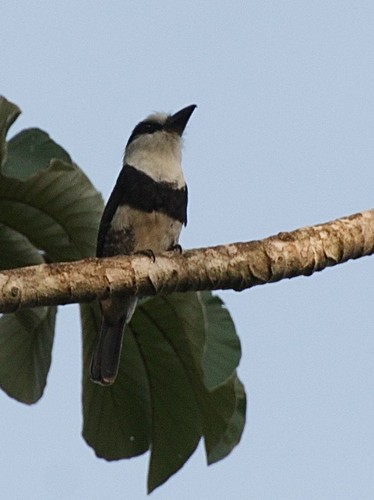
White-necked Puffbird
22-24 cm (8.5-9.5 in) long
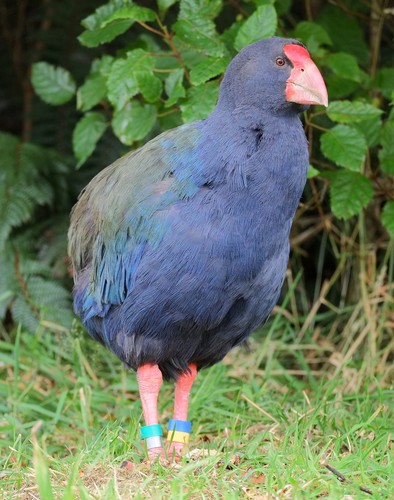
Takahe
50 cm (20 in) long, up to 3.5 kg; flightless
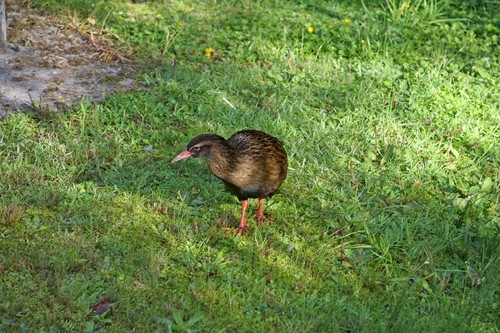
Weka
50-60 cm (20-24 in) long; flightless