
Takahe
Porphyrio hochstetteri
A large, flightless, deep blue-and-green New Zealand rail once thought extinct for fifty years until its dramatic rediscovery in remote Fiordland tussock country in 1948.
- Size
- 50 cm (20 in) long, up to 3.5 kg; flightless
- Habitat
- alpine tussock grassland in Fiordland and reintroduced sites across New Zealand
- Type
- other
Spotted a bird like this?
Identify any bird from a photo, free.
Overview
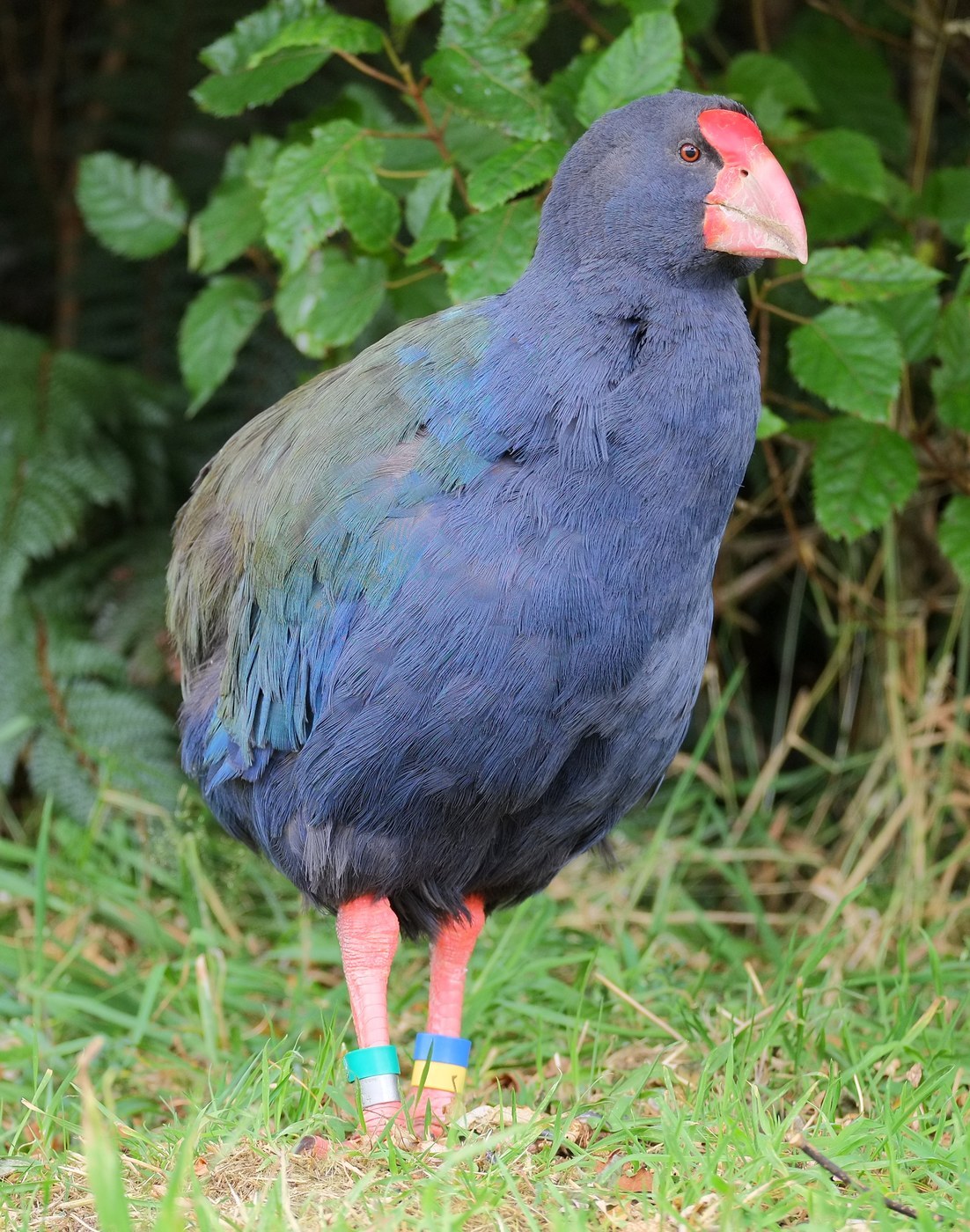
The Takahe is a large, heavily built, flightless rail with rich blue-purple plumage on the head, neck, and underparts contrasting with an olive-green back and wings. Its most striking feature is a massive, stout red bill and matching red frontal shield above it, paired with sturdy red legs built for pushing through dense tussock.
Long believed extinct after no confirmed sightings for around fifty years, the Takahe made international headlines when a small population was rediscovered in the remote Murchison Mountains of Fiordland in 1948. Since then it has become one of New Zealand's flagship conservation species, with an intensive captive-breeding and translocation program establishing additional populations on predator-free islands and fenced sanctuaries.
How to identify it
Key field marks
- Large, heavy-bodied flightless rail, noticeably bigger and bulkier than the related Pukeko
- Deep blue-purple head, neck, and underparts
- Olive-green back and wings
- Massive red bill and red frontal shield
- Sturdy red legs
Similar species
- Pukeko is much smaller, slimmer, and lighter-bodied, with a more slender bill and frontal shield, and it can fly (weakly) unlike the flightless Takahe.
- No other New Zealand bird approaches the Takahe's combination of large size, flightlessness, and massive red bill.
Habitat & range
Range
Historically widespread across New Zealand, now naturally occurring only in the Murchison Mountains of Fiordland, with additional populations established through translocation on predator-free islands and fenced sanctuaries around the country.
Habitat
In its natural Fiordland stronghold it lives in alpine and subalpine tussock grassland; translocated populations also use lowland grassland and pasture within predator-proof reserves.
Migration
Non-migratory and flightless, though wild birds may move seasonally between higher summer tussock grounds and lower, more sheltered winter forest margins.
Behavior & voice
Behavior
Generally shy and wary in the wild, Takahe forage steadily through tussock, using their strong bill to strip and process grass stems, and defend a territory as a mated pair.
Voice
Gives a range of low, resonant booming and grunting calls, along with softer contact notes between pair members and chicks.
Feeding
Feeds mainly on the leaf bases and stems of tussock grasses, holding stems in one foot while stripping them with its powerful bill, and also eats seeds and roots.
Nesting
Builds a well-hidden nest of woven tussock on the ground; both parents share incubation of the one to two eggs and cooperate in feeding and protecting the chicks, which stay with the family group for an extended period.
Frequently asked questions
Was the Takahe really thought extinct?
Yes, after no confirmed sightings for about fifty years it was widely presumed extinct until a small surviving population was dramatically rediscovered in Fiordland's Murchison Mountains in 1948.
How is the Takahe different from the Pukeko?
The Takahe is much larger, heavier, and completely flightless, with a bulkier red bill and frontal shield, while the Pukeko is smaller, slimmer, and capable of flight.
Where can you see Takahe today?
In their natural Fiordland stronghold as well as several predator-free islands and fenced sanctuaries around New Zealand where translocated populations have been established.
Why is the Takahe endangered?
Historic habitat loss and predation by introduced mammals reduced it to a tiny remnant population, and despite intensive conservation efforts numbers remain low and management-dependent.
Takahe guides
In-depth guides for identifying, finding, and understanding Takahe.
Other birds you may enjoy
Kiwi
35-55 cm (14-22 in) long; roughly chicken-sized
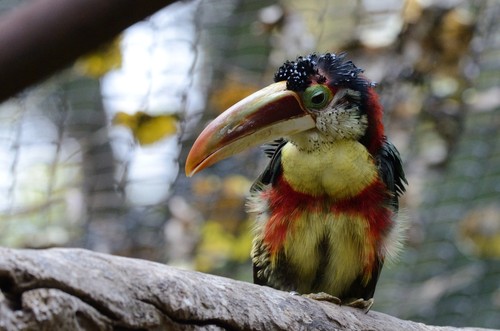
Curl-crested Aracari
41-46 cm (16-18 in) long, including a long bill and tail
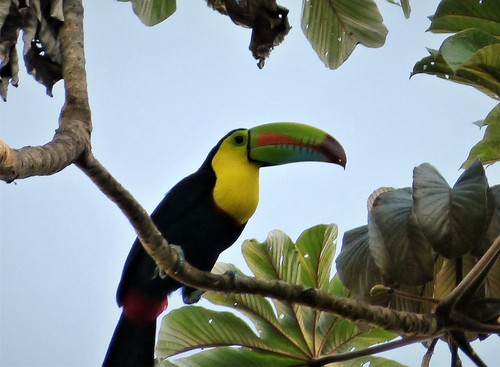
Keel-billed Toucan
42-55 cm (17-22 in) long including bill
Band-tailed Pigeon
33-38 cm (13-15 in) long, wingspan about 66 cm (26 in)
Blue-crowned Motmot
38-43 cm (15-17 in) long including tail
White-tipped Dove
27-30 cm (10.5-12 in) long, 38-43 cm wingspan
White-throated Kingfisher
27-28 cm (10.5-11 in) long
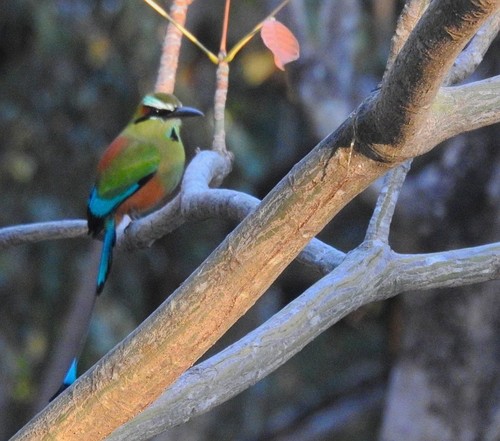
Turquoise-browed Motmot
34 cm (13 in) long including tail
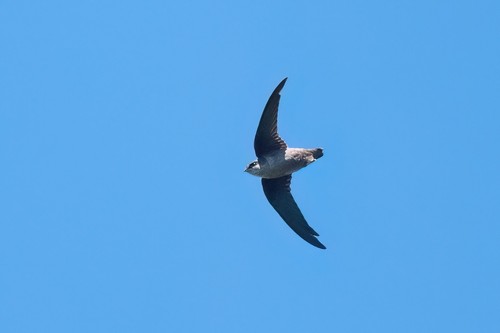
Vaux's Swift
10-12 cm (4-4.5 in) long, 27-30 cm wingspan
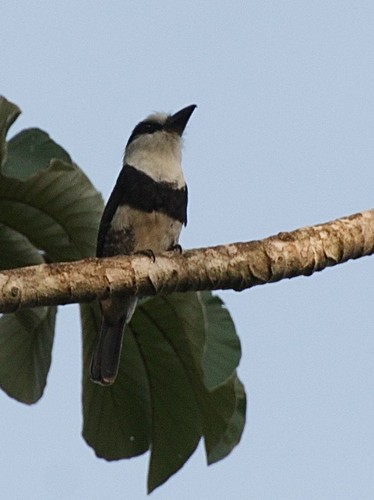
White-necked Puffbird
22-24 cm (8.5-9.5 in) long
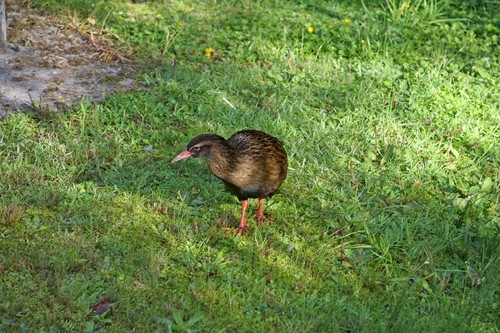
Weka
50-60 cm (20-24 in) long; flightless
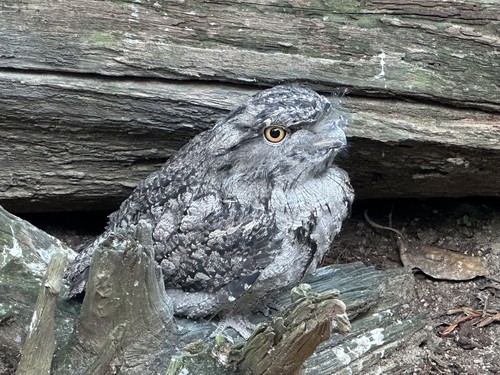
Tawny Frogmouth
35-52 cm (14-20.5 in) long, 65-90 cm wingspan