
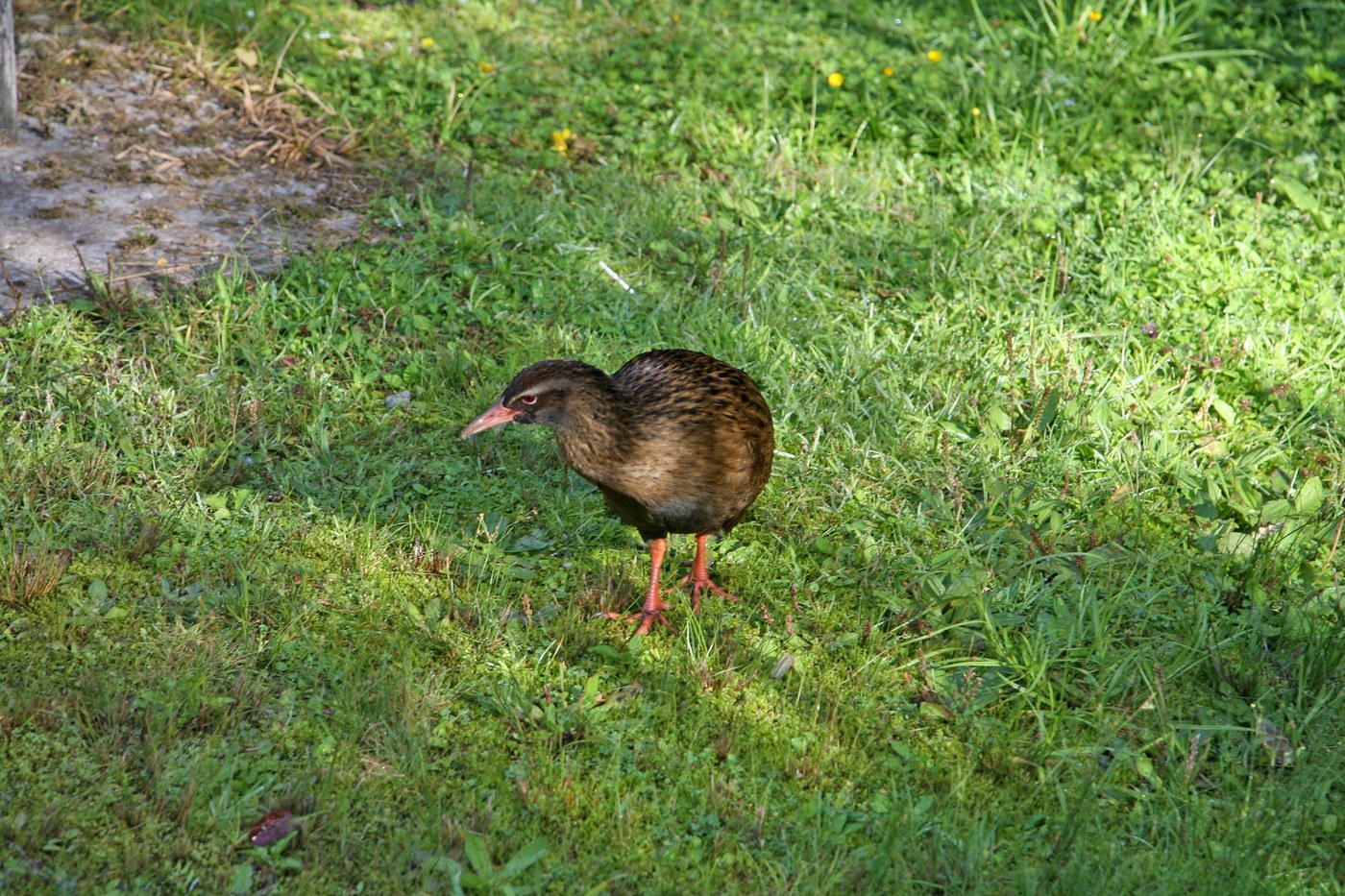
Weka
Gallirallus australis
A large, bold, flightless New Zealand rail with rich brown plumage, famous for its cheeky, opportunistic curiosity and its habit of investigating and sometimes stealing unattended items from campsites.
- Size
- 50-60 cm (20-24 in) long; flightless
- Habitat
- forest edges, scrub, coastal areas, and farmland across parts of New Zealand
- Type
- other
Spotted a bird like this?
Identify any bird from a photo, free.
Overview
The Weka is a large, robust, flightless rail endemic to New Zealand, clothed in streaky rufous-brown plumage with darker barring, a stout body, and short, strong legs built for running rather than flying. Colour varies regionally from pale buff to dark chestnut-brown forms.
Unlike many of New Zealand's shyer native birds, Weka are famously bold and inquisitive, readily approaching people and campsites and sometimes making off with small unattended objects, a behavior that has earned them a reputation as cheeky opportunists. Despite this confidence around humans, populations have fluctuated and declined in parts of their range due to predation and habitat change.
How to identify it
Key field marks
- Large, chicken-sized rail with a stout body and short strong legs
- Streaky rufous-brown to dark chestnut plumage, varying regionally
- Short, stout bill
- Flightless, with only vestigial flight capability
- Bold, confident behavior around people, unlike most native rails
Similar species
- Pukeko is more slender with distinctive blue-purple plumage and a red frontal shield, easily distinguished by color alone.
- Takahe is much larger and vividly blue-green with a massive red bill, unlike the plain brown Weka.
Habitat & range
Range
Found in scattered populations across parts of the North Island, South Island, Stewart Island, and several offshore islands, with a patchy distribution shaped by past declines and reintroductions.
Habitat
Uses a wide range of habitats including forest edges, scrub, coastal dunes and rocky shorelines, and farmland, generally avoiding only the densest closed forest interior.
Migration
Non-migratory and flightless, though juveniles disperse overland to find new territories.
Behavior & voice
Behavior
Bold, curious, and often conspicuous compared to other native rails, Weka investigate their surroundings actively and are notorious for picking up and carrying off small shiny or unattended objects.
Voice
Gives loud, repeated, far-carrying calls, including a sharp "coo-eet" contact call and various clucks and screeches, often heard at dawn, dusk, and through the night.
Feeding
An opportunistic omnivore, eating invertebrates, small lizards, eggs and chicks of other birds, fruit, and seeds, and readily scavenging around campsites and human habitation.
Nesting
Builds a nest of grass and leaves in a hollow, under dense vegetation, or in similar sheltered spots; both parents incubate the eggs and care for the precocial chicks, which can leave the nest and forage soon after hatching.
Frequently asked questions
Why are Weka known for stealing things?
They are unusually bold and curious rails that investigate objects around campsites and huts, sometimes carrying off small unattended items out of opportunistic curiosity.
Can Weka fly?
No, they are flightless, though they can run quickly and are strong swimmers when needed.
Why is the Weka considered vulnerable despite being common in some areas?
Populations have fluctuated widely and declined in many regions due to predation, disease, and habitat change, even though locally abundant populations exist in some places.
What does a Weka eat?
A broad, opportunistic diet of invertebrates, small vertebrates, eggs, fruit, and seeds, along with scavenged food near people.
Weka guides
In-depth guides for identifying, finding, and understanding Weka.
Other birds you may enjoy
Kiwi
35-55 cm (14-22 in) long; roughly chicken-sized
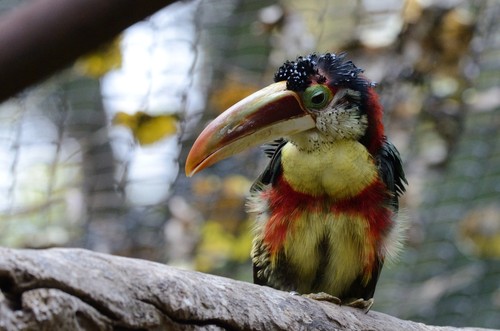
Curl-crested Aracari
41-46 cm (16-18 in) long, including a long bill and tail
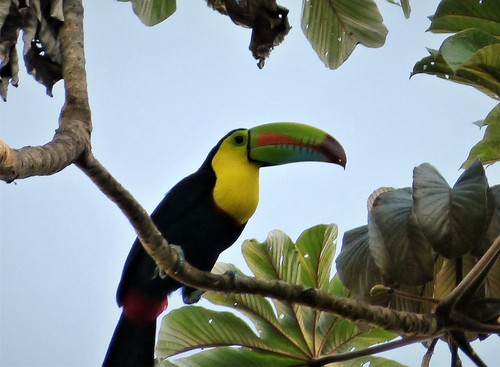
Keel-billed Toucan
42-55 cm (17-22 in) long including bill
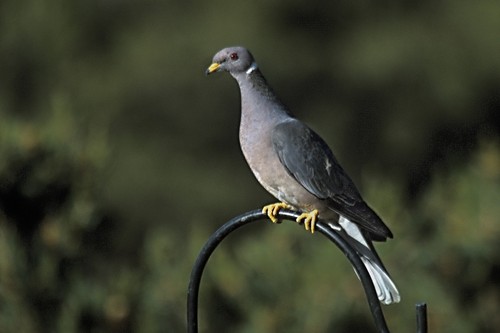
Band-tailed Pigeon
33-38 cm (13-15 in) long, wingspan about 66 cm (26 in)
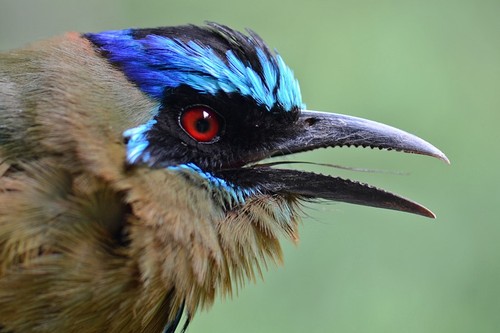
Blue-crowned Motmot
38-43 cm (15-17 in) long including tail
White-tipped Dove
27-30 cm (10.5-12 in) long, 38-43 cm wingspan
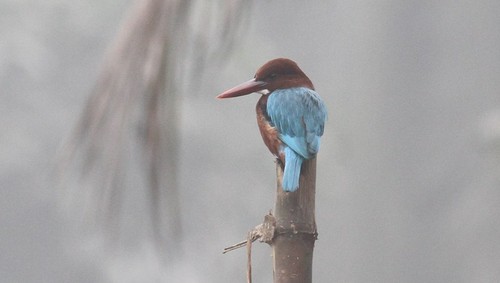
White-throated Kingfisher
27-28 cm (10.5-11 in) long
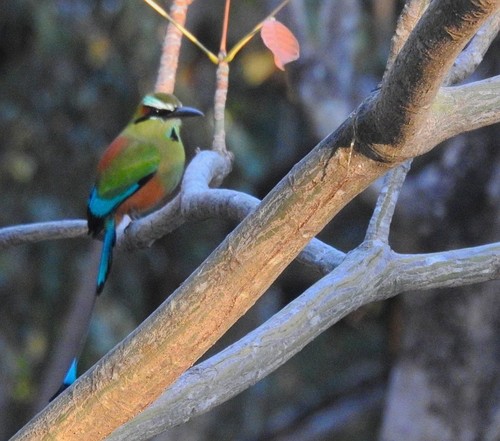
Turquoise-browed Motmot
34 cm (13 in) long including tail
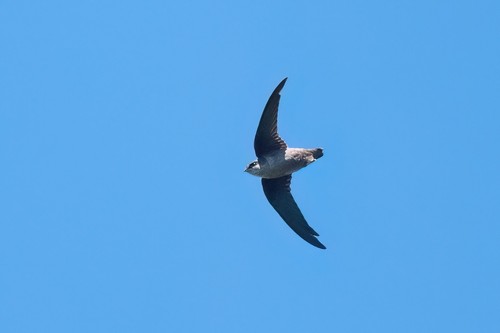
Vaux's Swift
10-12 cm (4-4.5 in) long, 27-30 cm wingspan
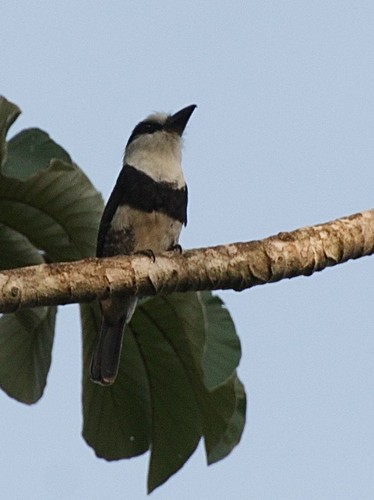
White-necked Puffbird
22-24 cm (8.5-9.5 in) long
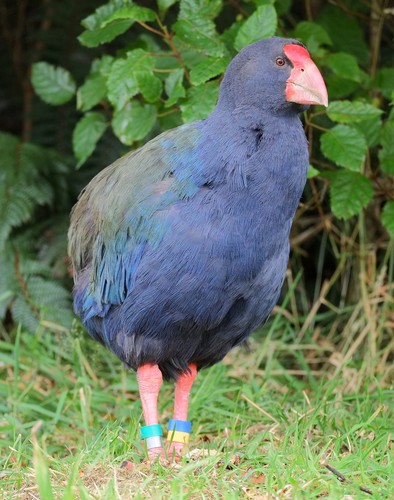
Takahe
50 cm (20 in) long, up to 3.5 kg; flightless
Tawny Frogmouth
35-52 cm (14-20.5 in) long, 65-90 cm wingspan