
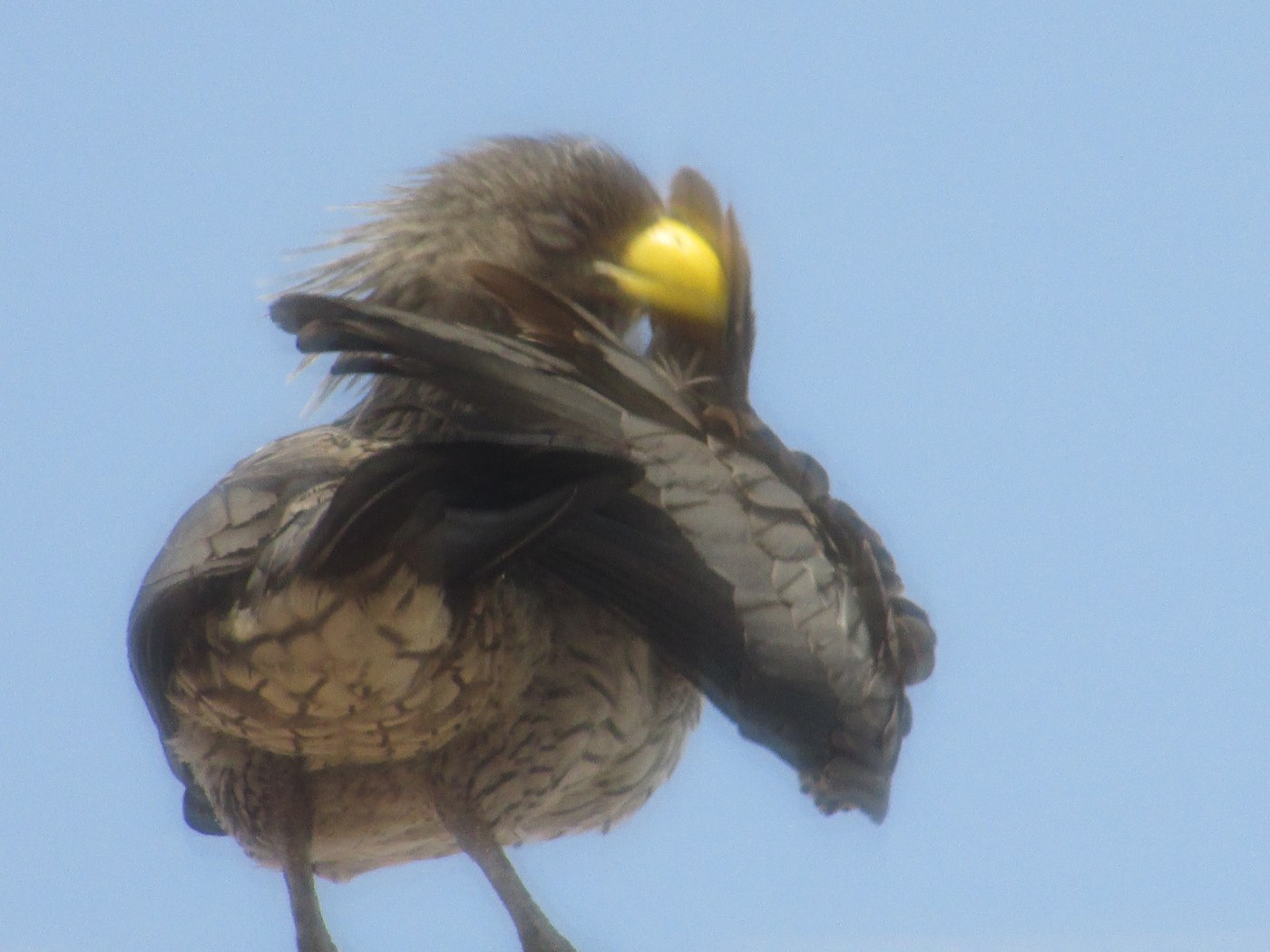
Western Plantain-eater
Crinifer piscator
A large, grey-brown turaco relative of West African savanna, easily spotted by its heavy yellow-tipped bill and bold white wing patches in flight.
- Size
- About 48 cm long including a long tail
- Habitat
- Savanna, woodland edges, and riverine growth in West and Central Africa
- Type
- other
Spotted a bird like this?
Identify any bird from a photo, free.
Overview
The Western Plantain-eater is a large, long-tailed member of the turaco family found in the savannas and woodlands of West and Central Africa. It is mostly grey-brown with fine streaking on the head and breast, a shaggy crest, and a notably heavy, downcurved yellow bill tipped with red.
In flight it reveals bold white patches on the wings that contrast with the otherwise subdued plumage, a useful identification feature at a distance.
How to identify it
Key field marks
- Large size with a long tail and shaggy crest
- Heavy, thick bill, yellow with a red tip
- Grey-brown streaked plumage overall
- Conspicuous white wing patches visible in flight
Similar species
The Eastern Plantain-eater (Crinifer zonurus) is very similar in appearance and habits but occurs farther east in Africa, with the two species' ranges generally not overlapping, making location the primary distinguishing factor. The Western Plantain-eater's heavy bill and streaked grey-brown plumage separate it from the more colorful true turacos.
Habitat & range
Habitat and range
This species occurs across West and Central Africa, from Senegal and Gambia east through Nigeria to Cameroon and the Central African Republic, favoring savanna, open woodland, and riverine or gallery forest edges.
Migration
It is a resident, non-migratory species, though it may shift locally to follow fruiting trees.
Behavior & voice
Behavior
Western Plantain-eaters are usually seen in pairs or small noisy groups, moving between trees with heavy, somewhat clumsy flight interspersed with gliding. They are conspicuous and vocal, often perching in the open atop trees.
Voice
The call is a loud, cackling, laughing series of notes, often given by several birds together and carrying well across open habitat.
Feeding
They feed largely on fruit, including wild figs, along with seeds, buds, and leaves gathered in the canopy.
Nesting and breeding
A loose stick nest is built in a tree, typically holding 2–3 eggs, with both parents sharing incubation and chick-feeding duties.
Frequently asked questions
What does a Western Plantain-eater look like in flight?
It shows bold white patches on the wings against otherwise grey-brown plumage, along with a long tail.
Is the Western Plantain-eater a turaco?
Yes, it is a member of the turaco family Musophagidae, though duller in color than many of its relatives.
Where does the Western Plantain-eater live?
It is found in savanna and woodland habitats across West and Central Africa.
What is the difference between the Western and Eastern Plantain-eater?
They look very similar, but the Western Plantain-eater occurs in West and Central Africa while the Eastern Plantain-eater replaces it farther east; their ranges generally do not overlap.
Western Plantain-eater guides
In-depth guides for identifying, finding, and understanding Western Plantain-eater.
Other birds you may enjoy
Kiwi
35-55 cm (14-22 in) long; roughly chicken-sized
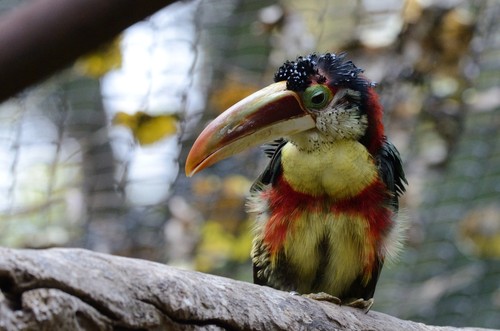
Curl-crested Aracari
41-46 cm (16-18 in) long, including a long bill and tail
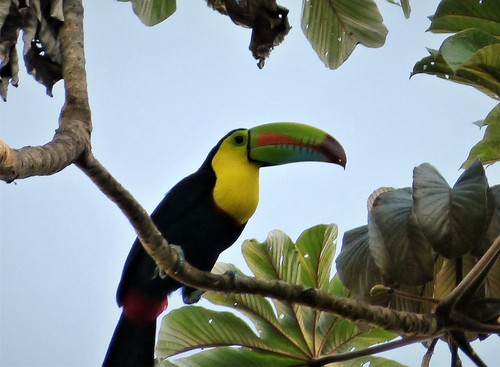
Keel-billed Toucan
42-55 cm (17-22 in) long including bill
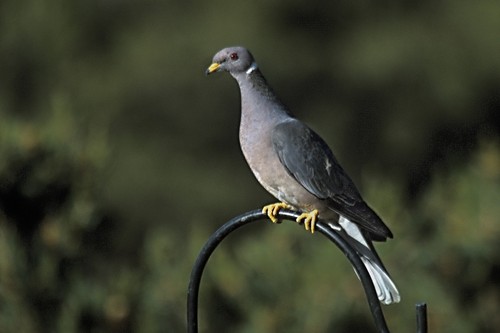
Band-tailed Pigeon
33-38 cm (13-15 in) long, wingspan about 66 cm (26 in)
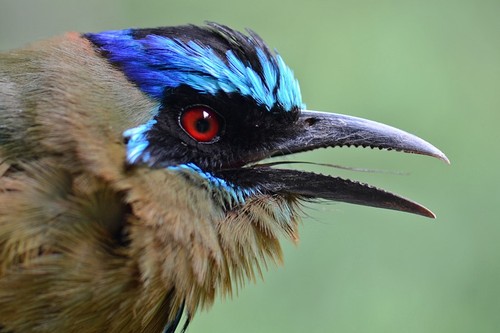
Blue-crowned Motmot
38-43 cm (15-17 in) long including tail
White-tipped Dove
27-30 cm (10.5-12 in) long, 38-43 cm wingspan
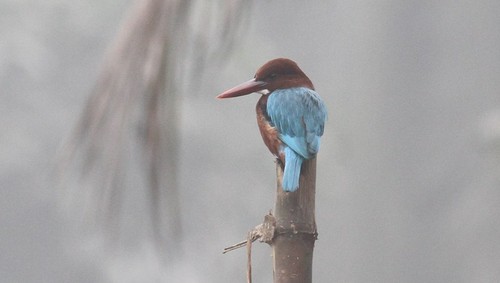
White-throated Kingfisher
27-28 cm (10.5-11 in) long
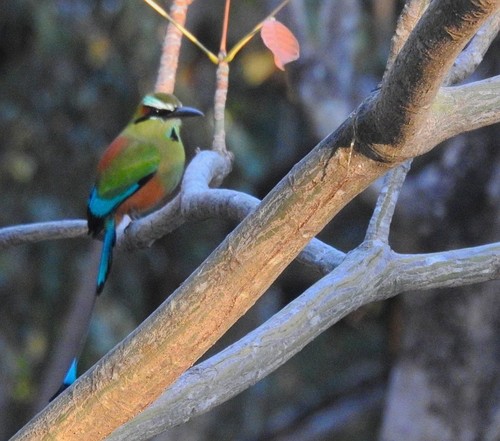
Turquoise-browed Motmot
34 cm (13 in) long including tail
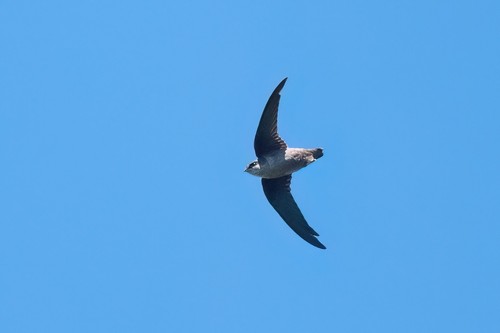
Vaux's Swift
10-12 cm (4-4.5 in) long, 27-30 cm wingspan
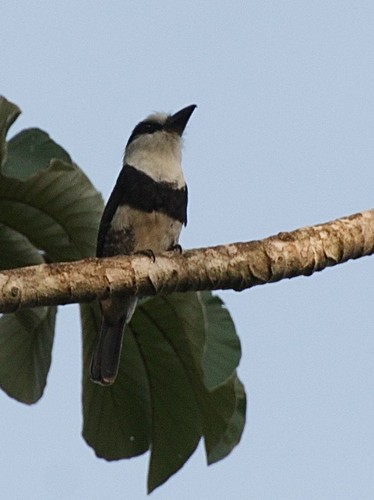
White-necked Puffbird
22-24 cm (8.5-9.5 in) long
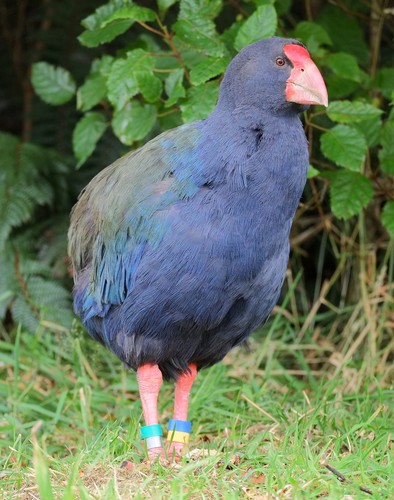
Takahe
50 cm (20 in) long, up to 3.5 kg; flightless
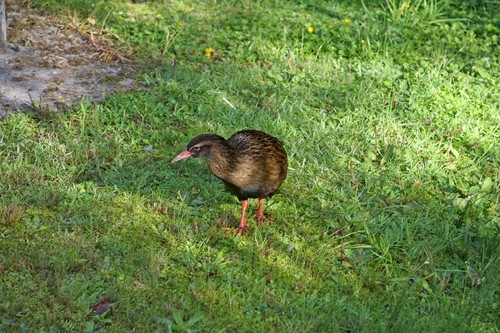
Weka
50-60 cm (20-24 in) long; flightless