
Curl-crested Aracari
Pteroglossus beauharnaesii
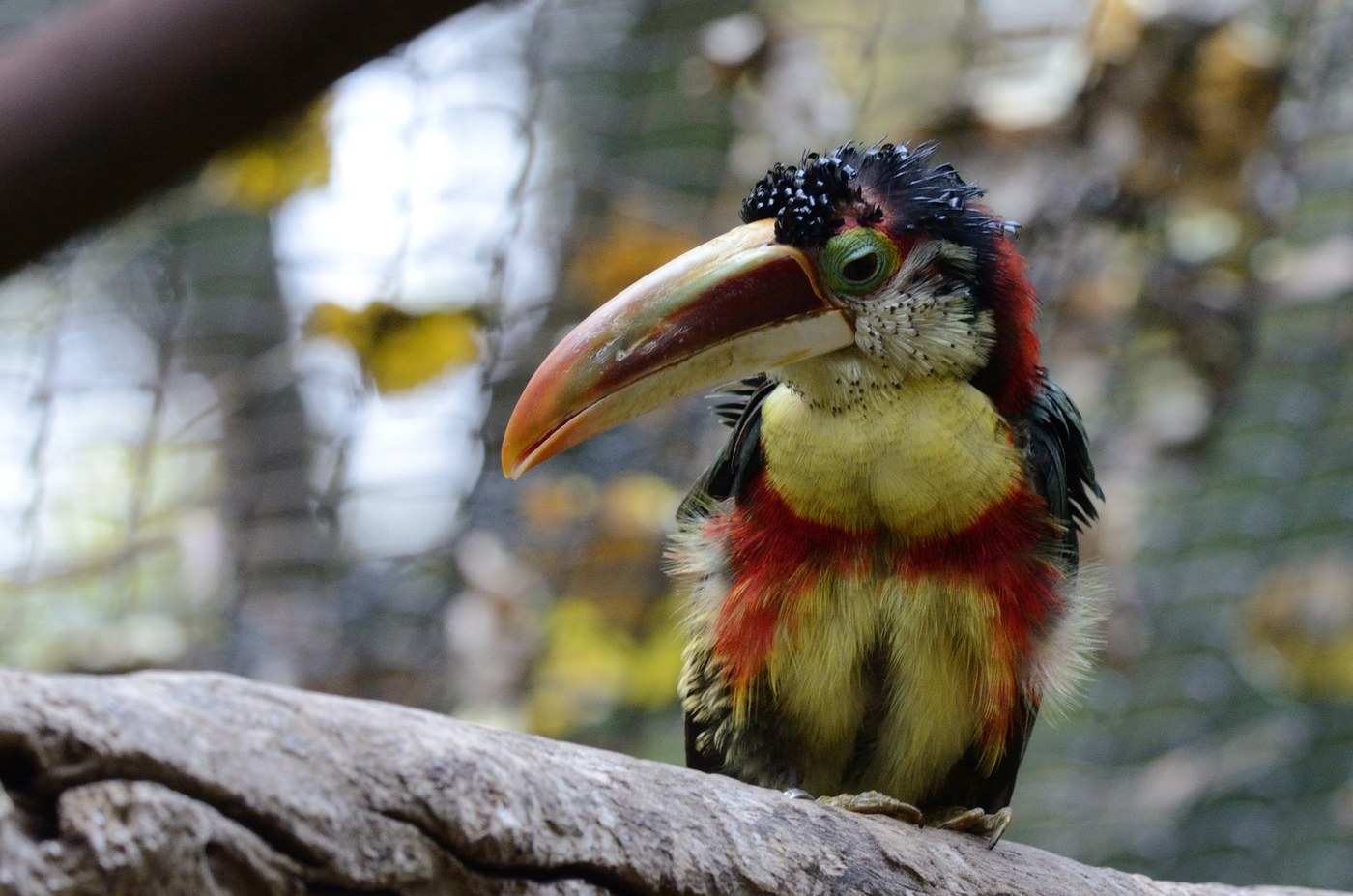
An unmistakable toucan relative with a crown of glossy, curled black feathers resembling patent-leather curls, plus a vividly patterned yellow-and-black bill.
- Size
- 41-46 cm (16-18 in) long, including a long bill and tail
- Habitat
- canopy of humid lowland forest in the western Amazon basin
- Type
- other
Spotted a bird like this?
Identify any bird from a photo, free.
Overview
The Curl-crested Aracari is one of the most bizarre-looking birds of the Amazon rainforest canopy, instantly recognizable by its extraordinary crown of tightly curled, glossy black feathers that give the impression of a helmet made of patent leather or plastic. This unique feather structure sets it apart from every other toucan and aracari species.
Below the curled crown, the face and throat are black, the back is chestnut to olive, and the underparts are bright yellow crossed by a reddish band across the belly, a pattern shared broadly with other aracari species in the genus Pteroglossus. The large bill is boldly patterned in shades of yellow, black, and sometimes reddish tones, adding to the bird's striking overall appearance.
Aracaris are more social than many larger toucans, and Curl-crested Aracaris are typically found in small, active flocks moving through the canopy together, often roosting communally in tree cavities.
How to identify it
Key field marks
- Crown of glossy, tightly curled black feathers, unique among toucans
- Black face and throat
- Chestnut to olive back, bright yellow underparts crossed by a reddish band
- Large, boldly patterned yellow-and-black bill
Similar species
No other aracari or toucan shares the Curl-crested Aracari's distinctive curled crown feathers, making it essentially unmistakable within its range once seen clearly; other Pteroglossus aracaris have smooth, normal head feathering rather than curls.
Habitat & range
Habitat
The Curl-crested Aracari inhabits the canopy and upper mid-story of humid lowland forest, generally in less disturbed forest with tall trees.
Range
It has a relatively restricted range in the western Amazon basin, including parts of Peru, Brazil, and Bolivia.
Migration
It is a non-migratory, sedentary resident of its forest range.
Behavior & voice
Behavior
Curl-crested Aracaris are social birds, typically traveling in small, noisy flocks through the canopy, and multiple individuals often roost together in a single tree cavity at night, sometimes in surprisingly cramped, tail-folded postures.
Voice
Calls include sharp, repeated, squeaky or croaking notes typical of aracaris, given as flock members communicate while moving through the canopy.
Feeding
It feeds on a mix of fruit, insects, and occasionally small vertebrates, nestlings, or eggs raided from other birds' nests, using its large bill to reach and manipulate food.
Nesting and breeding
Like other aracaris, it nests in a natural tree cavity or abandoned woodpecker hole, and breeding pairs may receive help from other flock members in raising the young, a form of cooperative breeding documented in several Pteroglossus aracaris.
Frequently asked questions
What makes the Curl-crested Aracari's appearance so unusual?
Its crown is covered in tightly curled, glossy black feathers that look almost artificial, unlike the smooth head feathering of any other toucan or aracari.
Where does the Curl-crested Aracari live?
In the canopy of humid lowland forest in the western Amazon basin, including parts of Peru, Brazil, and Bolivia.
What does the Curl-crested Aracari eat?
Mainly fruit, along with insects and occasionally small vertebrates, nestlings, or eggs.
Does the Curl-crested Aracari live in groups?
Yes, it is social and typically travels in small flocks, sometimes roosting communally in tree cavities.
Curl-crested Aracari guides
In-depth guides for identifying, finding, and understanding Curl-crested Aracari.
Other birds you may enjoy
Kiwi
35-55 cm (14-22 in) long; roughly chicken-sized
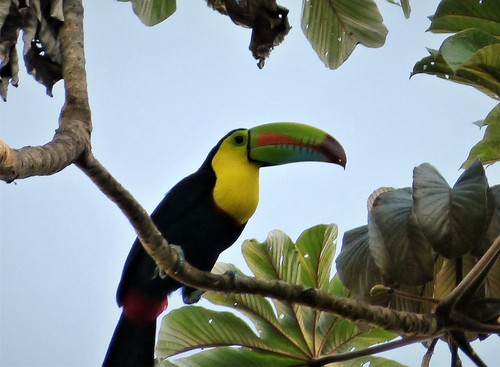
Keel-billed Toucan
42-55 cm (17-22 in) long including bill
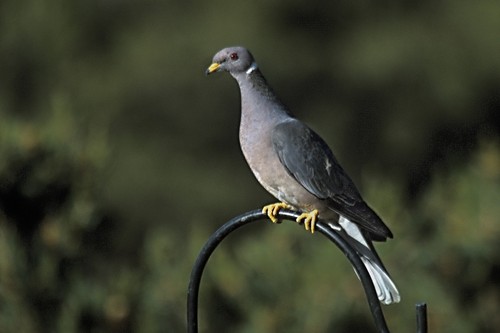
Band-tailed Pigeon
33-38 cm (13-15 in) long, wingspan about 66 cm (26 in)
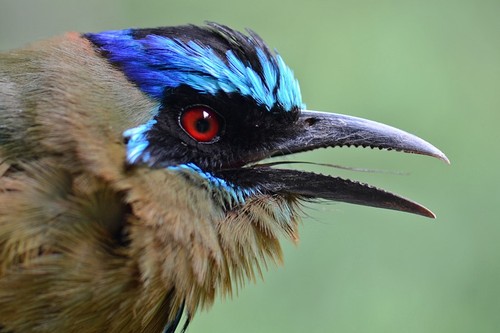
Blue-crowned Motmot
38-43 cm (15-17 in) long including tail
White-tipped Dove
27-30 cm (10.5-12 in) long, 38-43 cm wingspan
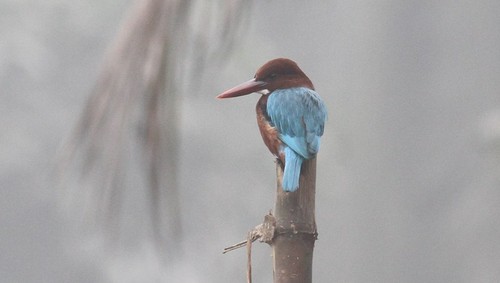
White-throated Kingfisher
27-28 cm (10.5-11 in) long
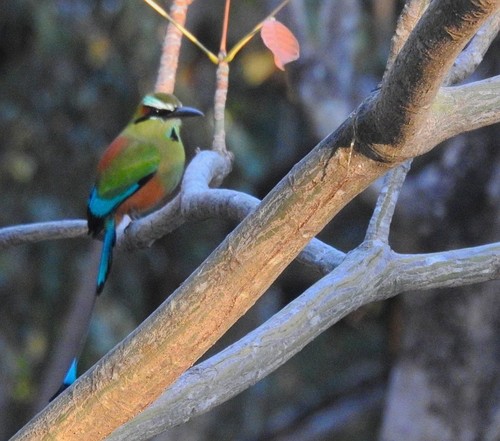
Turquoise-browed Motmot
34 cm (13 in) long including tail
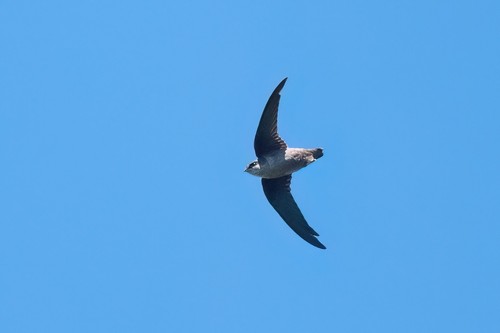
Vaux's Swift
10-12 cm (4-4.5 in) long, 27-30 cm wingspan
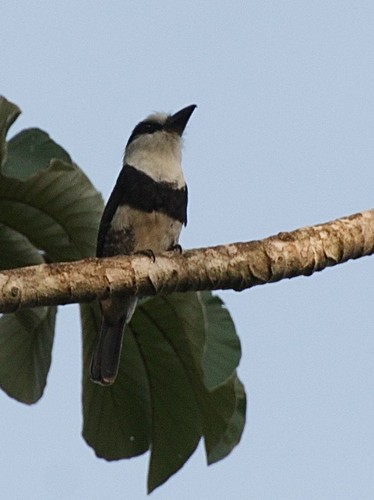
White-necked Puffbird
22-24 cm (8.5-9.5 in) long
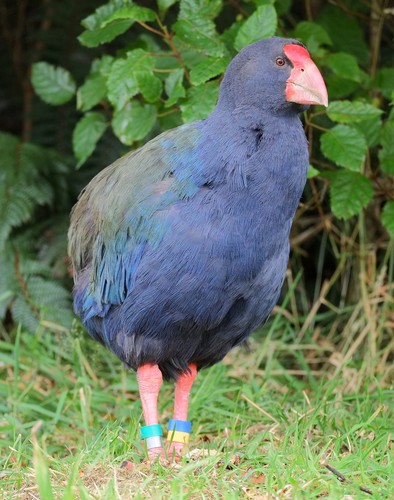
Takahe
50 cm (20 in) long, up to 3.5 kg; flightless
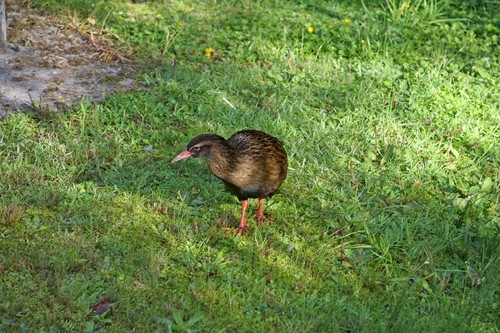
Weka
50-60 cm (20-24 in) long; flightless
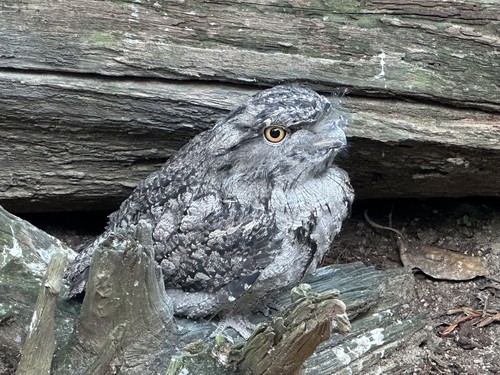
Tawny Frogmouth
35-52 cm (14-20.5 in) long, 65-90 cm wingspan