
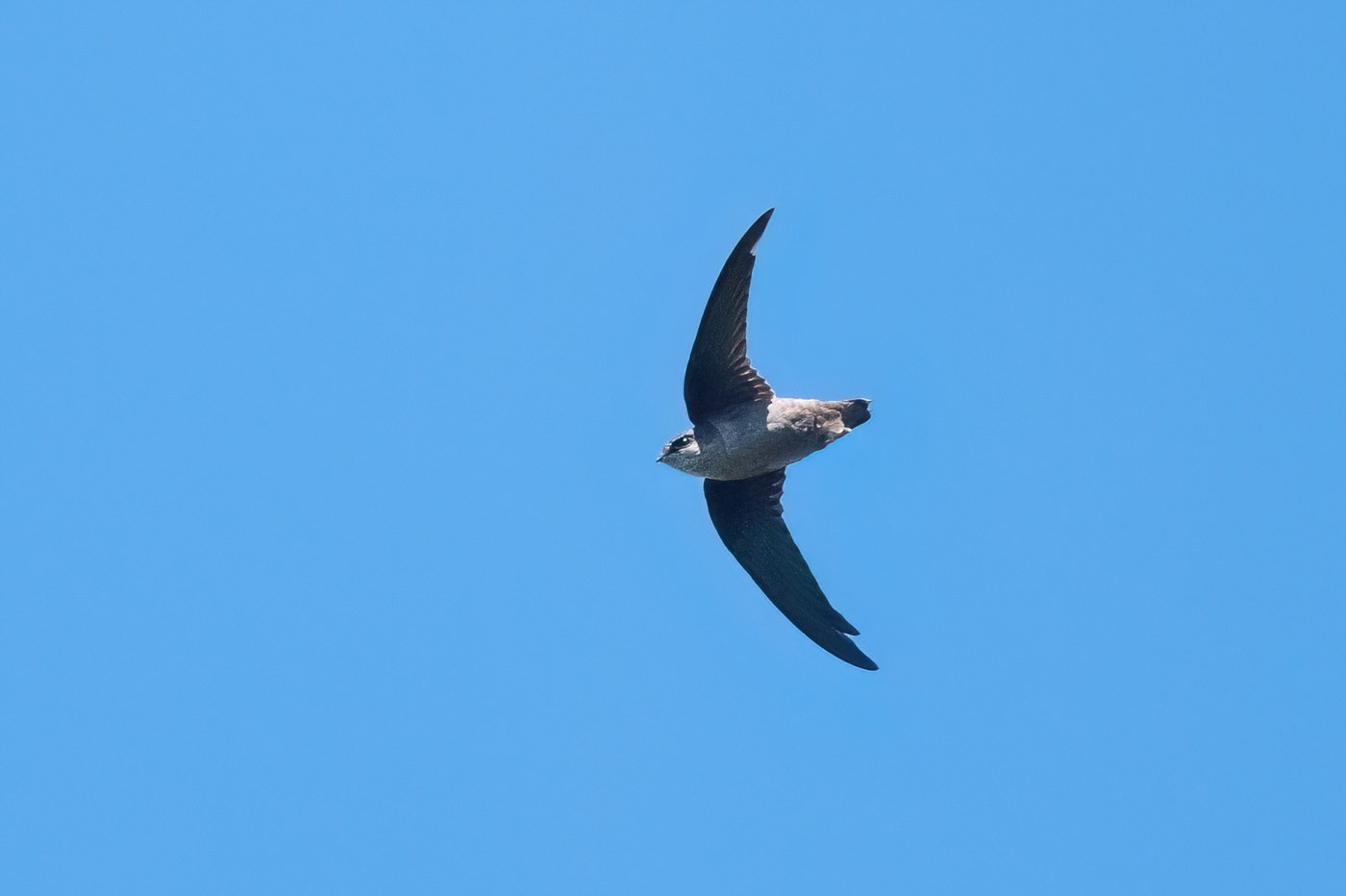
Vaux's Swift
Chaetura vauxi
The western counterpart of the Chimney Swift, a tiny, cigar-shaped aerial bird that nests in hollow old-growth trees and large chimneys.
- Size
- 10-12 cm (4-4.5 in) long, 27-30 cm wingspan
- Habitat
- old-growth and mature coniferous forests of the Pacific Northwest, migrating through the western US to Mexico and Central America
- Type
- other
Spotted a bird like this?
Identify any bird from a photo, free.
Overview
Vaux's Swift is the smallest swift in North America and the western ecological counterpart of the Chimney Swift, sharing the same stubby, cigar-shaped silhouette, stiff bowed wings, and near-constant flight. It is sooty brown overall, slightly paler on the throat and rump than Chimney Swift, though the two are very difficult to distinguish in the field.
It historically depended on large hollow trees in old-growth conifer forest for nesting and roosting, and large migratory flocks are famous for swirling into big chimneys—such as at school and factory sites—at dusk during migration.
How to identify it
Key field marks
- Tiny, cigar-shaped body, stiff bowed wings, short square tail
- Sooty brown overall, slightly paler throat and rump
- Smaller than Chimney Swift, with a faster wingbeat
Similar species
- Chimney Swift: very similar but slightly larger and darker; ranges mostly separate (Vaux's in the West, Chimney Swift in the East), with limited overlap.
- White-throated Swift: larger, with a bold black-and-white pattern and a longer, more forked tail.
Habitat & range
Range and habitat
Vaux's Swift breeds in mature and old-growth coniferous forest of the Pacific Northwest, from southeastern Alaska and British Columbia south through Washington, Oregon, and northern California, with additional resident populations in Mexico and Central America.
Migration
Northern populations migrate through the western US to winter in Mexico and Central America; large communal roosts form at traditional chimney sites during migration.
Behavior & voice
Behavior
Forages continuously on the wing, often in loose flocks, and roosts communally—sometimes in the thousands—in large hollow trees or chimneys during migration.
Voice
High, thin, twittering chip notes given in flight, similar to but slightly higher-pitched than Chimney Swift.
Feeding
Exclusively flying insects caught in mid-air.
Nesting and breeding
Nests in hollow trees (historically old-growth conifers) or occasionally large chimneys, building a small twig nest glued in place with saliva. The female incubates 3-6 eggs for about 3 weeks.
Frequently asked questions
How do you tell Vaux's Swift from Chimney Swift?
The two are very similar, but Vaux's Swift is slightly smaller and paler on the throat and rump; their ranges mostly don't overlap, with Vaux's in the West and Chimney Swift in the East.
Where does Vaux's Swift nest?
In hollow trees, historically large old-growth conifers, and occasionally in big chimneys.
Why does old-growth forest matter for Vaux's Swift?
The species depends on large hollow trees found mainly in mature and old-growth conifer forest for nesting and roosting sites.
What does Vaux's Swift eat?
Flying insects caught exclusively on the wing.
Vaux's Swift guides
In-depth guides for identifying, finding, and understanding Vaux's Swift.
Other birds you may enjoy
Kiwi
35-55 cm (14-22 in) long; roughly chicken-sized
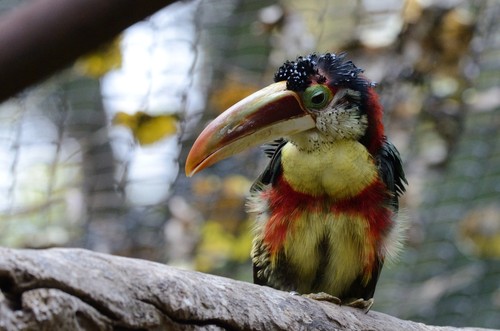
Curl-crested Aracari
41-46 cm (16-18 in) long, including a long bill and tail

Keel-billed Toucan
42-55 cm (17-22 in) long including bill
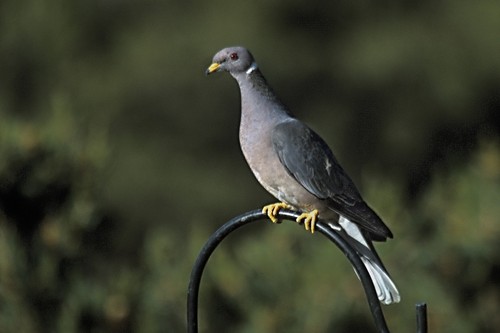
Band-tailed Pigeon
33-38 cm (13-15 in) long, wingspan about 66 cm (26 in)

Blue-crowned Motmot
38-43 cm (15-17 in) long including tail
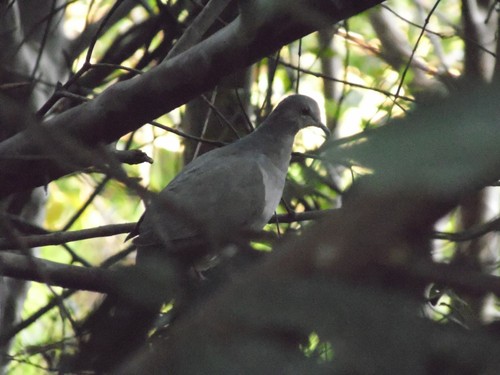
White-tipped Dove
27-30 cm (10.5-12 in) long, 38-43 cm wingspan

White-throated Kingfisher
27-28 cm (10.5-11 in) long
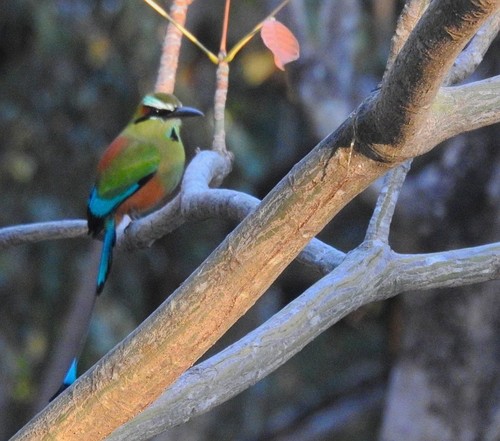
Turquoise-browed Motmot
34 cm (13 in) long including tail

White-necked Puffbird
22-24 cm (8.5-9.5 in) long
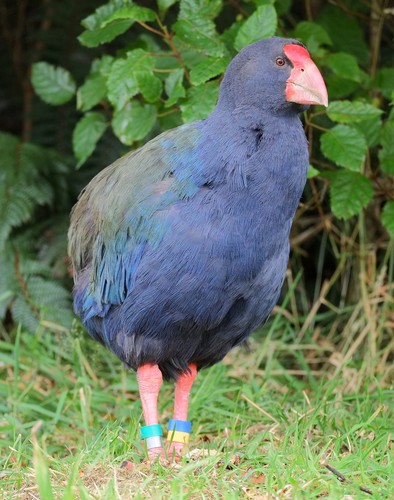
Takahe
50 cm (20 in) long, up to 3.5 kg; flightless
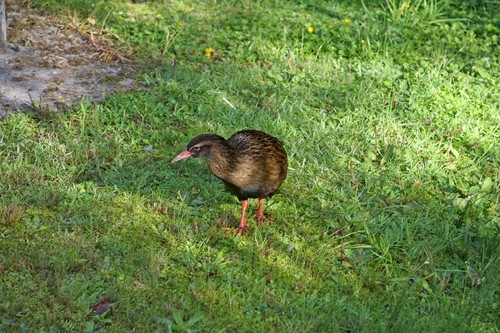
Weka
50-60 cm (20-24 in) long; flightless
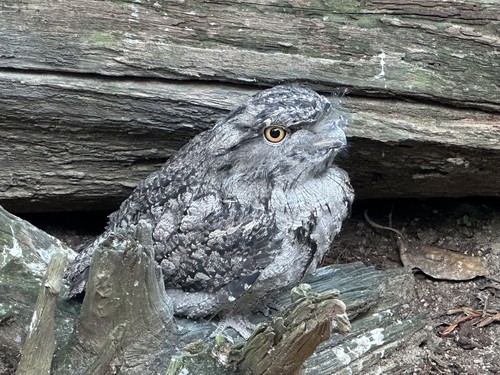
Tawny Frogmouth
35-52 cm (14-20.5 in) long, 65-90 cm wingspan