
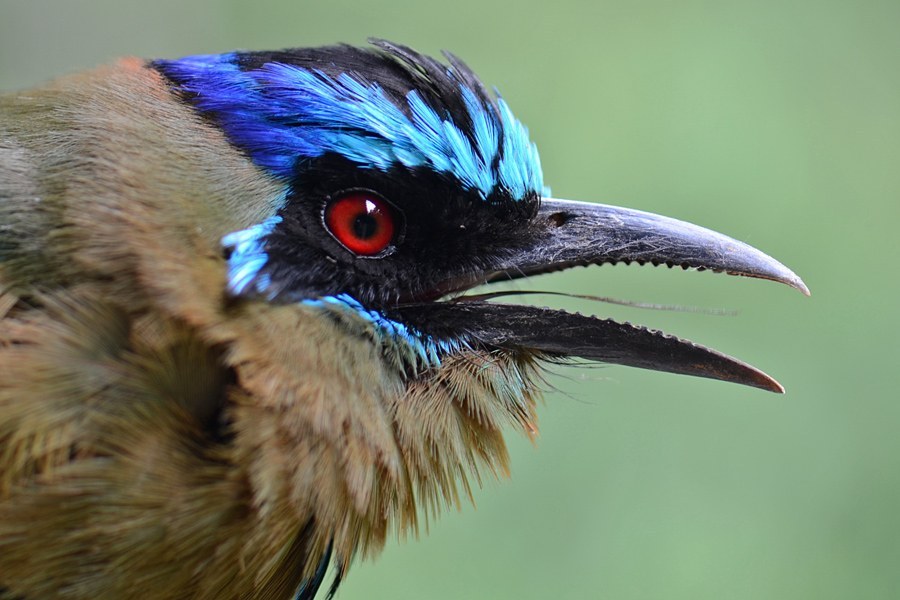
Blue-crowned Motmot
Momotus momota
A striking, sluggish forest bird with a black-bordered blue crown, greenish body, and a long, distinctive racket-tipped tail that it swings like a pendulum.
- Size
- 38-43 cm (15-17 in) long including tail
- Habitat
- forest, woodland, and shaded gardens
- Type
- other
Spotted a bird like this?
Identify any bird from a photo, free.
Overview
The Blue-crowned Motmot is a large, colorful, and characteristically sluggish bird of tropical forest, patterned in muted greens and blues that shift and glow with the light. The crown is edged in black with a striking band of turquoise-blue, and a black mask runs through the eye, giving the face a bold, painted appearance against otherwise soft green upperparts and cinnamon-tinged underparts.
Its long tail, ending in two elongated, bare-shafted "racket" tips, is often swung slowly from side to side like a pendulum while the bird perches quietly, a behavior thought to serve as a signal to potential predators that it has already spotted them, reducing the likelihood of a surprise attack.
How to identify it
Key field marks
- Black-bordered turquoise-blue crown and black eye mask
- Greenish upperparts, cinnamon-washed underparts
- Long tail with distinctive bare-shafted racket tips
- Slow, deliberate pendulum-like swinging of the tail while perched
Similar species
- Turquoise-browed Motmot has a much brighter turquoise brow stripe and inhabits drier, more open habitat, with a more contrastingly patterned face.
- Broad-billed Motmot is smaller with a shorter tail and a broader, more rufous-washed bill and face.
Habitat & range
Habitat
Inhabits humid and semi-humid forest, forest edge, and well-shaded gardens or plantations.
Range
Widespread from Mexico through Central America and across much of South America, though taxonomy of the various regional forms has shifted, with some populations now split into separate species.
Migration
Non-migratory and sedentary, generally remaining within a fixed home range year-round.
Behavior & voice
Behavior
Typically solitary or in pairs, perching quietly and motionless for long periods before sallying out to catch prey; often swings its long tail slowly from side to side while perched.
Voice
A low, hooting or owl-like "hoo-doot" call, often given at dawn and dusk from a concealed perch.
Feeding
Feeds on insects, small reptiles, and fruit, typically caught by sallying from a perch or gleaned from foliage.
Nesting
Excavates a nesting burrow in an earthen bank or slope, sometimes quite long; lays 3-4 white eggs.
Frequently asked questions
How do you identify a Blue-crowned Motmot?
Look for a greenish bird with a black-bordered turquoise-blue crown, a black eye mask, and a long tail ending in distinctive bare-shafted racket tips.
Why does the Blue-crowned Motmot swing its tail?
It slowly swings its long racket-tipped tail like a pendulum while perched, a behavior thought to signal to predators that it has already noticed them, discouraging an ambush.
What does a Blue-crowned Motmot eat?
Insects, small reptiles, and fruit, typically caught by sallying from a quiet perch.
Where does the Blue-crowned Motmot nest?
It excavates a burrow in an earthen bank or slope, where it lays its eggs at the end of the tunnel.
Blue-crowned Motmot guides
In-depth guides for identifying, finding, and understanding Blue-crowned Motmot.
Other birds you may enjoy
Kiwi
35-55 cm (14-22 in) long; roughly chicken-sized
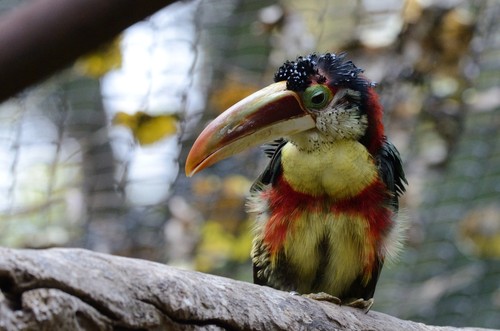
Curl-crested Aracari
41-46 cm (16-18 in) long, including a long bill and tail
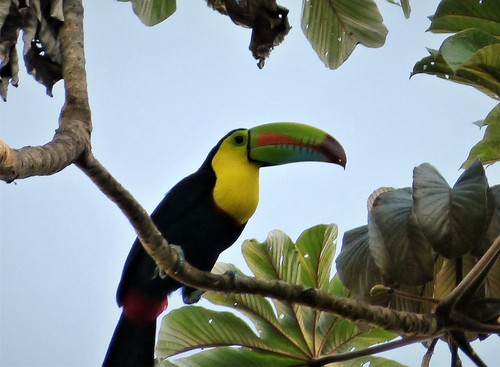
Keel-billed Toucan
42-55 cm (17-22 in) long including bill
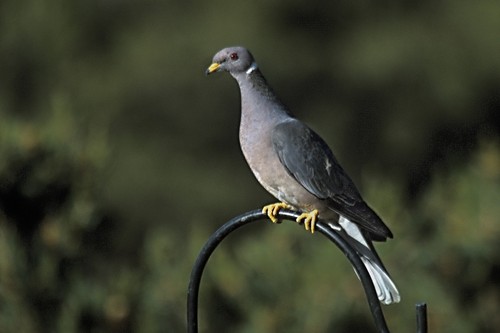
Band-tailed Pigeon
33-38 cm (13-15 in) long, wingspan about 66 cm (26 in)
White-tipped Dove
27-30 cm (10.5-12 in) long, 38-43 cm wingspan
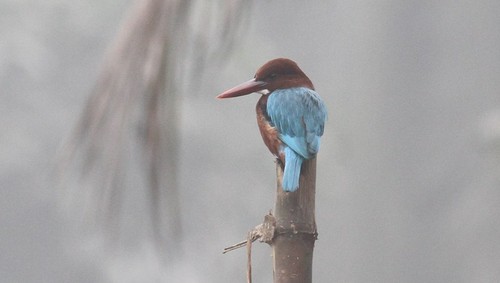
White-throated Kingfisher
27-28 cm (10.5-11 in) long
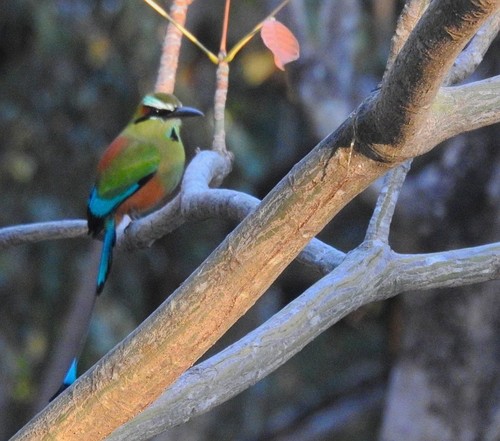
Turquoise-browed Motmot
34 cm (13 in) long including tail
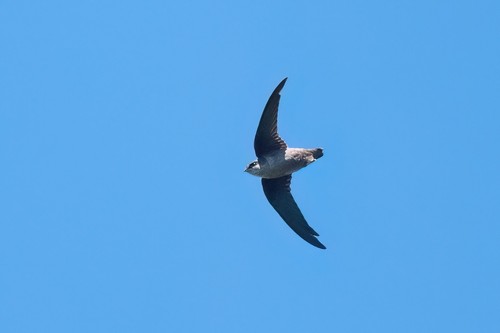
Vaux's Swift
10-12 cm (4-4.5 in) long, 27-30 cm wingspan
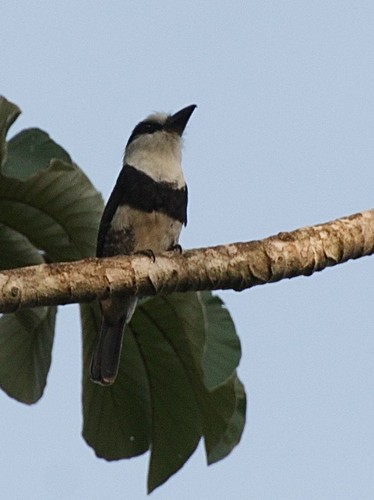
White-necked Puffbird
22-24 cm (8.5-9.5 in) long
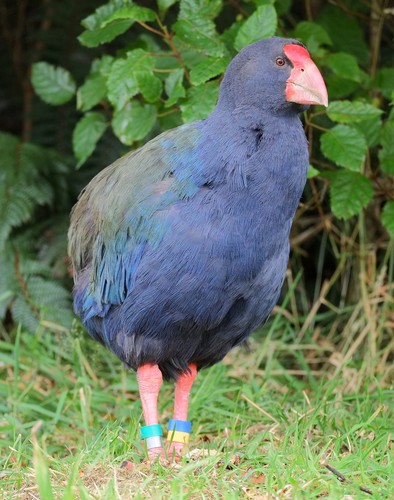
Takahe
50 cm (20 in) long, up to 3.5 kg; flightless
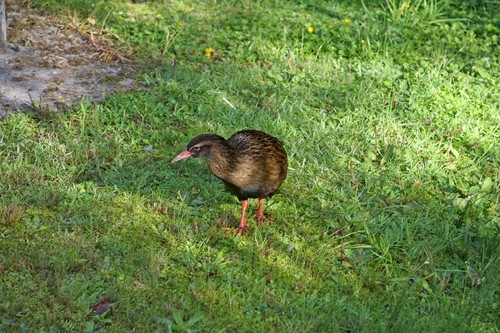
Weka
50-60 cm (20-24 in) long; flightless
Tawny Frogmouth
35-52 cm (14-20.5 in) long, 65-90 cm wingspan