
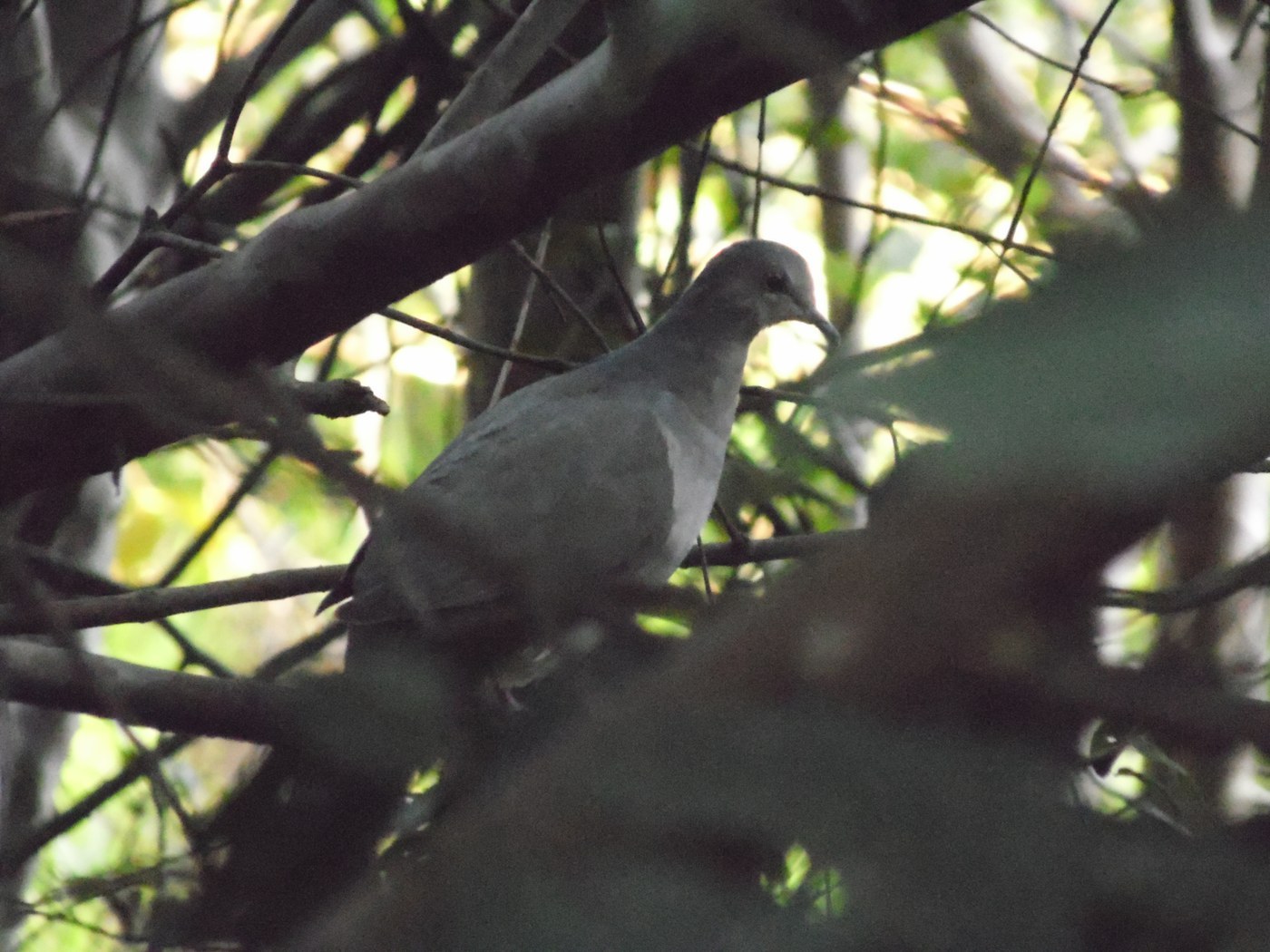
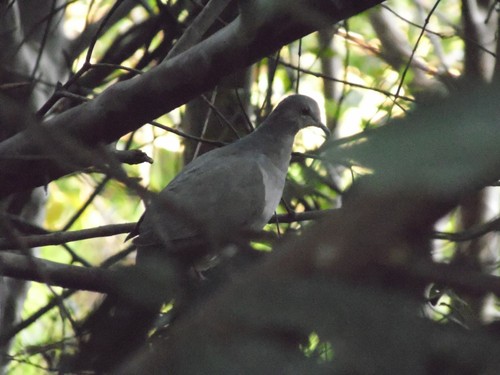
White-tipped Dove
Leptotila verreauxi
A stocky, secretive dove of South Texas thickets known for its low, mournful, owl-like hooting call and pale-tipped tail.
- Size
- 27-30 cm (10.5-12 in) long, 38-43 cm wingspan
- Habitat
- dense thorn forest, brushy woodlands, and riverside thickets of South Texas, Mexico, and Central/South America
- Type
- other
Spotted a bird like this?
Identify any bird from a photo, free.
Overview
The White-tipped Dove is a plump, short-tailed dove of dense brush and forest understory, ranging from the southernmost tip of Texas through Mexico and Central America into much of South America. Its plumage is a soft grayish-brown above with a warm buffy-pink wash on the breast, and a pale, almost whitish forehead.
The species gets its name from the broad white tips on the outer tail feathers, most visible when the bird flushes or fans its tail. Its bright reddish-orange eye and eye-ring add a splash of color to an otherwise understated bird.
How to identify it
Key Field Marks
- Stocky build with a short, square-tipped tail broadly edged in white
- Pale, whitish forehead fading to gray-brown crown and nape
- Warm pinkish-buff wash across the breast
- Bright red-orange eye-ring
- Dull reddish legs and feet
Similar Species
Mourning Doves are slimmer with a long pointed tail lacking white tips. Common Ground Doves are much smaller and lack the buffy breast and white-edged tail. The White-tipped Dove's low, resonant, almost owl-like "whoo-whoo-whoooo" call is also distinctive and unlike any other dove in its limited U.S. range.
Habitat & range
This species favors dense, tangled vegetation: thorn scrub, riparian woodland, brushy field edges, and tropical forest understory. In the United States it is found almost exclusively in the Lower Rio Grande Valley of South Texas, at the northern edge of a range that extends through Mexico, Central America, and much of South America.
White-tipped Doves are non-migratory residents throughout their range, staying close to cover year-round and rarely venturing into open habitats favored by Mourning Doves.
Behavior & voice
White-tipped Doves are shy and often heard far more than seen, staying low in dense cover and walking on the ground beneath thickets while foraging for fallen seeds and fruit. When flushed, they burst upward with a sharp whir of wings before quickly diving back into cover.
The male's song is a deep, hollow, four-note "whoo, hoo-hoo-hoo," often mistaken for an owl by first-time listeners. Nests are simple twig platforms built low in dense shrubs or small trees, typically holding two eggs, with pairs sometimes raising multiple broods across a long breeding season.
Frequently asked questions
Where can I see a White-tipped Dove in the US?
It is found almost exclusively in the Lower Rio Grande Valley of South Texas, in dense brush and woodland edges.
Why does the White-tipped Dove's call sound like an owl?
Its low, hollow, four-note hooting song is genuinely owl-like in tone, which frequently confuses birders unfamiliar with the species.
How is the White-tipped Dove different from a Mourning Dove?
It is stockier with a short, white-edged square tail, a pale forehead, and a buffy breast, versus the Mourning Dove's slim build and long pointed tail.
What does a White-tipped Dove eat?
It forages on the ground for seeds, fallen fruit, and occasional insects beneath dense brush.
Is the White-tipped Dove rare?
It is common within its range in Mexico, Central, and South America, but uncommon and range-restricted within the United States.
White-tipped Dove guides
In-depth guides for identifying, finding, and understanding White-tipped Dove.
Other birds you may enjoy
Kiwi
35-55 cm (14-22 in) long; roughly chicken-sized
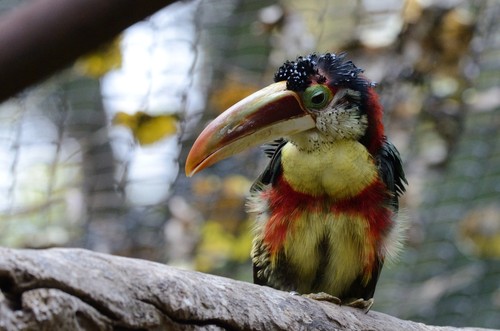
Curl-crested Aracari
41-46 cm (16-18 in) long, including a long bill and tail
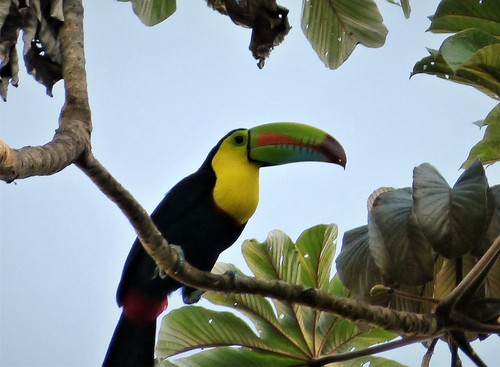
Keel-billed Toucan
42-55 cm (17-22 in) long including bill
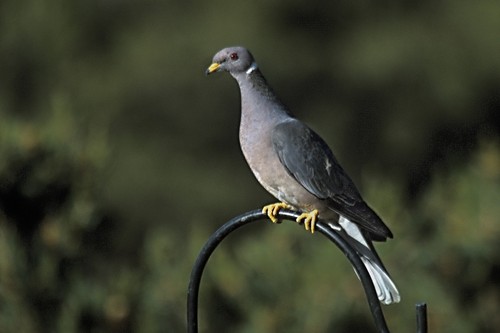
Band-tailed Pigeon
33-38 cm (13-15 in) long, wingspan about 66 cm (26 in)
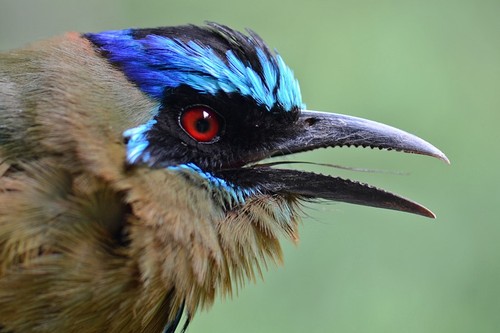
Blue-crowned Motmot
38-43 cm (15-17 in) long including tail
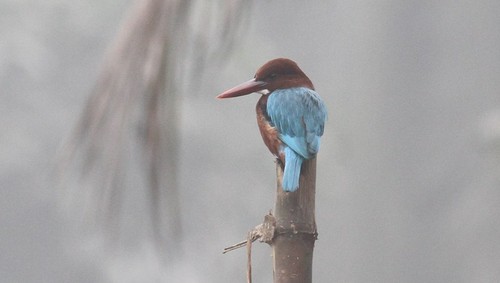
White-throated Kingfisher
27-28 cm (10.5-11 in) long
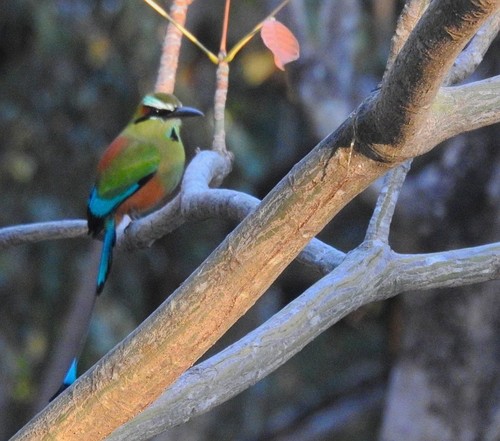
Turquoise-browed Motmot
34 cm (13 in) long including tail
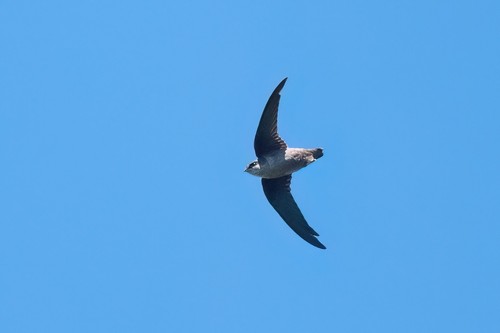
Vaux's Swift
10-12 cm (4-4.5 in) long, 27-30 cm wingspan
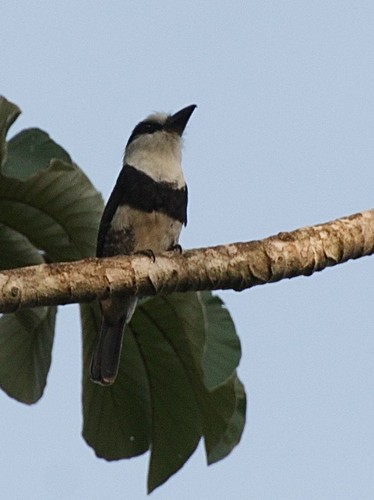
White-necked Puffbird
22-24 cm (8.5-9.5 in) long
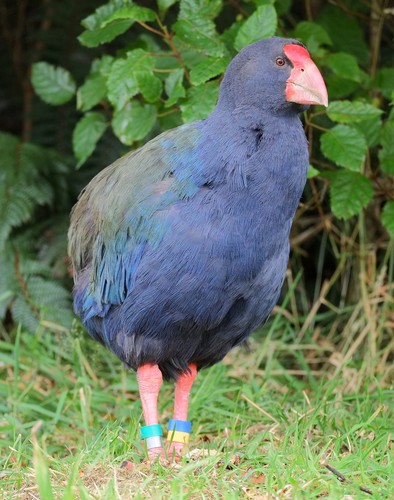
Takahe
50 cm (20 in) long, up to 3.5 kg; flightless
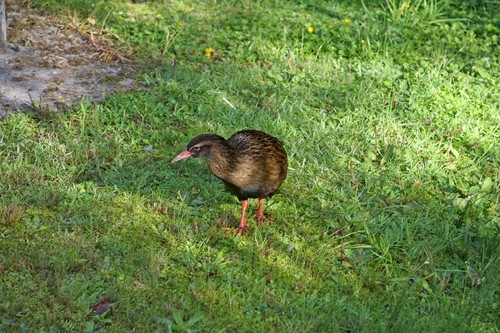
Weka
50-60 cm (20-24 in) long; flightless
Tawny Frogmouth
35-52 cm (14-20.5 in) long, 65-90 cm wingspan