
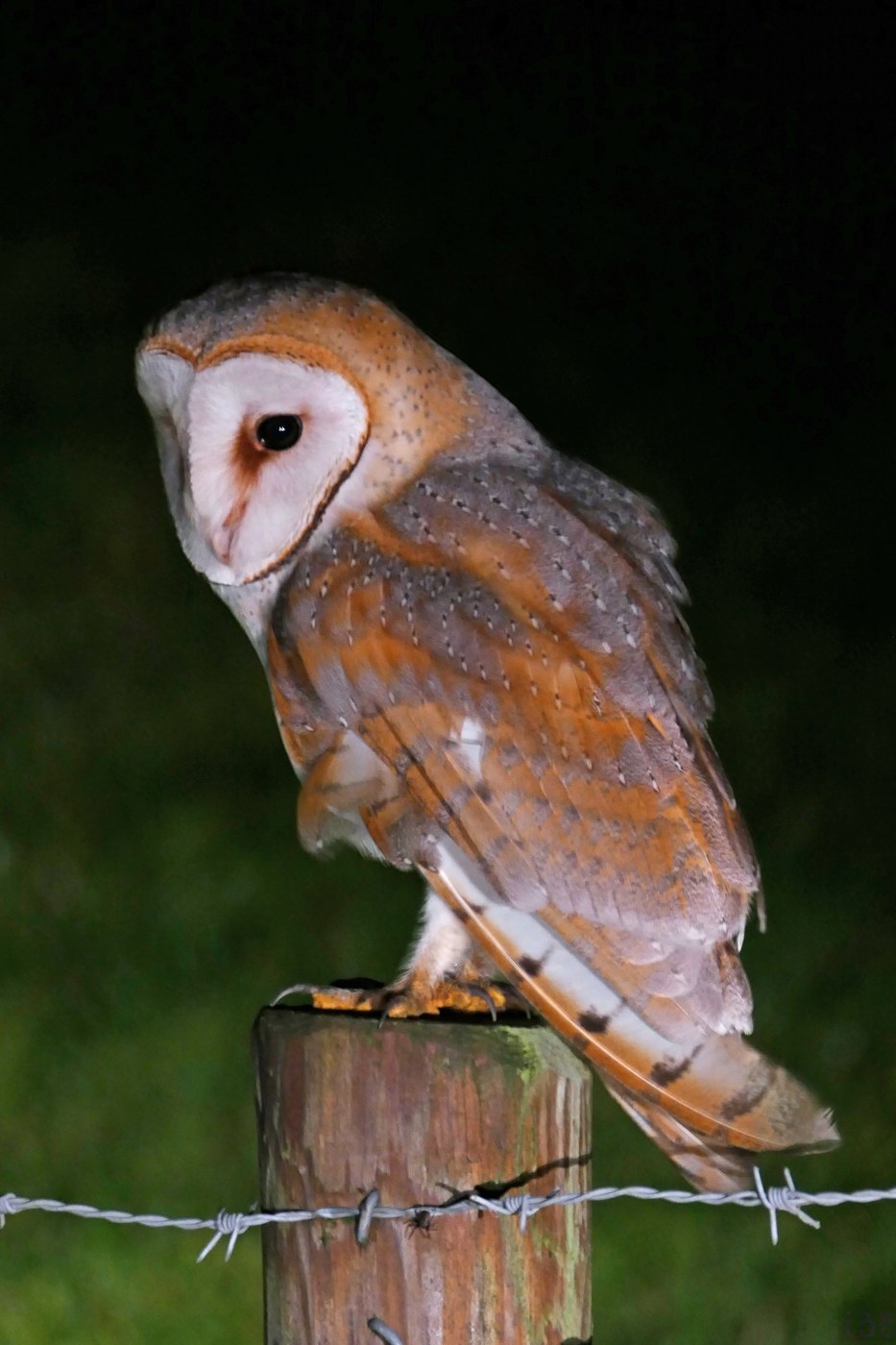
Barn Owl
Tyto alba
A pale, heart-faced owl of open farmland, famous for its ghostly white underside and near-silent, moth-like flight.
- Size
- 32-40 cm (13-16 in) long, 80-95 cm (31-37 in) wingspan
- Habitat
- open country, farmland, grasslands, and barns or other structures
- Type
- owl
Spotted a bird like this?
Identify any bird from a photo, free.
Overview
The Barn Owl is one of the most widely distributed birds in the world, instantly recognizable by its heart-shaped, pure white facial disk, dark eyes, and overall golden-buff and gray upperparts contrasting with a pale, often nearly white, underside. Its long legs and rounded wings give it a distinctive silhouette in flight, and its pale coloring combined with silent, buoyant flight has earned it the nickname "ghost owl" in many cultures.
Unlike the hooting calls typical of most owls, the Barn Owl produces an eerie, drawn-out screech, adding to its reputation as an otherworldly nighttime presence over open fields.
How to identify it
Key Field Marks
- Distinctive heart-shaped white facial disk
- Golden-buff and gray, finely speckled upperparts
- Pale, whitish underparts (more heavily marked in some regions)
- Long legs and rounded wings; buoyant, silent flight low over open ground
Similar Species
- Snowy Owl: much larger and bulkier with a rounded (not heart-shaped) facial disk and yellow eyes, found in different habitat (Arctic tundra versus farmland).
- Short-eared Owl: has visible, though small, ear tufts and streaked, mottled plumage without the Barn Owl's clean white heart-shaped face.
Habitat & range
Range
Barn Owls have one of the widest natural distributions of any land bird, found on every continent except Antarctica. In North America they occur across much of the United States, southern Canada, and Mexico, though populations can be patchy.
Habitat
They favor open country including farmland, grasslands, marshes, and desert edges, roosting and nesting in barns, silos, church steeples, tree cavities, and nest boxes, a close association with human structures reflected in the species' name.
Behavior & voice
Hunting
Barn Owls hunt almost entirely at night, flying low and silently over open fields using exceptional hearing, among the most acute of any animal tested, to locate rodents moving through grass even in complete darkness.
Voice
Unlike most owls, Barn Owls do not hoot; instead they give a harsh, prolonged, raspy screech, along with hissing sounds, particularly from young in the nest.
Nesting
Barn Owls nest in dark cavities such as barns, silos, tree hollows, cliff crevices, and specially designed nest boxes, which are widely used in agricultural areas to encourage natural rodent control. Clutches can be large, sometimes containing four to seven eggs.
Frequently asked questions
Why is the Barn Owl called a 'ghost owl'?
Its pale, almost white plumage, heart-shaped face, and silent, low flight over dark fields at night give it an eerie, ghostly appearance, inspiring the nickname in many cultures.
Does the Barn Owl hoot?
No, unlike many owls it does not hoot; instead it produces a harsh, drawn-out screeching call.
How good is a Barn Owl's hearing?
Exceptional; its asymmetrically placed ears allow it to pinpoint the exact location of a moving rodent in complete darkness using sound alone.
Where do Barn Owls nest?
In dark cavities including barns, silos, tree hollows, cliff crevices, and nest boxes placed in open farmland habitat.
Barn Owl guides
In-depth guides for identifying, finding, and understanding Barn Owl.
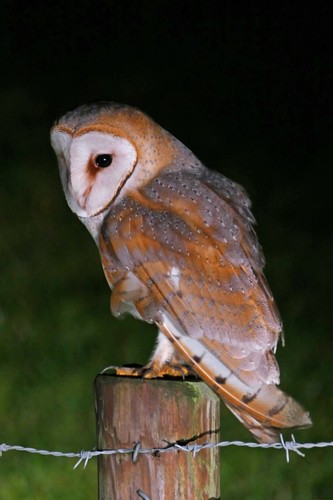
Barn Owl identified by the community
Real birds identified with Bird Identifier.
Other birds you may enjoy
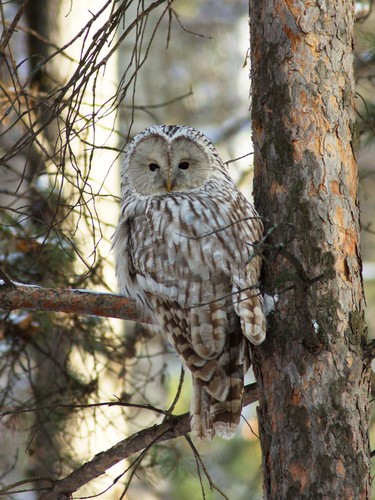
Ural Owl
50-62 cm long, wingspan about 1.0-1.3 m
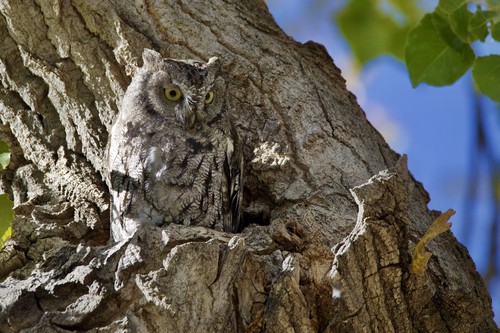
Western Screech-Owl
19-25 cm (7.5-10 in) long, about 55 cm (21.5 in) wingspan
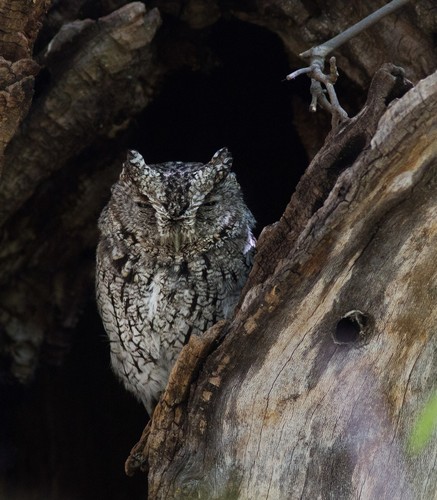
Whiskered Screech-Owl
17-19 cm (6.7-7.5 in) long, 43 cm wingspan
Tawny Owl
37-43 cm (15-17 in) long, 81-96 cm wingspan
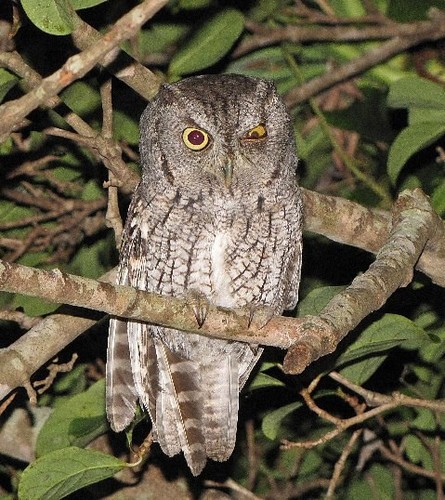
Screech Owl
16-25 cm long, wingspan about 46-61 cm
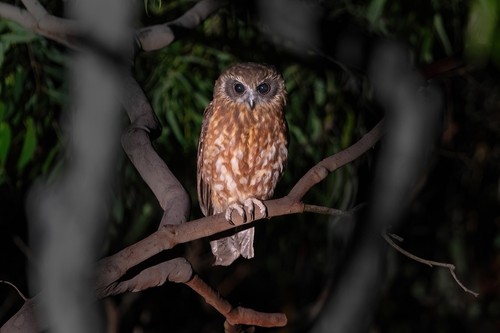
Southern Boobook
27-36 cm (11-14 in) long
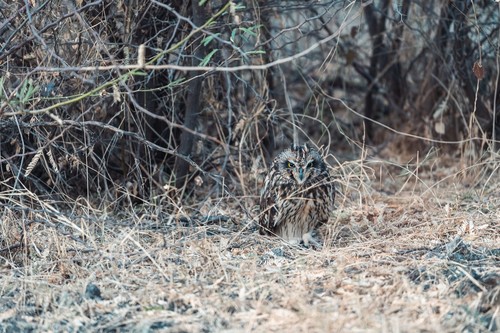
Short-eared Owl
34-42 cm (13-17 in) long, 85-110 cm wingspan
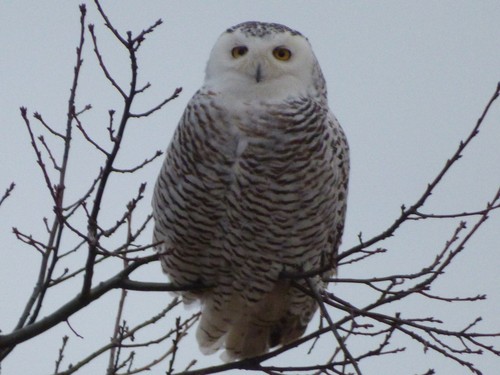
Snowy Owl
52-71 cm (20-28 in) long, 125-150 cm (49-59 in) wingspan
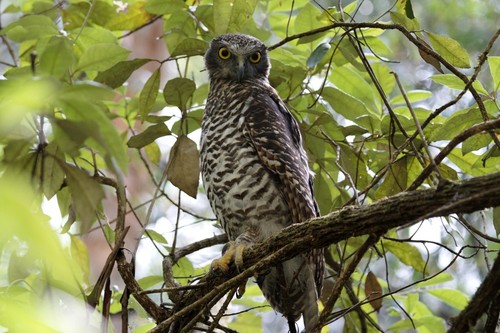
Powerful Owl
60-65 cm (24-26 in) long, 112-135 cm (44-53 in) wingspan
Northern Saw-whet Owl
18-21 cm (7-8.5 in) long, 42-56 cm (17-22 in) wingspan
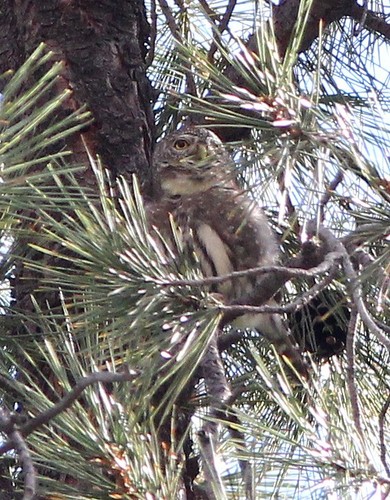
Northern Pygmy-Owl
16-18 cm (6.3-7.1 in) long, 35-39 cm wingspan
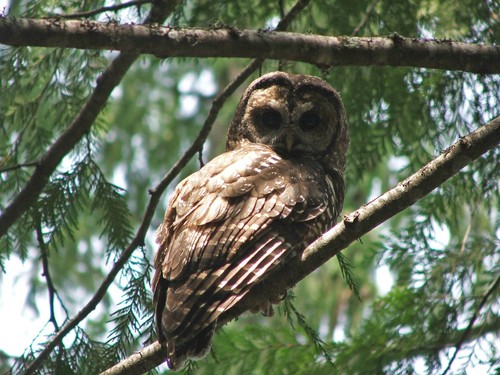
Spotted Owl
43-48 cm (17-19 in) long, 100-114 cm wingspan