
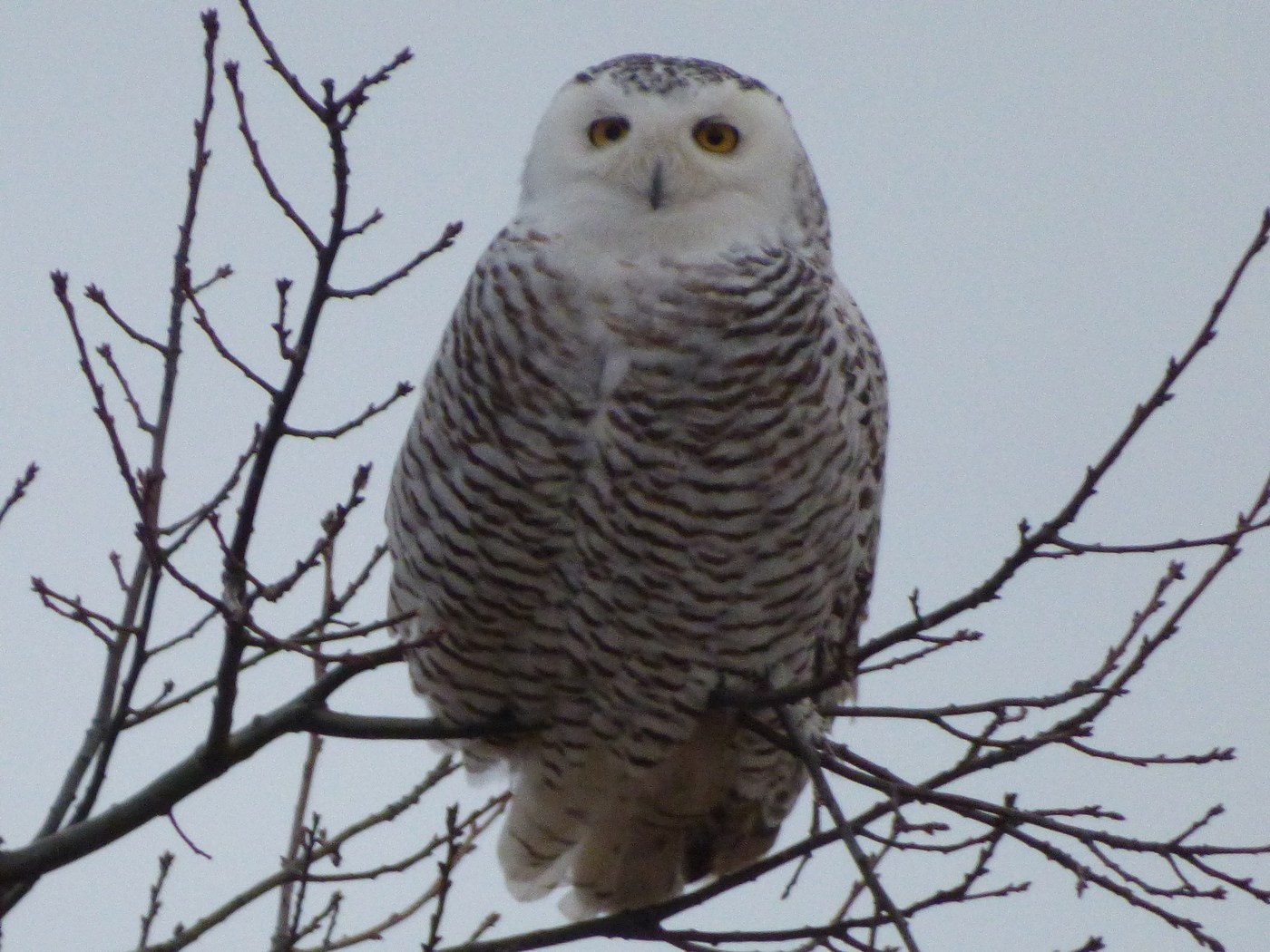
Snowy Owl
Bubo scandiacus
A large, powerful white owl of the Arctic tundra, occasionally seen far south in winter hunting open fields by day.
- Size
- 52-71 cm (20-28 in) long, 125-150 cm (49-59 in) wingspan
- Habitat
- Arctic tundra; winters in open fields, coastlines, and airports
- Type
- owl
Spotted a bird like this?
Identify any bird from a photo, free.
Overview
The Snowy Owl is a large, powerful owl of the high Arctic, with dense, insulating white plumage that helps it survive extreme cold. Males become nearly pure white with age, while females and immature birds retain considerable dark barring across the body, giving them a more mottled appearance. Its rounded head lacks ear tufts, and its piercing yellow eyes are set within a mostly white facial disk.
Unlike most owls, Snowy Owls are frequently active during daylight hours, a trait suited to the near-continuous daylight of Arctic summers, and in winter some individuals move south into open farmland, coastal areas, and even airports, delighting birders far outside their normal Arctic range.
How to identify it
Key Field Marks
- Large, bulky owl with dense white plumage, more heavily barred in females and young birds
- Rounded head with no ear tufts
- Piercing yellow eyes
- Often perched conspicuously on the ground or low structures in open terrain, active by day
Similar Species
- Barn Owl: much smaller with a heart-shaped facial disk and dark eyes, found in farmland rather than tundra or winter irruption sites.
- Great Horned Owl: has prominent ear tufts and is typically much darker overall, lacking the Snowy Owl's largely white plumage.
Habitat & range
Range
Snowy Owls breed on the Arctic tundra of North America, Greenland, and Eurasia. In winter, especially during periodic irruption years tied to lemming population cycles, they move south into southern Canada and the northern United States, occasionally reaching much farther south.
Habitat
Breeding habitat is open, treeless Arctic tundra. During winter irruptions, Snowy Owls favor open habitats that resemble tundra, including agricultural fields, coastal dunes, marshes, and airports.
Behavior & voice
Hunting
Snowy Owls hunt lemmings and other small mammals as their primary prey on the breeding grounds, switching to a broader diet including birds and other mammals in winter; they often hunt by day as well as at night, watching from a low perch or the ground before pouncing.
Voice
The male's territorial call is a deep, booming hoot, audible over long distances across open tundra; both sexes also give harsh barking and whistling calls.
Nesting
Nests are simple scrapes on the ground, typically on a slight rise offering visibility over the surrounding tundra. Clutch size varies dramatically with lemming abundance, sometimes reaching seven or more eggs in years of high prey availability.
Frequently asked questions
Why do Snowy Owls sometimes appear far south of the Arctic?
In years when Arctic lemming populations crash, larger numbers of Snowy Owls move south in search of food, an event called an irruption, occasionally bringing them well into the northern and even central United States.
Are Snowy Owls active during the day?
Yes, unlike most owls they are frequently active in daylight, an adaptation to the nearly 24-hour daylight of Arctic summers.
How can you tell a male from a female Snowy Owl?
Adult males tend to become nearly pure white, while females and young birds retain more dark barring across the body and wings.
What do Snowy Owls eat?
Primarily lemmings and other small mammals on the breeding grounds, supplemented by birds and a broader range of prey in winter.
Snowy Owl guides
In-depth guides for identifying, finding, and understanding Snowy Owl.
Other birds you may enjoy
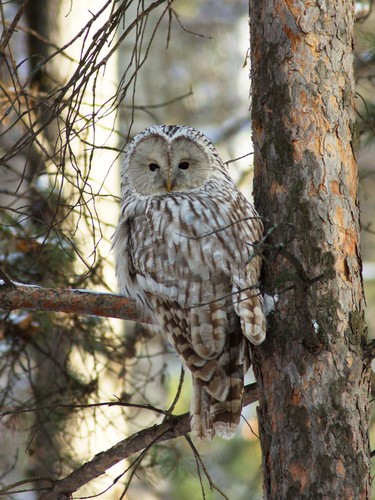
Ural Owl
50-62 cm long, wingspan about 1.0-1.3 m
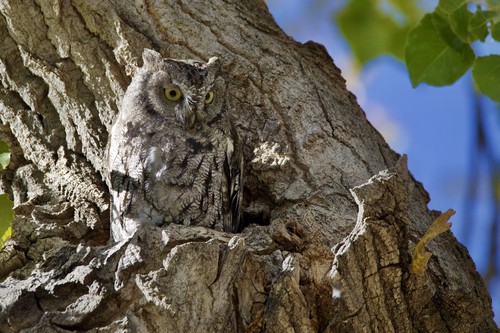
Western Screech-Owl
19-25 cm (7.5-10 in) long, about 55 cm (21.5 in) wingspan
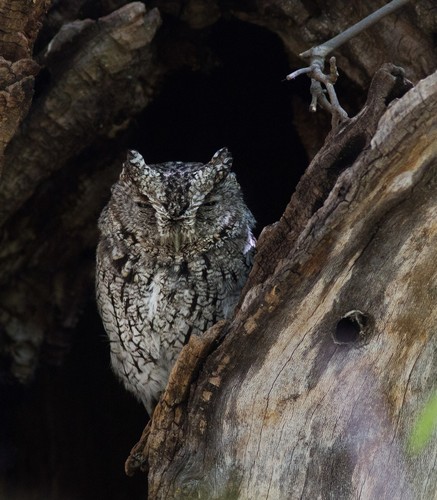
Whiskered Screech-Owl
17-19 cm (6.7-7.5 in) long, 43 cm wingspan
Tawny Owl
37-43 cm (15-17 in) long, 81-96 cm wingspan
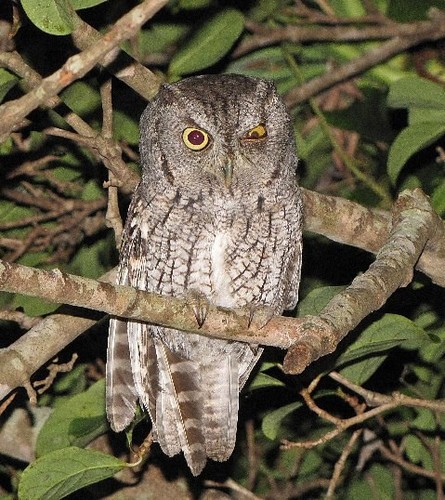
Screech Owl
16-25 cm long, wingspan about 46-61 cm
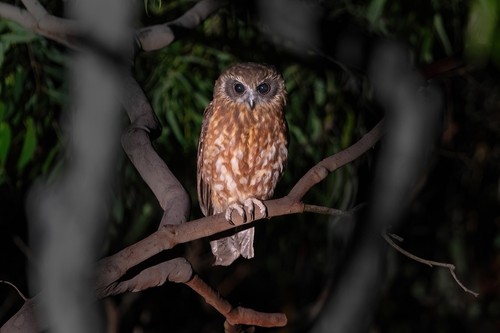
Southern Boobook
27-36 cm (11-14 in) long
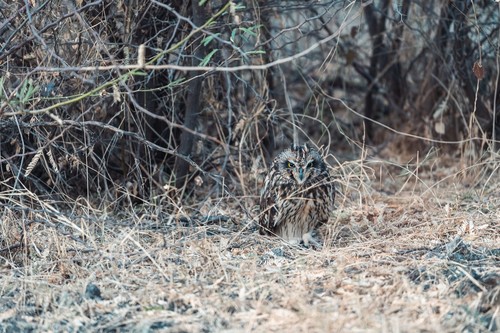
Short-eared Owl
34-42 cm (13-17 in) long, 85-110 cm wingspan
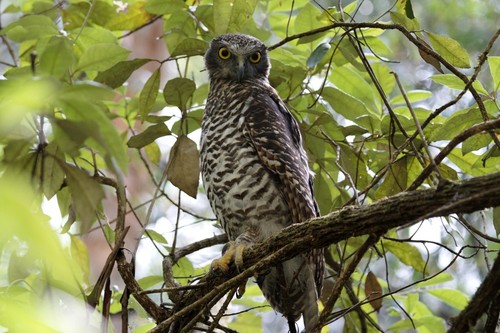
Powerful Owl
60-65 cm (24-26 in) long, 112-135 cm (44-53 in) wingspan
Northern Saw-whet Owl
18-21 cm (7-8.5 in) long, 42-56 cm (17-22 in) wingspan
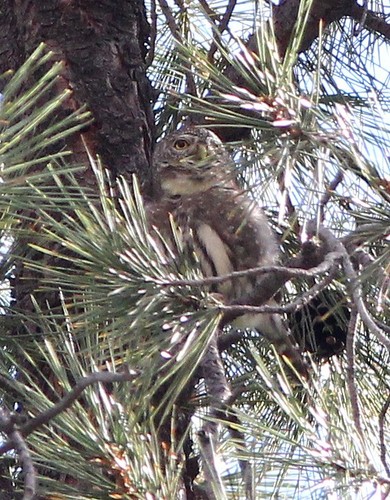
Northern Pygmy-Owl
16-18 cm (6.3-7.1 in) long, 35-39 cm wingspan
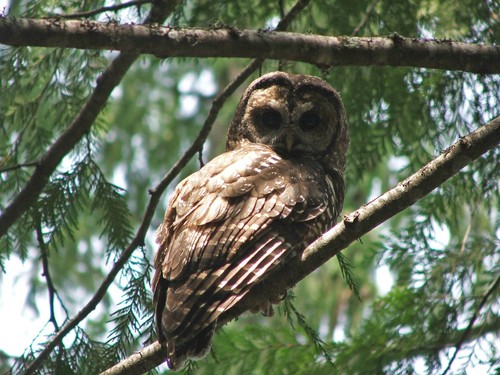
Spotted Owl
43-48 cm (17-19 in) long, 100-114 cm wingspan
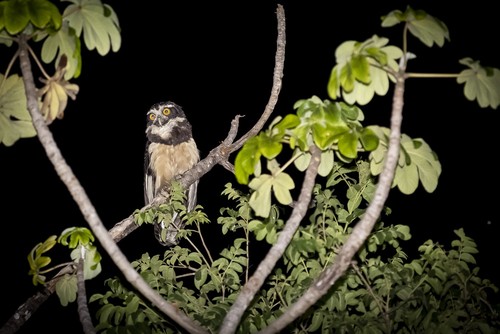
Spectacled Owl
43-52 cm (17-20 in) long