
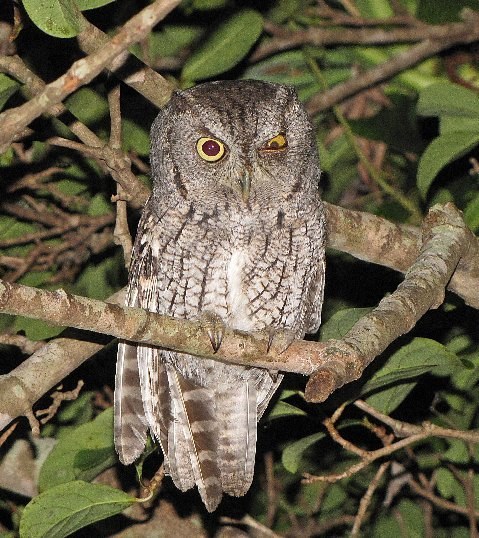
Screech Owl
Megascops asio
A small, well-camouflaged, tufted owl of the Americas known for its distinctive quavering trills rather than an actual screech.
- Size
- 16-25 cm long, wingspan about 46-61 cm
- Habitat
- Woodland, forest edges, parks, and suburban areas across the Americas
- Type
- owl
Spotted a bird like this?
Identify any bird from a photo, free.
Overview
"Screech owl" refers to roughly 20 small owl species in the genus Megascops, found throughout North, Central, and South America. The most familiar in North America are the Eastern Screech-Owl (Megascops asio) and Western Screech-Owl (Megascops kennicottii).
These are small, stocky owls with prominent ear tufts and intricately patterned, bark-like grey or reddish-brown (rufous) plumage that provides excellent camouflage against tree trunks. Their eyes are bright yellow.
How to identify it
Key Field Marks
- Small, stocky size
- Obvious ear tufts, which can be raised or flattened
- Intricately mottled and streaked plumage in grey or rufous color morphs
- Bright yellow eyes
Similar Species
- Long-eared Owl — much larger, with longer ear tufts and different habitat preferences
- Northern Saw-whet Owl — lacks ear tufts entirely, distinguishing it from any screech-owl
Habitat & range
Range
Species in the genus occur throughout North, Central, and South America; the Eastern Screech-Owl is widespread across the eastern and central United States.
Habitat
Woodlands, forest edges, parks, and suburban areas with mature trees, where they nest in natural cavities or old woodpecker holes and readily use nest boxes.
Movements
Largely non-migratory and resident year-round.
Behavior & voice
Feeding
Strictly nocturnal, roosting by day in tree cavities or dense foliage where camouflage makes it very hard to spot. Diet is broad and opportunistic, including large insects, small mammals, birds, amphibians, and earthworms.
Voice
Despite the name, screech-owls do not actually screech. Calls typically include a descending, whinnying tremolo and a soft, monotone trill.
Nesting and Breeding
Cavity nesters, using natural tree hollows or old woodpecker holes; typically lay three to five eggs.
Frequently asked questions
Does a screech owl actually screech?
No, despite the name, its calls are a soft descending whinny (tremolo) and a monotone trill, not a harsh screech.
How big is a screech owl?
It is very small, roughly robin- to pigeon-sized, about 16-25 cm (6-10 inches) long.
What color are screech owls?
They occur in grey and reddish-brown (rufous) color morphs, both heavily mottled for camouflage against tree bark.
Where do screech owls nest?
In tree cavities, old woodpecker holes, or nest boxes.
How many species of screech owl are there?
About 20 species in the genus Megascops, found throughout North, Central, and South America.
Screech Owl guides
In-depth guides for identifying, finding, and understanding Screech Owl.
Other birds you may enjoy
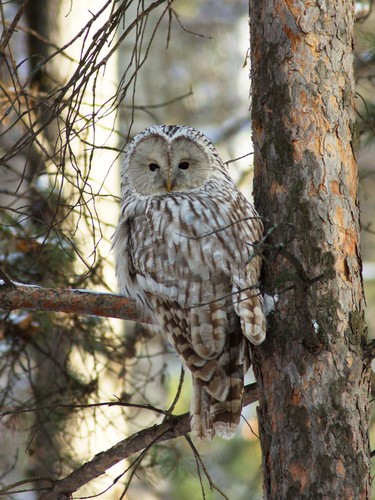
Ural Owl
50-62 cm long, wingspan about 1.0-1.3 m
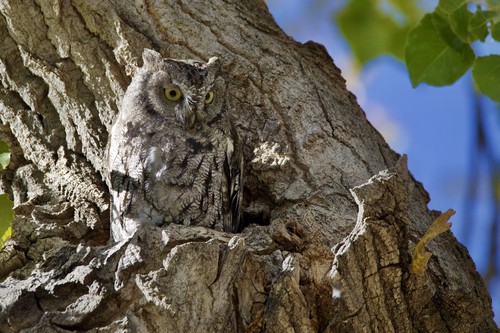
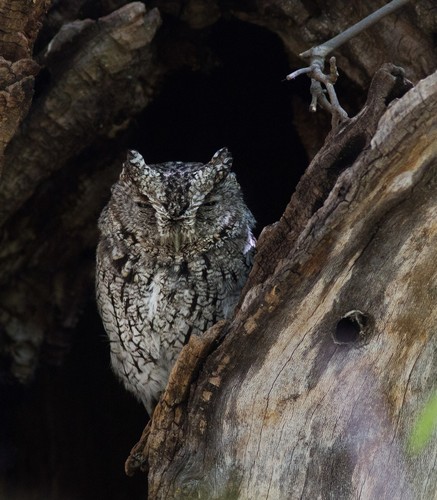
Western Screech-Owl
19-25 cm (7.5-10 in) long, about 55 cm (21.5 in) wingspan
Whiskered Screech-Owl
17-19 cm (6.7-7.5 in) long, 43 cm wingspan
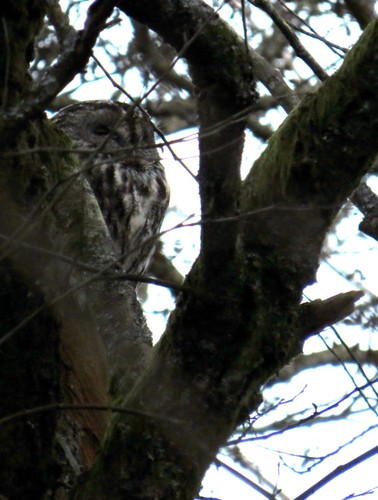
Tawny Owl
37-43 cm (15-17 in) long, 81-96 cm wingspan
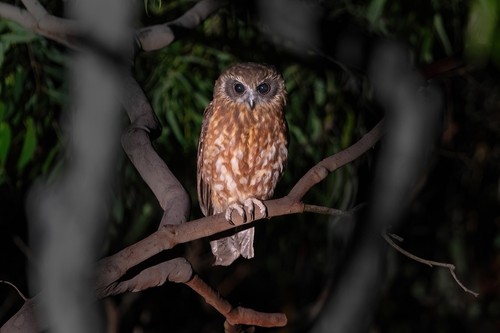
Southern Boobook
27-36 cm (11-14 in) long
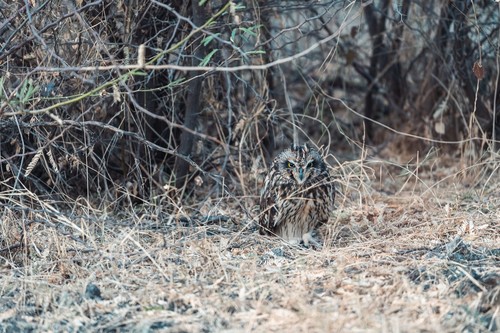
Short-eared Owl
34-42 cm (13-17 in) long, 85-110 cm wingspan
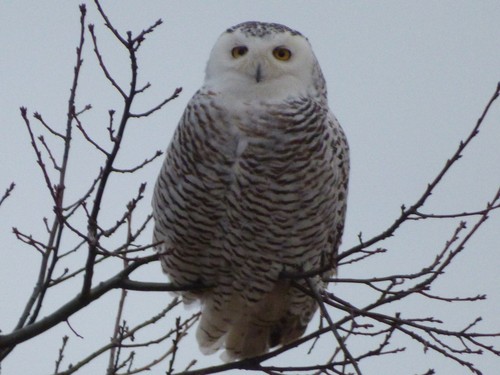
Snowy Owl
52-71 cm (20-28 in) long, 125-150 cm (49-59 in) wingspan
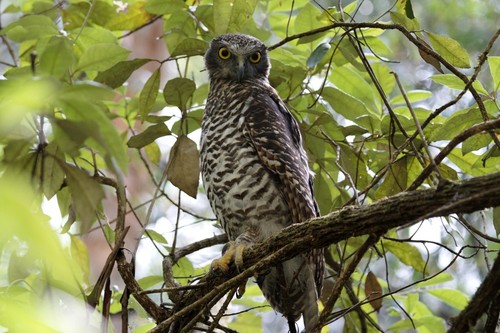
Powerful Owl
60-65 cm (24-26 in) long, 112-135 cm (44-53 in) wingspan
Northern Saw-whet Owl
18-21 cm (7-8.5 in) long, 42-56 cm (17-22 in) wingspan
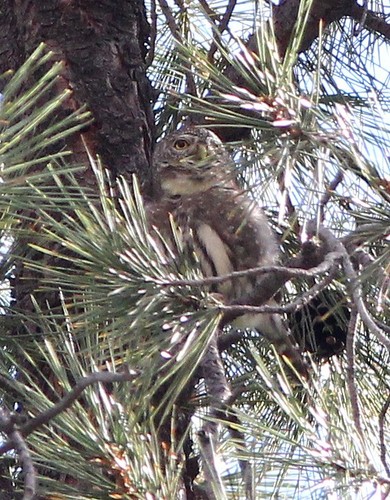
Northern Pygmy-Owl
16-18 cm (6.3-7.1 in) long, 35-39 cm wingspan
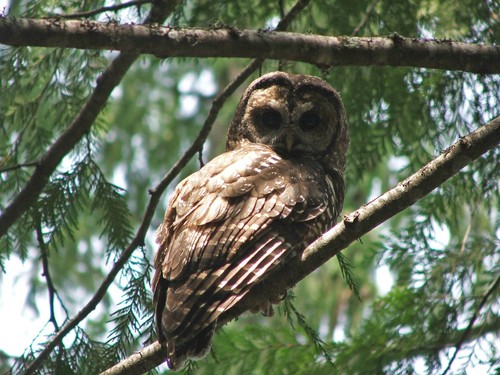
Spotted Owl
43-48 cm (17-19 in) long, 100-114 cm wingspan
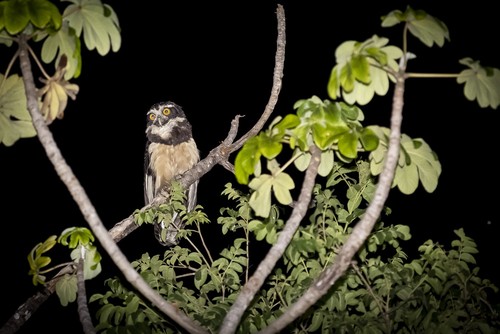
Spectacled Owl
43-52 cm (17-20 in) long