
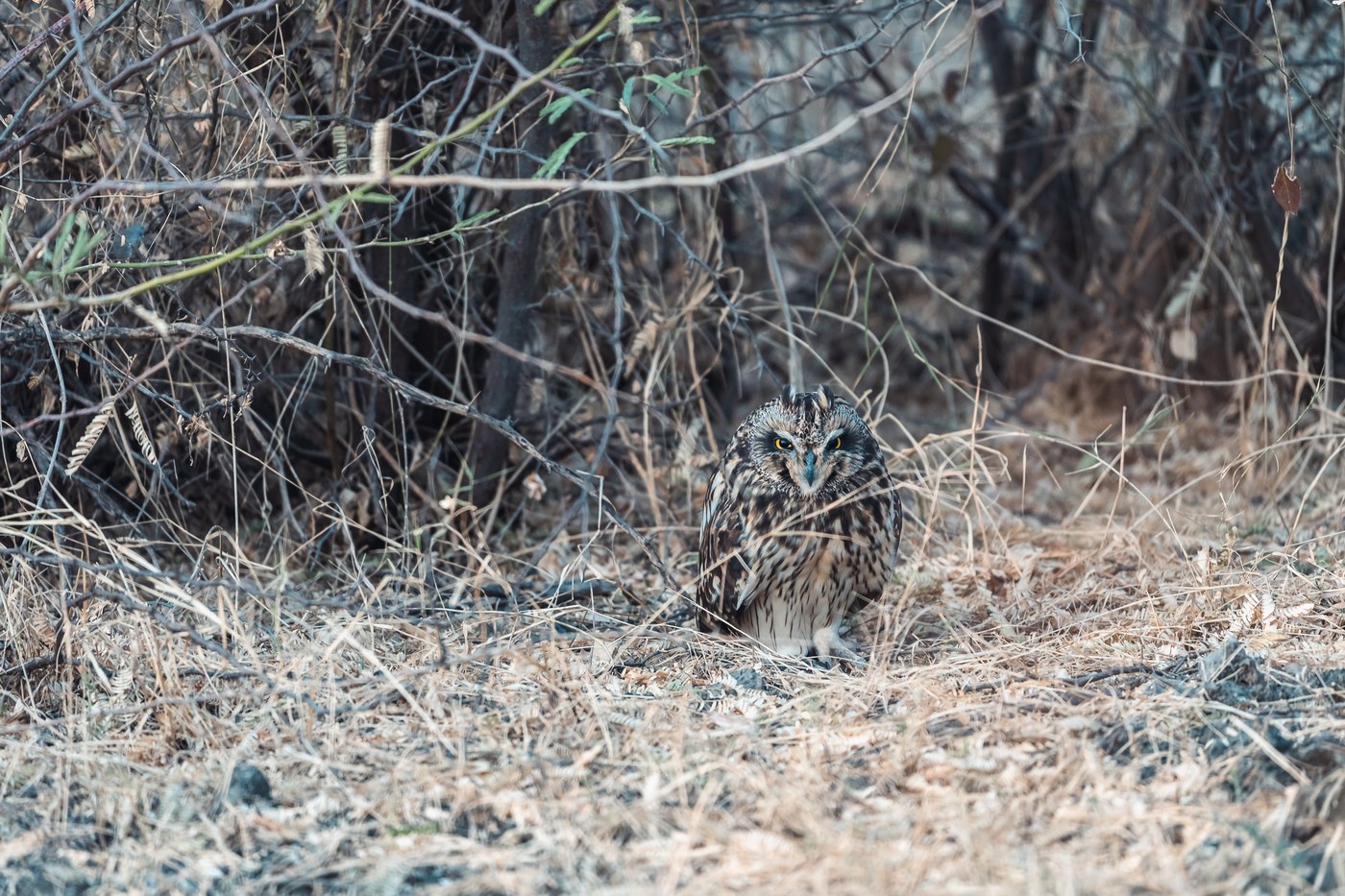
Short-eared Owl
Asio flammeus
A pale, ground-nesting owl of open country that hunts by day in low, buoyant, moth-like flight over fields and marshes.
- Size
- 34-42 cm (13-17 in) long, 85-110 cm wingspan
- Habitat
- open grasslands, marshes, tundra, and agricultural fields
- Type
- owl
Spotted a bird like this?
Identify any bird from a photo, free.
Overview
The Short-eared Owl is a medium-sized, mottled tawny-brown owl of open landscapes, notable among owls for being frequently active in daylight, especially at dawn and dusk. Its ear tufts are so short they are rarely visible, giving the head a smooth, rounded look with striking pale yellow eyes ringed in black.
In flight, the wings appear long and rounded with a bold buffy patch and dark carpal mark on the underwing, and the flight itself is distinctive - low, floppy, and irregular, likened to a giant moth coursing over the grass.
One of the most widespread owls in the world, it breeds across much of the Northern Hemisphere and irrupts nomadically in years of high vole abundance.
How to identify it
Key Field Marks
- Very short, usually invisible ear tufts
- Pale yellow eyes set in black patches, giving a startled expression
- Streaked, mottled buff-brown plumage, more heavily streaked on males' breast
- Bold buffy wing patch and dark carpal comma visible on the underwing in flight
- Low, buoyant, floppy flight over open ground, often in daylight
Similar Species
- Long-eared Owl has tall, visible ear tufts, orange (not yellow) eyes, and is strictly nocturnal, roosting in dense trees rather than hunting over open ground by day.
- Northern Harrier shares open-country, low-flight habits but is a hawk with a slim body, long tail, and white rump patch, lacking the owl's round head and buoyant wingbeats.
Habitat & range
Short-eared Owls breed in treeless open country - Arctic and alpine tundra, prairie grasslands, coastal marshes, and reclaimed agricultural land - across North America, Europe, and Asia. They winter in open fields, marshes, and grasslands farther south.
This species is famously nomadic, with numbers shifting year to year in response to vole population cycles; areas with abundant rodents can attract many owls in an irruption year, while the same site may hold none the next.
Behavior & voice
Behavior
More diurnal and crepuscular than most owls, Short-eared Owls hunt over open fields in daylight with slow, floppy wingbeats interspersed with glides, quartering low over the vegetation like a giant moth or harrier.
Voice
The male's display call is a muffled, hollow "boo-boo-boo-boo" given during flight displays over the breeding territory. Both sexes give a sharp, barking "waow" or hissing alarm calls near the nest.
Feeding
Voles are the dietary staple, supplemented by other small mammals and occasionally small birds; owls locate prey largely by sound while flying low and drop feet-first onto it in the grass.
Nesting & Breeding
Unusual among owls, this species nests directly on the ground in a shallow scrape concealed by vegetation. Clutch size varies with prey abundance, typically 4-9 eggs, sometimes more in vole-rich years, and males perform dramatic wing-clapping display flights to defend territory and attract mates.
Frequently asked questions
Are Short-eared Owls active during the day?
Yes, more than most owls; they are frequently seen hunting in daylight, particularly around dawn and dusk, flying low over open fields and marshes.
Where does the Short-eared Owl nest?
It nests on the ground in open habitats such as grasslands, tundra, or marshes, unlike most owls which use tree cavities or old stick nests.
Why do Short-eared Owl numbers vary so much year to year?
Their populations track vole abundance closely, so they move nomadically and can be locally abundant in good rodent years and scarce or absent the next.
How do you distinguish a Short-eared Owl from a Northern Harrier in flight?
Both fly low over fields, but the owl has a rounder head, shorter tail, and floppier, more erratic wingbeats, while the harrier has a slim hawk-like body, longer tail, and a white rump patch.
Short-eared Owl guides
In-depth guides for identifying, finding, and understanding Short-eared Owl.
Other birds you may enjoy
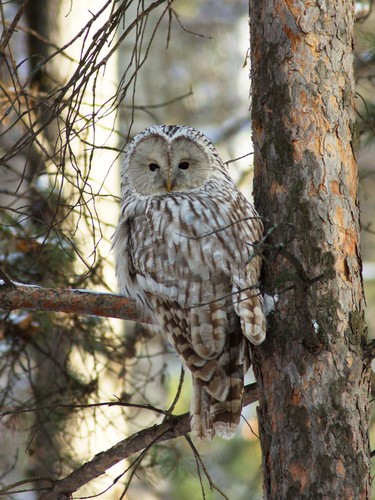
Ural Owl
50-62 cm long, wingspan about 1.0-1.3 m
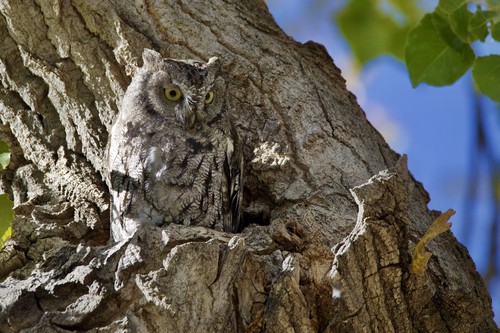
Western Screech-Owl
19-25 cm (7.5-10 in) long, about 55 cm (21.5 in) wingspan
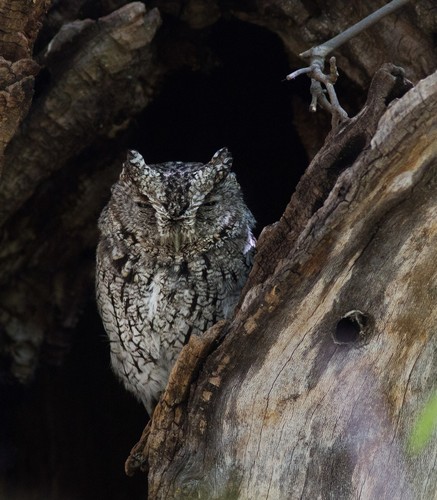
Whiskered Screech-Owl
17-19 cm (6.7-7.5 in) long, 43 cm wingspan
Tawny Owl
37-43 cm (15-17 in) long, 81-96 cm wingspan
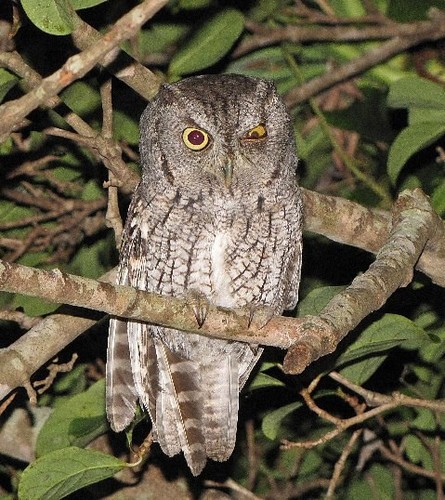
Screech Owl
16-25 cm long, wingspan about 46-61 cm
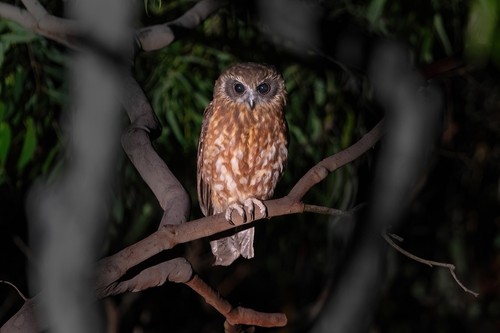
Southern Boobook
27-36 cm (11-14 in) long
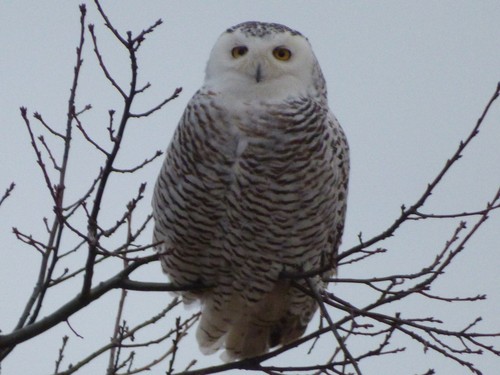
Snowy Owl
52-71 cm (20-28 in) long, 125-150 cm (49-59 in) wingspan
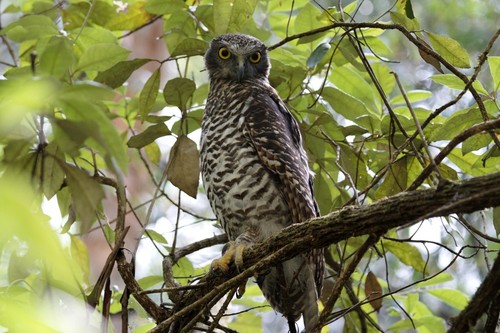
Powerful Owl
60-65 cm (24-26 in) long, 112-135 cm (44-53 in) wingspan
Northern Saw-whet Owl
18-21 cm (7-8.5 in) long, 42-56 cm (17-22 in) wingspan
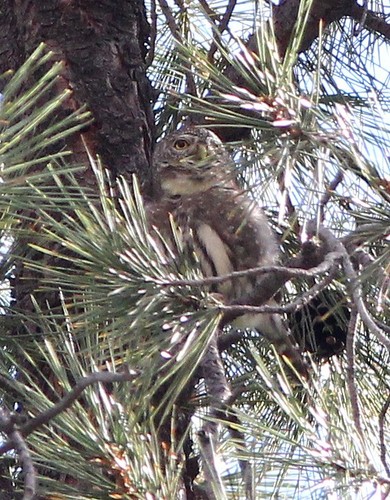
Northern Pygmy-Owl
16-18 cm (6.3-7.1 in) long, 35-39 cm wingspan
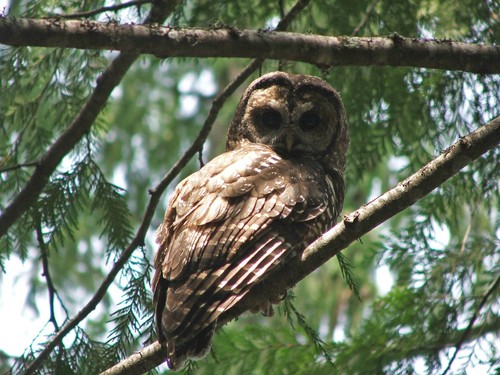
Spotted Owl
43-48 cm (17-19 in) long, 100-114 cm wingspan
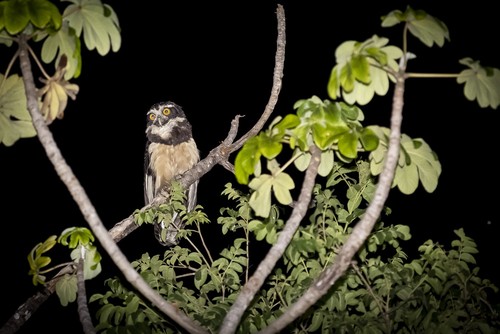
Spectacled Owl
43-52 cm (17-20 in) long