
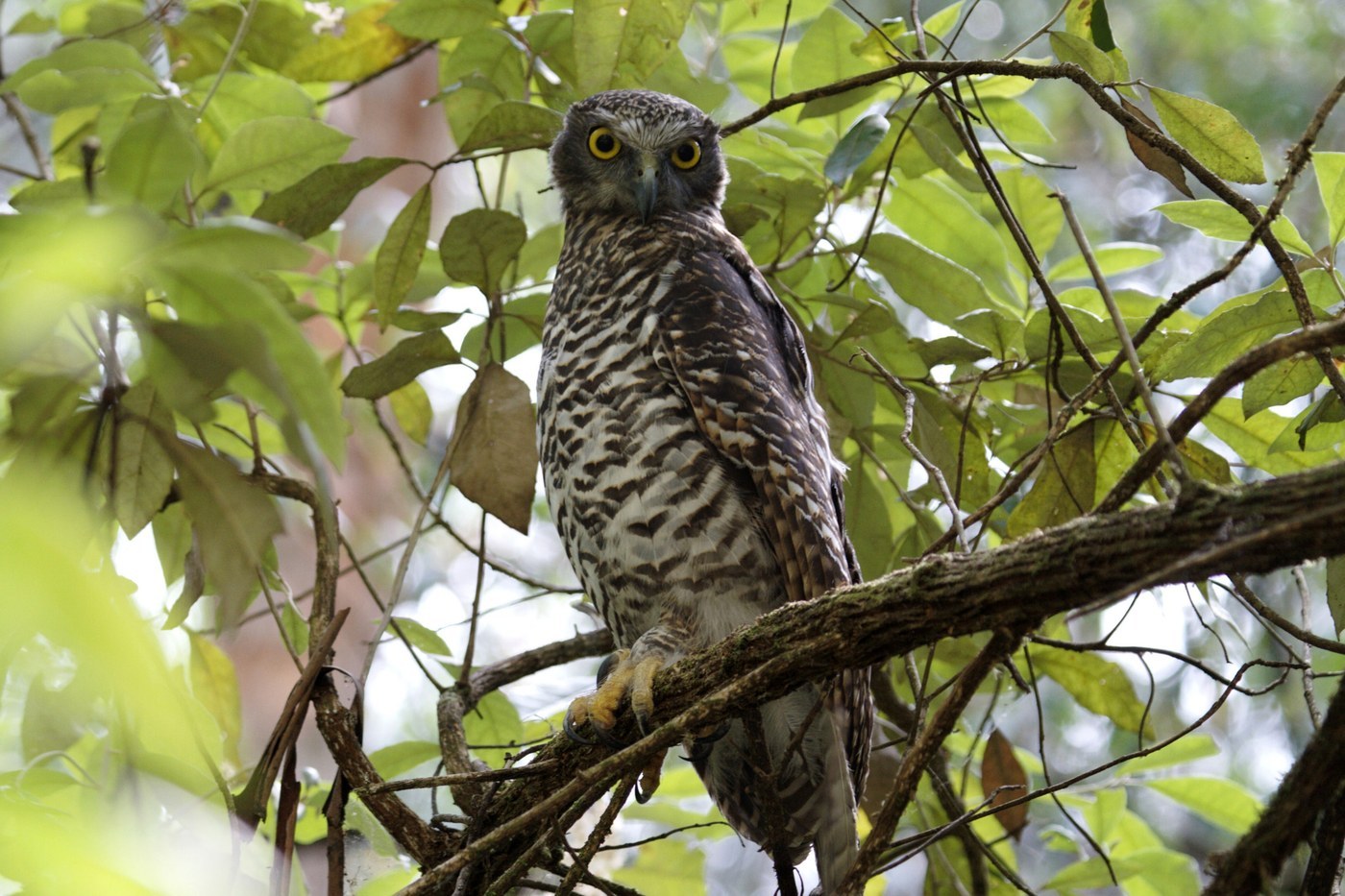
Powerful Owl
Ninox strenua
Australia's largest owl, a massive nocturnal predator of eastern forests that feeds almost exclusively on possums and gliders.
- Size
- 60-65 cm (24-26 in) long, 112-135 cm (44-53 in) wingspan
- Habitat
- tall eucalypt forests and woodlands, including urban bushland along the east coast
- Type
- owl
Spotted a bird like this?
Identify any bird from a photo, free.
Overview
The Powerful Owl is Australia's largest owl species, an imposing, heavily built bird with a relatively small head, piercing yellow eyes, and dense, dark grey-brown plumage barred and mottled with white across the upperparts, and cream underparts marked with distinctive dark V- or chevron-shaped barring. Its powerful legs and large, formidable talons reflect its role as an apex nocturnal predator capable of taking prey much larger than most other owls tackle.
Unlike many owls that take a broad diet of small prey, the Powerful Owl specialises heavily in medium-sized arboreal mammals, particularly the Common Ringtail Possum and various gliders, which it typically catches after a still, silent stalking approach from a perch, striking with its large talons.
Once thought to require large tracts of undisturbed forest, the species has increasingly been found roosting and breeding in well-vegetated urban and suburban bushland along Australia's eastern seaboard, provided mature hollow-bearing trees and abundant possum populations are present, making it an important and closely watched conservation focus in cities such as Sydney and Melbourne.
How to identify it
Key field marks
- Very large size, noticeably bigger than any other Australian owl
- Dark grey-brown upperparts finely barred with white
- Cream underparts marked with bold dark V-shaped chevrons
- Small-looking head relative to its bulky body, with piercing yellow eyes
- Often seen roosting by day in dense foliage, sometimes with a possum carcass held in its talons
Similar species
The Barking Owl is much smaller with browner, streaked (not chevron-barred) underparts and a proportionally larger-looking head. The Southern Boobook is considerably smaller, with a rounder head, dark facial mask, and different, more familiar two-note call. The Powerful Owl's sheer size and distinctive chevron-barred underparts readily separate it from all other Australian owls.
Habitat & range
Habitat
Powerful Owls require tall, mature eucalypt forest and woodland with large hollow-bearing trees for nesting and roosting, and healthy populations of possums and gliders for food; they increasingly use well-treed urban and suburban bushland corridors.
Range
The species is restricted to eastern Australia, occurring from far northeastern Queensland through New South Wales and Victoria to southeastern South Australia, generally along the forested ranges and coastal strip.
Migration
Powerful Owls are sedentary and hold large, stable territories year-round, with pairs remaining together and defending the same home range across many years.
Behavior & voice
Behavior
This owl roosts by day in dense foliage, often in a favoured tree used repeatedly, and becomes active at dusk to hunt, typically flying with slow, deep, silent wingbeats between perches while scanning for prey.
Voice
Its call is a deep, resonant double hoot, 'whoo-hoo', with the second note lower, carrying well through forest at night, especially during the breeding season.
Feeding
It hunts mainly at night from a perch, dropping onto arboreal mammals such as ringtail and brushtail possums and gliders in the canopy or on tree trunks, and it typically plucks and partly eats prey at a regular roost site, leaving characteristic remains below.
Nesting and breeding
Pairs nest in large hollows in old, mature trees, often reused across many years, laying one to two eggs which the female incubates while the male provisions her with food; owlets remain dependent on their parents for an extended period after fledging.
Frequently asked questions
Is the Powerful Owl really Australia's largest owl?
Yes, it is Australia's biggest owl species, standing up to about 65 cm tall with a wingspan over a metre.
What does a Powerful Owl eat?
It feeds almost exclusively on arboreal mammals such as ringtail and brushtail possums and gliders, occasionally taking birds.
Can Powerful Owls be found in cities?
Yes, they increasingly roost and breed in well-vegetated urban bushland along the eastern Australian coast, provided mature trees and possum prey are available.
What does a Powerful Owl sound like?
It gives a deep, resonant double hoot, with the second note lower than the first, often heard at night during the breeding season.
Why is the Powerful Owl considered vulnerable?
Its dependence on large hollow-bearing trees and healthy possum populations makes it sensitive to habitat loss and forest clearing, leading to its vulnerable status in several states.
Powerful Owl guides
In-depth guides for identifying, finding, and understanding Powerful Owl.
Other birds you may enjoy
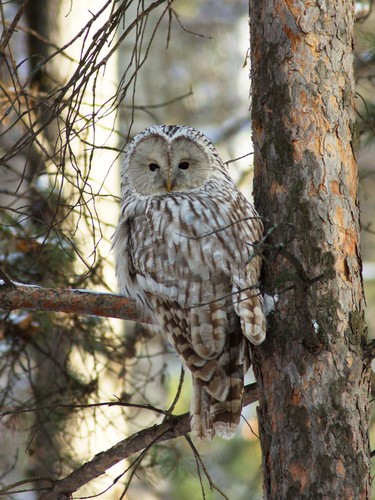
Ural Owl
50-62 cm long, wingspan about 1.0-1.3 m
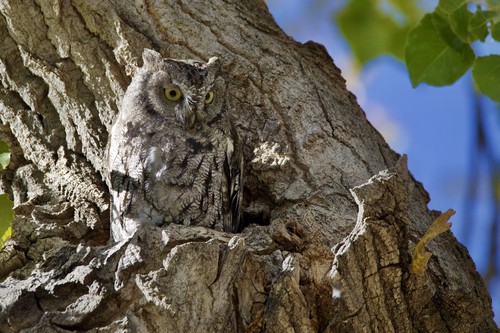
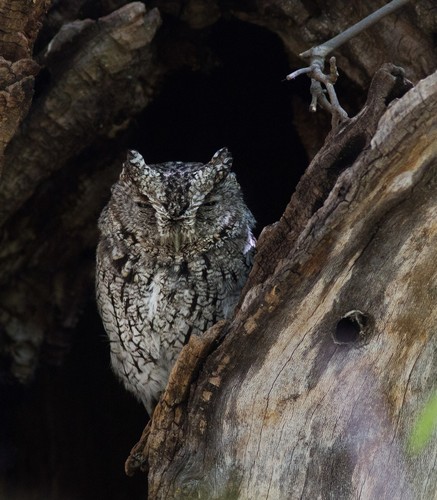
Western Screech-Owl
19-25 cm (7.5-10 in) long, about 55 cm (21.5 in) wingspan
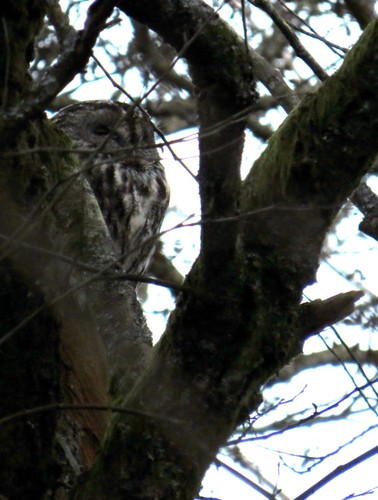
Whiskered Screech-Owl
17-19 cm (6.7-7.5 in) long, 43 cm wingspan
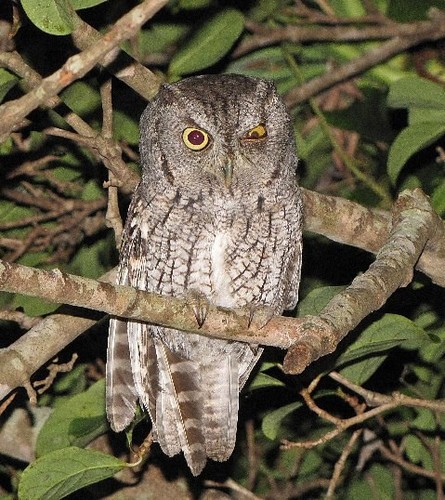
Tawny Owl
37-43 cm (15-17 in) long, 81-96 cm wingspan
Screech Owl
16-25 cm long, wingspan about 46-61 cm
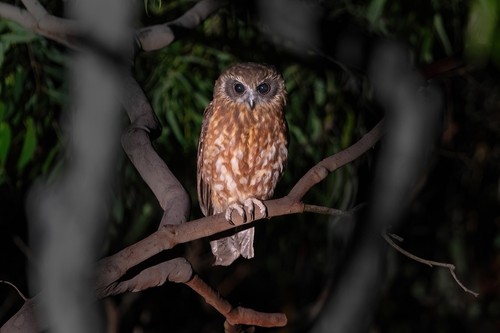
Southern Boobook
27-36 cm (11-14 in) long
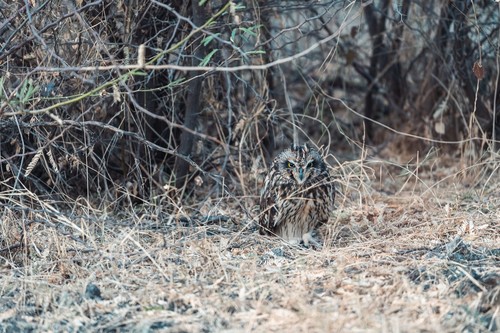
Short-eared Owl
34-42 cm (13-17 in) long, 85-110 cm wingspan
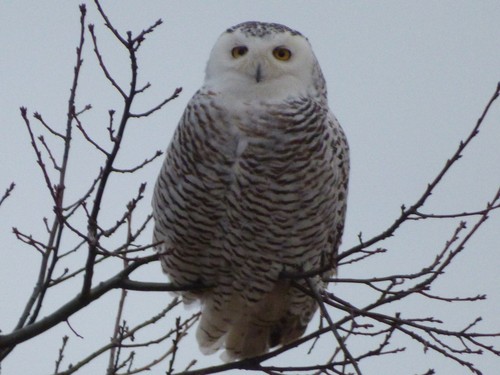
Snowy Owl
52-71 cm (20-28 in) long, 125-150 cm (49-59 in) wingspan
Northern Saw-whet Owl
18-21 cm (7-8.5 in) long, 42-56 cm (17-22 in) wingspan
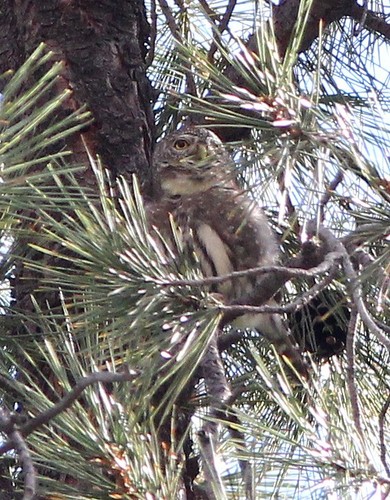
Northern Pygmy-Owl
16-18 cm (6.3-7.1 in) long, 35-39 cm wingspan
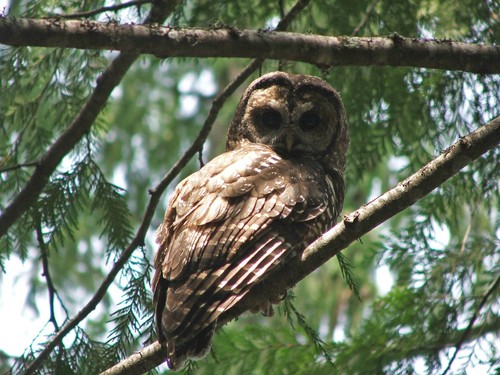
Spotted Owl
43-48 cm (17-19 in) long, 100-114 cm wingspan
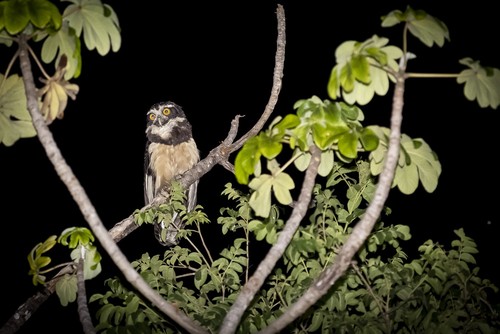
Spectacled Owl
43-52 cm (17-20 in) long