
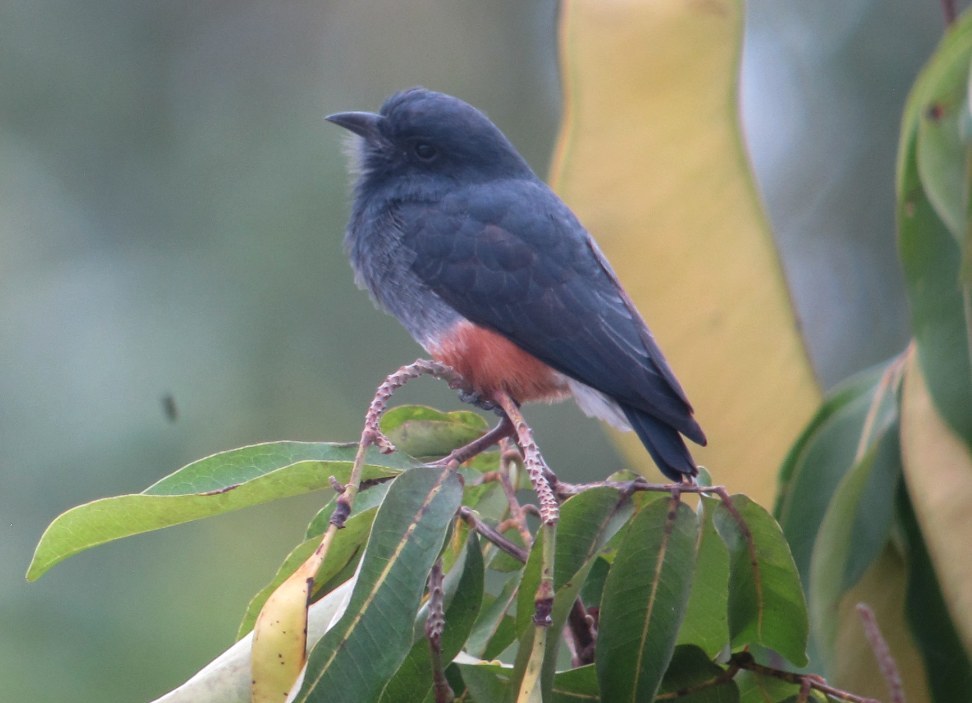
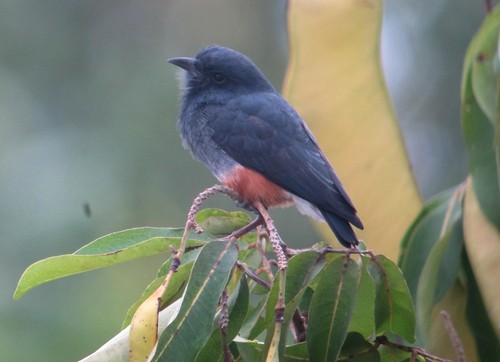
Swallow-winged Puffbird
Chelidoptera tenebrosa
A distinctive puffbird with long, pointed swallow-like wings and a chestnut rump, often seen perched on riverside snags sallying for insects like a swallow.
- Size
- 14-15 cm (5.5-6 in) long
- Habitat
- river edges, forest clearings, and open areas with scattered dead snags
- Type
- other
Spotted a bird like this?
Identify any bird from a photo, free.
Overview
The Swallow-winged Puffbird stands apart from its relatives in the puffbird family by its long, pointed wings and habitually aerial foraging style, more reminiscent of a swallow than a typical sit-and-wait puffbird. Plumage is sooty black to dark gray overall, with a contrasting white patch on the lower back and rich chestnut-rufous undertail coverts and rump visible in flight. The short tail and compact body give it a distinctive silhouette when perched on a bare snag.
How to identify it
Key field marks
- Long, pointed, swallow-like wings and short tail.
- Sooty blackish-gray body.
- White patch on the lower back, chestnut-rufous rump/undertail coverts.
- Habitually perches on exposed dead snags, especially over water.
Similar species
No other Neotropical puffbird shares this species' long pointed wings and habitual aerial sallying; the combination of dark plumage, white back patch, and chestnut vent is unmistakable within its range.
Habitat & range
This species is closely tied to river edges, oxbow lakes, forest clearings, and other open areas with scattered dead trees or snags for perching, throughout the Amazon basin, the Guianas, and parts of the Orinoco basin. It is a non-migratory resident of the lowlands, rarely far from water or open airspace.
Behavior & voice
Voice
A thin, high-pitched whistled call, often given in flight or from a perch; relatively quiet compared to some relatives.
Feeding
Unlike most puffbirds, which sally briefly from a perch, the Swallow-winged Puffbird makes extended, swallow-like circling flights high over rivers and clearings to catch flying insects, frequently returning to the same conspicuous snag perch between foraging bouts.
Nesting and breeding
Pairs and small groups excavate nest burrows in earthen banks, often riverbanks, sometimes nesting semi-colonially. Both parents are believed to help with incubation and feeding of the young.
Frequently asked questions
Why is it called "swallow-winged"?
Its long, pointed wings and habit of making extended aerial sallies for insects resemble the flight style of swallows, unusual for a puffbird.
Where is it typically seen?
Perched on bare snags along rivers, oxbow lakes, and forest clearings throughout the Amazon and Orinoco basins.
What does it eat?
Flying insects, caught in sustained aerial sallies rather than brief perch-to-perch dashes.
Where does it nest?
In burrows excavated into earthen banks, sometimes in loose colonies.
Swallow-winged Puffbird guides
In-depth guides for identifying, finding, and understanding Swallow-winged Puffbird.
Other birds you may enjoy
Kiwi
35-55 cm (14-22 in) long; roughly chicken-sized
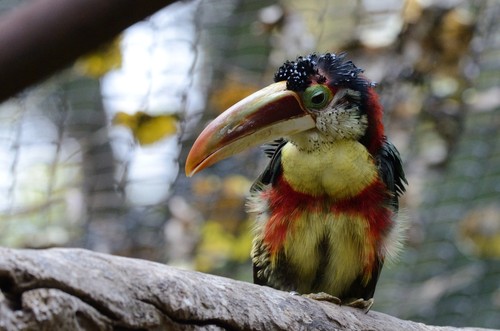
Curl-crested Aracari
41-46 cm (16-18 in) long, including a long bill and tail
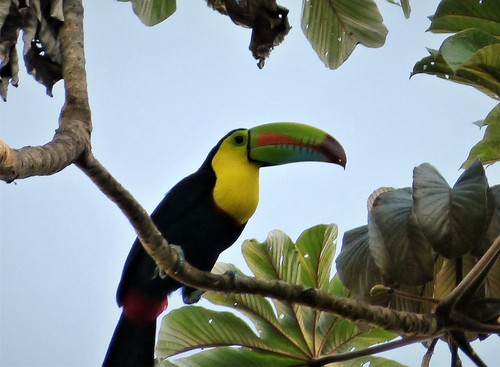
Keel-billed Toucan
42-55 cm (17-22 in) long including bill
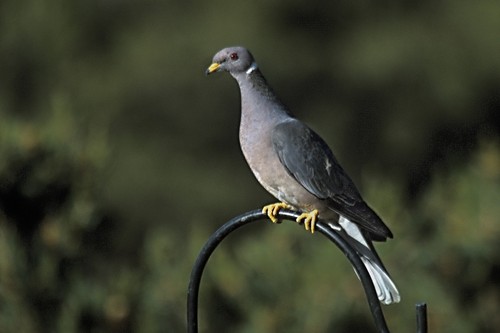
Band-tailed Pigeon
33-38 cm (13-15 in) long, wingspan about 66 cm (26 in)
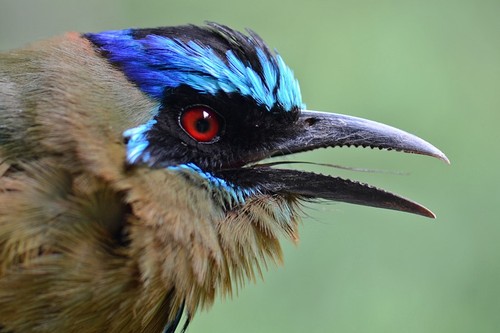
Blue-crowned Motmot
38-43 cm (15-17 in) long including tail
White-tipped Dove
27-30 cm (10.5-12 in) long, 38-43 cm wingspan
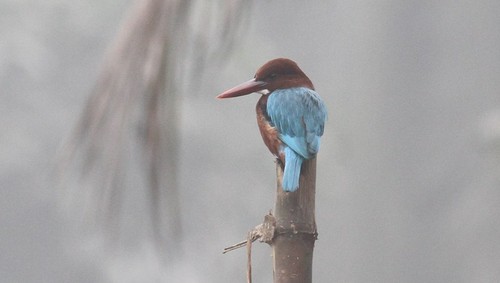
White-throated Kingfisher
27-28 cm (10.5-11 in) long
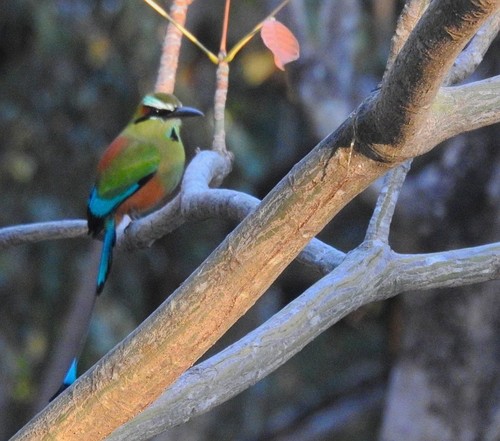
Turquoise-browed Motmot
34 cm (13 in) long including tail
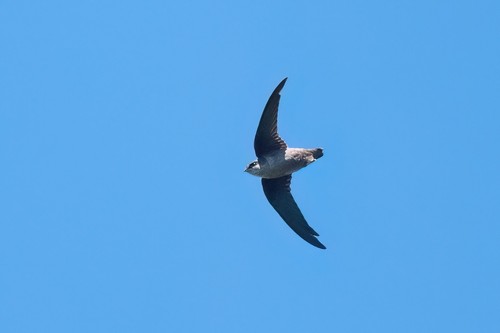
Vaux's Swift
10-12 cm (4-4.5 in) long, 27-30 cm wingspan
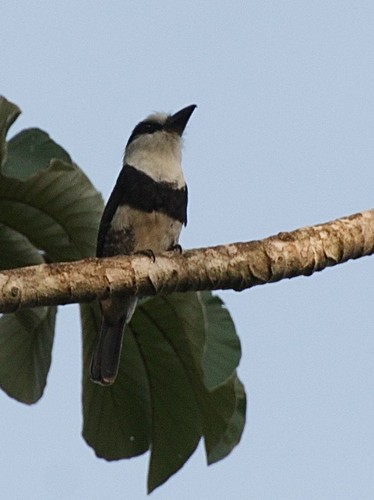
White-necked Puffbird
22-24 cm (8.5-9.5 in) long
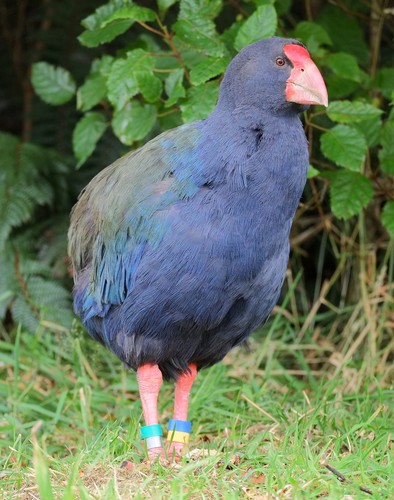
Takahe
50 cm (20 in) long, up to 3.5 kg; flightless
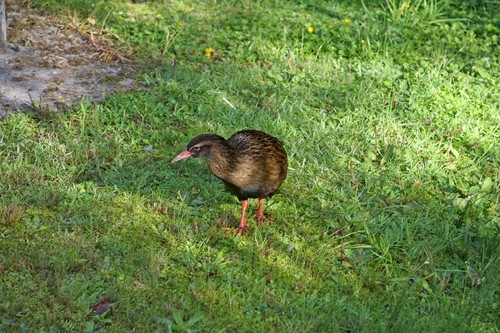
Weka
50-60 cm (20-24 in) long; flightless