
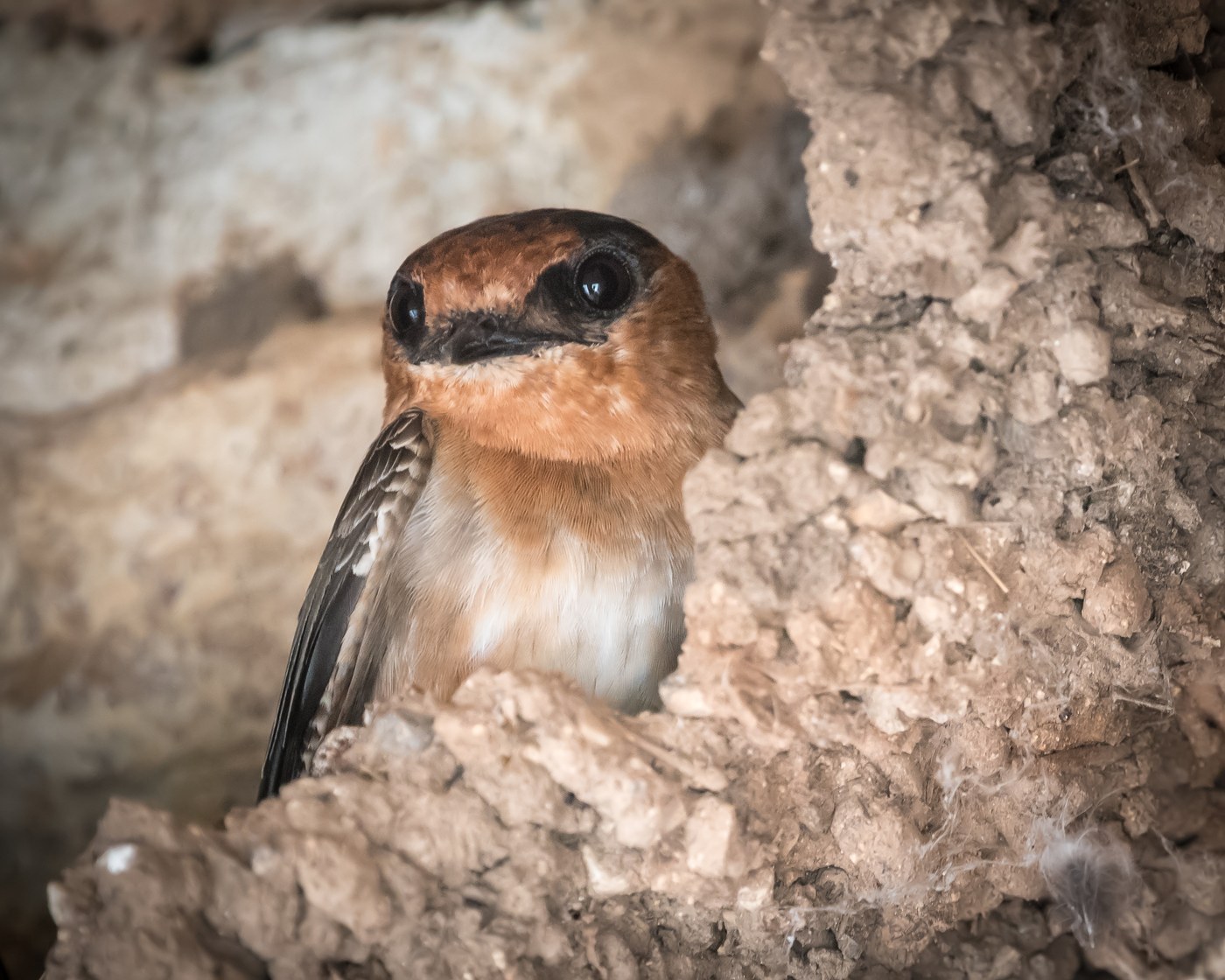
Cave Swallow
Petrochelidon fulva
A cliff-swallow relative with a buffy forehead and throat that nests colonially under bridges and in caves and culverts across the southern US and Caribbean.
- Size
- 12-14 cm (5 in) long, 27-30 cm wingspan
- Habitat
- caves, culverts, and bridges in south Texas, Florida, the Caribbean, and Mexico
- Type
- songbird
Spotted a bird like this?
Identify any bird from a photo, free.
Overview
The Cave Swallow is closely related to the more familiar Cliff Swallow, sharing a similar chunky build and square-cornered tail, but with a reversed face pattern: Cave Swallow has a warm buffy-cinnamon forehead and throat, rufous cheeks, and a dark blue-black crown and back, with a pale, buffy-orange rump.
Originally a cave nester (as its name suggests), it has adapted readily to human-made structures, and colonies now commonly nest under highway bridges and in culverts, which has helped the species expand its range in Texas over recent decades.
How to identify it
Key field marks
- Buffy-cinnamon forehead and throat
- Rufous cheeks, dark blue-black crown and back
- Pale buffy-orange rump
- Squarish tail (not deeply forked)
Similar species
- Cliff Swallow: opposite face pattern—dark chestnut throat and pale, whitish forehead—with a whiter, less buffy rump.
- Barn Swallow: deeply forked tail, rufous throat and forehead but blue-black (not buffy) crown, longer streamers.
Habitat & range
Range and habitat
Cave Swallow breeds in south Texas, the Caribbean (including Puerto Rico and Cuba), parts of Florida, and Mexico, nesting colonially in caves, sinkholes, culverts, and increasingly under highway overpasses and bridges.
Migration
Texas populations are migratory, wintering mainly in Mexico, though the species has become increasingly regular in winter in parts of Texas and the Gulf Coast; Caribbean populations are largely resident.
Behavior & voice
Behavior
Highly social, nesting and foraging in colonies, often alongside Cliff Swallows and Barn Swallows at bridge and culvert sites.
Voice
A twittering chatter with weak, squeaky notes, generally softer and less strident than Cliff Swallow's calls.
Feeding
Catches flying insects on the wing, foraging over open country, water, and around bridges and culverts near the colony.
Nesting and breeding
Builds a mud nest (often more open cup-shaped than the fully enclosed gourd nest of Cliff Swallow) on cave walls, culverts, or bridge undersides, frequently in dense colonies. The female incubates 3-4 eggs.
Frequently asked questions
How do you tell a Cave Swallow from a Cliff Swallow?
Cave Swallow has a buffy-cinnamon throat and forehead with a dark crown, the reverse of Cliff Swallow, which has a dark chestnut throat and pale whitish forehead.
Where do Cave Swallows nest?
Originally in caves and sinkholes, but colonies now commonly use culverts and the undersides of highway bridges.
Where do Cave Swallows live?
South Texas, parts of Florida, the Caribbean, and Mexico.
What do Cave Swallows eat?
Flying insects caught in mid-air over open country and near water.
Cave Swallow guides
In-depth guides for identifying, finding, and understanding Cave Swallow.
Other birds you may enjoy
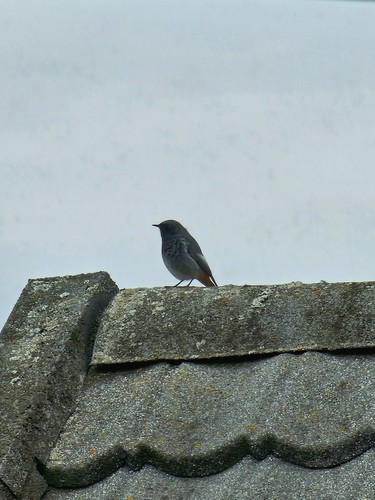
Black Redstart
13-14.5 cm (5.1-5.7 in) long, 23-26 cm wingspan
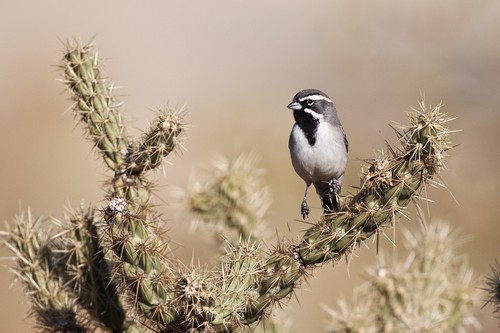
Black-throated Sparrow
12-14 cm (4.7-5.5 in) long, about 19-20 cm (7.5-8 in) wingspan
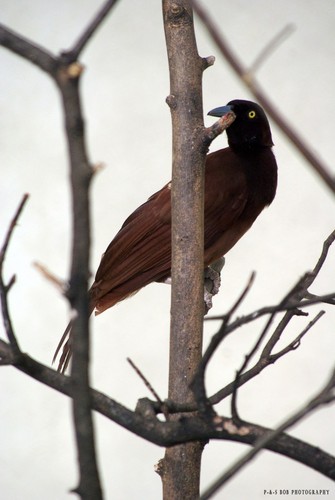
Greater Bird-of-paradise
Body about 43 cm; males with additional flank plumes up to 50 cm and long tail wires
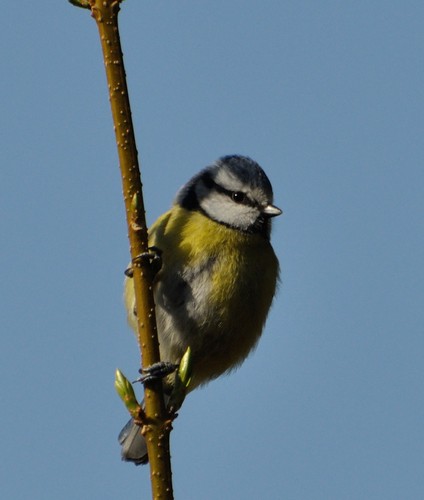
Blue Tit
11-12 cm (4.3-4.7 in) long, 17-20 cm wingspan
Red-billed Quelea
11.5–13 cm long, wingspan about 20–22 cm
White-plumed Antbird
13-14 cm (5-5.5 in) long
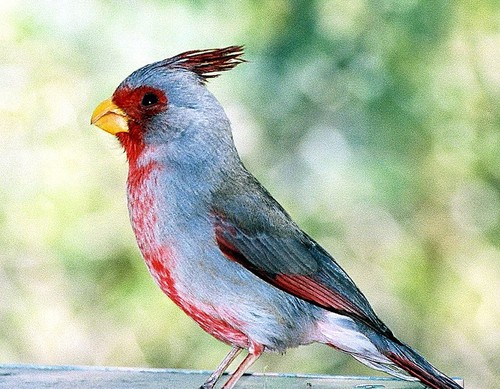
Pyrrhuloxia
19-22 cm (7.5-8.7 in) long, 30 cm wingspan
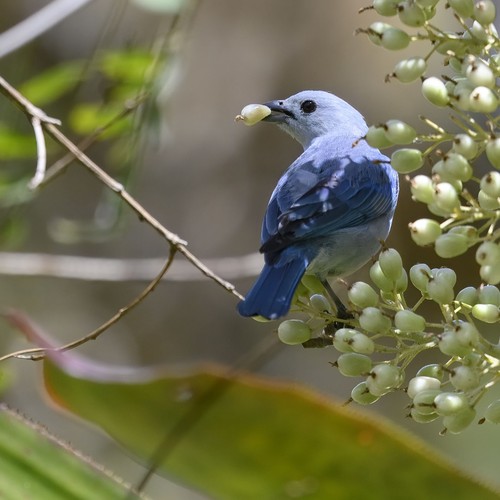
Blue-gray Tanager
16-18 cm (6-7 in) long
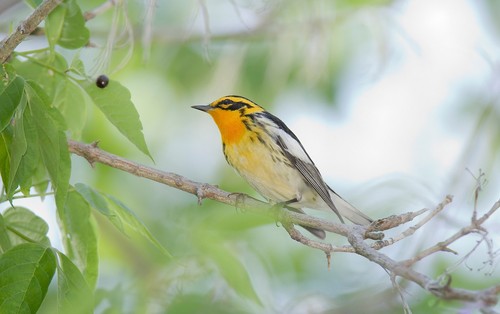
Blackburnian Warbler
11-13 cm (4.3-5.1 in) long, 20-22 cm wingspan
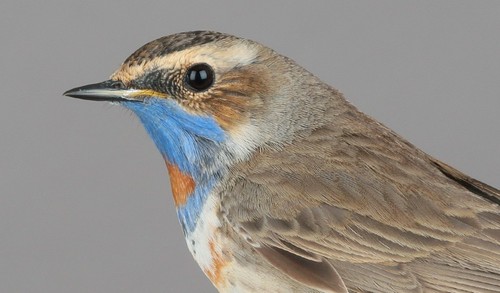
Bluethroat
13-14 cm (5.1-5.5 in) long, 20-22 cm wingspan
Eurasian Nuthatch
12-14.5 cm (4.7-5.7 in) long, 22.5-27 cm wingspan
Wood Thrush
19-21 cm (7.5-8.3 in) long, about 33 cm (13 in) wingspan