
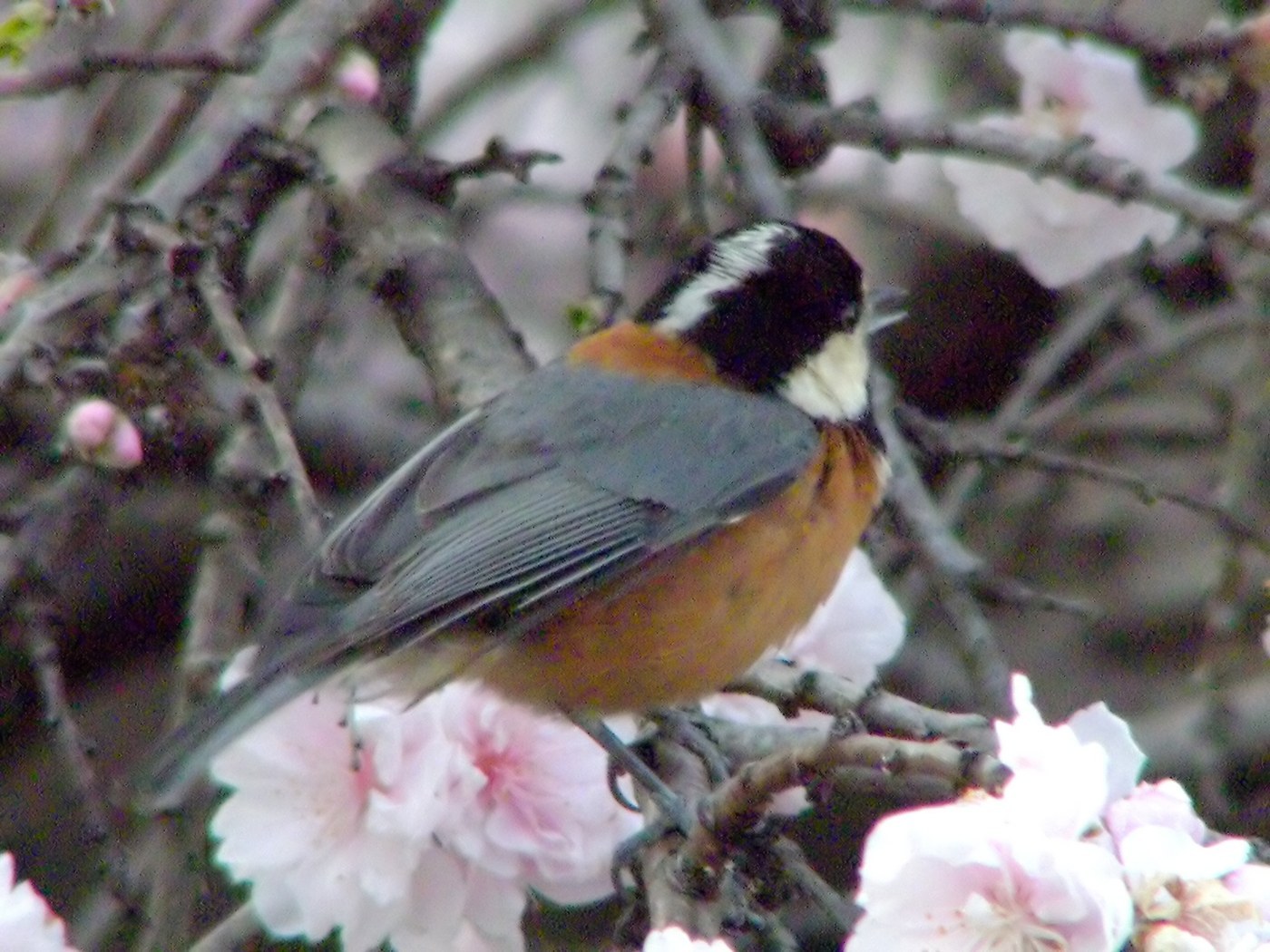
Varied Tit
Sittiparus varius
A striking, boldly patterned tit with chestnut underparts, a black-and-white face, and a habit of caching seeds for later.
- Size
- 13-14 cm (5-5.5 in) long
- Habitat
- mixed and deciduous forests, woodland edges, and parks
- Type
- songbird
Spotted a bird like this?
Identify any bird from a photo, free.
Overview
The Varied Tit is one of the most handsomely marked members of the tit family, with rich chestnut underparts and nape contrasting sharply against a black-and-white patterned face and a blue-grey back. The crown and throat are black, with a broad creamy-white patch covering the forehead and cheeks, creating a bold, high-contrast look unlike any other tit in its range.
It is well known for its intelligence and its strong caching behavior, hiding away seeds and nuts in bark crevices and other hiding spots to retrieve later, a trait historically exploited by street performers in Japan who trained the birds to perform simple tricks.
How to identify it
Key field marks
- Rich chestnut underparts, nape, and lower back
- Black crown and throat with a broad white/cream patch on the forehead and cheeks
- Blue-grey upper back and wings
- Compact, large-headed tit shape
Similar species
- Japanese Tit has a plain black head and pale yellow-white underparts with a central black stripe, quite different from the Varied Tit's chestnut and white face pattern.
- Coal Tit lacks any chestnut coloring and shows a white nape patch instead.
Habitat & range
Habitat
Favors mixed and deciduous forest, especially with a good mix of tree species, forest edges, and wooded parks and gardens.
Range
Found across Japan, the Korean Peninsula, Taiwan, and parts of eastern China.
Migration
Mostly resident, with some altitudinal movement to lower elevations in winter in mountainous parts of its range.
Behavior & voice
Behavior
Active and acrobatic like other tits, frequently caching seeds and nuts in bark crevices or the ground for later retrieval, an ability supported by excellent spatial memory; often joins mixed foraging flocks in winter.
Voice
A variety of whistled and buzzy calls, including a rolling "tsutsupii" song and sharper scolding notes.
Feeding
Eats insects and spiders during the breeding season, shifting toward seeds and nuts such as acorns and pine seeds in autumn and winter, which it habitually stores for later use.
Nesting
Nests in tree cavities or nest boxes, lining the cavity with moss, fur, and feathers; lays 6-8 white eggs with fine reddish speckling.
Frequently asked questions
How do you identify a Varied Tit?
Look for rich chestnut underparts and nape combined with a bold black-and-white patterned face and a blue-grey back, a color combination unique among tits in its range.
Why is the Varied Tit known for intelligence?
It has a strong seed-caching habit and excellent memory for retrieving hidden food, traits that were historically used to train the birds to perform simple tricks in Japan.
What does a Varied Tit eat?
Insects and spiders in the breeding season, switching to seeds and nuts like acorns and pine seeds in autumn and winter, which it often caches for later.
Where does the Varied Tit live?
In mixed and deciduous forests, woodland edges, and parks across Japan, Korea, Taiwan, and parts of eastern China.
Varied Tit guides
In-depth guides for identifying, finding, and understanding Varied Tit.
Other birds you may enjoy
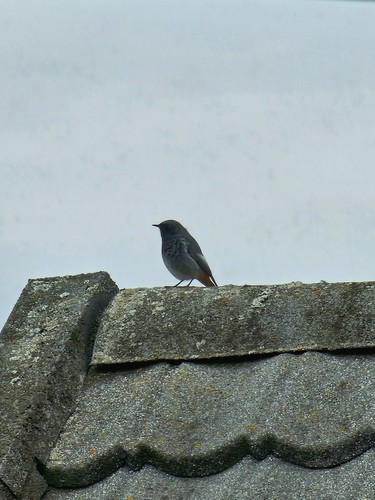
Black Redstart
13-14.5 cm (5.1-5.7 in) long, 23-26 cm wingspan
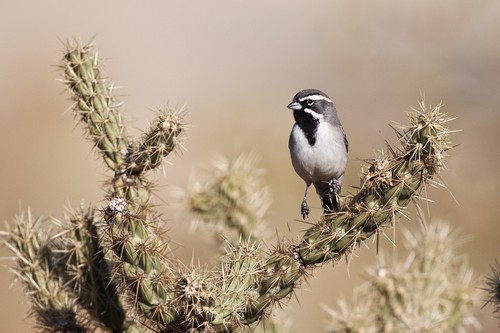
Black-throated Sparrow
12-14 cm (4.7-5.5 in) long, about 19-20 cm (7.5-8 in) wingspan
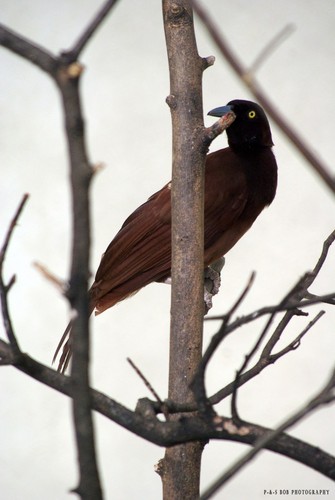
Greater Bird-of-paradise
Body about 43 cm; males with additional flank plumes up to 50 cm and long tail wires
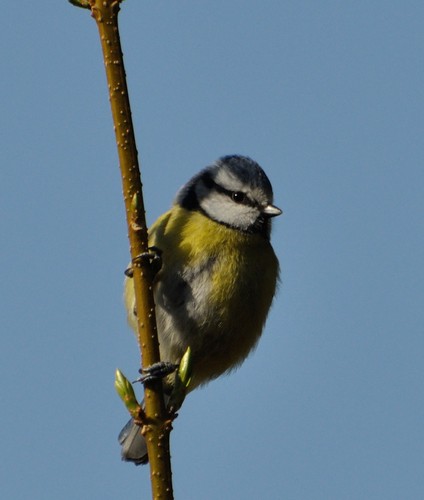
Blue Tit
11-12 cm (4.3-4.7 in) long, 17-20 cm wingspan
Red-billed Quelea
11.5–13 cm long, wingspan about 20–22 cm
White-plumed Antbird
13-14 cm (5-5.5 in) long
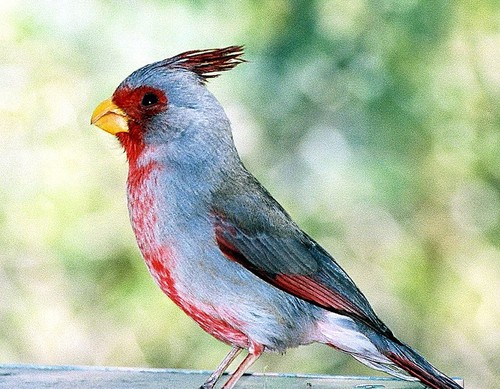
Pyrrhuloxia
19-22 cm (7.5-8.7 in) long, 30 cm wingspan
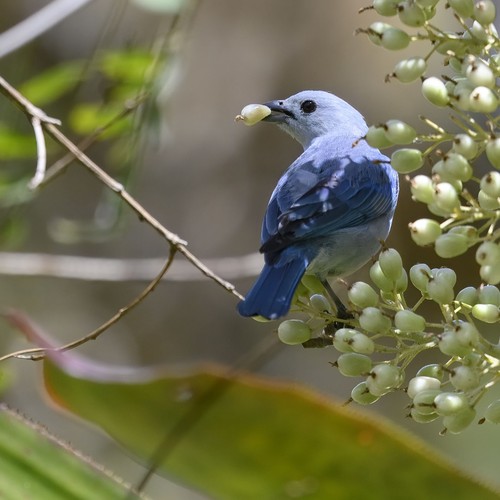
Blue-gray Tanager
16-18 cm (6-7 in) long
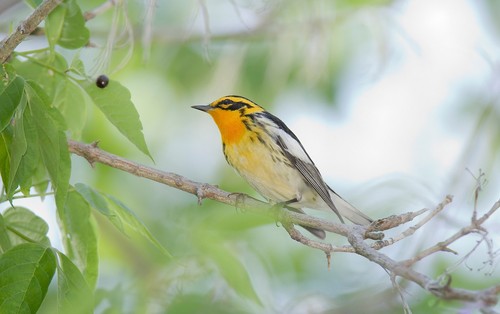
Blackburnian Warbler
11-13 cm (4.3-5.1 in) long, 20-22 cm wingspan
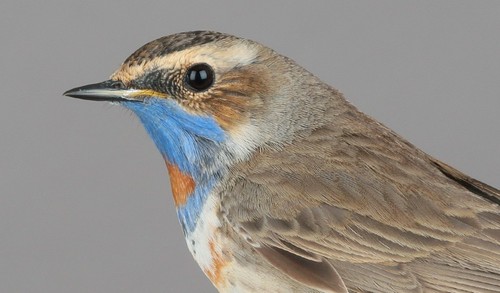
Bluethroat
13-14 cm (5.1-5.5 in) long, 20-22 cm wingspan
Eurasian Nuthatch
12-14.5 cm (4.7-5.7 in) long, 22.5-27 cm wingspan
Wood Thrush
19-21 cm (7.5-8.3 in) long, about 33 cm (13 in) wingspan