
Yellowhammer
Emberiza citrinella
A vividly yellow-headed bunting of farmland hedgerows, famous for its song often rendered as "a little bit of bread and no cheese."
- Size
- 16-16.5 cm (6.3-6.5 in) long, 23-29.5 cm wingspan
- Habitat
- farmland hedgerows, heathland, scrub, and open countryside with scattered bushes
- Type
- songbird
Spotted a bird like this?
Identify any bird from a photo, free.
Overview
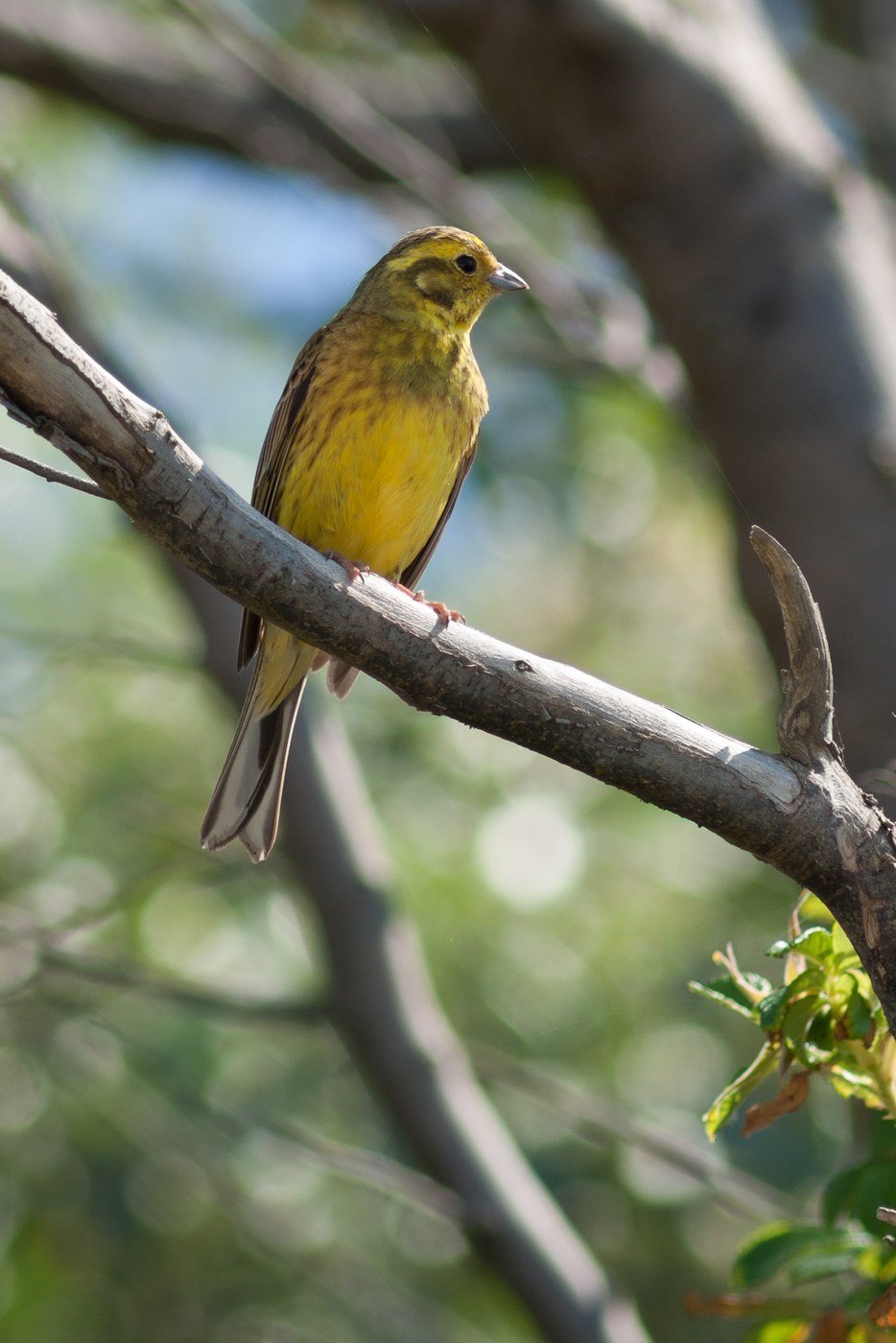
The Yellowhammer is one of Europe's most familiar farmland songbirds, a bunting whose breeding males show a brilliant lemon-yellow head that makes them conspicuous perched on hedgerow tops and fence wires across open agricultural country.
Appearance
Breeding males have a bright yellow head and underparts, variably marked with fine dark streaking, a chestnut-streaked back, and a rich chestnut rump. Females and non-breeding males are duller and more heavily streaked, with less extensive yellow, but the warm chestnut rump remains a useful clue in all plumages.
How to identify it
Key Field Marks
- Bright yellow head and underparts in breeding males
- Chestnut, unstreaked rump — visible in flight and a key feature in all ages/sexes
- Streaked chestnut-brown back
- Long, white-edged tail
- Stout, conical bunting bill
Similar Species
Cirl Bunting males have a similar yellow face but show a black throat and olive breast band, quite different from the Yellowhammer's cleaner yellow underparts. Female and winter buntings can be confusingly similar to one another, but the Yellowhammer's warm chestnut, unstreaked rump is the most reliable mark separating it from Reed Bunting and Corn Bunting, both of which have streakier or greyer rumps.
Habitat & range
Habitat
Yellowhammers are classic birds of open, mixed farmland — hedgerows, field margins, heathland edges, and scrubby commons with scattered bushes for song perches and nesting cover. They avoid dense woodland and closed urban habitats.
Range and Migration
The species breeds across most of Europe and into western Asia and has been introduced to New Zealand. Most populations are resident or make only short-distance movements, though northern and eastern birds may move south in harsh winters, sometimes joining mixed finch and bunting flocks on stubble fields.
Behavior & voice
Behavior
Outside the breeding season Yellowhammers often forage in flocks on farmland, particularly stubble fields and areas of spilled grain, sometimes mixing with other buntings, finches, and sparrows.
Voice
The song is one of the best known in the European countryside: a fast series of similar chirping notes followed by one or two longer, drawn-out notes, popularly rendered as "a little bit of bread and no cheese." The call is a sharp, metallic "tzit."
Nesting and Breeding
The nest is built low in a hedge bank, tussock of grass, or low shrub, a cup of grass and moss lined with fine roots and hair. Clutches of 3-5 eggs, distinctively marked with fine dark scrawls (giving rise to the old country name "scribble lark"), are incubated by the female for about 12-14 days.
Frequently asked questions
What does the Yellowhammer's song sound like?
A fast rattle of similar notes ending in one or two longer, drawn-out notes, traditionally rendered in English as "a little bit of bread and no cheese."
How do you tell a Yellowhammer from a Cirl Bunting?
Male Cirl Buntings have a black throat and an olive-grey breast band beneath the yellow face, while male Yellowhammers have a cleaner, more uniformly yellow head and underparts and a warm chestnut rump.
Why are the Yellowhammer's eggs called 'scribble' eggs?
Their pale, cream-colored shells are marked with fine, irregular dark squiggly lines that resemble pen scribbles, giving rise to old folk names like 'scribble lark.'
Has the Yellowhammer declined in numbers?
Yes, in parts of western Europe, including Britain, populations have declined significantly due to changes in farming practices, though the species remains widespread and is not globally threatened.
Yellowhammer guides
In-depth guides for identifying, finding, and understanding Yellowhammer.
Other birds you may enjoy
Black Redstart
13-14.5 cm (5.1-5.7 in) long, 23-26 cm wingspan
Black-throated Sparrow
12-14 cm (4.7-5.5 in) long, about 19-20 cm (7.5-8 in) wingspan
Greater Bird-of-paradise
Body about 43 cm; males with additional flank plumes up to 50 cm and long tail wires
Blue Tit
11-12 cm (4.3-4.7 in) long, 17-20 cm wingspan
Red-billed Quelea
11.5–13 cm long, wingspan about 20–22 cm
White-plumed Antbird
13-14 cm (5-5.5 in) long
Pyrrhuloxia
19-22 cm (7.5-8.7 in) long, 30 cm wingspan
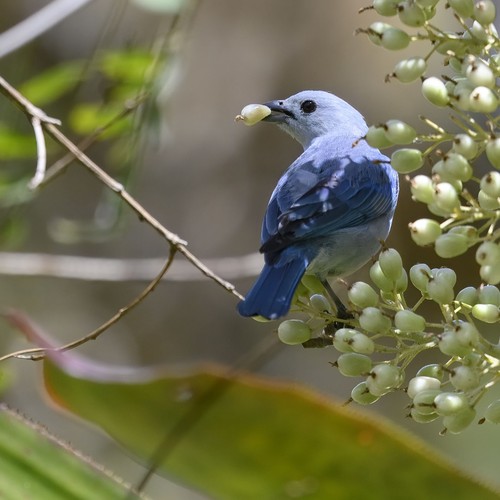
Blue-gray Tanager
16-18 cm (6-7 in) long
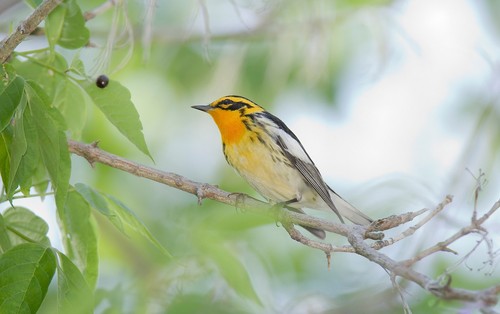
Blackburnian Warbler
11-13 cm (4.3-5.1 in) long, 20-22 cm wingspan
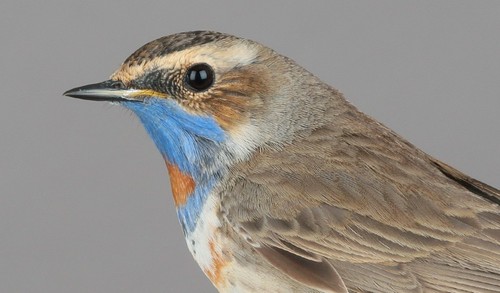
Bluethroat
13-14 cm (5.1-5.5 in) long, 20-22 cm wingspan
Eurasian Nuthatch
12-14.5 cm (4.7-5.7 in) long, 22.5-27 cm wingspan
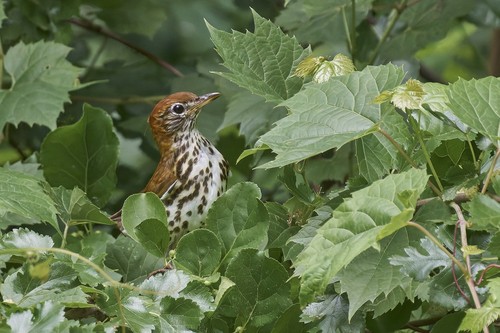
Wood Thrush
19-21 cm (7.5-8.3 in) long, about 33 cm (13 in) wingspan