
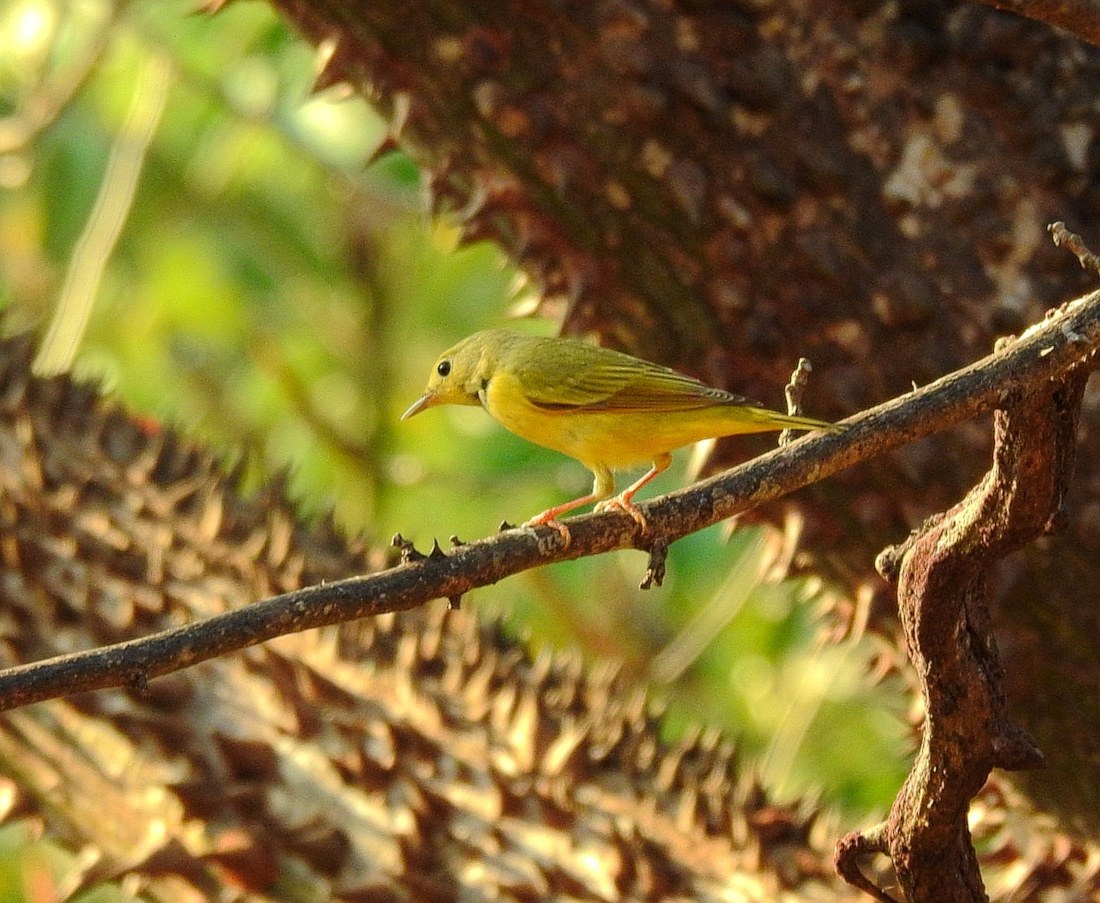
Yellow Warbler
Setophaga petechia
A brilliant, all-yellow warbler of streamside willows and wet thickets, with breeding males showing fine rusty streaks on the breast.
- Size
- 11-13 cm (4.5-5 in) long, 16-20 cm wingspan
- Habitat
- wet thickets, streamside willows, and shrubby edges near water
- Type
- songbird
Spotted a bird like this?
Identify any bird from a photo, free.
Overview
The Yellow Warbler is one of the most widespread and easily recognized warblers in North America, glowing almost entirely bright yellow from head to tail. Males in breeding plumage are a vivid golden-yellow with fine reddish-chestnut streaks running down the breast and flanks, while females and immatures are a softer, more uniform yellow-olive without bold streaking.
Unlike many warblers that show contrasting wing bars, face patterns, or dark caps, the Yellow Warbler's plumage is refreshingly simple: yellow-green above, bright yellow below, with dark eyes standing out against the plain yellow face. Its cheerful, whistled song, often rendered as 'sweet-sweet-sweet, I'm so sweet,' is a familiar sound of wetland edges across the continent.
How to identify it
Key Field Marks
- Overall bright yellow plumage with a yellow-green back and yellow tail spots
- Fine chestnut-red streaking on the breast and flanks of breeding males
- Plain yellow face with a dark eye standing out, no strong facial pattern
- Yellow, unmarked wings without white wingbars (may show faint yellowish edging)
- Females and fall birds are duller yellow-olive with little or no streaking
Similar Species
Wilson's Warbler is similarly bright yellow but has a plain unstreaked breast and a small black cap on males. Yellow-rumped Warbler shows a much more patterned plumage with a bright yellow rump and white wingbars, quite different from the Yellow Warbler's nearly uniform yellow body. Female Common Yellowthroat is duller and browner overall with only a yellow throat and undertail, lacking the Yellow Warbler's all-over yellow tone.
Habitat & range
Habitat
Yellow Warblers favor wet, shrubby habitats, especially willow and alder thickets along streams, wetland edges, and riparian corridors, as well as gardens and orchards in some regions.
Range
This species breeds across nearly all of North America, from Alaska and Canada south through the United States, wherever suitable wet thickets occur. It winters from Mexico south through Central America and into South America.
Migration
Yellow Warblers are long-distance Neotropical migrants, among the earliest warblers to depart in late summer and travel to wintering grounds well south of the U.S.-Mexico border.
Behavior & voice
Behavior
Yellow Warblers are active foragers, hopping and flitting through shrubby foliage, often at low to middle heights near water, and are generally less secretive than many warblers.
Voice
The song is a bright, cheerful, whistled series often rendered as 'sweet-sweet-sweet, I'm so sweet.' The call is a soft, sharp 'chip.'
Feeding
It gleans caterpillars, beetles, and other insects from leaves and twigs, and will also make short sallies to catch flying insects.
Nesting & Breeding
The female builds a compact cup nest of plant fibers in the upright fork of a shrub, often willow. Yellow Warblers are frequent hosts of Brown-headed Cowbird brood parasitism and are known for burying cowbird eggs under a new nest layer rather than abandoning the nest, sometimes building multi-tiered nests as a result. Clutches typically contain 4-5 eggs.
Frequently asked questions
How do you tell a male from a female Yellow Warbler?
Breeding males show fine reddish-chestnut streaks on a bright yellow breast, while females and immatures are a plainer, softer yellow-olive with little or no streaking.
What is the difference between a Yellow Warbler and a Wilson's Warbler?
Yellow Warbler lacks a black cap and shows yellow tail spots, while male Wilson's Warbler has a small, neat black cap and an unstreaked, plain yellow breast.
Why does the Yellow Warbler build multi-layered nests?
When a Brown-headed Cowbird lays an egg in its nest, the Yellow Warbler often buries the parasitic egg by building a new nest floor over it, sometimes resulting in several stacked nest layers.
Where do Yellow Warblers nest?
They build cup nests in upright shrub forks, especially willows, typically near streams, wetlands, or other wet, shrubby habitat.
What does a Yellow Warbler sound like?
Its cheerful song is often rendered as 'sweet-sweet-sweet, I'm so sweet,' a bright whistled series heard through spring and summer.
Yellow Warbler guides
In-depth guides for identifying, finding, and understanding Yellow Warbler.
Other birds you may enjoy
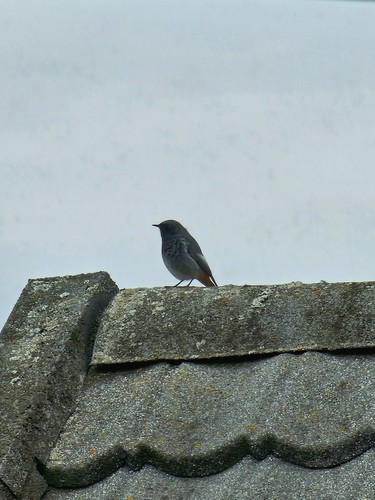
Black Redstart
13-14.5 cm (5.1-5.7 in) long, 23-26 cm wingspan
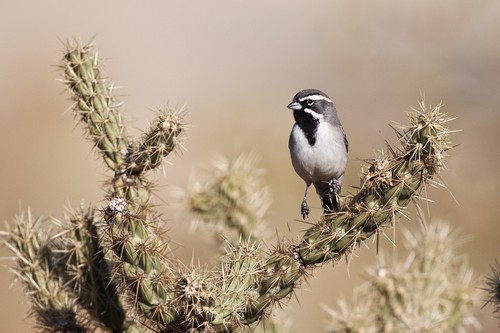
Black-throated Sparrow
12-14 cm (4.7-5.5 in) long, about 19-20 cm (7.5-8 in) wingspan
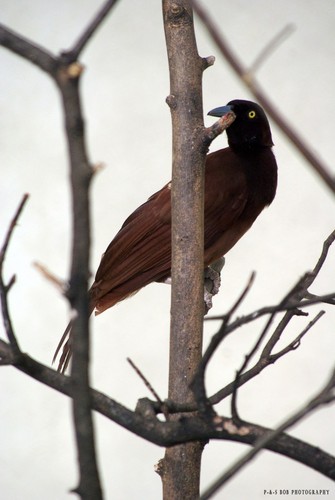
Greater Bird-of-paradise
Body about 43 cm; males with additional flank plumes up to 50 cm and long tail wires
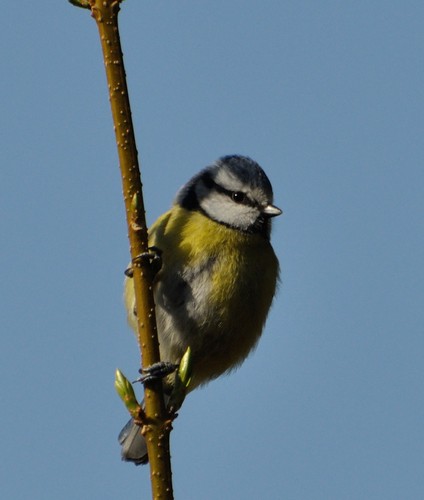
Blue Tit
11-12 cm (4.3-4.7 in) long, 17-20 cm wingspan
Red-billed Quelea
11.5–13 cm long, wingspan about 20–22 cm
White-plumed Antbird
13-14 cm (5-5.5 in) long
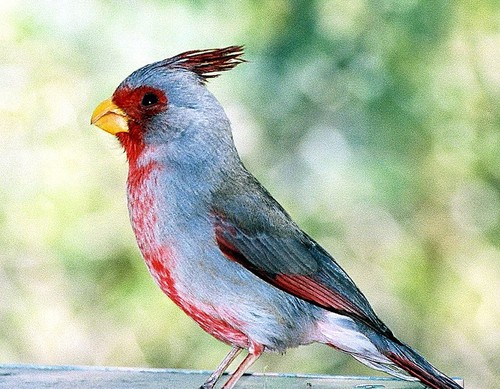
Pyrrhuloxia
19-22 cm (7.5-8.7 in) long, 30 cm wingspan
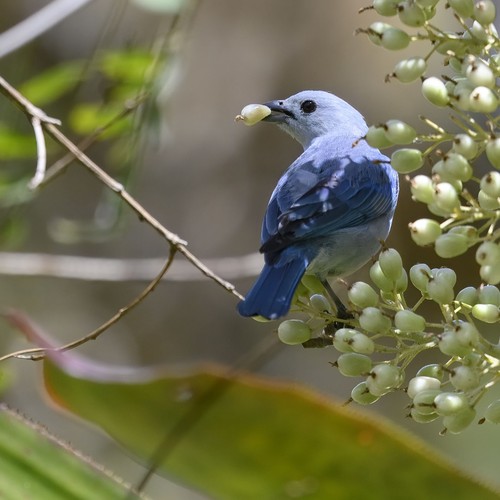
Blue-gray Tanager
16-18 cm (6-7 in) long
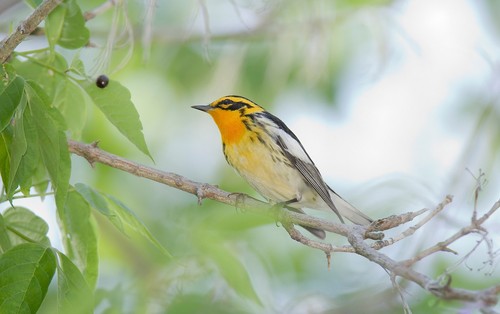
Blackburnian Warbler
11-13 cm (4.3-5.1 in) long, 20-22 cm wingspan
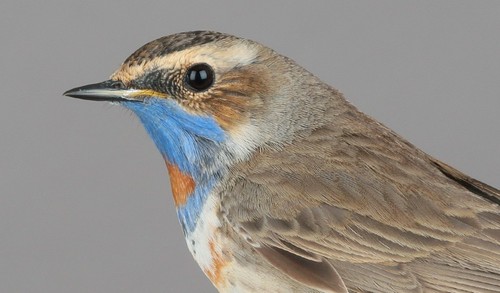
Bluethroat
13-14 cm (5.1-5.5 in) long, 20-22 cm wingspan
Eurasian Nuthatch
12-14.5 cm (4.7-5.7 in) long, 22.5-27 cm wingspan
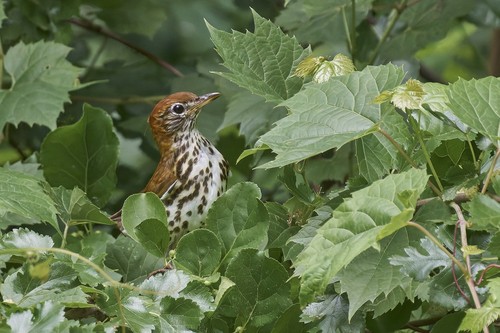
Wood Thrush
19-21 cm (7.5-8.3 in) long, about 33 cm (13 in) wingspan