
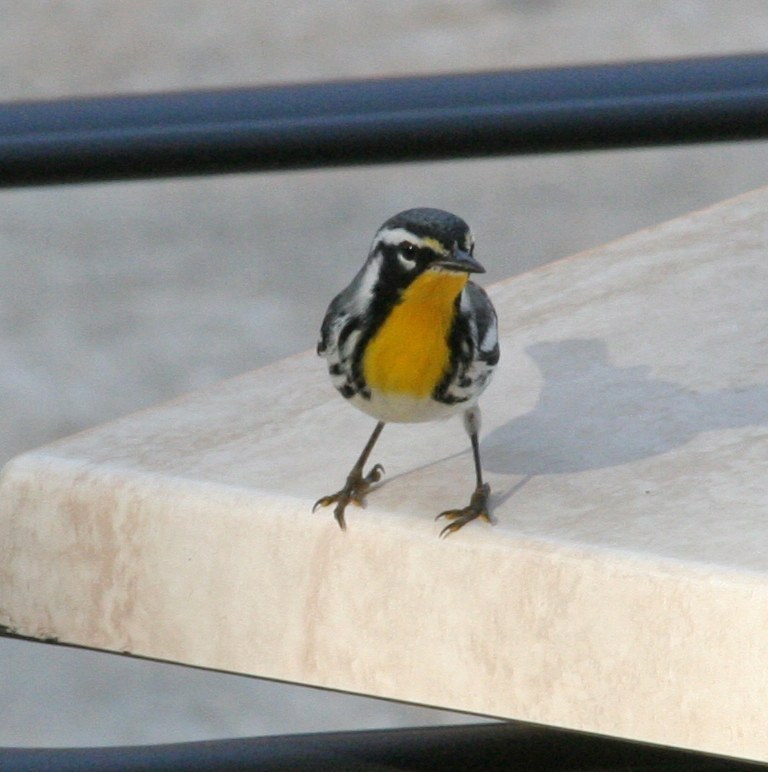
Yellow-throated Warbler
Setophaga dominica
A gray-backed warbler with a bright yellow throat and bold black-and-white face pattern, well adapted for creeping along bark and probing pine needle clusters and Spanish moss.
- Size
- 12-14 cm (4.7-5.5 in) long, 20 cm wingspan
- Habitat
- pine woods, bottomland forest, and areas with Spanish moss
- Type
- songbird
Spotted a bird like this?
Identify any bird from a photo, free.
Overview
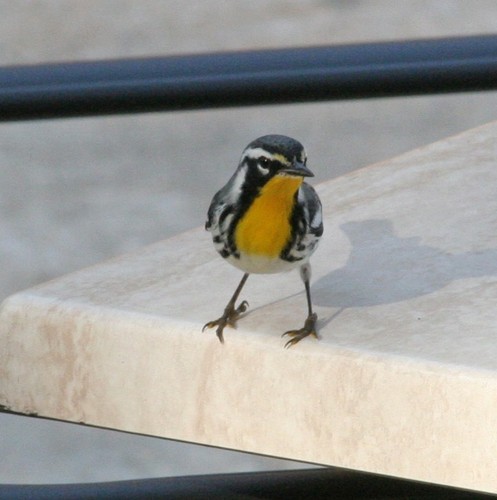
The Yellow-throated Warbler is a handsome, boldly patterned warbler with clean gray upperparts, a white belly, and a vivid yellow throat and upper breast that stands out sharply against a black-and-white striped face. A white patch on the side of the neck and a bold white eyebrow stripe add further contrast to the black face mask, while the flanks show crisp black streaking.
Its bill is noticeably long and slightly downcurved compared to most warblers, an adaptation that helps it probe into bark crevices, pine needle clusters, and hanging Spanish moss in search of hidden insects.
How to identify it
Key field marks
- Gray upperparts, white belly, bright yellow throat and upper breast
- Bold black-and-white striped face with a black mask through the eye
- White patch on the side of the neck
- Black streaking on the flanks
- Longer, slightly downcurved bill than most warblers
Similar species
Grace's Warbler shows a similar face and throat pattern but has a shorter supercilium that doesn't extend past the eye, less extensive yellow limited mostly to the throat/breast, and occurs in western pine forests rather than the East. Blackburnian Warbler shares a black-and-white face pattern but has orange (not yellow) on the throat and a different overall pattern.
Habitat & range
Yellow-throated Warblers breed in pine woodlands, bottomland hardwood forest, and sycamore-lined waterways across the southeastern and eastern United States, often in areas with hanging Spanish moss, which they use both for foraging and nest material.
Many populations are short-distance migrants or even partial residents, wintering along the Gulf Coast, Florida, the Caribbean, and into Mexico and Central America, with some birds remaining resident year-round in the southernmost parts of the breeding range.
Behavior & voice
Behavior and voice
Yellow-throated Warblers forage methodically, creeping along branches and tree trunks somewhat like a nuthatch, and probing into pine needle clusters, bark crevices, and clumps of Spanish moss for hidden insects and spiders.
The song is a series of clear, descending whistled notes that often ends with an upslurred flourish, rendered roughly as "tee-ew tee-ew tee-ew tee-ew twee."
Nesting
The nest is often built high in a pine tree or suspended within a clump of Spanish moss, constructed of plant fibers, bark strips, and down. Clutches typically contain 3-5 eggs.
Frequently asked questions
Why does the Yellow-throated Warbler have such a long bill?
Its longer, slightly downcurved bill is an adaptation for probing into pine needle clusters, bark crevices, and hanging Spanish moss to extract hidden insects and spiders.
How do you tell Yellow-throated Warbler from Grace's Warbler?
Yellow-throated Warbler has a longer white supercilium extending past the eye and more extensive yellow on the throat and breast, and it occurs in the East, while Grace's Warbler has a shorter supercilium, less extensive yellow, and occurs in western pine forests.
Does the Yellow-throated Warbler migrate?
Many populations are short-distance migrants wintering along the Gulf Coast and Caribbean, and some southern populations are resident year-round.
What habitat does the Yellow-throated Warbler prefer?
Pine woodlands, bottomland hardwood forest, and sycamore-lined waterways, especially areas with Spanish moss.
What does a Yellow-throated Warbler's song sound like?
A series of clear, descending whistled notes ending in an upslurred flourish, roughly "tee-ew tee-ew tee-ew tee-ew twee."
Yellow-throated Warbler guides
In-depth guides for identifying, finding, and understanding Yellow-throated Warbler.
Other birds you may enjoy
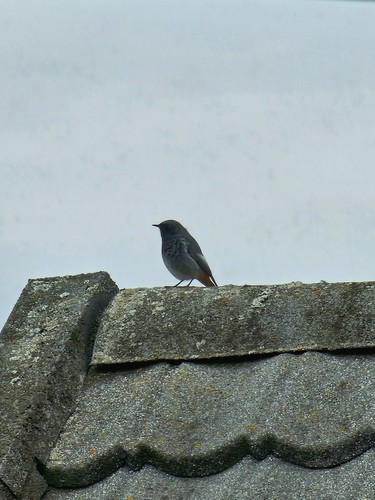
Black Redstart
13-14.5 cm (5.1-5.7 in) long, 23-26 cm wingspan
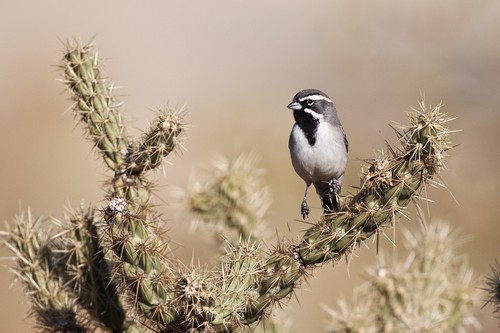
Black-throated Sparrow
12-14 cm (4.7-5.5 in) long, about 19-20 cm (7.5-8 in) wingspan
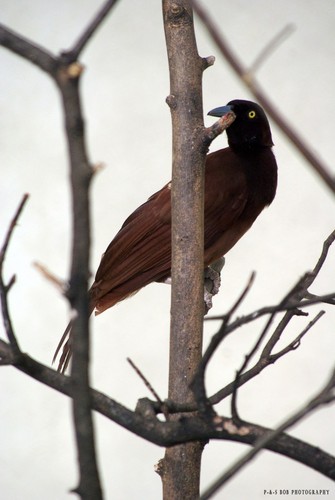
Greater Bird-of-paradise
Body about 43 cm; males with additional flank plumes up to 50 cm and long tail wires
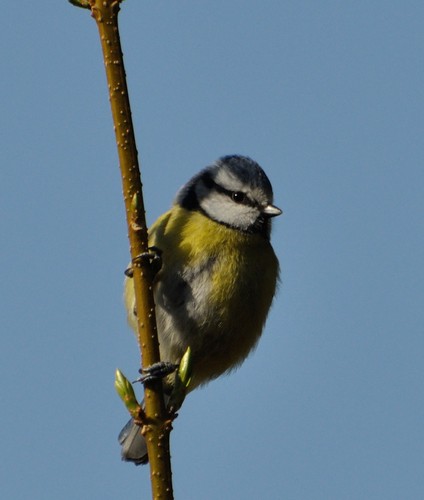
Blue Tit
11-12 cm (4.3-4.7 in) long, 17-20 cm wingspan
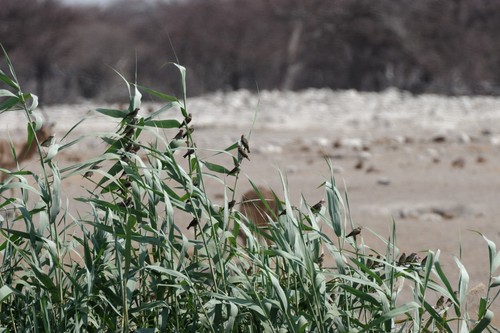
Red-billed Quelea
11.5–13 cm long, wingspan about 20–22 cm
White-plumed Antbird
13-14 cm (5-5.5 in) long
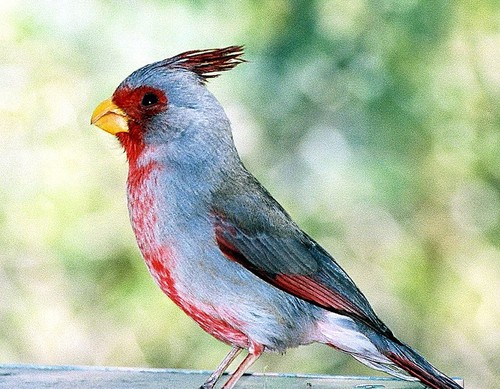
Pyrrhuloxia
19-22 cm (7.5-8.7 in) long, 30 cm wingspan
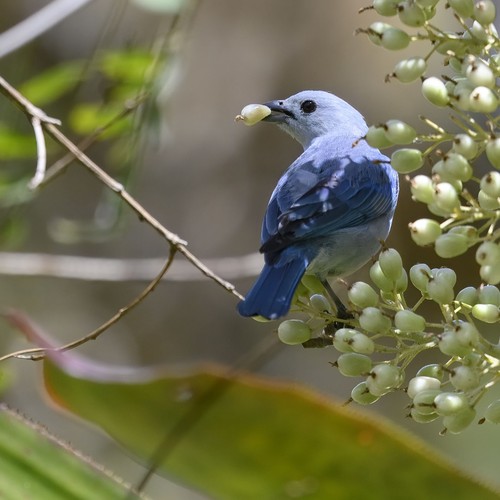
Blue-gray Tanager
16-18 cm (6-7 in) long
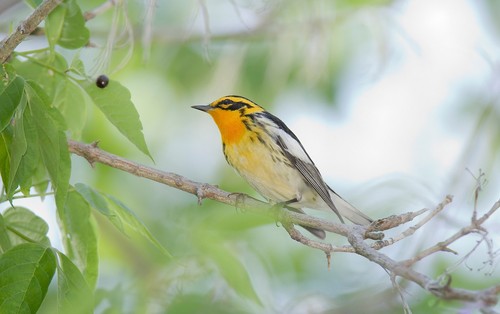
Blackburnian Warbler
11-13 cm (4.3-5.1 in) long, 20-22 cm wingspan
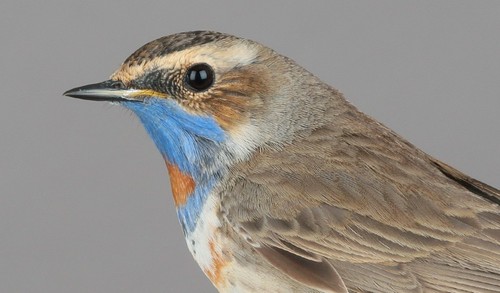
Bluethroat
13-14 cm (5.1-5.5 in) long, 20-22 cm wingspan
Eurasian Nuthatch
12-14.5 cm (4.7-5.7 in) long, 22.5-27 cm wingspan
Wood Thrush
19-21 cm (7.5-8.3 in) long, about 33 cm (13 in) wingspan