
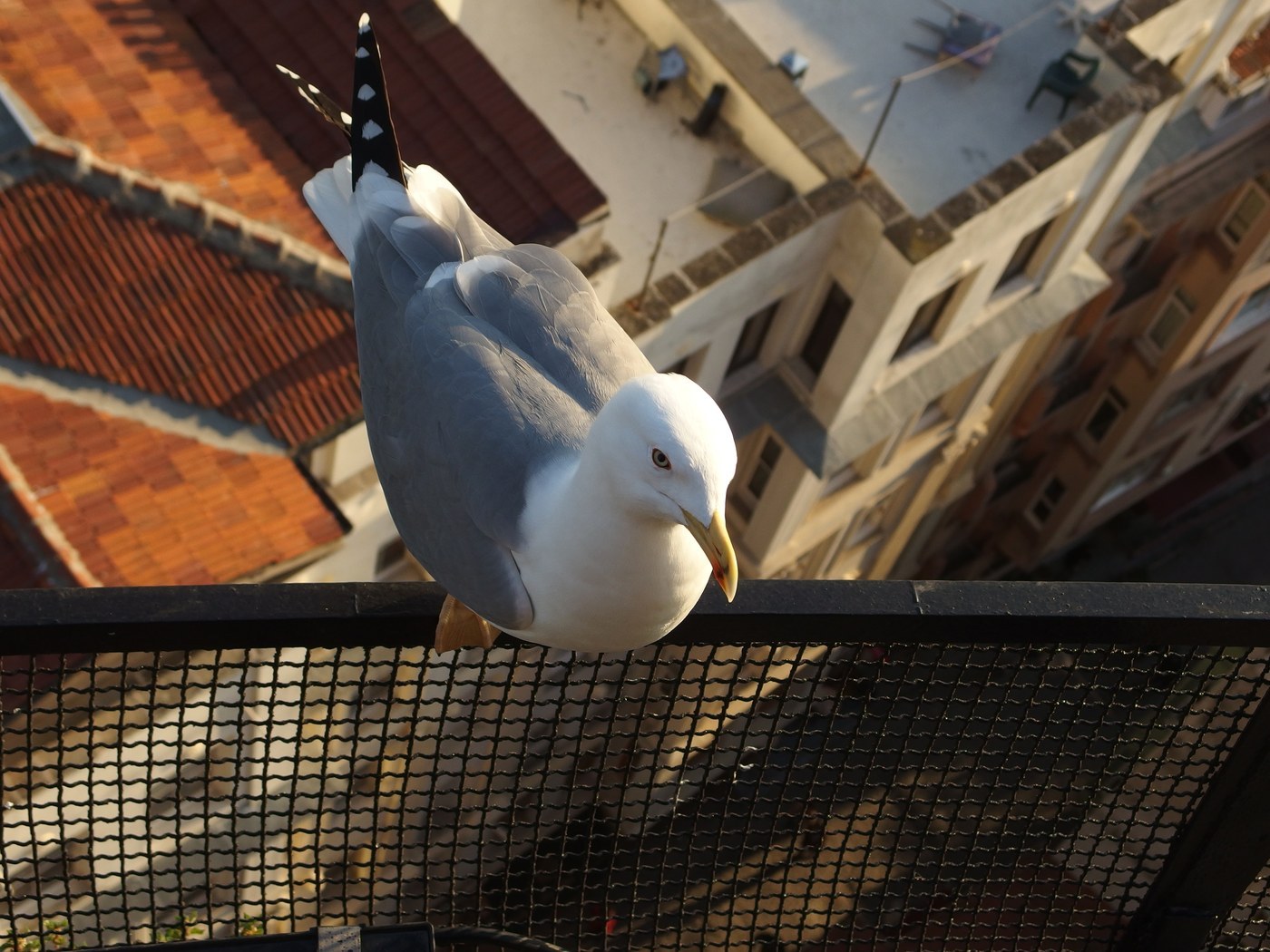
Yellow-legged Gull
Larus michahellis
A large gull of the Mediterranean and western Europe, similar to the Herring Gull but with yellow legs and a darker mantle, and a rare vagrant to eastern North America.
- Size
- 52-58 cm (20-23 in) long, 120-140 cm wingspan
- Habitat
- Mediterranean and Atlantic coasts, cliffs, urban areas, and agricultural land
- Type
- seabird
Spotted a bird like this?
Identify any bird from a photo, free.
Overview
The Yellow-legged Gull is a large, powerfully built gull common across southern and western Europe, closely related to and once considered part of the same species as the Herring Gull. Adults show a medium-to-dark gray mantle, somewhat darker than a typical Herring Gull, with a clean white head and underparts.
As its name suggests, the legs are bright yellow, a key feature separating it from the pink-legged Herring Gull. The bill is bold yellow with a prominent red spot near the tip, and the eye is pale. Immature birds pass through a series of mottled brown plumages over about four years before reaching full adult plumage.
While common and widespread around the Mediterranean and along the Atlantic coast of Iberia and France, the Yellow-legged Gull is a rare but increasingly recorded vagrant to the northeastern coast of North America, typically found among flocks of Herring Gulls.
How to identify it
Key field marks
- Bright yellow legs (a key distinguishing feature)
- Medium-to-dark gray mantle, darker than Herring Gull
- Bold yellow bill with a red gonydeal spot
- Pale eye
- Large, robust build
Similar species
- Herring Gull: pink legs and a paler mantle.
- Lesser Black-backed Gull: darker mantle still, also with yellow legs, but typically slimmer with longer wings extending well past the tail.
- Great Black-backed Gull: much larger and darker, with pink legs.
Habitat & range
Habitat
Found on rocky coastlines, cliffs, harbors, agricultural land, refuse sites, and increasingly in urban areas across its range.
Range and migration
Breeds around the Mediterranean Basin and along the Atlantic coasts of Iberia and France; largely resident or short-distance migrant, with a small but growing number of individuals recorded as vagrants along the northeastern coast of North America, particularly in winter among Herring Gull flocks.
Behavior & voice
Behavior
An adaptable and often bold gull, thriving around fishing harbors, urban centers, and landfills, and known for its opportunistic and sometimes aggressive foraging behavior.
Voice
Calls are similar to Herring Gull, including a deep laughing "kyow" and long call, though often described as slightly deeper or harsher.
Feeding
Omnivorous, taking fish, refuse, eggs and chicks of other birds, and invertebrates, readily scavenging around human activity.
Nesting and breeding
Nests colonially on cliffs, rooftops, and islands, building a scrape lined with vegetation. Clutches typically contain two to three eggs, incubated by both parents.
Frequently asked questions
How do you tell a Yellow-legged Gull from a Herring Gull?
The key difference is leg color: Yellow-legged Gull has bright yellow legs, while Herring Gull has pink legs; Yellow-legged Gull also tends to have a somewhat darker mantle.
Is the Yellow-legged Gull found in North America?
It is a rare but increasingly recorded vagrant along the northeastern coast, usually detected among large flocks of Herring Gulls in winter.
Where does the Yellow-legged Gull live?
It is common and widespread around the Mediterranean Basin and the Atlantic coasts of Iberia and France.
What does the Yellow-legged Gull eat?
An omnivorous diet including fish, refuse, eggs and chicks of other birds, and invertebrates.
Yellow-legged Gull guides
In-depth guides for identifying, finding, and understanding Yellow-legged Gull.
Other birds you may enjoy
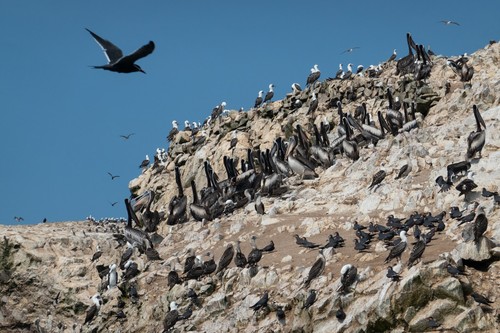
Peruvian Pelican
137-152 cm (54-60 in) long, up to 228 cm wingspan
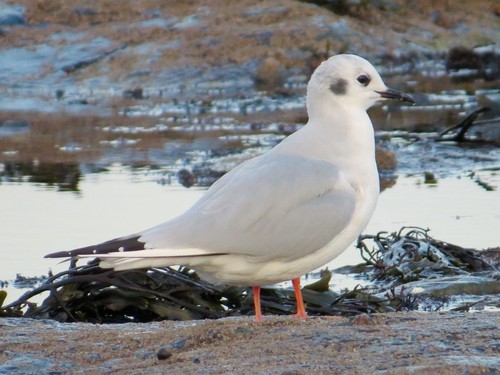
Bonaparte's Gull
28-33 cm (11-13 in) long, 76-84 cm wingspan
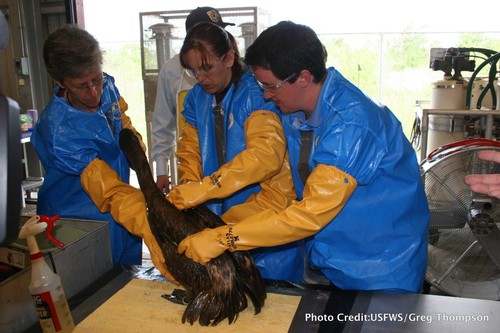
Brown Pelican
106-137 cm (42-54 in) long, 200-230 cm wingspan
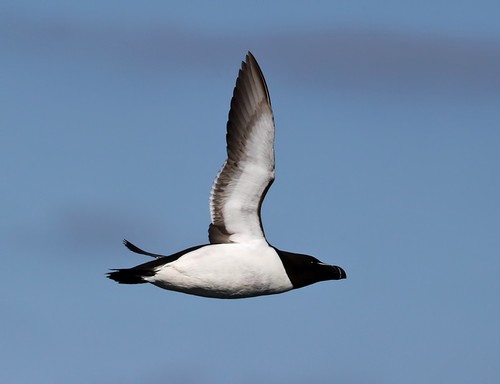
Razorbill
37-39 cm (15-15.5 in) long, 63-68 cm wingspan
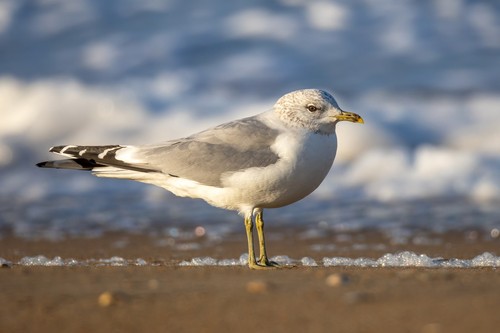
Common Gull
40-46 cm (16-18 in) long, 110-130 cm wingspan
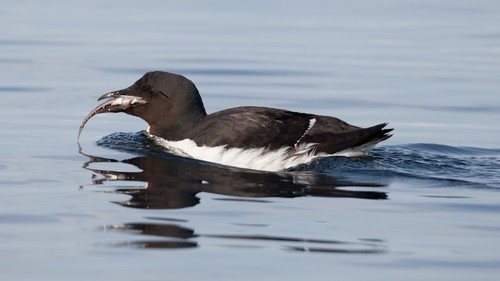
Thick-billed Murre
40-48 cm (16-19 in) long, 65-75 cm wingspan
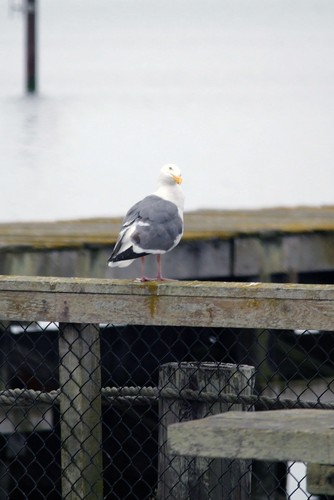
Western Gull
55-68 cm (22-27 in) long, 130-144 cm wingspan
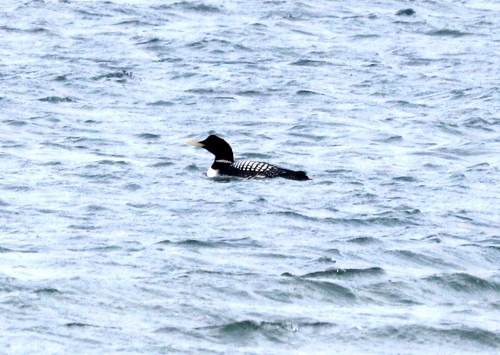
Yellow-billed Loon
76-97 cm (30-38 in) long, 135-152 cm wingspan
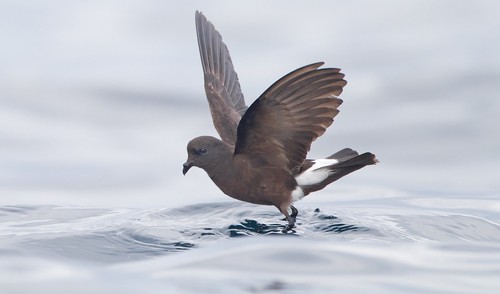
Wilson's Storm-Petrel
15-19 cm (6-7.5 in) long, wingspan 38-42 cm (15-16.5 in)
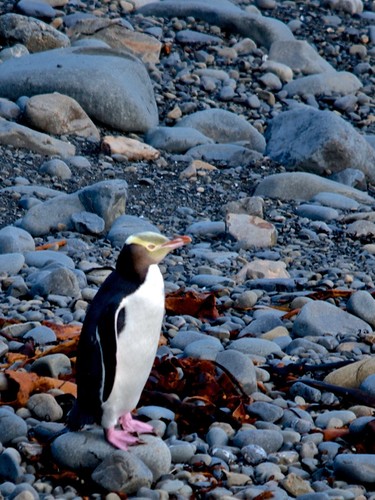
Yellow-eyed Penguin
62-79 cm (24-31 in) tall, 3-8.5 kg (6.6-18.7 lb)
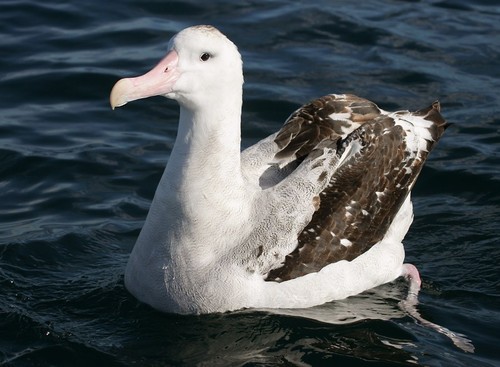
Wandering Albatross
107-135 cm (42-53 in) long, wingspan up to 3.5 m (11.5 ft)
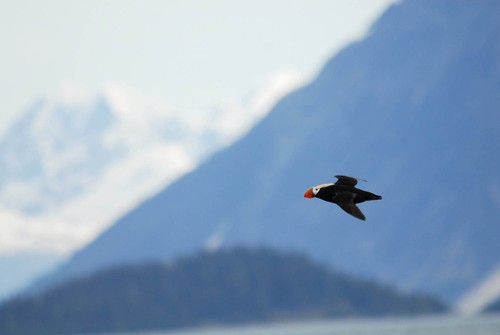
Tufted Puffin
35-41 cm (14-16 in) long, about 63-70 cm wingspan