
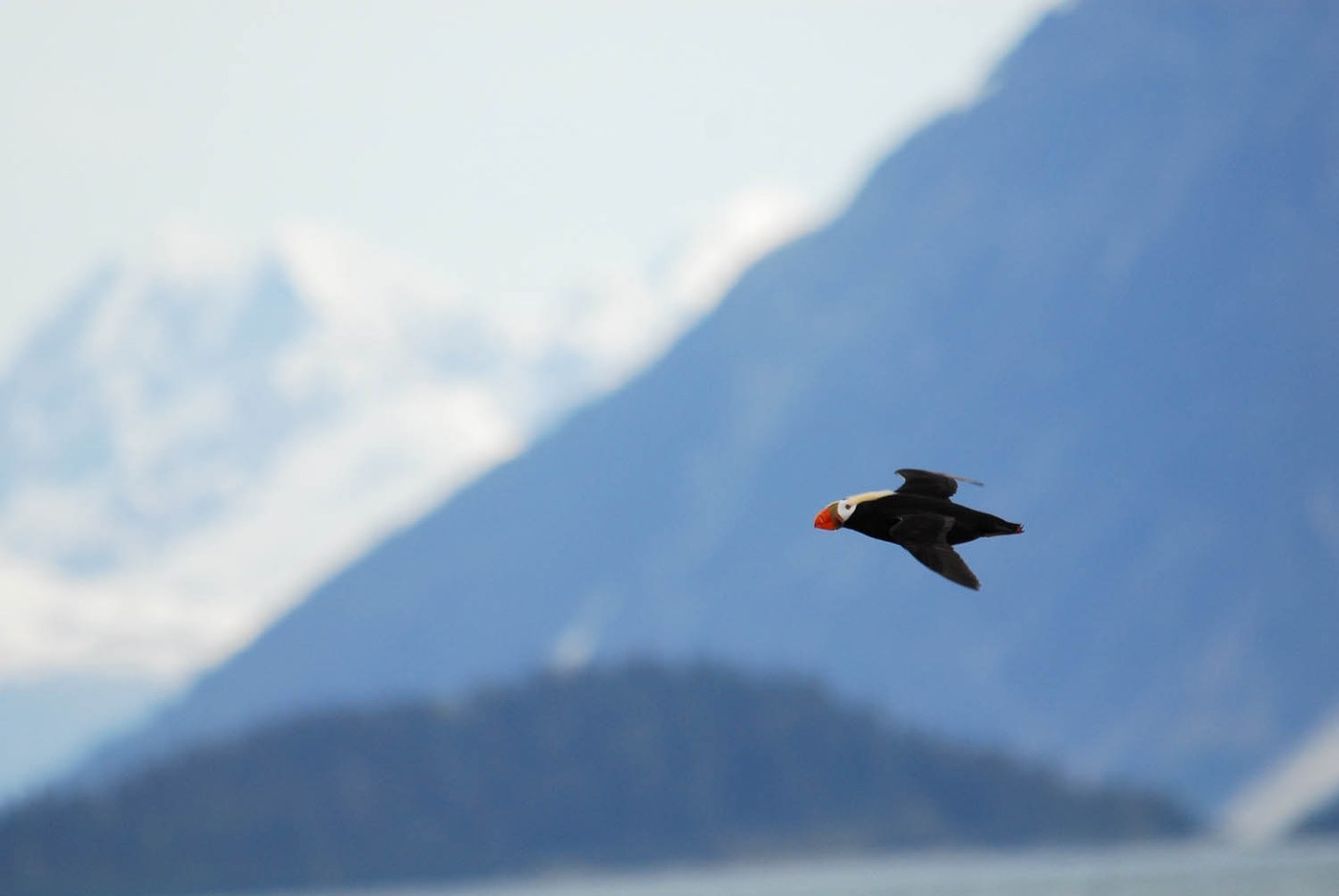
Tufted Puffin
Fratercula cirrhata
A large North Pacific puffin with a massive orange bill and long golden head plumes trailing backward in breeding plumage.
- Size
- 35-41 cm (14-16 in) long, about 63-70 cm wingspan
- Habitat
- North Pacific coastal cliffs and islands, offshore waters
- Type
- seabird
Spotted a bird like this?
Identify any bird from a photo, free.
Overview
The Tufted Puffin is the largest of the puffin species and one of the most striking seabirds of the North Pacific, instantly recognizable in breeding season by its long, pale golden-yellow tufts of feathers sweeping back from behind each eye. The body is almost entirely sooty black, a marked contrast to the black-and-white pattern of its Atlantic relative, and the bill is a deep, laterally flattened orange-red, giving the face a bold, dramatic look.
Outside the breeding season, the ornamental tufts are shed, the bill becomes smaller and duller, and the face darkens, so that non-breeding birds look considerably plainer than the flamboyant summer adults.
How to identify it
Key field marks
- Nearly all-black body plumage (unlike the white-bellied Atlantic Puffin)
- Long, pale yellow head tufts in breeding adults, sweeping backward
- Large, deep orange-red bill
- White facial disc contrasting with the dark body
Similar species
- Horned Puffin shares North Pacific range but has a white belly and breast, plus a small dark "horn" above the eye rather than long tufts.
- Atlantic Puffin does not overlap in range and has a white underside, unlike the all-dark Tufted Puffin.
- Non-breeding and juvenile Tufted Puffins lack tufts and have duller bills, superficially resembling large dark auklets.
Habitat & range
Tufted Puffins breed on grassy or vegetated cliff tops and islands around the North Pacific rim, from California and the Aleutian Islands through Alaska and across to the Russian Far East and Japan. They dig burrows in soil on cliff tops and slopes, similar to their Atlantic relative, but favor the colder, more productive waters of the North Pacific.
Outside the breeding season, birds disperse widely over open North Pacific waters, sometimes far offshore, and southern populations have experienced notable range contraction in recent decades linked to changing ocean conditions.
Behavior & voice
Behavior
Strong underwater swimmers, Tufted Puffins pursue fish and invertebrates by "flying" through the water with their wings, often diving to considerable depths in productive coastal waters.
Voice
A low, growling call is given at the burrow entrance and underground; birds are generally silent while at sea.
Feeding
Diet includes small schooling fish, squid, and various invertebrates, with adults carrying multiple fish crosswise in the bill back to chicks, aided by backward-facing spines on the tongue and palate.
Nesting and breeding
Pairs excavate deep burrows in soil, sometimes reusing the same burrow across years; a single egg is incubated by both parents, and the chick fledges independently, typically departing the burrow at night.
Frequently asked questions
How is the Tufted Puffin different from the Atlantic Puffin?
Tufted Puffins are larger, almost entirely black-bodied (rather than white-bellied), and have long golden head tufts in breeding season instead of a simple black cap.
Where do Tufted Puffins live?
They breed on cliffs and islands around the North Pacific rim, from California and Alaska across to Russia and Japan.
What are the Tufted Puffin's head tufts for?
The long, pale yellow plumes are breeding ornaments used to attract mates and are shed after the breeding season.
What does a Tufted Puffin eat?
Small fish, squid, and marine invertebrates, caught by diving and swimming underwater with its wings.
Are Tufted Puffin populations declining?
While globally classified as Least Concern, some southern colonies, particularly in California and Washington, have seen significant declines linked to changing ocean conditions and food availability.
Tufted Puffin guides
In-depth guides for identifying, finding, and understanding Tufted Puffin.
Other birds you may enjoy
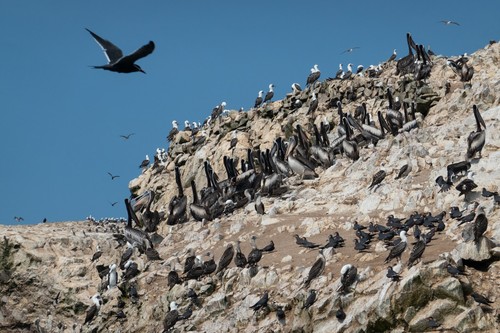
Peruvian Pelican
137-152 cm (54-60 in) long, up to 228 cm wingspan
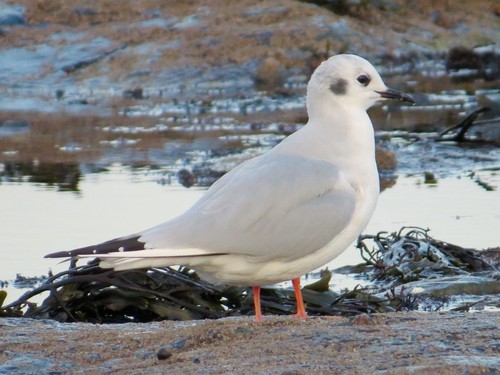
Bonaparte's Gull
28-33 cm (11-13 in) long, 76-84 cm wingspan
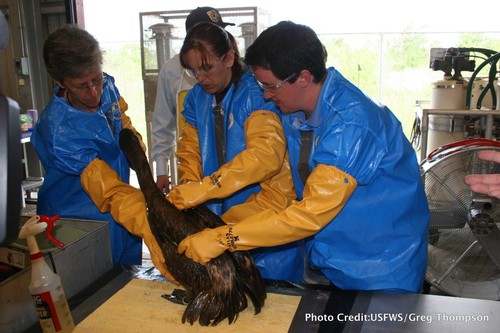
Brown Pelican
106-137 cm (42-54 in) long, 200-230 cm wingspan
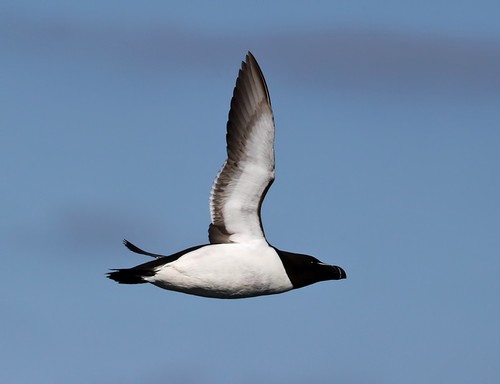
Razorbill
37-39 cm (15-15.5 in) long, 63-68 cm wingspan
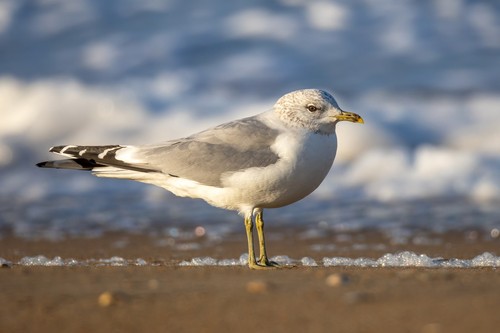
Common Gull
40-46 cm (16-18 in) long, 110-130 cm wingspan
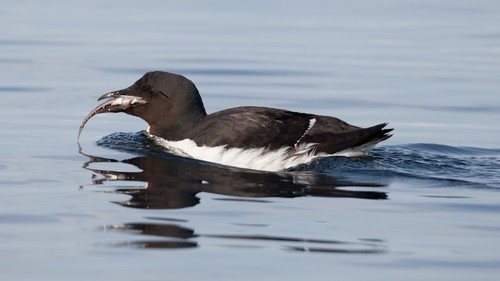
Thick-billed Murre
40-48 cm (16-19 in) long, 65-75 cm wingspan
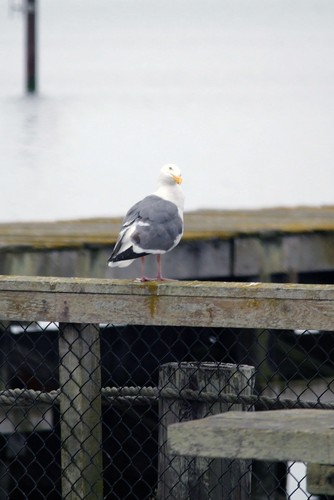
Western Gull
55-68 cm (22-27 in) long, 130-144 cm wingspan
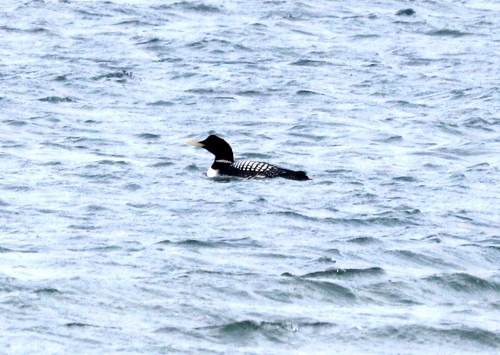
Yellow-billed Loon
76-97 cm (30-38 in) long, 135-152 cm wingspan
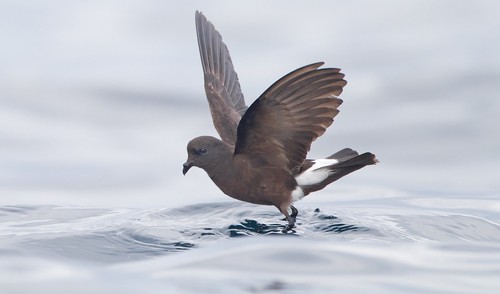
Wilson's Storm-Petrel
15-19 cm (6-7.5 in) long, wingspan 38-42 cm (15-16.5 in)
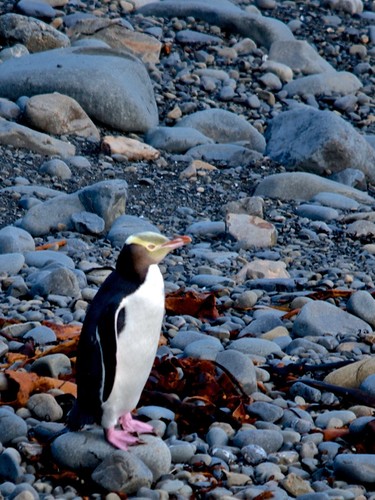
Yellow-eyed Penguin
62-79 cm (24-31 in) tall, 3-8.5 kg (6.6-18.7 lb)
Wandering Albatross
107-135 cm (42-53 in) long, wingspan up to 3.5 m (11.5 ft)
White Tern
28-33 cm (11-13 in) long, 70-87 cm wingspan